

Symptoms of High Cholesterol Dizziness That Signal Danger
Have you ever felt dizzy for no clear reason and wondered whether your cholesterol could be involved? You’re not alone. Many people search for answers because high cholesterol is one of the most common health problems worldwide, yet it often develops without noticeable symptoms.
The truth is that high cholesterol itself rarely causes dizziness directly. However, when cholesterol builds up inside the arteries, it can reduce blood flow to important organs, including the brain. This reduced circulation may contribute to dizziness in certain situations and can even become dangerous if left untreated.
In this guide, you’ll discover the truth about symptoms of high cholesterol dizziness, understand when dizziness should raise concern, learn the warning signs of cholesterol-related complications, and explore practical ways to lower your cardiovascular risk.
Understanding High Cholesterol and Why It Matters
Cholesterol is a wax-like substance your body needs to build cells, produce hormones, and make vitamin D. Although cholesterol is essential, having too much of the wrong type can create serious health problems.
Your body carries cholesterol through the bloodstream in particles called lipoproteins.
The two main types include:
- LDL (Low-Density Lipoprotein): Often called “bad cholesterol.”
- HDL (High-Density Lipoprotein): Known as “good cholesterol.”
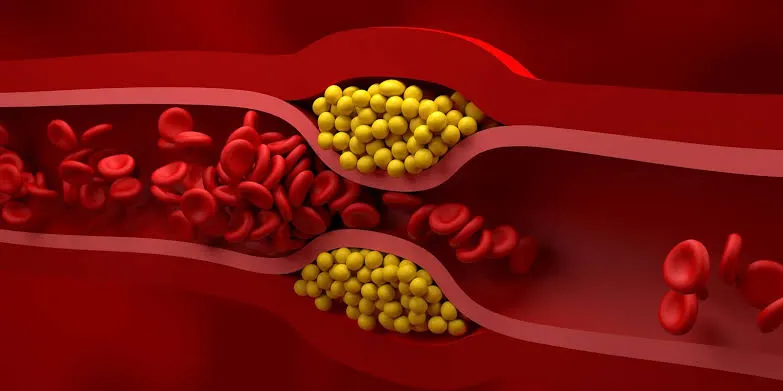
When LDL cholesterol becomes too high, it sticks to artery walls and forms fatty plaques. Over time, these plaques narrow the arteries, making it harder for blood to flow.
Moreover, this process can continue for years without obvious symptoms.
Can High Cholesterol Cause Dizziness?

This is one of the most frequently asked questions online.
The simple answer is not usually.
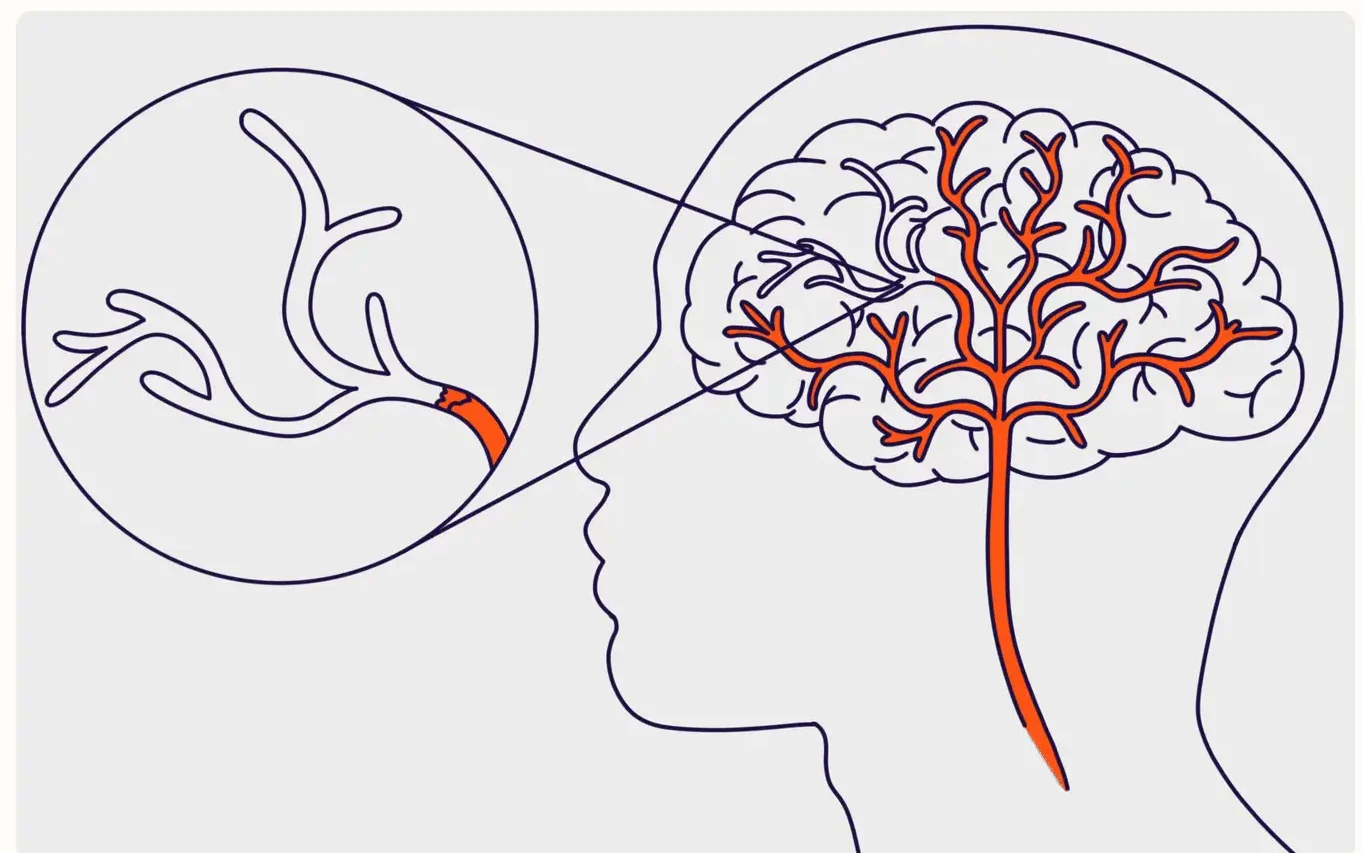
High cholesterol alone does not directly affect your balance or inner ear. However, complications caused by cholesterol buildup may reduce blood flow to the brain. When the brain receives less oxygen-rich blood, some people may experience dizziness, lightheadedness, or even fainting.
For example, severe narrowing of the carotid arteries can decrease circulation to the brain, increasing the risk of dizziness and stroke.
Therefore, persistent dizziness should never be ignored, especially if it appears together with other neurological symptoms.
Symptoms of High Cholesterol Dizziness You Should Never Ignore
Although symptoms of high cholesterol dizziness are not considered classic cholesterol symptoms, they may appear when blood vessels become significantly narrowed.
Watch for warning signs such as:
- Frequent dizziness
- Lightheadedness
- Feeling faint
- Blurred vision
- Loss of balance
- Confusion
- Sudden weakness
- Difficulty speaking
- Temporary numbness
These symptoms could suggest reduced blood flow rather than high cholesterol itself.
However, they may also indicate an emergency such as a transient ischemic attack (TIA) or stroke.
Why High Cholesterol Is Called the Silent Killer
Many chronic diseases give noticeable warning signs early.
High cholesterol is different.
Millions of people have dangerously high cholesterol without realizing it because there are often no symptoms at all until complications appear.
In my experience reviewing current cardiovascular research, one of the biggest challenges is that patients often feel completely healthy while plaque continues building inside their arteries for years.
That is why routine cholesterol testing is far more reliable than waiting for symptoms.
How Cholesterol Blocks Blood Flow
Plaque Formation
Every year, excess LDL cholesterol can settle inside artery walls.
Eventually, this buildup hardens into plaque.
As plaque grows, arteries become narrower.
Blood struggles to move through these narrowed pathways, reducing oxygen delivery throughout the body.
Reduced Oxygen Supply
The brain needs a constant supply of oxygen.
When blood flow decreases, symptoms may include:
- Dizziness
- Mental fog
- Difficulty concentrating
- Fatigue
- Vision disturbances
These symptoms may have many causes, but cholesterol-related artery disease is one possibility, especially in older adults or individuals with multiple cardiovascular risk factors.
Increased Stroke Risk
If plaque ruptures, a blood clot may quickly form.
The clot can completely block blood flow to part of the brain.
This is why uncontrolled cholesterol dramatically increases stroke risk.
Sudden dizziness accompanied by facial drooping, arm weakness, or speech problems requires immediate emergency care.
Other Warning Signs That May Accompany High Cholesterol
High cholesterol itself often remains silent.
However, artery disease caused by cholesterol can produce several symptoms.
These include:
Heart-related symptoms
- Chest pain
- Chest pressure
- Shortness of breath
- Fatigue during exercise
Brain-related symptoms
- Dizziness
- Memory changes
- Confusion
- Temporary vision loss
Leg circulation problems
- Leg pain while walking
- Cold feet
- Slow-healing wounds
- Weak pulses
Each symptom reflects reduced circulation rather than cholesterol directly.
Who Is Most Likely to Experience Cholesterol Complications?
Some people develop artery disease much faster than others.
Your risk increases if you have:
- High blood pressure
- Diabetes
- Smoking habits
- Obesity
- Family history of heart disease
- Physical inactivity
- Poor diet
- Age over 45 for men or after menopause for women
Moreover, several risk factors together multiply cardiovascular risk instead of simply adding to it.
Symptoms Often Mistaken for High Cholesterol
Many people search online after feeling dizzy, tired, or weak.
However, these symptoms usually have other explanations.
For example:
| Symptom | Common Causes |
| Dizziness | Low blood pressure, dehydration, inner ear disorders |
| Fatigue | Poor sleep, anemia, thyroid disease |
| Headache | Stress, migraines, dehydration |
| Blurred vision | Eye conditions, diabetes, high blood pressure |
| Weakness | Viral illness, low blood sugar, neurological disorders |
Therefore, a medical evaluation is important before assuming cholesterol is responsible.
What Are Symptoms of High Cholesterol in Women?
Many readers ask, what are symptoms of high cholesterol in women?
The answer is that women usually experience the same lack of symptoms as men. However, once cholesterol contributes to cardiovascular disease, women may notice unusual fatigue, shortness of breath, chest discomfort, or dizziness rather than classic crushing chest pain. Because these symptoms can be subtle, regular cholesterol screening becomes especially important after menopause.
Symptoms of High Bad Cholesterol
People often search for symptoms of high bad cholesterol expecting a clear checklist.
Unfortunately, LDL cholesterol rarely causes noticeable symptoms by itself.
Instead, warning signs usually appear only after cholesterol damages the arteries.
Possible complications include:
- Coronary artery disease
- Peripheral artery disease
- Stroke
- Heart attack
- Carotid artery disease
For this reason, doctors emphasize prevention rather than waiting for symptoms.
Conditions That Can Cause Dizziness Besides Cholesterol
Not every dizzy spell points toward cardiovascular disease.
Some of the most common causes include:
- Dehydration
- Low blood sugar
- Inner ear infections
- Vertigo
- Anemia
- Medication side effects
- Low blood pressure
- Anxiety
- Migraine
- Irregular heartbeat
Understanding these possibilities helps prevent unnecessary worry while encouraging appropriate medical evaluation.
How Doctors Diagnose High Cholesterol
One of the biggest challenges with high cholesterol is that you cannot diagnose it based on symptoms alone. Even if you occasionally feel dizzy, only a blood test can confirm whether your cholesterol levels are too high.
Doctors usually recommend a lipid profile, which measures several important values:
- Total cholesterol
- LDL (bad cholesterol)
- HDL (good cholesterol)
- Triglycerides
For healthy adults, cholesterol screening is generally recommended every four to six years. However, people with diabetes, heart disease, obesity, or a family history of high cholesterol may need more frequent testing.
Moreover, your healthcare provider may also check your blood pressure, blood sugar, weight, and lifestyle habits to assess your overall cardiovascular risk.
When Dizziness Requires Immediate Medical Attention
Most episodes of dizziness are not caused by high cholesterol. Still, dizziness should never be ignored when it appears suddenly or is accompanied by other warning signs.
Seek emergency medical care immediately if dizziness occurs with:
- Chest pain
- Difficulty speaking
- Sudden weakness on one side of the body
- Facial drooping
- Vision loss
- Severe headache
- Loss of consciousness
- Difficulty walking
These symptoms may indicate a stroke or heart attack, where every minute counts.
Lifestyle Changes That Help Lower Cholesterol
The good news is that high cholesterol is often manageable through healthy daily habits. Even small improvements can significantly reduce the risk of heart disease over time.
1. Eat More Heart-Healthy Foods
A balanced diet plays a major role in controlling cholesterol.
Choose foods such as:
- Oats and whole grains
- Fresh fruits
- Vegetables
- Beans and lentils
- Nuts
- Olive oil
- Fatty fish like salmon and sardines
- Avocados
These foods contain fiber and healthy fats that help reduce LDL cholesterol.
2. Limit Saturated and Trans Fats
Certain foods can increase bad cholesterol.
Try to reduce:
- Fried foods
- Processed snacks
- Fast food
- Fatty cuts of red meat
- Butter
- Full-fat dairy products
- Commercial baked goods
Replacing saturated fats with healthier fats can improve cholesterol levels within weeks.
3. Exercise Regularly
Physical activity helps increase HDL (good cholesterol) while lowering LDL.
Aim for at least:
- 150 minutes of moderate exercise each week, or
- 75 minutes of vigorous exercise
Examples include:
- Brisk walking
- Swimming
- Cycling
- Dancing
- Jogging
Moreover, regular movement improves blood circulation and supports overall heart health.
4. Maintain a Healthy Weight
Even losing 5–10% of body weight can improve cholesterol numbers for many people.
Healthy weight loss also lowers blood pressure, improves blood sugar, and reduces inflammation.
5. Stop Smoking
Smoking damages blood vessels and speeds up plaque formation.
After quitting:
- Blood circulation improves.
- HDL cholesterol increases.
- Heart disease risk gradually decreases.
Every smoke-free day benefits your cardiovascular system.
6. Drink Alcohol in Moderation
Excess alcohol may raise triglycerides and contribute to weight gain.
If you drink alcohol, moderation is important. Some people may benefit from avoiding it entirely, depending on their health.
Foods That Naturally Support Healthy Cholesterol
Many everyday foods can help improve cholesterol when combined with an overall healthy lifestyle.
Best choices include:
- Oatmeal
- Apples
- Citrus fruits
- Broccoli
- Spinach
- Almonds
- Walnuts
- Chia seeds
- Flaxseeds
- Beans
- Soy products
- Salmon
- Mackerel
These foods provide fiber, healthy fats, vitamins, and antioxidants that support healthy arteries.
Foods to Limit
Reducing certain foods can also make a difference.
Consider limiting:
- Bacon
- Sausages
- Processed meats
- Sugary desserts
- Potato chips
- Deep-fried foods
- Palm oil
- Coconut oil in large amounts
- Sweetened beverages
The goal is balance rather than perfection. Occasional treats are usually fine within an overall healthy eating pattern.
Medical Treatments for High Cholesterol
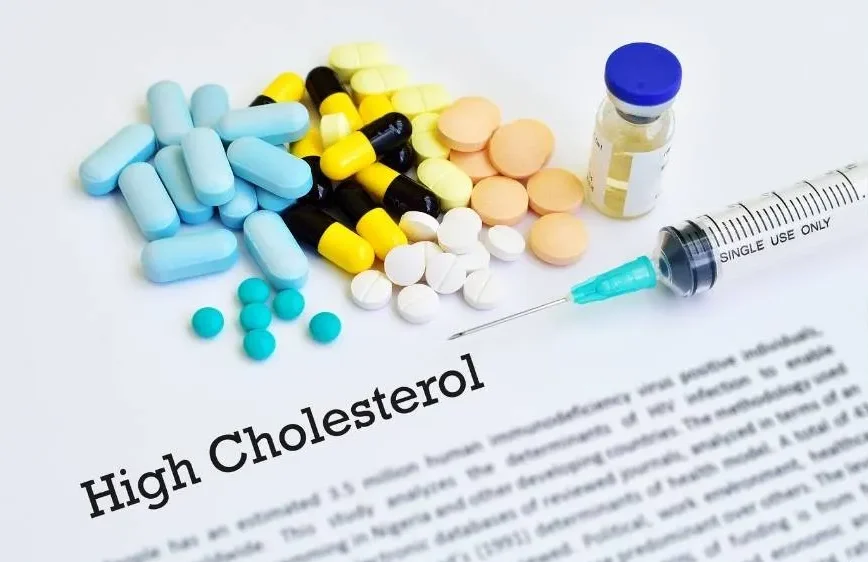
Lifestyle changes are often the first step. However, medication may be necessary if cholesterol remains high or if someone has a high risk of cardiovascular disease.
Common medications include:
Statins
These are the most widely prescribed cholesterol-lowering drugs. They reduce LDL cholesterol and significantly lower the risk of heart attack and stroke.
Ezetimibe
This medicine reduces cholesterol absorption in the intestines and may be combined with statins.
PCSK9 Inhibitors
These injectable medications are often used for people with inherited high cholesterol or those who cannot reach target LDL levels with statins alone.
Bile Acid Sequestrants
These medicines help remove cholesterol from the body through the digestive system.
Your doctor will recommend the best treatment based on your cholesterol levels, age, medical history, and overall risk.
Practical Tips to Protect Your Heart Every Day
Healthy habits are easier to maintain when they become part of your routine.
Here are a few simple ideas:
- Read food labels before buying packaged foods.
- Walk for 30 minutes most days.
- Eat vegetables with every meal.
- Replace sugary drinks with water.
- Schedule regular health checkups.
- Monitor blood pressure and blood sugar if recommended.
- Get enough sleep each night.
- Manage stress through relaxation techniques or hobbies.
Small daily actions often produce the biggest long-term benefits.
Common Myths About High Cholesterol
Myth 1: Only overweight people have high cholesterol.
Fact: Even people at a healthy weight can have high cholesterol due to genetics or other factors.
Myth 2: Dizziness always means high cholesterol.
Fact: Dizziness has many possible causes. High cholesterol usually contributes only indirectly through complications affecting blood flow.
Myth 3: Young adults don’t need cholesterol tests.
Fact: High cholesterol can begin early in life, making regular screening important for prevention.
Myth 4: Medication means you can ignore your diet.
Fact: Healthy eating and exercise remain essential even when taking cholesterol-lowering medication.
Why Prevention Is Better Than Treatment
Heart disease remains one of the leading causes of death worldwide. Fortunately, many cholesterol-related complications are preventable.
Routine screening, balanced nutrition, regular exercise, and following medical advice can dramatically reduce your risk of heart attack and stroke.
In my experience reviewing evidence-based health recommendations, the people who achieve the best long-term outcomes are those who focus on consistent healthy habits rather than quick fixes.
Conclusion
Although many people search for symptoms of high cholesterol dizziness, it is important to understand that high cholesterol itself rarely causes dizziness directly. Instead, dizziness may develop when cholesterol buildup significantly reduces blood flow or contributes to serious cardiovascular conditions.
The most effective strategy is prevention. Regular cholesterol screening, heart-healthy eating, physical activity, maintaining a healthy weight, and avoiding smoking all play vital roles in protecting your arteries.
If dizziness is sudden, severe, or occurs alongside chest pain, weakness, vision changes, or difficulty speaking, seek emergency medical care immediately. Early action can save lives and prevent long-term complications.
Frequently Asked Questions
What are 10 warning signs of high cholesterol?
High cholesterol usually has no direct symptoms. However, warning signs of complications include chest pain, leg pain while walking, dizziness, shortness of breath, fatigue, numbness, vision changes, confusion, stroke symptoms, and heart attack symptoms.
What are the top 3 causes of dizziness?
The three common causes are inner ear disorders, low blood pressure or dehydration, and neurological or cardiovascular conditions. A healthcare professional can identify the exact cause.
How does your body feel when your cholesterol is high?
Most people feel completely normal. Symptoms usually appear only after cholesterol damages blood vessels and leads to heart disease, stroke, or poor circulation.
Can high lipoproteins cause dizziness?
High lipoprotein levels do not directly cause dizziness. However, if they contribute to artery narrowing and reduced blood flow to the brain, dizziness may occur as part of a more serious condition.
Can high cholesterol make a person dizzy?
Not directly. High cholesterol becomes dangerous when plaque buildup reduces blood flow or triggers complications such as carotid artery disease or stroke, which can include dizziness.
⭐ Make MindLiva Your Preferred Source on Google
Get trusted health, wellness, and lifestyle articles from MindLiva.
Add MindLiva
Samie Babaei is a medical science student at Shahid Beheshti University of Medical Sciences with a strong interest in health, wellness, and medical research. As a health writer and researcher at MindLiva, she focuses on creating clear, evidence-based content that helps readers better understand health and well-being.