



Stroke Recovery: Effective Strategies to Regain Your Health
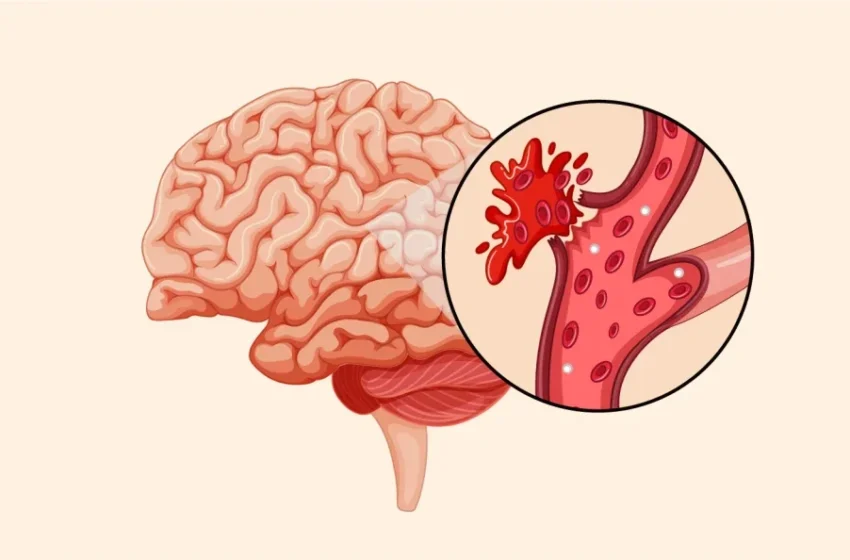
A stroke happens when blood flow to part of the brain is interrupted or when a blood vessel in the brain bursts. Since brain cells rely on a constant supply of oxygen and nutrients, they begin to die within minutes after blood flow stops. That is why a stroke is considered a medical emergency.
The good news is that modern medicine has significantly improved survival rates. Quick treatment, early rehabilitation, and healthy lifestyle choices help many people recover much of their physical and mental function.
This article explains everything you need to know about stroke recovery, including causes, symptoms, rehabilitation, nutrition, emotional health, and practical tips for rebuilding your life.
One important point to remember is that a stroke is different from a heart attack. While both involve blocked blood flow, a stroke affects the brain, whereas a heart attack affects the heart.
What Is a Stroke?
A stroke occurs when part of the brain cannot receive enough oxygen-rich blood.
The two main types include:
- Ischemic stroke – caused by a blocked artery and accounts for most cases.
- Hemorrhagic stroke – caused by bleeding inside or around the brain.
There is also a Transient Ischemic Attack (TIA), often called a mini-stroke. Although symptoms disappear quickly, it serves as an important warning sign that a more serious stroke may happen in the future.
Brain damage depends on:
- Which part of the brain is affected
- How long blood flow is interrupted
- How quickly treatment begins
Early recognition saves brain tissue and greatly improves recovery outcomes.
Common Causes of Stroke
Several health conditions increase the risk of stroke.
The most common causes include:
- High blood pressure
- Diabetes
- High cholesterol
- Smoking
- Obesity
- Physical inactivity
- Irregular heartbeat (atrial fibrillation)
- Excessive alcohol consumption
- Poor diet
- Family history
Age increases stroke risk, but younger adults can also experience strokes due to genetic disorders, blood clotting conditions, or unhealthy lifestyles.
Managing these risk factors dramatically lowers the chances of experiencing a stroke.
Early Warning Signs You Should Never Ignore
Knowing the warning signs allows faster treatment.
Doctors recommend remembering the FAST method:
| Letter | Meaning |
| F | Face drooping |
| A | Arm weakness |
| S | Speech difficulty |
| T | Time to call emergency services immediately |
Other symptoms may include:
- Sudden confusion
- Severe headache
- Vision problems
- Difficulty walking
- Loss of balance
- Numbness on one side
- Dizziness
Never wait to see whether symptoms disappear. Immediate medical attention can save both brain function and life.
Stroke Recovery Begins in the Hospital
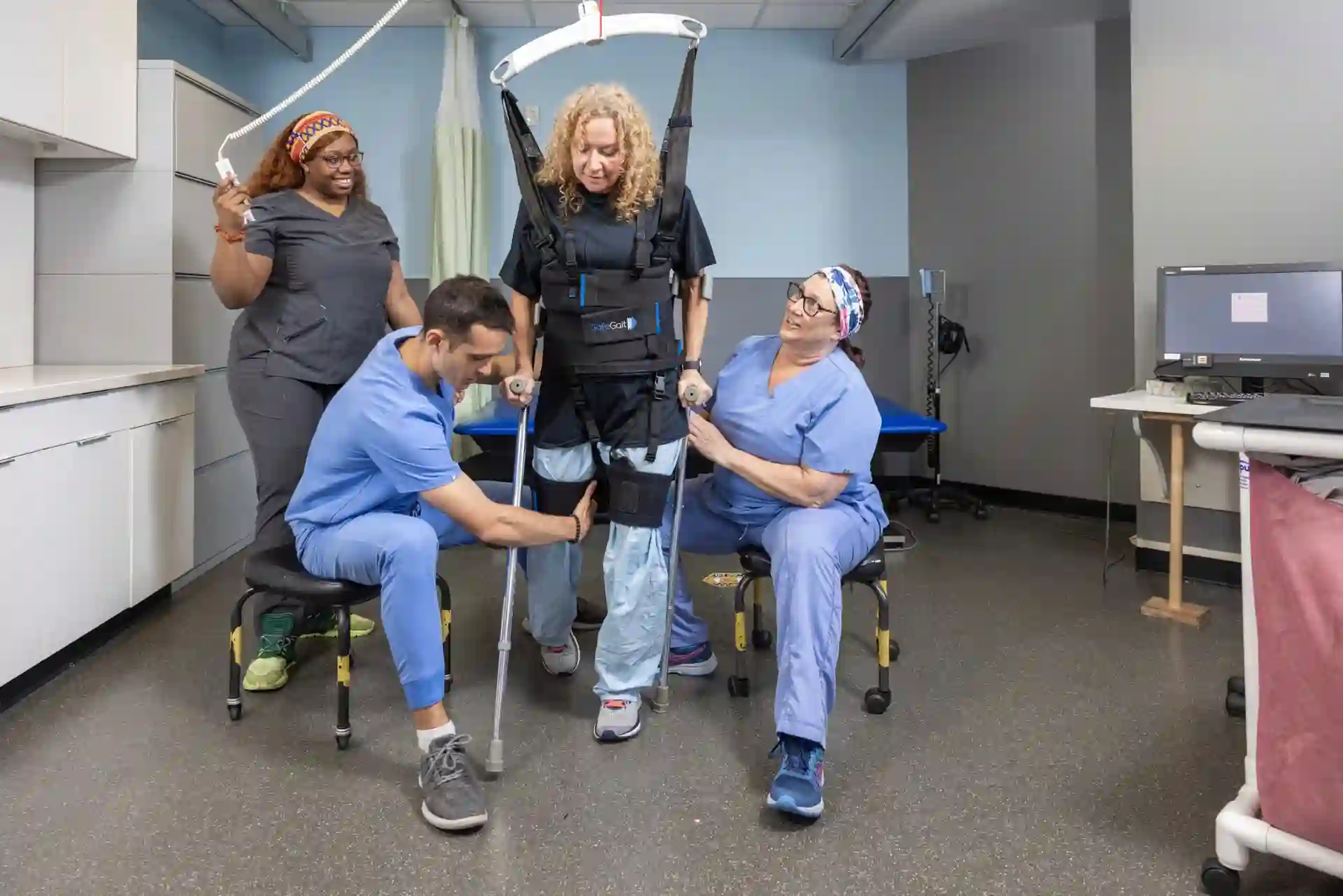
Recovery starts almost immediately after treatment.
Doctors first stabilize the patient and prevent additional brain damage. Depending on the stroke type, treatment may include clot-dissolving medications, surgery, or procedures to restore blood flow.
During hospitalization, specialists evaluate:
- Muscle strength
- Swallowing ability
- Speech
- Vision
- Memory
- Cognitive function
This assessment helps create a personalized rehabilitation plan.
Every person’s recovery journey is unique. Some improve within weeks, while others continue making progress for several years.
Physical Rehabilitation After Stroke
Physical therapy is often the foundation of stroke recovery.
Therapists help patients:
- Improve balance
- Increase muscle strength
- Restore coordination
- Relearn walking
- Improve flexibility
Simple exercises performed consistently stimulate the brain to build new neural connections.
This remarkable ability is known as neuroplasticity, allowing healthy brain areas to compensate for damaged ones over time.
Even small daily improvements eventually lead to significant gains.
Speech and Cognitive Recovery
Many stroke survivors experience communication difficulties.
Speech-language therapy helps patients improve:
- Speaking
- Reading
- Writing
- Understanding language
- Swallowing
Cognitive rehabilitation also focuses on:
- Attention
- Memory
- Problem-solving
- Decision-making
Families play an important role by practicing communication exercises at home and encouraging patience during conversations.
Recovery often continues long after formal therapy ends.
Nutrition That Supports Stroke Recovery
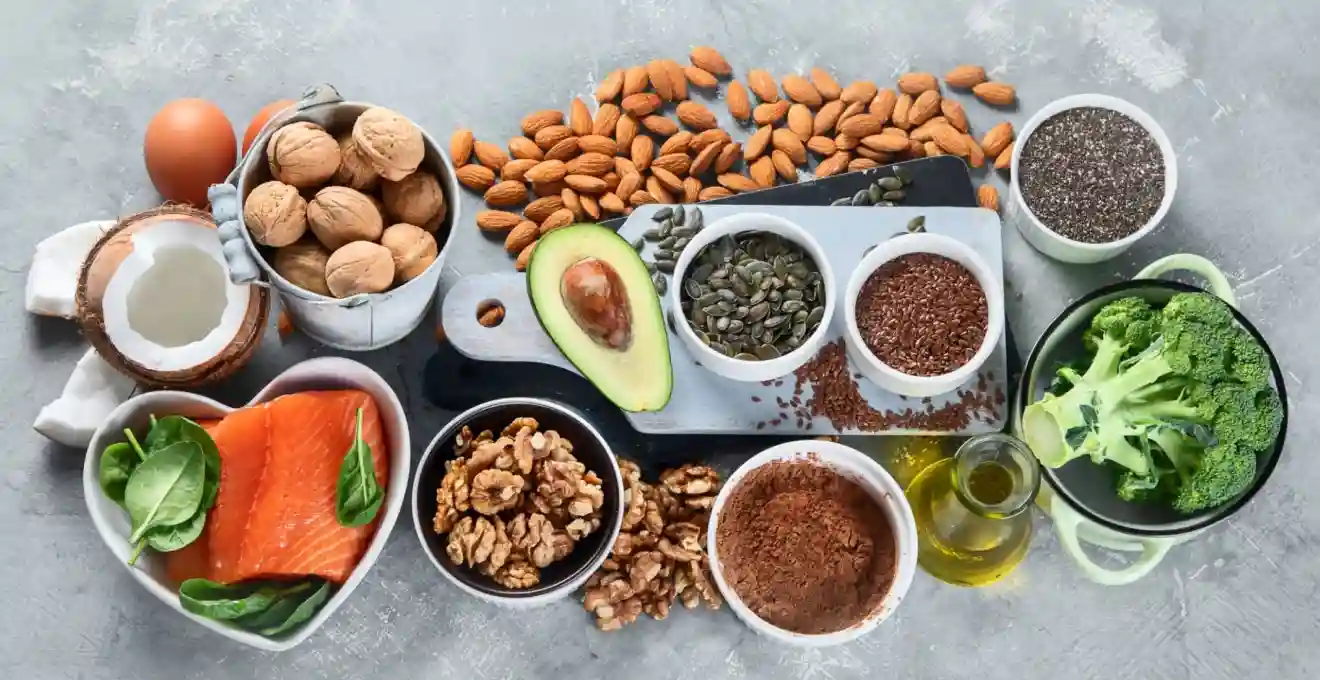
Healthy eating supports healing and lowers the risk of another stroke.
A balanced diet should include:
- Fruits
- Vegetables
- Whole grains
- Fish
- Lean protein
- Nuts
- Olive oil
Limit:
- Salt
- Added sugars
- Processed foods
- Saturated fats
- Trans fats
Staying hydrated also supports brain function and circulation.
Small dietary improvements can produce long-term health benefits.
The Importance of Exercise
Exercise remains one of the most effective recovery tools.
Depending on medical advice, activities may include:
- Walking
- Swimming
- Stationary cycling
- Stretching
- Balance training
- Resistance exercises
Regular activity improves:
- Blood circulation
- Mood
- Muscle strength
- Brain health
- Heart health
- Overall independence
Always follow the rehabilitation team’s recommendations before beginning new exercises.
Emotional Recovery Matters Too
Stroke affects emotional health just as much as physical health.
Many survivors experience:
- Anxiety
- Depression
- Frustration
- Mood changes
- Loss of confidence
These feelings are completely understandable.
Support from family members, counselors, psychologists, and stroke support groups helps individuals regain emotional strength.
Mindfulness, relaxation exercises, and hobbies also improve emotional well-being during recovery.
Preventing Another Stroke
Recovery also focuses on prevention.
Doctors usually recommend:
- Controlling blood pressure.
- Taking prescribed medications.
- Quitting smoking.
- Exercising regularly.
- Maintaining a healthy weight.
- Managing diabetes.
- Lowering cholesterol.
- Limiting alcohol intake.
- Eating a balanced diet.
- Attending regular medical checkups.
Consistent healthy habits significantly reduce future stroke risk.
Conclusion
Recovering from a stroke requires patience, determination, and a well-planned rehabilitation program. Early treatment, physical therapy, healthy nutrition, emotional support, and regular medical follow-up all contribute to better outcomes. Although recovery takes time, many survivors regain independence and enjoy fulfilling lives. Every exercise session, healthy meal, and positive step forward strengthens both the body and the brain. With the right care and support, recovery is not only possible—it is achievable.
Frequently Asked Questions
What are the causes of a stroke?
The leading causes include high blood pressure, diabetes, smoking, high cholesterol, obesity, atrial fibrillation, and unhealthy lifestyle habits. Managing these conditions greatly lowers stroke risk.
Can I recover from a stroke?
Yes. Many people recover partially or significantly through early treatment, rehabilitation, physical therapy, speech therapy, and healthy lifestyle changes. Recovery varies from person to person.
What should I do in case of a stroke?
Call emergency medical services immediately. Remember the FAST signs: Face drooping, Arm weakness, Speech difficulty, and Time to seek emergency help.
What are the five warning signs of a stroke?
Common warning signs include facial drooping, arm weakness, speech problems, sudden vision changes, and sudden loss of balance or coordination.
What are 80% of strokes caused by?
Approximately 80% of strokes are ischemic strokes, which occur when a blood clot blocks blood flow to part of the brain. Managing blood pressure and cardiovascular health is one of the best ways to reduce this risk.
⭐ Make MindLiva Your Preferred Source on Google
Get trusted health, wellness, and lifestyle articles from MindLiva.
Add MindLiva
Samie Babaei is a medical science student at Shahid Beheshti University of Medical Sciences with a strong interest in health, wellness, and medical research. As a health writer and researcher at MindLiva, she focuses on creating clear, evidence-based content that helps readers better understand health and well-being.