




Effective Home Remedies for Constipation Relief Naturally
Have you ever felt uncomfortable because your digestion feels slower than usual? Many people experience occasional digestive problems, especially when their diet, activity level, or daily routine changes.
Finding safe and simple home remedies for constipation can help support better digestive health without immediately depending on strong solutions. Small changes, such as eating more fiber, drinking enough water, and staying active, often make a noticeable difference.
In this guide, you will learn what causes digestive discomfort, which natural methods may help, how food choices affect your gut, and practical steps recommended by nutrition experts. You will also discover easy examples that can fit into everyday life.
Why Home Remedies for Constipation Can Help
The digestive system works best when it receives the right combination of nutrients, fluids, and movement.
A slow digestive process can happen for many reasons, including changes in diet, stress, low physical activity, and not drinking enough water.
For many people, simple lifestyle improvements can support normal bowel habits.
However, it is important to understand that natural remedies are not a replacement for medical care when symptoms are severe, sudden, or long-lasting.
Understanding Digestive Health and Common Causes
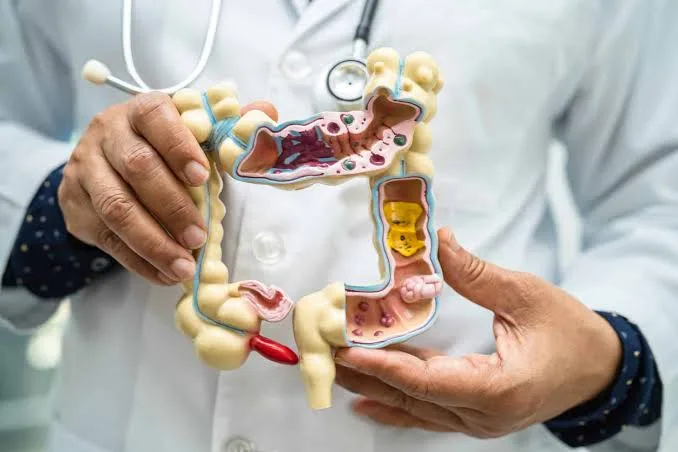
People often ask what causes constipation, but the answer is usually connected to several different factors.
Common triggers include:
- Eating too little fiber
- Drinking insufficient fluids
- Lack of physical activity
- Ignoring the urge to use the bathroom
- Changes in daily routine
- Certain medications
- Stress and anxiety
The digestive system is influenced by the entire body, so improving one area often supports another.
For example, adding more vegetables to meals may increase fiber intake while also providing vitamins, minerals, and plant compounds that support overall wellness.
Common Constipation Symptoms to Recognize
Understanding your body’s signals is an important part of digestive care.
Common constipation symptoms may include:
- Hard or dry stools
- Difficulty passing stool
- Straining during bowel movements
- Feeling that the bowel is not fully empty
- Abdominal discomfort
- Bloating
Occasional changes are common, but symptoms that continue for a long time should be discussed with a healthcare professional.
Top Home Remedies for Constipation That Support Better Digestion
Natural approaches usually work best when combined together.
Below are some of the most commonly recommended strategies.
1. Increase Fiber Intake Gradually
Fiber is one of the most important nutrients for digestive regularity.
It adds bulk to stool and helps move waste through the digestive tract more comfortably.
Good fiber sources include:
- Fruits
- Vegetables
- Beans
- Lentils
- Whole grains
- Nuts
- Seeds
A practical high-fiber foods chart for constipation can help you compare foods and plan meals with better fiber choices.
Examples of high-fiber foods include:
| Food | Fiber Benefit |
| Chia seeds | Rich in soluble fiber |
| Lentils | Supports stool bulk |
| Apples | Contains fiber and water |
| Oats | Provides gentle digestive support |
| Broccoli | Adds natural plant fiber |
However, increase fiber slowly. Adding large amounts too quickly may cause temporary gas or bloating.
2. Drink Enough Water Throughout the Day
Hydration plays a major role in digestive health.
Fiber absorbs water, which helps create softer stool that is easier to pass.
Simple hydration habits include:
- Drinking water regularly instead of waiting for thirst
- Keeping a water bottle nearby
- Choosing water-rich foods such as fruits and vegetables
Moreover, replacing sugary drinks with water can support overall health while improving hydration.
3. Stay Physically Active
Movement encourages normal digestive activity.
You do not need intense workouts to support your gut.
Simple activities can help, such as:
- Walking after meals
- Stretching
- Cycling
- Light exercise routines
For example, a daily 20–30 minute walk may support better digestion and improve overall energy.
4. Create a Healthy Bathroom Routine
Your body responds well to consistency.
Helpful habits include:
- Going when you feel the urge
- Avoiding rushing
- Creating a regular bathroom schedule
- Sitting comfortably and allowing enough time
Ignoring signals repeatedly may make bowel habits less regular.
5. Add Natural Foods That Support Digestion
Certain foods are traditionally used as gentle digestive supports.
Examples include:
Prunes
Prunes contain fiber and natural compounds that may support bowel movement frequency.
Kiwi
Kiwi provides fiber and water content that can support digestive comfort.
Flaxseeds
Ground flaxseeds contain fiber and healthy fats that may benefit digestion.
Yogurt With Probiotics
Some probiotic foods may support a healthier balance of gut bacteria.
How Diet Choices Influence Digestive Comfort
A balanced eating pattern is one of the strongest foundations for digestive health.
Try building meals around:
Breakfast
- Oatmeal with berries and chia seeds
Lunch
- Vegetable soup with beans and whole-grain bread
Dinner
- Brown rice with vegetables and lean protein
Snacks
- Apples
- Nuts
- Fresh fruit
These choices provide fiber while also supplying important nutrients.
Can Certain Medications Affect Digestion?
Some medications and supplements may influence bowel habits.
Many people ask, does iron cause constipation because iron supplements can cause digestive changes in some individuals.
The effect varies depending on the person and the type of supplement.
If you notice changes after starting a medication, speak with your healthcare provider before making adjustments.
Do Steroids Affect Bowel Movements?
Another common question is do steroids cause constipation.
Steroids are not considered a common direct cause of constipation for everyone, but some people may notice digestive changes depending on their medication, dosage, and overall health.
Tracking symptoms and discussing concerns with a healthcare professional is the safest approach.
Special Considerations During Pregnancy
Digestive changes are common during pregnancy.
Constipation during pregnancy may happen because hormonal changes can slow digestion and the growing uterus can put pressure on the digestive system.
Helpful approaches may include:
- Eating more fiber-rich foods
- Drinking enough fluids
- Staying active when medically appropriate
- Discussing safe options with a doctor
Pregnant individuals should always consult a healthcare professional before using supplements or medications.
More Effective Home Remedies for Constipation Relief Naturally
Building better digestive habits takes consistency. While one change may help, combining several healthy practices often provides stronger results.
The digestive system responds to daily patterns, so a balanced approach is usually more effective than searching for a single quick solution.
What Helps With Constipation? Expert-Recommended Daily Habits
Many people ask what helps with constipation because they want practical solutions that fit their lifestyle.
Nutrition experts often recommend focusing on these areas:
Eat More Whole Foods
Whole foods naturally contain fiber, water, and important nutrients.
Instead of relying heavily on processed meals, include:
- Fresh fruits
- Vegetables
- Legumes
- Whole grains
- Seeds and nuts
These foods support a healthier digestive environment.
Reduce Highly Processed Foods
Foods low in fiber may slow digestion.
Examples include:
- White bread
- Many packaged snacks
- Highly processed meals
- Foods with little plant content
Replacing even one processed snack each day with fruit or nuts can gradually improve your diet quality.
Manage Stress Levels
The brain and digestive system are closely connected.
Stress may influence digestion by affecting gut movement and appetite.
Helpful stress-management habits include:
- Deep breathing exercises
- Regular physical activity
- Adequate sleep
- Relaxation practices
Moreover, maintaining a consistent routine can support both mental and digestive wellness.
How to Relieve Constipation Naturally
Many people search for how to relieve constipation because they want comfortable and simple solutions.
A few practical steps include:
- Drink a glass of water after waking up.
- Add fiber-rich foods to every major meal.
- Move your body daily.
- Avoid delaying bathroom visits.
- Maintain regular meal times.
For some people, these adjustments may improve bowel regularity within days or weeks.
However, results vary depending on the cause and overall health.
Natural Constipation Relief Options
Finding effective constipation relief often requires understanding your body’s needs.
Some people benefit from:
Warm Fluids
Warm drinks may encourage digestive activity and help increase daily fluid intake.
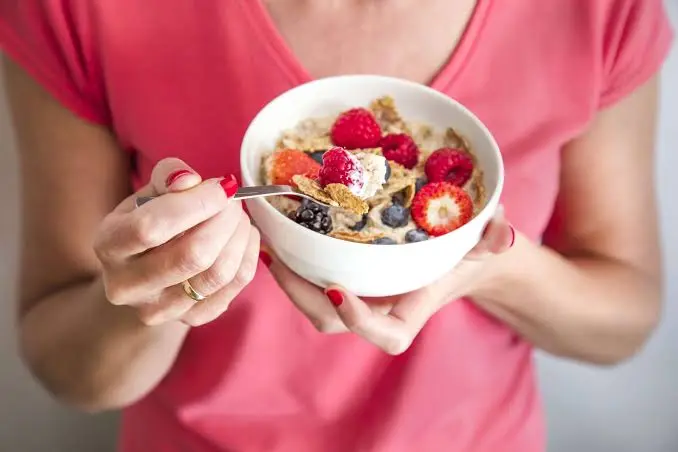
High-Fiber Breakfasts
Starting the day with oatmeal, fruit, or whole-grain foods provides early fiber support.
Healthy Fats
Foods such as avocado, nuts, and olive oil can be part of a balanced eating plan.
Regular Movement
Physical activity supports natural intestinal movement.
Constipation Relief for Adults: Long-Term Strategies
For constipation relief for adults, long-term habits are often more valuable than temporary fixes.
A sustainable routine may include:
- Eating enough fiber every day
- Drinking enough water
- Exercising regularly
- Limiting highly processed foods
- Creating consistent bathroom habits
For example, someone who replaces a low-fiber breakfast with oatmeal, fruit, and seeds may gradually improve their daily fiber intake without making extreme diet changes.
When Home Remedies Are Not Enough
Natural approaches are helpful for many people, but they are not suitable for every situation.
Contact a healthcare professional if you experience:
- Severe abdominal pain
- Blood in stool
- Unexplained weight loss
- Persistent vomiting
- Sudden changes in bowel habits
- Symptoms that continue despite lifestyle improvements
These signs may require further evaluation.
Common Mistakes People Make When Trying Home Remedies
Even healthy intentions can sometimes create problems.
Avoid these common mistakes:
Adding Too Much Fiber Too Quickly
A sudden increase in fiber may cause:
- Gas
- Bloating
- Abdominal discomfort
Increase fiber gradually while drinking enough water.
Depending Only on One Food
No single food can solve every digestive issue.
A variety of fiber sources provides better nutritional support.
Ignoring Hydration
Eating more fiber without enough fluids may not provide the expected results.
Water and fiber work together.
Using Remedies Without Understanding the Cause
Digestive problems can happen for different reasons.
Understanding your lifestyle, diet, medications, and health history helps create a better solution.
Simple One-Day Digestive-Friendly Meal Plan
A practical meal plan can make healthy choices easier.
Morning
- Warm water
- Oatmeal with berries and ground flaxseed
Mid-Morning Snack
- Apple with almonds
Lunch
- Lentil soup
- Vegetable salad
- Whole-grain bread
Afternoon Snack
- Yogurt with fruit
Dinner
- Brown rice
- Steamed vegetables
- Beans or lean protein
Evening
- Herbal tea or water
This type of eating pattern provides fiber throughout the day instead of adding it all at once.
The Importance of Listening to Your Body
Everyone’s digestive system is different.
Some people notice improvements quickly after changing their diet, while others need more time or professional guidance.
Keeping track of:
- Foods you eat
- Water intake
- Activity levels
- Digestive changes
can help identify patterns.
Personal awareness is one of the most useful tools for improving long-term health.
Expert Insight: Small Changes Create Lasting Results
One important lesson from nutrition research is that successful health changes usually come from realistic habits.
People often search for immediate answers, but digestion responds best to consistency.
Adding an extra serving of vegetables, drinking more water, or taking a daily walk may seem simple, but these actions can create meaningful improvements over time.
Conclusion
Effective home remedies for constipation are usually based on simple, science-supported habits: eating enough fiber, drinking sufficient water, staying active, and maintaining a healthy routine.
Understanding your digestive patterns allows you to choose better solutions instead of relying on temporary fixes.
While occasional digestive discomfort is common, ongoing symptoms should not be ignored. A balanced diet, mindful lifestyle choices, and professional advice when needed can help support better digestive health.
In short, the best approach is not one magic remedy but a combination of small, consistent steps that support your body every day.
Frequently Asked Questions
How can I relieve constipation fast?
Drinking enough water, eating fiber-rich foods, moving your body, and trying foods like prunes or kiwi may help support faster relief. Severe or persistent symptoms require medical advice.
What simple trick empties your bowels?
There is no guaranteed instant trick, but a morning routine with water, movement, and a fiber-rich breakfast may encourage regular bowel habits.
What can I drink to relieve constipation fast?
Water is one of the most important choices. Warm fluids, herbal drinks, and adequate hydration may also support digestive comfort.
How can I prevent constipation fast?
Build daily habits such as eating fiber-rich foods, drinking enough fluids, staying active, and maintaining a consistent bathroom routine.
What not to do when constipated?
Avoid ignoring the urge to use the bathroom, suddenly adding excessive fiber, staying inactive for long periods, and relying on frequent laxative use without medical guidance.