



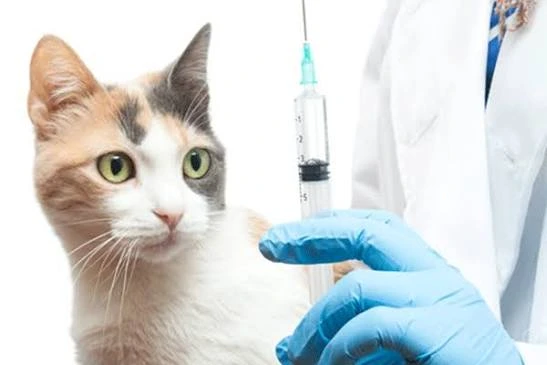
The Importance of Free Cat Vaccinations for Indoor Cats
Does your cat spend every day safely inside your home? If so, you might wonder whether vaccines are really necessary. Many pet owners assume indoor cats face little or no risk of infectious diseases. However, viruses and bacteria can still find their way indoors through shoes, clothing, visitors, or even another pet.
That is why free cat vaccinations have become an important resource for families who want to keep their pets healthy without spending hundreds of dollars. Across many communities, shelters, charities, and veterinary organizations offer low-cost or free vaccination programs that help protect cats from dangerous illnesses.
In this guide, you’ll learn why indoor cats still need vaccines, where to find free vaccination clinics, who qualifies for assistance, and how preventive care can save both lives and money.
Why Free Cat Vaccinations Matter More Than Ever
Vaccines are one of the greatest achievements in veterinary medicine. They help the immune system recognize harmful viruses before they cause severe disease.
Even if your cat never leaves your apartment, unexpected situations can happen. For example:
- Your cat may escape outside.
- A rescue kitten may enter your home.
- Wildlife may visit your backyard.
- You may need emergency boarding.
- A veterinary visit may expose pets to contagious illnesses.
Because of these possibilities, prevention remains far easier—and less expensive—than treatment.
Moreover, many animal welfare organizations now recognize that financial hardship should never stop owners from protecting their pets. That is why free vaccination programs continue expanding across many cities.
How Vaccines Protect Indoor Cats
Indoor living reduces many risks, but it cannot eliminate them completely.
Viruses are surprisingly resilient. Some survive for hours or even days on clothing, shoes, carriers, blankets, and food bowls.
Vaccines prepare the immune system before exposure occurs.
Instead of becoming seriously ill, vaccinated cats usually fight infections much more effectively.
Common diseases prevented by vaccines include:
- Feline panleukopenia
- Feline herpesvirus
- Calicivirus
- Rabies
- Feline leukemia (for at-risk cats)
These illnesses may sound uncommon, yet outbreaks still occur every year in shelters and neighborhoods around the world.
Where to Find Free Cat Vaccinations
Finding free veterinary services is often easier than many people expect.
Several organizations regularly organize vaccination events.
Animal Shelters
Local shelters often receive grants that allow them to vaccinate pets at little or no cost.
Many hold seasonal wellness clinics that include:
- Core vaccines
- Basic health exams
- Microchipping
- Deworming
Appointments may fill quickly, so early registration is recommended.
Nonprofit Animal Organizations
Many charities focus on keeping pets healthy while reducing shelter overcrowding.
These organizations frequently offer:
- Free vaccine days
- Community outreach events
- Mobile veterinary clinics
- Assistance for low-income families
Some programs even include transportation for elderly pet owners.
Veterinary Schools
Universities with veterinary programs sometimes provide discounted preventive care.
Students perform services under licensed veterinarians, making care both affordable and high quality.
This option benefits both future veterinarians and local communities.
Local Government Programs
Some city governments support public vaccination campaigns.
These events often focus on preventing rabies outbreaks while improving overall animal health.
Check your municipality’s animal services department for upcoming clinics.
Who Qualifies for Free Cat Vaccinations?
Eligibility varies depending on the organization.
However, many programs are designed for:
- Low-income households
- Senior citizens
- Veterans
- Rescue organizations
- Foster caregivers
- Families receiving public assistance
Some clinics provide vaccines to every pet owner regardless of income.
Others simply ask for proof of residency.
Fortunately, application processes are usually simple and straightforward.
Core Vaccines Every Indoor Cat Should Receive
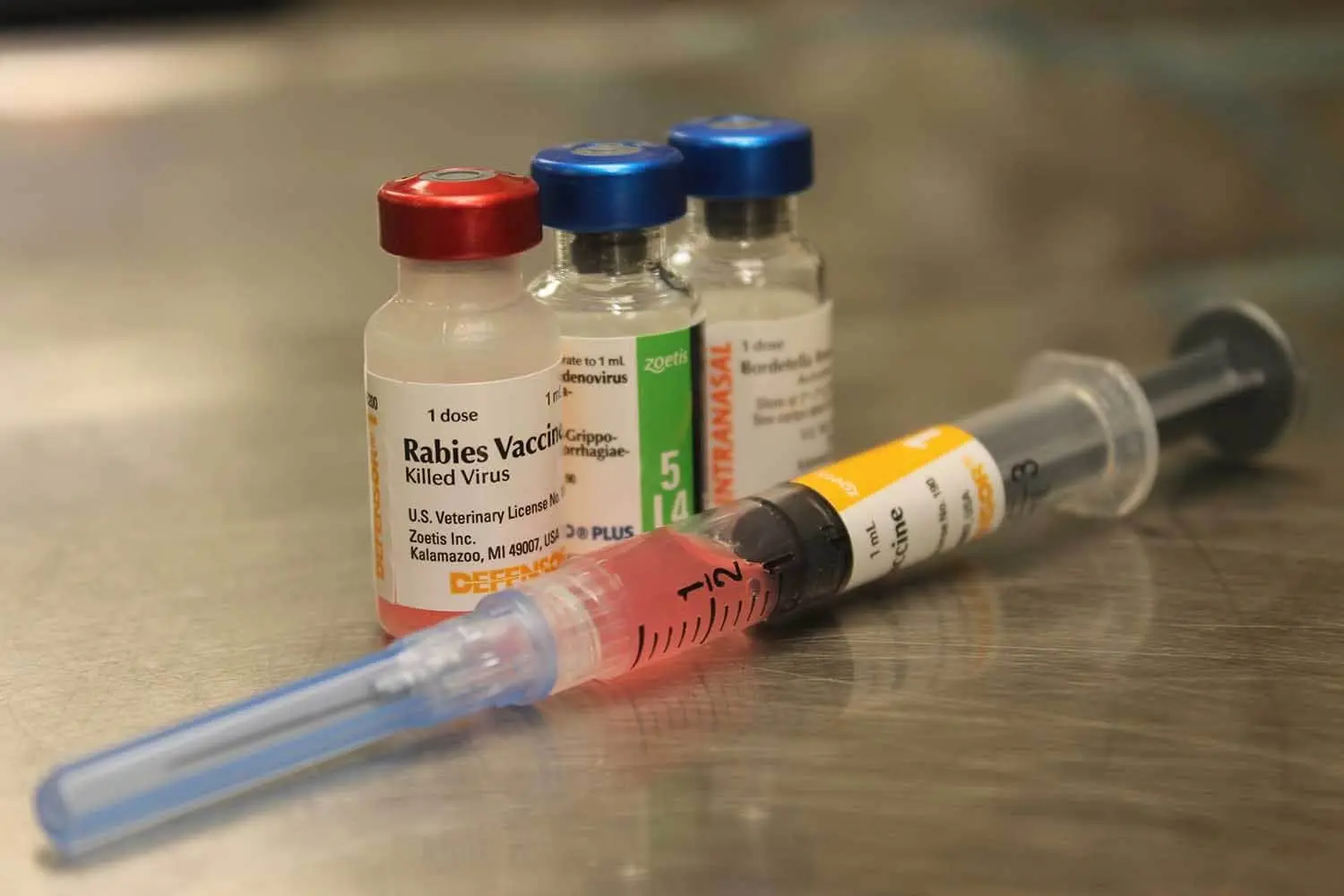
Veterinary experts generally recommend several essential vaccines for nearly every cat.
FVRCP Vaccine
Often called the “3-in-1 vaccine,” this protects against:
- Feline viral rhinotracheitis
- Calicivirus
- Panleukopenia
These diseases spread rapidly between cats and can become life-threatening, especially for kittens.
Rabies Vaccine
Rabies remains one of the deadliest viral diseases known.
Even indoor cats may legally require rabies vaccination depending on local regulations.
In addition, rabies vaccination protects both pets and people.
Feline Leukemia Vaccine
Not every indoor cat needs this vaccine.
However, cats that:
- Go outdoors occasionally
- Live with infected cats
- Spend time in boarding facilities
may benefit from additional protection.
Your veterinarian can help determine whether this vaccine is appropriate.
Why Prevention Costs Less Than Treatment
Many owners hesitate because they worry about veterinary expenses.
Ironically, vaccines are among the least expensive forms of healthcare.
Consider this comparison.
| Preventive Care | Potential Treatment Cost |
| Vaccine clinic | Low |
| Hospitalization | Very High |
| Intensive care | Extremely High |
| Long-term medication | Ongoing expense |
A single hospitalization for panleukopenia may cost hundreds—or even thousands—of dollars.
Meanwhile, free community vaccination clinics eliminate much of that financial burden.
Therefore, prevention is not only healthier but also more economical.
Common Myths About Indoor Cats
Many misconceptions still circulate online.
Let’s separate fact from fiction.
Myth 1: Indoor Cats Never Get Sick
Reality:
Indoor cats become ill every year from infectious diseases carried indoors accidentally.
Myth 2: Vaccines Are Only for Kittens
Reality:
Adult cats need booster vaccines throughout life to maintain protection.
Immunity naturally decreases over time.
Myth 3: Healthy Cats Don’t Need Vaccines
Reality:
Healthy cats benefit the most because vaccines prevent disease before infection occurs.
Waiting until illness develops defeats the purpose of preventive medicine.
Understanding Vaccine Timing
Every cat should follow a vaccination plan based on age, health status, and lifestyle.
Kittens usually receive several doses during their first months of life because their immune systems are still developing.
As they grow, veterinarians recommend booster shots to maintain long-term protection. Following a proper cat vaccinations schedule helps ensure your pet remains protected during every stage of life.
Likewise, adults need routine veterinary checkups to determine when boosters are due. Skipping appointments may leave immunity weaker than expected.
Can Vaccination Save Money in the Long Run?
Absolutely.
Emergency treatment for preventable diseases often costs many times more than routine preventive care.
Families who take advantage of free cat vaccinations not only reduce healthcare costs but also avoid emotional stress if a beloved pet becomes seriously ill.
In addition, vaccinated cats are more likely to meet boarding, travel, and adoption requirements, making future plans much easier.
Are Cheapest Cat Vaccinations Always the Best Option?
Many pet owners search for the cheapest cat vaccinations because they want to save money while protecting their pets. Fortunately, affordable care does not always mean lower quality.
Community clinics, nonprofit organizations, and mobile veterinary services often use the same vaccines that private veterinary hospitals use. The biggest difference is that these programs receive grants, donations, or government funding to lower costs for pet owners.
However, be cautious of offers that seem unusually cheap without clear information about the provider. Always choose licensed veterinarians or recognized animal welfare organizations.
Before booking an appointment, check these points:
- The clinic is licensed.
- Vaccines are stored correctly.
- Medical records are provided.
- Staff answer your questions clearly.
- Follow-up care is available if needed.
A trustworthy provider offers both affordability and professional care.
Are There Any Cat Vaccinations Side Effects?
Like any medical treatment, vaccines can cause mild reactions. Fortunately, serious complications are extremely rare.
Most cats feel completely normal after vaccination. Others may experience minor symptoms that disappear within a day or two.
Mild Side Effects
Common temporary reactions include:
- Slight tiredness
- Mild soreness at the injection site
- Sleeping more than usual
- Reduced appetite for one day
- Low-grade fever
These reactions show that the immune system is responding as expected.
When Should You Contact a Veterinarian?
Seek veterinary attention if your cat develops:
- Difficulty breathing
- Facial swelling
- Continuous vomiting
- Severe weakness
- Collapse
- Symptoms lasting more than 48 hours
Although these reactions are uncommon, prompt treatment is important.
Why Yearly Cat Vaccinations Still Matter
Many owners ask whether vaccines last forever.
The answer is no.
Some vaccines protect cats for several years, while others require boosters based on your veterinarian’s recommendations, your location, and your cat’s lifestyle.
For this reason, many clinics recommend yearly cat vaccinations or regular wellness visits to review your pet’s immunity.
Think of vaccination as ongoing protection rather than a one-time event.
Regular checkups also allow veterinarians to detect dental disease, weight problems, arthritis, and other health conditions early.
Why Vaccination Is Better Than Treating Disease
Imagine two indoor cats.
The first receives routine preventive care.
The second never receives vaccines because the owner believes indoor living is enough.
Months later, both cats accidentally escape outdoors for several hours.
The vaccinated cat returns home safely and remains healthy.
The unvaccinated cat becomes exposed to a contagious virus and requires emergency hospitalization.
This example shows why prevention is always the safer and less expensive choice.
As veterinarians often say, preventing disease is easier than curing it.
Why Families with Multiple Pets Should Plan Ahead

Households with several pets should pay extra attention to preventive care.
Even if one animal never leaves the house, another pet might.
This is especially important for families with dog and cat vaccinations scheduled around the same time.
Planning annual wellness visits together can:
- Save travel time
- Reduce veterinary costs
- Keep medical records organized
- Ensure every pet stays protected
Many veterinary clinics also offer discounts for multiple pets.
Expert Tips for Keeping Indoor Cats Healthy
Vaccines are only one part of a complete health plan.
To help your indoor cat live a longer, healthier life:
- Feed a balanced, high-quality diet.
- Keep fresh water available every day.
- Schedule regular veterinary checkups.
- Maintain a healthy weight.
- Clean litter boxes daily.
- Provide scratching posts and climbing areas.
- Encourage daily play and exercise.
- Use parasite prevention when recommended.
Recent Trends in Free Vaccination Programs
In recent years, many communities have expanded free vaccination events because rising veterinary costs have made preventive care harder for some families.
Animal shelters and nonprofit groups increasingly partner with local veterinarians to host:
- Weekend vaccine clinics
- Mobile vaccination vans
- Community pet wellness fairs
- Low-income assistance programs
This growing trend benefits both pets and communities by reducing disease outbreaks and lowering shelter admissions.
For cat owners, these programs offer an excellent opportunity to protect pets without financial strain.
Conclusion
Indoor cats may live safer lives than outdoor cats, but they are not immune to infectious diseases. Viruses can enter the home in unexpected ways, making preventive healthcare essential.
Fortunately, free cat vaccinations make it easier for families to provide lifesaving protection without stretching their budgets. Whether offered through animal shelters, nonprofit organizations, veterinary schools, or local government programs, these services help thousands of cats stay healthy every year.
The best approach is simple: don’t wait until illness appears. Schedule preventive care, keep vaccination records updated, and talk with your veterinarian about the vaccines your cat truly needs.
A few minutes at a vaccination clinic today can help protect your companion for years to come.
Frequently Asked Questions
What is the 3 in 1 vaccine for cats?
The 3-in-1 vaccine protects against feline viral rhinotracheitis, calicivirus, and panleukopenia. It is considered one of the core vaccines for most cats.
How much do cat vaccinations cost?
Costs vary by location and provider. Private clinics may charge anywhere from $20 to over $100 per vaccine, while community programs may offer free cat vaccinations or low-cost services.
Are anti-rabies free for cats?
Sometimes. Many local governments, nonprofit organizations, and animal shelters provide free or discounted rabies vaccination events during community health campaigns.
Can I vaccinate my cat myself?
It is not recommended. Vaccines require proper storage, handling, and administration by trained professionals. A veterinarian can also perform a health check before vaccination.
Can a cat survive without vaccines?
Some unvaccinated cats may never become seriously ill, but they remain at much higher risk of preventable diseases. Vaccination is the safest way to protect your cat’s long-term health.
⭐ Make MindLiva Your Preferred Source on Google
Get trusted health, wellness, and lifestyle articles from MindLiva.
Add MindLiva
Samie Babaei is a medical science student at Shahid Beheshti University of Medical Sciences with a strong interest in health, wellness, and medical research. As a health writer and researcher at MindLiva, she focuses on creating clear, evidence-based content that helps readers better understand health and well-being.