



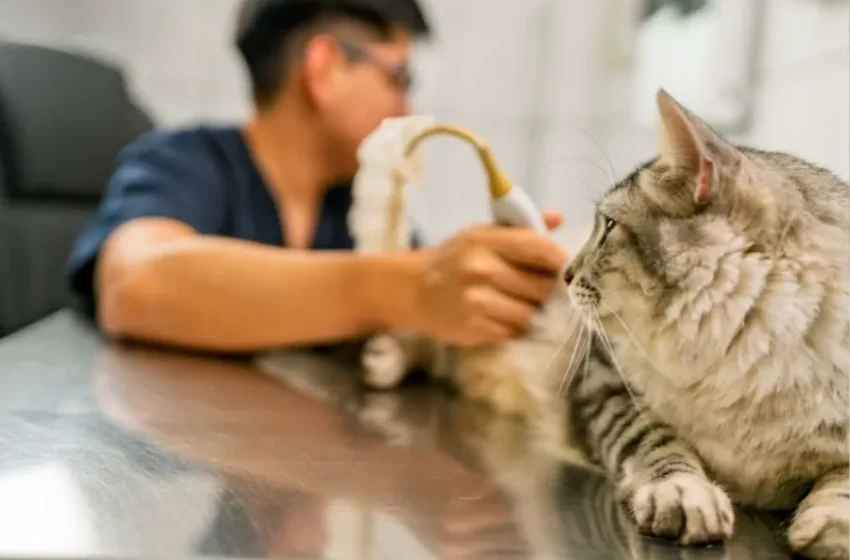
Top Benefits of Pet Wellness Exams Lynwood for Seniors
Have you noticed your senior pet sleeping more, moving slower, or changing small daily habits? Aging is a natural part of life, but many changes that seem normal can actually be early signs of health problems.
This is why pet wellness exams Lynwood are so important for older dogs and cats. Senior pets often require more detailed monitoring because they have a higher risk of developing conditions such as arthritis, dental disease, kidney problems, and weight-related issues.
In this guide, we will explore the biggest benefits of senior pet wellness visits, how veterinarians support aging animals, what happens during these exams, and why preventive healthcare can help your companion enjoy a more comfortable life.
Why Pet Wellness Exams Lynwood Are Important for Senior Pets
Senior pets bring years of companionship, loyalty, and emotional connection to families. However, as animals age, their bodies experience changes that require additional attention.
Unlike younger pets, older animals may develop health issues that progress slowly. Because pets cannot explain when they feel discomfort, regular veterinary monitoring becomes essential.
Pet wellness exams Lynwood focus on identifying small changes before they become major concerns.
For example, a senior dog that avoids stairs may not simply be “getting old.” The behavior could indicate joint pain, muscle weakness, or another medical issue. Similarly, an older cat drinking more water than usual could have an underlying kidney or metabolic condition.
Moreover, early detection often allows veterinarians to create treatment plans that are simpler, more affordable, and more effective.
How Senior Pet Wellness Exams Improve Quality of Life
The goal of senior pet care is not only to extend lifespan but also to improve daily comfort and happiness.
Aging pets can continue enjoying their favorite activities when their health needs are properly managed.
Benefits of Regular Senior Pet Checkups
Routine wellness visits can help with:
- Early disease detection
- Better pain management
- Improved nutrition planning
- Weight control
- Mobility support
- Dental health monitoring
- Behavioral evaluation
In short, preventive veterinary care helps owners make informed decisions instead of waiting for emergencies.
What Happens During Pet Wellness Exams Lynwood for Older Pets?

Many owners wonder what makes senior pet examinations different from regular checkups.
While basic physical evaluations are similar, senior wellness exams often include additional assessments because older animals have different health risks.
Complete Physical Examination
During a senior wellness visit, veterinarians typically evaluate:
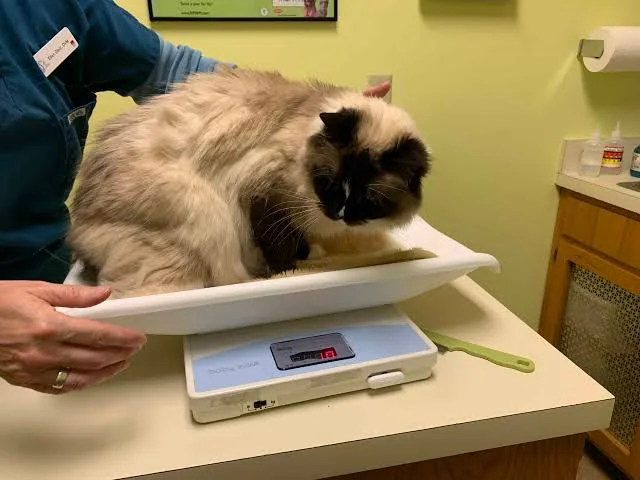
Weight and Body Condition
Weight changes can provide important health information.
Unexpected weight loss may be linked to:
- Dental problems
- Digestive issues
- Kidney disease
- Hormonal disorders
Weight gain, on the other hand, can increase pressure on joints and contribute to mobility problems.
A veterinarian can recommend dietary adjustments and activity changes based on your pet’s condition.
Joint and Mobility Assessment
Arthritis is one of the most common concerns among aging pets.
Signs may include:
- Difficulty climbing stairs
- Less interest in playing
- Stiffness after resting
- Trouble jumping onto furniture
During an examination, veterinarians check movement patterns and joint flexibility.
For example, a senior dog that struggles during walks may benefit from a modified exercise routine, joint support, or pain management plan.
Dental Health Evaluation
Dental disease becomes more common as pets age.
Poor oral health can cause:
- Chronic pain
- Difficulty eating
- Gum infections
- Reduced quality of life
Regular dental assessments allow veterinarians to identify problems early.
A simple dental issue can become more serious if bacteria spread from the mouth to other areas of the body.
Early Detection: The Biggest Advantage of Pet Wellness Exams Lynwood
One of the strongest reasons for regular senior pet visits is early diagnosis.
Many age-related diseases develop gradually. By the time symptoms become obvious, the condition may already be advanced.
Veterinary exams help identify warning signs through:
- Physical evaluations
- Blood tests
- Urine testing
- Imaging when necessary
- Health history reviews
Common Senior Pet Health Problems Detected Early
Kidney Disease
Kidney problems are common, especially in older cats.
Early monitoring can help veterinarians recommend:
- Dietary changes
- Hydration support
- Medication when needed
- Regular follow-up testing
Heart Conditions
Some heart problems develop quietly.
Routine examinations allow veterinarians to listen for unusual heart sounds and recommend additional testing if needed.
Diabetes and Metabolic Disorders
Changes in thirst, appetite, and weight can sometimes indicate metabolic problems.
Early identification helps create better management strategies.
The Role of Nutrition in Senior Pet Wellness Care
Nutrition plays a major role in helping older pets maintain strength and energy.
A senior animal’s dietary needs are often different from those of a younger pet.
Veterinarians may recommend changes involving:
- Protein levels
- Calories
- Joint-support nutrients
- Digestive support
- Supplements
For example, a senior dog with arthritis may benefit from nutritional support designed to maintain joint health.
Likewise, an older cat with kidney concerns may need a specialized diet recommended by a veterinary professional.
The concept of pet wellness includes daily habits such as proper nutrition, exercise, preventive care, and emotional support.
Comparing Routine Pet Exams and Senior Pet Wellness Exams
Senior pets often need more detailed monitoring than younger animals.
| Regular Pet Exams | Senior Pet Wellness Exams |
| General health monitoring | Focus on age-related changes |
| Basic physical evaluation | More detailed screening |
| Lifestyle recommendations | Chronic condition monitoring |
| Preventive vaccinations | Additional testing when needed |
However, every pet is unique. Some younger animals may require additional care because of breed risks or existing health conditions.
How Pet Owners Can Prepare for a Senior Wellness Appointment
A successful veterinary visit starts with good preparation.
Before attending pet wellness exams Lynwood, owners should observe their pet’s daily behavior and bring useful information.
Helpful Information to Share With Your Veterinarian
Mention:
- Changes in appetite
- New behaviors
- Sleep patterns
- Bathroom habits
- Medication use
- Activity changes
For example, if your cat has started hiding more often, this information may help the veterinarian investigate possible pain, stress, or illness.
Writing down questions before the appointment also ensures important concerns are discussed.
How Technology Is Improving Pet Wellness Exams Lynwood

Veterinary medicine has changed significantly in recent years. Today, advanced technology allows veterinarians to detect health concerns earlier and provide more personalized care for senior pets.
Modern pet wellness exams Lynwood may include digital health records, advanced laboratory testing, and improved diagnostic tools that help create a complete picture of an aging pet’s condition.
Digital Health Records for Better Monitoring
One major improvement in veterinary care is the use of digital medical records.
These records allow veterinarians to track:
- Weight changes over time
- Previous illnesses
- Medication history
- Vaccination schedules
- Laboratory results
For example, a small weight decrease may not seem serious during one visit. However, when compared with previous records, it may reveal a pattern that requires further investigation.
Moreover, consistent health tracking helps veterinarians make better decisions based on real information rather than guesswork.
Why Preventive Care Can Extend a Senior Pet’s Lifespan
Many pet owners hope their companions live longer, healthier lives. While aging cannot be stopped, proper healthcare can greatly improve a pet’s comfort and wellbeing.
Regular wellness visits help identify risks early and allow veterinarians to create long-term care strategies.
Preventive care can support:
- Stronger mobility
- Better nutrition
- Disease management
- Pain prevention
- Improved daily comfort
For example, a senior dog diagnosed with early arthritis may continue enjoying walks if the condition is managed properly.
Similarly, a cat with early kidney concerns may maintain a better quality of life through dietary changes and regular monitoring.
In short, wellness exams are not only about finding diseases; they are about helping pets age successfully.
How Pet Wellness Exams Lynwood Compare With Other Locations
Veterinary needs may vary depending on location, lifestyle, and available services.
For example, urban areas may have different challenges compared with smaller communities. Busy environments, indoor lifestyles, and limited exercise opportunities can influence pet health.
Some pet owners researching preventive veterinary services may also look into pet wellness exams New York as a comparison when exploring different healthcare options.
Although locations differ, the purpose remains the same: providing early detection, professional guidance, and preventive support.
Likewise, specialized programs such as senior pet wellness exams Kirkland focus on helping older animals manage age-related health changes through regular evaluations and personalized recommendations.
The most important factor is choosing a veterinary approach that matches your pet’s specific needs.
Signs Your Senior Pet May Need a Wellness Visit
Regular checkups are important even when pets appear healthy. However, certain signs should encourage owners to schedule an appointment sooner.
Watch for:
- Sudden weight changes
- Reduced appetite
- Increased thirst
- Difficulty walking
- Changes in sleeping habits
- Unusual aggression or hiding
- Less interest in activities
- Changes in bathroom routines
These signs do not always mean something serious is wrong. However, they deserve professional evaluation.
For example, a dog that no longer wants to play may have joint discomfort rather than simply losing interest.
Early attention can make a significant difference.
Expert Tips for Keeping Senior Pets Healthy Between Exams
Veterinary visits are essential, but daily care at home has an equally important role.
Experts recommend several simple strategies for supporting older pets.
1. Maintain a Healthy Weight
Extra weight places additional pressure on joints and organs.
Owners should:
- Measure food portions
- Limit unnecessary treats
- Follow veterinary nutrition advice
A healthy weight can improve mobility and reduce the risk of chronic conditions.
2. Provide Gentle Exercise
Senior pets still benefit from movement.
Appropriate activities may include:
- Short walks
- Gentle play sessions
- Indoor movement activities
Exercise supports muscle strength and mental stimulation.
However, activities should be adjusted based on the pet’s comfort level.
3. Create a Comfortable Home Environment
Older pets may appreciate small changes such as:
- Softer bedding
- Easier access to food and water
- Ramps or steps
- Warm resting areas
These adjustments can make daily life easier for pets experiencing mobility changes.
4. Monitor Behavior Carefully
Behavior is often one of the first signs that something has changed.
Owners know their pets better than anyone else. Paying attention to small differences can help identify problems early.
The Emotional Benefits of Supporting Senior Pets
Senior pets often have a special bond with their families. After many years together, owners understand their personalities, habits, and routines.
Maintaining their health is not only a medical responsibility; it is also an emotional commitment.
Regular wellness care allows families to enjoy more quality time together.
A comfortable senior pet can continue:
- Spending time with family members
- Enjoying outdoor activities
- Playing gently
- Providing companionship
Moreover, proactive healthcare can reduce stress for both pets and owners because decisions are made before emergencies happen.
The Future of Senior Pet Healthcare
The future of veterinary medicine is moving toward more personalized care.
Researchers and veterinary professionals are exploring new approaches that may improve senior animal health, including:
- Advanced diagnostic testing
- Personalized nutrition plans
- Improved pain management techniques
- Remote health monitoring
- Better preventive strategies
This trend reflects a growing understanding that pets deserve comprehensive healthcare throughout their entire lives.
Senior animals are not simply “old pets.” They are companions who deserve comfort, attention, and quality care.
Conclusion
Aging is a natural process, but senior pets can continue living happy and comfortable lives with the right support.
Pet wellness exams Lynwood provide an essential foundation for senior pet healthcare by focusing on prevention, early detection, and personalized treatment plans.
Regular veterinary visits help identify hidden problems, manage age-related changes, and improve everyday comfort.
From nutrition guidance to mobility support, wellness examinations give owners the knowledge needed to make better healthcare decisions.
Whether your pet is entering its senior years or already enjoying a long life beside you, preventive care is one of the greatest gifts you can provide.
A healthy senior pet means more peaceful days, more loving memories, and more valuable time together.
Frequently Asked Questions
1. How often should senior pets have wellness exams?
Senior pets usually benefit from veterinary checkups more frequently than younger animals. Many veterinarians recommend visits every six months, depending on the pet’s health condition.
2. What happens during senior pet wellness exams Lynwood?
These exams typically include a physical evaluation, weight check, dental assessment, lifestyle discussion, and possible testing based on age and health risks.
3. Can wellness exams detect diseases before symptoms appear?
Yes. Routine examinations and screening tests can identify early signs of conditions such as kidney disease, arthritis, and metabolic disorders.
4. Are senior pets too old for treatment?
No. Age alone does not determine treatment options. Many older pets respond well to proper medical care and lifestyle adjustments.
5. How can I help my senior pet stay healthy at home?
Provide balanced nutrition, appropriate exercise, comfortable living conditions, and regular veterinary care to support healthy aging.
⭐ Make MindLiva Your Preferred Source on Google
Get trusted health, wellness, and lifestyle articles from MindLiva.
Add MindLiva
Samie Babaei is a medical science student at Shahid Beheshti University of Medical Sciences with a strong interest in health, wellness, and medical research. As a health writer and researcher at MindLiva, she focuses on creating clear, evidence-based content that helps readers better understand health and well-being.