



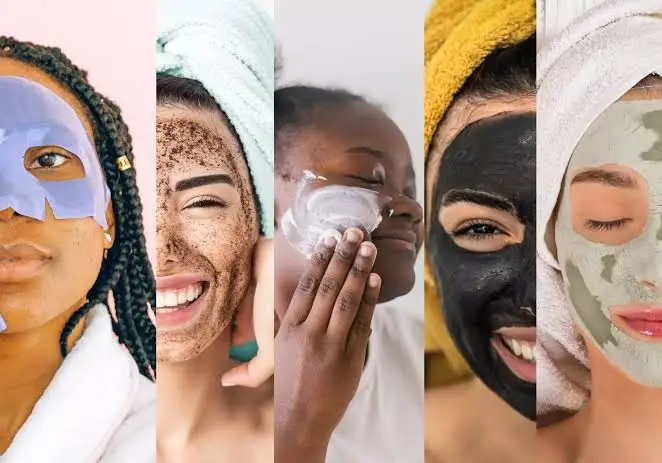
Face Masks Skincare: 7 Secrets for Youthful, Plump Skin
Have you ever looked in the mirror after using a face mask and wondered why your skin looked brighter one day but not the next? The answer is often less about the mask itself and more about how you use it.
Today’s beauty world offers hundreds of products promising glowing skin. However, not every mask delivers the same results. Understanding your skin type, ingredients, and application techniques makes a much bigger difference than simply buying the most expensive product.
This guide shares seven expert-backed face masks skincare secrets that can help you achieve healthier, softer, and more youthful-looking skin. You’ll also discover which ingredients actually work, common mistakes to avoid, and how to make every mask part of a smarter beauty routine.
Why Face Masks Matter More Than Ever
Modern life exposes our skin to pollution, stress, UV rays, and changing weather every day. These factors slowly weaken the skin barrier and cause dryness, dullness, clogged pores, and early signs of aging.
A well-formulated face mask gives your skin concentrated ingredients in a short amount of time. Unlike everyday cleansers, masks stay on the skin long enough to allow active ingredients to work more effectively.
Moreover, masks provide targeted care. Some focus on hydration, while others reduce oil, brighten pigmentation, or calm irritation.
Research published by dermatology organizations has shown that ingredients such as hyaluronic acid, niacinamide, and ceramides can significantly improve skin hydration and barrier function when used consistently.
Secret 1: Choose the Right Face Masks Skincare for Your Skin Type
One of the biggest mistakes people make is choosing trendy products instead of products suited for their own skin.
Different skin types have different needs.
Dry Skin
Dry skin benefits from masks that contain:
- Hyaluronic acid
- Ceramides
- Squalane
- Honey
- Aloe vera
These ingredients help attract and lock moisture into the skin.
Example:
Someone living in a cold climate may notice their skin feels tight after washing. A cream-based hydrating mask used twice a week can restore comfort within several applications.
Oily Skin
People searching for the best skincare for oily skin often believe every mask should completely remove oil. However, stripping natural oils usually causes the skin to produce even more sebum.
Instead, choose masks containing:
- Clay
- Kaolin
- Charcoal
- Niacinamide
- Zinc PCA
These ingredients help balance oil production without drying the skin excessively.
Combination Skin
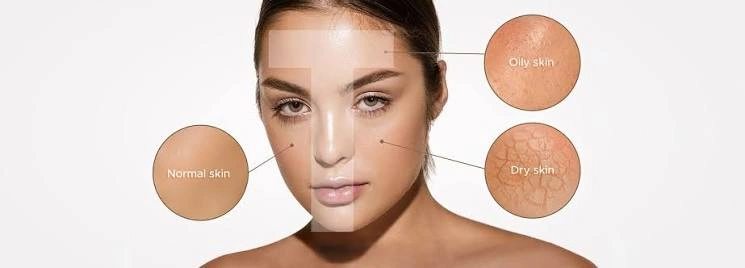
Combination skin requires balance.
Multi-masking has become increasingly popular because it allows you to treat different areas separately.
For example:
- Clay mask on the T-zone
- Hydrating gel mask on the cheeks
This personalized approach often produces better results than using one mask everywhere.
Mature Skin
Aging skin benefits from ingredients like:
- Peptides
- Collagen-supporting antioxidants
- Vitamin C
- Coenzyme Q10
These ingredients improve skin elasticity and help reduce the appearance of fine lines over time.
Secret 2: Ingredients Matter More Than Brand Names
Beautiful packaging doesn’t guarantee better skin.
Experienced dermatologists usually recommend reading the ingredient list before looking at marketing claims.
The first several ingredients tell you far more about product quality than celebrity endorsements.
Powerful Hydrating Ingredients
Look for:
- Hyaluronic acid
- Glycerin
- Panthenol
- Beta-glucan
These ingredients improve moisture levels and leave skin looking plumper.
Brightening Ingredients
For uneven skin tone, masks containing these ingredients can help:
- Vitamin C
- Niacinamide
- Licorice root
- Alpha arbutin
Results usually appear gradually after several weeks of consistent use.
Soothing Ingredients
Sensitive or irritated skin often responds well to:
- Centella asiatica
- Green tea
- Chamomile
- Oat extract
These ingredients reduce redness while strengthening the skin barrier.
People interested in skincare for sensitive skin should avoid heavily fragranced products whenever possible.
Secret 3: Timing Makes a Bigger Difference Than You Think
Many people assume longer is always better.
Actually, leaving a mask on beyond its recommended time may cause dryness or irritation.
Clay masks are a perfect example.
Instead of waiting until they become completely dry and cracked, rinse them off while they are still slightly damp.
This helps prevent unnecessary moisture loss.
Hydrating masks usually perform best when left on according to the manufacturer’s instructions.
Consistency matters far more than occasional overuse.
Experts generally recommend:
- Hydrating masks: 2–3 times weekly
- Clay masks: 1–2 times weekly
- Exfoliating masks: once weekly
- Overnight masks: once or twice weekly
Secret 4: Prepare Your Skin Before Every Mask
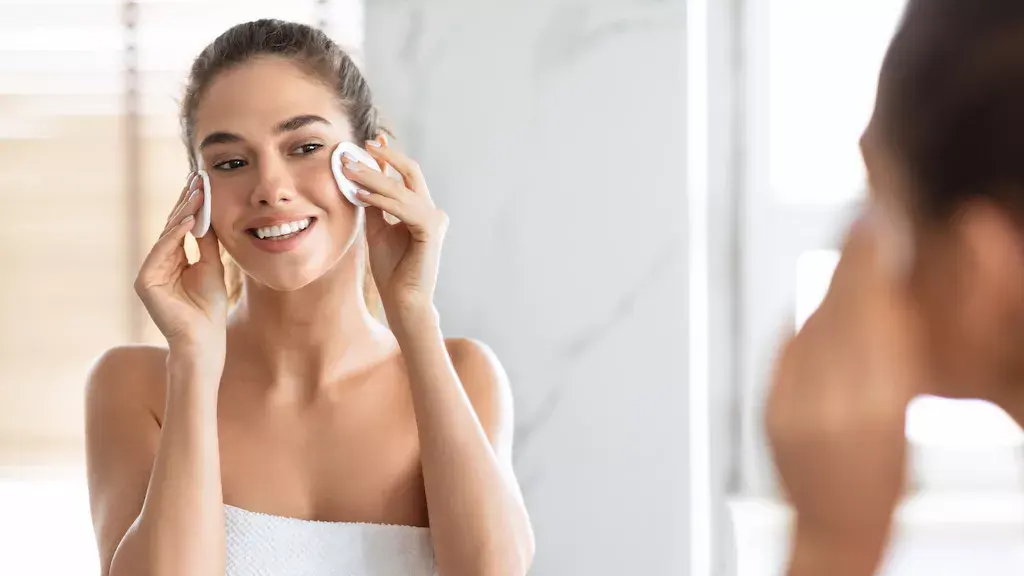
Even the best mask cannot work effectively on skin covered with makeup, sunscreen, or excess oil.
Preparation increases ingredient absorption.
Follow these simple steps:
- Remove makeup.
- Wash with a gentle cleanser.
- Pat skin slightly dry.
- Apply the mask evenly.
- Relax while it works.
Some people like using warm steam beforehand.
This can soften surface debris, making cleansing feel more effective.
However, extremely hot steam should be avoided because it may increase redness.
Don’t Forget Aftercare
Many people skip the most important step.
After removing a mask:
- Apply serum.
- Use moisturizer.
- Finish with sunscreen during the daytime.
This seals hydration into the skin and protects your fresh complexion.
A consistent morning skincare routine helps maintain the improvements your face masks provide.
Secret 5: Natural Doesn’t Always Mean Better
Many homemade recipes become popular on social media.
However, some ingredients can actually damage the skin.
For example:
- Lemon juice may cause irritation.
- Baking soda disrupts skin pH.
- Toothpaste should never be used as a mask.
Instead, choose professionally formulated products tested for safety.
That doesn’t mean natural ingredients have no value.
Many organic skincare products include carefully balanced botanical extracts with proven benefits.
Aloe vera, oatmeal, honey, cucumber, and calendula remain excellent choices when formulated correctly.
Secret 6: Use Face Masks as Part of a Complete Beauty Plan
A face mask can improve your complexion, but it works best when combined with healthy daily habits. Think of a mask as a powerful boost—not a replacement for regular skin care.
A balanced skincare routine should include:
- Gentle cleansing
- Hydrating toner (optional)
- Treatment serum
- Face mask (1–3 times weekly)
- Moisturizer
- Sunscreen during the day
Each step supports the next. Together, they help your skin stay healthy, hydrated, and protected.
Build Healthy Habits
Consistency is one of the biggest secrets behind glowing skin.
For example:
- Drink enough water.
- Sleep at least seven hours each night.
- Eat foods rich in vitamins and antioxidants.
- Wear sunscreen every day.
- Avoid smoking.
These habits improve your skin from the inside while face masks improve it from the outside.
Secret 7: Follow the Latest Science, Not Social Media Trends
Beauty trends appear every week, but many disappear just as quickly.
Instead of following every viral video, look for products supported by scientific research.
Dermatologists recommend ingredients that have been studied for years, including:
- Niacinamide
- Ceramides
- Hyaluronic acid
- Vitamin C
- Retinol
- Peptides
These ingredients consistently show benefits for hydration, skin texture, and barrier repair.
Why Professional Advice Matters
If you experience persistent acne, eczema, rosacea, or severe irritation, a dermatologist can recommend treatments that go beyond cosmetic products.
Professional guidance often saves both time and money by helping you choose products suited to your skin instead of relying on trial and error.
The Rise of Korean Beauty Innovation
In recent years, korean skincare has changed how people think about hydration and skin health.
Many Korean face masks focus on gentle formulas that strengthen the skin barrier instead of using harsh ingredients.
Popular ingredients include:
- Snail mucin
- Rice extract
- Centella asiatica
- Green tea
- Fermented ingredients
Sheet masks are also popular because they help active ingredients remain in close contact with the skin for better absorption.
The key lesson from Korean beauty is simple: healthy skin develops through consistency, hydration, and gentle care—not aggressive treatments.
Choosing the Best Type of Face Mask
Different masks solve different problems.
| Mask Type | Best For | Key Ingredients |
| Sheet Mask | Dry, dull skin | Hyaluronic acid, glycerin |
| Clay Mask | Oily skin | Kaolin, bentonite, charcoal |
| Cream Mask | Dry or mature skin | Ceramides, squalane |
| Gel Mask | Sensitive or irritated skin | Aloe vera, cucumber |
| Sleeping Mask | Overnight hydration | Peptides, panthenol |
| Exfoliating Mask | Rough texture | AHAs, BHAs, enzymes |
Choosing the right type helps you achieve better results without overloading your skin.
Common Mistakes That Reduce Results
Even excellent products may disappoint if used incorrectly.
Avoid these common mistakes:
- Using masks every day without a reason.
- Leaving clay masks on until they crack.
- Skipping moisturizer afterward.
- Mixing too many active ingredients at once.
- Applying masks over dirty skin.
- Ignoring expiration dates.
- Expecting overnight transformation.
Small improvements over several weeks usually lead to the best long-term results.
Face Masks for Different Age Groups
Teenagers
Teen skin often benefits from gentle clay masks that help control excess oil without causing dryness.
Parents looking for skincare for kids should choose products designed specifically for young, delicate skin and avoid strong acids or retinoids unless advised by a healthcare professional.
Adults
Adults may benefit from alternating between hydrating and brightening masks depending on seasonal changes and lifestyle.
Stress, pollution, and lack of sleep often affect adult skin more than age alone.
Men
Today’s skincare for men products include masks designed to soothe irritation after shaving, reduce oil, and improve hydration.
Men with facial hair should spread masks carefully to ensure even contact with exposed skin.
How to Find the Right Products
The beauty market offers thousands of options.
Instead of buying every new launch, compare products using these factors:
- Ingredient list
- Skin type compatibility
- Fragrance level
- Clinical testing
- Customer reviews
- Brand transparency
A simple product with effective ingredients often performs better than one with dozens of unnecessary additives.
Expert Tips for Long-Term Healthy Skin
Dermatologists frequently recommend these practical skincare tips:
- Wear SPF 30 or higher every day.
- Wash makeup off before sleeping.
- Avoid over-exfoliation.
- Replace old products regularly.
- Clean makeup brushes often.
- Patch-test new products before full application.
- Stay patient and consistent.
Healthy skin develops gradually through daily care.
Understanding the Basics
If you’re wondering how to build a skincare routine from scratch, begin with three essentials: a gentle cleanser, a moisturizer suited to your skin type, and a broad-spectrum sunscreen. Once those basics become a habit, you can introduce treatments like face masks one at a time to see how your skin responds.
Some people also enjoy experimenting with products from ordinary skincare collections because they focus on straightforward ingredients and transparent formulas.
Why Experience and Evidence Matter
As beauty research continues to evolve, experts increasingly agree that healthy skin depends on protecting the skin barrier.
Products should support your natural barrier rather than strip it.
Clinical studies consistently show that combining hydration, sun protection, and scientifically supported ingredients produces better long-term outcomes than relying on quick fixes.
This evidence-based approach reflects the principles of skincare, where prevention is often more effective than correction.
Conclusion
Beautiful skin isn’t about chasing every trend or buying the most expensive product. It comes from understanding what your skin truly needs and choosing products that support those needs.
The seven face masks skincare secrets in this guide show that success depends on selecting the right mask, using proven ingredients, preparing your skin properly, and staying consistent.
Remember that healthy skin is built over time. Every thoughtful step—from cleansing and moisturizing to using face masks correctly—contributes to a stronger, brighter, and more youthful complexion.
Start with small improvements, stay patient, and let your daily habits work together for lasting results.
Frequently Asked Questions
Are face masks good for skin care?
Yes. Quality face masks provide concentrated ingredients that hydrate, brighten, calm, or purify the skin when used correctly and consistently.
What are the best skin care face masks?
The best mask depends on your skin type. Hydrating masks suit dry skin, clay masks help oily skin, and soothing gel masks work well for sensitive skin.
Which face mask is best for skin?
There isn’t one mask that’s best for everyone. Choose a formula with ingredients that match your skin’s needs and concerns.
Do dermatologists recommend face masks?
Yes. Many dermatologists recommend face masks containing evidence-based ingredients such as hyaluronic acid, ceramides, niacinamide, and vitamin C.
Is it good to use face masks daily?
Usually not. Most face masks work best one to three times per week. Daily use may cause irritation unless the product is specifically designed for everyday application.
⭐ Make MindLiva Your Preferred Source on Google
Get trusted health, wellness, and lifestyle articles from MindLiva.
Add MindLiva
Samie Babaei is a medical science student at Shahid Beheshti University of Medical Sciences with a strong interest in health, wellness, and medical research. As a health writer and researcher at MindLiva, she focuses on creating clear, evidence-based content that helps readers better understand health and well-being.