



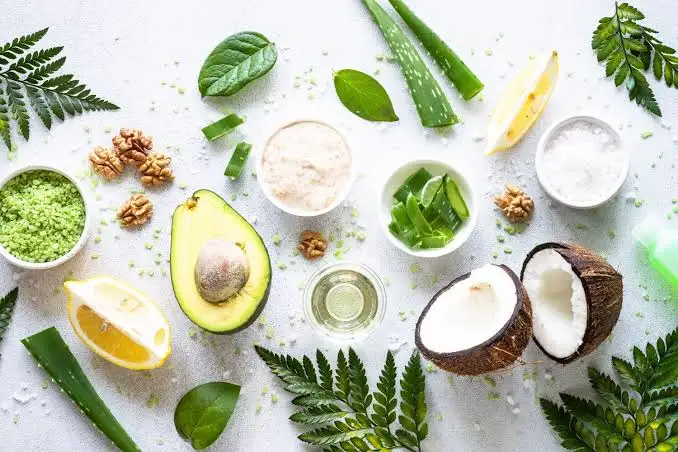
Organic Skincare Ingredients That Boost Your Skin’s Health
Have you ever picked up a skin care product labeled “natural” or “organic” and wondered whether it really lives up to the promise? With growing interest in clean beauty, many people are looking for products made with plant-based ingredients that support healthy skin without unnecessary additives.
Choosing organic skincare is about more than following a trend. It is about understanding ingredients, making informed decisions, and caring for your skin with products that match your needs. While natural ingredients can offer impressive benefits, knowing which ones truly work is essential.
In this guide, you’ll learn about the best organic ingredients, how they support skin health, common myths, expert recommendations, and practical tips for creating a simple daily routine that delivers lasting results.
Why Organic Skincare Is Becoming More Popular
Consumers today pay closer attention to product labels than ever before.
Many people want products that contain fewer synthetic ingredients and more naturally derived plant extracts.
Several factors have contributed to this growing interest:
- Increased awareness of ingredient safety
- Greater concern for environmental sustainability
- Rising demand for eco-friendly packaging
- Better education about skin health
- More transparency from beauty brands
Moreover, many companies now invest in responsibly sourced botanical ingredients and environmentally friendly production methods.
However, “organic” does not always mean “better” for everyone. Choosing products should always depend on your skin type and the quality of the formulation.
Understanding Organic Ingredients
Not every natural ingredient provides the same benefit.
Some botanical extracts have strong scientific support, while others have limited evidence.
Knowing the difference helps you make smarter purchasing decisions.
Aloe Vera
Aloe vera remains one of the most widely studied plant ingredients.
Benefits include:
- Hydration
- Cooling irritated skin
- Supporting the skin barrier
- Temporary relief from minor redness
Its lightweight texture makes it suitable for many skin types.
Jojoba Oil
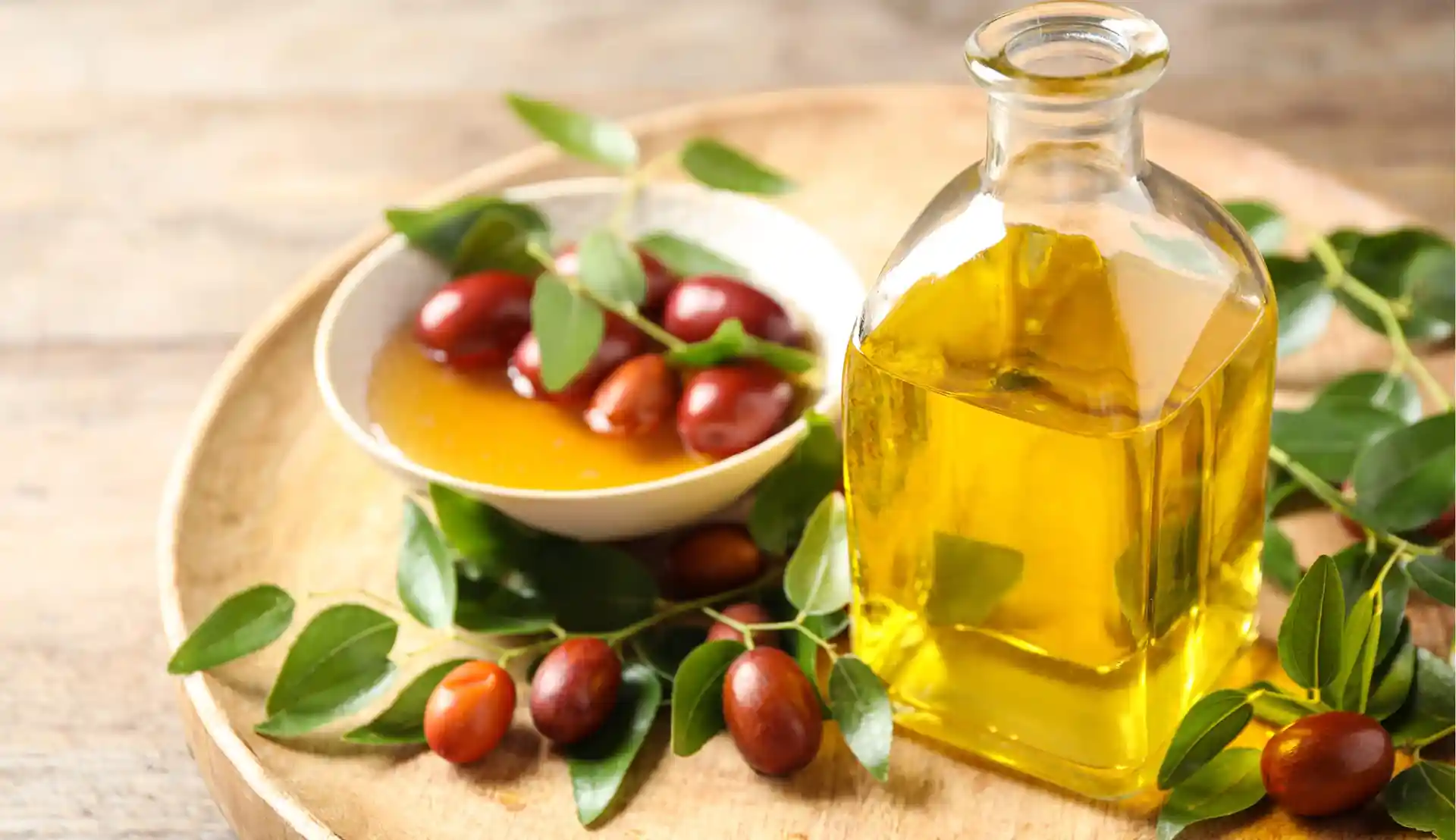
Jojoba oil closely resembles the skin’s natural oils.
Because of this similarity, it absorbs easily and helps maintain moisture without leaving a greasy feeling.
Many people with oily skin tolerate jojoba oil surprisingly well.
Shea Butter
Shea butter is rich in natural fatty acids.
It helps:
- Improve moisture
- Reduce dryness
- Strengthen the skin barrier
- Soften rough patches
Dry and mature skin often benefits most from this ingredient.
Green Tea Extract
Green tea contains powerful antioxidants called polyphenols.
These compounds help defend the skin against environmental stress while calming visible redness.
Many dermatologists recommend antioxidant-rich products as part of healthy aging strategies.
Chamomile
Chamomile has long been valued for its soothing properties.
Products containing chamomile may help calm sensitive or irritated skin when used appropriately.
Know Your Skin Before Choosing Organic Products
The best ingredient for one person may not work for another.
Understanding your skin type should always come first.
Dry Skin
Dry skin often lacks moisture and protective oils.
Look for nourishing ingredients like:
- Shea butter
- Squalane
- Plant oils
- Ceramides
These ingredients help reduce tightness and flaking.
Oily Skin
People searching for the best skincare for oily skin often assume oils should be avoided completely.
Actually, lightweight botanical oils like jojoba may help support balanced oil production without clogging pores.
Combination Skin
Combination skin usually requires balanced hydration.
Lightweight lotions often perform better than heavy creams.
Sensitive Skin
Individuals interested in skincare for sensitive skin should choose fragrance-free products whenever possible.
Even natural essential oils may trigger irritation in some people.
Always patch test new products before full application.
Build Healthy Daily Habits
Products alone cannot create healthy skin.
Daily habits matter just as much.
Gentle Cleansing
A gentle cleanser removes:
- Dirt
- Sweat
- Pollution
- Sunscreen
- Excess oil
Avoid harsh soaps that leave your skin feeling tight.
Daily Moisturizing
Healthy skin depends on a strong protective barrier.
Moisturizers help maintain hydration while reducing moisture loss throughout the day.
Even oily skin benefits from lightweight hydration.
Sun Protection
Natural ingredients cannot replace sunscreen.
Daily SPF remains one of the most effective ways to reduce premature aging.
Choose SPF 30 or higher regardless of the weather.
How to Choose Quality Organic Products
Marketing claims can sometimes be confusing.
Instead of focusing only on attractive packaging, evaluate products carefully.
Look for:
- Transparent ingredient lists
- Reputable certifications
- Minimal unnecessary fragrances
- Suitable formulations for your skin type
Moreover, research the company behind the product before purchasing.
Trustworthy brands often explain where their ingredients come from and how they are processed.
Common Ingredients Worth Looking For
Many effective products combine natural extracts with science-backed ingredients.
Some excellent combinations include:
Hyaluronic Acid
Provides deep hydration by attracting moisture into the skin.
Vitamin C
Supports brighter-looking skin while helping defend against environmental damage.
Niacinamide
Helps strengthen the skin barrier and improve uneven skin tone.
Ceramides
Support moisture retention and improve the skin’s protective barrier.
Lifestyle Choices That Support Healthy Skin
Beautiful skin begins with healthy daily habits.
Products work best when combined with a healthy lifestyle.
Eat a Balanced Diet
Include foods rich in:
- Colorful vegetables
- Fruits
- Healthy fats
- Fish
- Whole grains
- Nuts
These foods provide antioxidants and essential nutrients that support healthy skin.
Stay Hydrated
Water supports many natural body functions.
Although drinking more water alone won’t erase wrinkles, proper hydration contributes to healthier-looking skin.
Sleep Well
Your skin repairs itself while you sleep.
Most adults benefit from seven to nine hours of quality sleep each night.
Exercise Regularly
Exercise improves circulation.
Better blood flow delivers oxygen and nutrients throughout the body, including the skin.
Common Myths About Organic Products
As organic beauty becomes more popular, misinformation has also increased. Understanding the facts helps you make better decisions.
Myth 1: Organic Means Better for Everyone
Not necessarily.
A product made with organic ingredients can still cause irritation if it contains allergens or essential oils that do not suit your skin.
Always choose products based on your skin type rather than the label alone.
Myth 2: Natural Products Work Instantly
Healthy skin develops gradually.
Even high-quality botanical ingredients usually require several weeks of regular use before noticeable improvements appear.
Patience and consistency are essential.
Myth 3: Organic Products Don’t Need Preservatives
Many people assume preservatives are harmful.
However, safe preservatives help prevent bacteria and mold from growing inside cosmetic products.
Without proper preservation, products may become unsafe to use.
Seasonal Changes and Organic Skin Care
Your skin’s needs change throughout the year.
Adjusting your routine with the seasons helps maintain healthy skin.
Spring and Summer
Warm weather often increases sweat and oil production.
Helpful habits include:
- Wear sunscreen daily.
- Use lightweight moisturizers.
- Cleanse after heavy sweating.
- Store products away from direct sunlight.
Autumn and Winter
Cold temperatures and indoor heating can dry out the skin.
During colder months:
- Switch to richer moisturizers.
- Limit very hot showers.
- Apply moisturizer immediately after cleansing.
- Consider using a humidifier indoors.
Small seasonal changes often make a noticeable difference.
Trending Natural Ingredients Worth Knowing
The beauty industry continues to discover promising plant-based ingredients.
Some of today’s most discussed botanical extracts include:
Rosehip Oil
Rich in essential fatty acids and antioxidants, rosehip oil may help improve skin texture and support the appearance of healthy-looking skin.
Oat Extract
Oat extract is valued for its calming properties and is often recommended for dry or irritated skin.
Calendula
Calendula is traditionally used to soothe the skin and support the skin barrier.
Bakuchiol

Bakuchiol has gained attention as a plant-derived ingredient that may offer benefits similar to retinol for some people while being gentler on sensitive skin.
Although research continues, early studies are encouraging.
Combining Natural and Science-Backed Ingredients
Many dermatologists believe the most effective routines combine botanical ingredients with proven active compounds.
For example:
- Aloe vera + hyaluronic acid for hydration
- Green tea + Vitamin C for antioxidant protection
- Shea butter + ceramides for barrier repair
- Jojoba oil + niacinamide for balanced moisture
This balanced approach allows you to enjoy the benefits of nature alongside modern scientific research.
Choosing Sustainable Beauty Products
Healthy skin and environmental responsibility can go hand in hand.
When shopping, consider products that offer:
- Recyclable packaging
- Responsibly sourced ingredients
- Cruelty-free certification
- Transparent manufacturing practices
- Refillable containers when available
Supporting companies with sustainable practices benefits both consumers and the environment.
Conclusion
Choosing organic skin care products can be a positive step toward healthier-looking skin, but success depends on more than simply selecting products labeled “natural.”
Understanding your skin type, reading ingredient lists carefully, protecting your skin from the sun, maintaining healthy daily habits, and using evidence-based ingredients all contribute to lasting results.
Remember that healthy skin develops through consistency, patience, and informed choices. Start with a few high-quality products, monitor how your skin responds, and build a routine that fits your individual needs.
Frequently Asked Questions
What’s the best organic skincare?
The best products contain high-quality, well-formulated ingredients that match your skin type. Look for transparent ingredient lists and trusted certifications instead of relying only on marketing claims.
What are organic skincare products?
Organic skin care products are made with ingredients grown according to organic farming standards. They often emphasize plant-based ingredients and environmentally responsible production.
Is organic skincare really better?
Not always. Organic products can be excellent, but effectiveness depends on the formulation, ingredient quality, and whether the product suits your skin.
Which organic brand is best for skin care?
There is no single best brand for everyone. Choose brands with transparent sourcing, reliable testing, and products designed for your skin concerns.
How do I choose organic skincare?
Read ingredient lists, check for reputable certifications, patch test new products, and select products based on your skin type instead of marketing claims.
⭐ Make MindLiva Your Preferred Source on Google
Get trusted health, wellness, and lifestyle articles from MindLiva.
Add MindLiva
Samie Babaei is a medical science student at Shahid Beheshti University of Medical Sciences with a strong interest in health, wellness, and medical research. As a health writer and researcher at MindLiva, she focuses on creating clear, evidence-based content that helps readers better understand health and well-being.