



How Vegan Creatine Boosts Athletic Performance Naturally
Have you ever followed a well-planned plant-based diet but still felt that your power dropped during heavy lifts or repeated sprints? Food quality matters, yet some useful performance compounds are naturally scarce in plant foods.
That is where vegan creatine may help. Although the compound occurs mainly in meat and fish, most commercial supplements are made through a synthetic process rather than extracted from animals. As a result, plant-based athletes can raise their muscle stores without changing their dietary values.
In this guide, you will learn how vegan-friendly formulas work, which athletes may benefit most, how current research is changing the discussion, and what dosage is commonly used. You will also learn how to avoid hidden animal ingredients, poor-quality blends, and unnecessary marketing claims.
What Is Vegan Creatine?
The term describes a supplement whose active ingredient and added materials contain no animal-derived substances. It is designed to provide the same performance support as a standard sports formula while remaining suitable for a plant-based lifestyle.
Most supplements are produced by combining sarcosine and cyanamide under controlled manufacturing conditions. Because the ingredient is synthesized rather than taken from animal tissue, the final active powder is generally considered vegan-friendly. However, capsules may use gelatin, and flavored products can contain non-vegan additives, so the full label still matters.
In plain terms, creatine is a compound the body also made naturally from amino acids. Most of it is stored in skeletal muscle, where it helps provide fast energy during intense movement.
Is It Different From a Regular Supplement?
Chemically, a properly manufactured vegan formula is not weaker or less effective simply because it contains no animal ingredients. The body responds to the active compound, not the picture or dietary claim on the container.
The important differences are usually found in the supporting ingredients. A vegan-certified powder may avoid gelatin, dairy-based flavoring, honey, shellac, or other animal-derived materials.
Therefore, the word “vegan” mainly describes sourcing and formulation. It does not identify a separate performance-enhancing compound.
Why Plant-Based Athletes May Have Lower Muscle Stores

Animal foods, especially meat and fish, are the main dietary sources of this compound. Vegan diets exclude those foods, while vegetarian diets may provide only very small amounts through eggs or dairy products.
The body can produce its own supply from amino acids, so vegans are not completely without it. However, research indicates that vegetarians often have lower concentrations in blood and muscle than omnivores. One review reported that vegan and vegetarian individuals may have around 12% lower intramuscular levels, although estimates differ between studies.
This lower starting point may make supplementation especially useful. In several studies, vegetarian participants experienced larger increases in muscle stores than omnivores after taking a supplement.
Lower Stores Do Not Automatically Mean Poor Performance
It would be too simple to say that every vegan athlete is at a disadvantage. Training quality, energy intake, sleep, protein, genetics, and sport type all have a major influence on results.
Moreover, studies have not consistently shown that vegans always perform worse before supplementation. The clearer finding is that many plant-based participants have more room to increase their muscle stores.
That difference may matter most during sports requiring repeated bursts of speed, force, or power.
How Vegan Creatine Supports Fast Muscle Energy
To understand the supplement, it helps to ask what does creatine do during exercise.
Muscles use adenosine triphosphate, or ATP, as an immediate source of energy. However, stored ATP runs out quickly during an all-out sprint, heavy lift, jump, or repeated explosive effort.
Phosphocreatine donates a phosphate group that helps rebuild ATP. Raising the muscle’s stored supply can therefore support repeated high-intensity work, especially when recovery periods are short.
For example, imagine performing five hard sets of squats. A supplement may not make the first repetition feel effortless, but it could help you maintain force or complete more quality work across later sets.
Over time, that extra training volume may contribute to better adaptation.
Fresh Research on Vegan Creatine and Performance
A July 2026 randomized, triple-blind, placebo-controlled study examined 20 physically active vegan adults over four weeks. Participants received either a supplement at 0.1 gram per kilogram of body weight per day or a placebo.
The supplemented group showed improvements in lower-body explosive performance, including countermovement-jump measures and repeated-jump outcomes. Researchers also reported an increase of 0.3 kilograms in skeletal muscle mass, a 1.4-kilogram rise in total body water, and a reduction in measured body fat compared with the control group.
However, the trial was small and lasted only four weeks. It did not find improvements in every strength or sprint test, and the researchers called for longer studies to confirm effectiveness and safety.
Another recent study involving 15 vegan and vegetarian adults found that seven days of loading significantly increased muscle stores, body mass, and fat-free mass. Yet performance findings were less clear, showing that higher muscle levels do not guarantee an immediate improvement in every exercise test.
Main Vegan Creatine Benefits for Athletes
The most established creatine benefits relate to activities that demand high power for short periods. The NIH reports that supplementation can increase strength, power, and the ability to perform repeated intense muscle contractions.
Potential advantages include:
- Better repeated-sprint ability
- More power during explosive exercise
- Greater training volume during resistance workouts
- Improved strength development over time
- Support for lean-mass gains during weight training
- Faster ATP restoration between hard efforts
- Fuller muscles because of increased intracellular water
A systematic review of vegetarian participants found improvements in measures such as lean tissue, muscular strength, endurance, mean power output, and type II muscle-fiber area. However, the included studies had limitations, and it remains uncertain whether vegetarians consistently gain more performance benefit than omnivores.
Strength and Muscle Development
The supplement does not build muscle without training. Instead, it may help you perform more productive work.
In an eight-week resistance-training study, vegetarian participants began with lower muscle stores than nonvegetarians. Those who received the supplement experienced greater increases in muscle stores, lean tissue, and total work performance than supplemented nonvegetarians.
For example, an athlete who maintains one extra high-quality repetition across several exercises may accumulate meaningful additional training volume over months.
Sprinting and Team Sports
The product is especially relevant to sprinting, football, basketball, hockey, martial arts, and similar sports involving repeated intense efforts.
The NIH notes that performance improvements are most likely in short, intermittent activities lasting up to roughly two and a half minutes at a time. It appears less valuable for steady endurance events such as long-distance running, swimming, or cycling.
However, endurance athletes may still use it to support gym work, hill sprints, finishing speed, or high-intensity intervals.
Recovery Between Hard Efforts
Faster ATP restoration may help maintain performance across repeated sets or sprints. This does not mean the supplement removes all muscle soreness or replaces rest.
Sleep, total food intake, carbohydrate availability, protein, and training design remain the foundation of recovery. A powder cannot correct poor programming or chronic under-eating.
How Much Should a Vegan Athlete Take?
The standard maintenance range used in research is 3–5 grams per day. This amount can gradually raise muscle stores without requiring a loading stage.
A common loading method involves about 20 grams per day, divided into four servings, for five to seven days. The user then moves to 3–5 grams daily.
However, loading is optional. Taking about 3 grams each day can reach similar muscle saturation more slowly and may reduce sudden water-weight gain or digestive discomfort. Guidance for vegan athletes also supports either a loading strategy or a steady daily approach.
A Simple Beginner Plan
- Choose a plain, tested product.
- Take 3 grams daily for the first week.
- Increase to 3–5 grams if needed and well tolerated.
- Take it consistently, including on rest days.
- Review body weight, digestion, and training results after four to eight weeks.
Timing is less important than consistency. Taking it with a regular meal may make the routine easier to remember.
Which Form Works Best?
Creatine monohydrate is the most widely used and studied form, according to the NIH. More expensive forms may use impressive names, but they do not automatically offer better absorption or performance.
A simple powder is usually practical because it provides a clear dose and avoids unnecessary ingredients. Capsules can also work, but vegans should confirm that the shell uses cellulose rather than gelatin.
Meanwhile, creatine gummies may be convenient, but check the serving size, sugar content, stabilizers, and vegan certification. Some products require several pieces to provide the amount used in research.
How to Choose a Truly Vegan Product
Do not rely only on a green label or plant image. Read the complete ingredient panel and check the manufacturer’s certification.
Look for:
- A recognized vegan certification
- A vegetable-cellulose capsule when applicable
- No gelatin, dairy, honey, or shellac
- A clearly listed amount per serving
- Independent quality or sport testing
- No hidden proprietary blend
- Few unnecessary colors or fillers
Third-party testing is especially valuable for competitive athletes. Multi-ingredient sports products may contain substances not clearly stated on the label, while a plain single-ingredient formula is easier to assess.
Ignore Gender-Based Marketing
The best creatine for men does not need “hardcore” branding, testosterone claims, or a complex stimulant blend.
Likewise, the best creatine for women does not require pink packaging, detox ingredients, or a lower dose simply because it targets female customers.
Men and women should focus on product quality, evidence-based dosing, dietary needs, health status, and personal tolerance.
Does Vegan Creatine Cause Weight Gain?
An early increase on the scale is common because water is drawn into muscle cells. This is not the same as gaining body fat.
The NIH notes that supplementation commonly causes some weight gain through water retention. The 2026 vegan trial also recorded a 1.4-kilogram increase in total body water over four weeks.
Some users notice fuller-looking muscles, which may be desirable. However, athletes in weight-class sports should consider the timing because even water-related weight can affect competition weigh-ins.
If a rapid increase concerns you, skip loading and use a smaller daily serving.
Safety and Possible Side Effects
For healthy adults, official guidance indicates that supplementation appears safe over periods ranging from several weeks to several years. Reported reactions can include water-weight gain, stomach discomfort, stiffness, or cramps, although individual responses vary.
The most discussed creatine side effects are usually mild and dose-related. Large single servings may cause bloating, loose stools, or nausea, so dividing the amount can help.
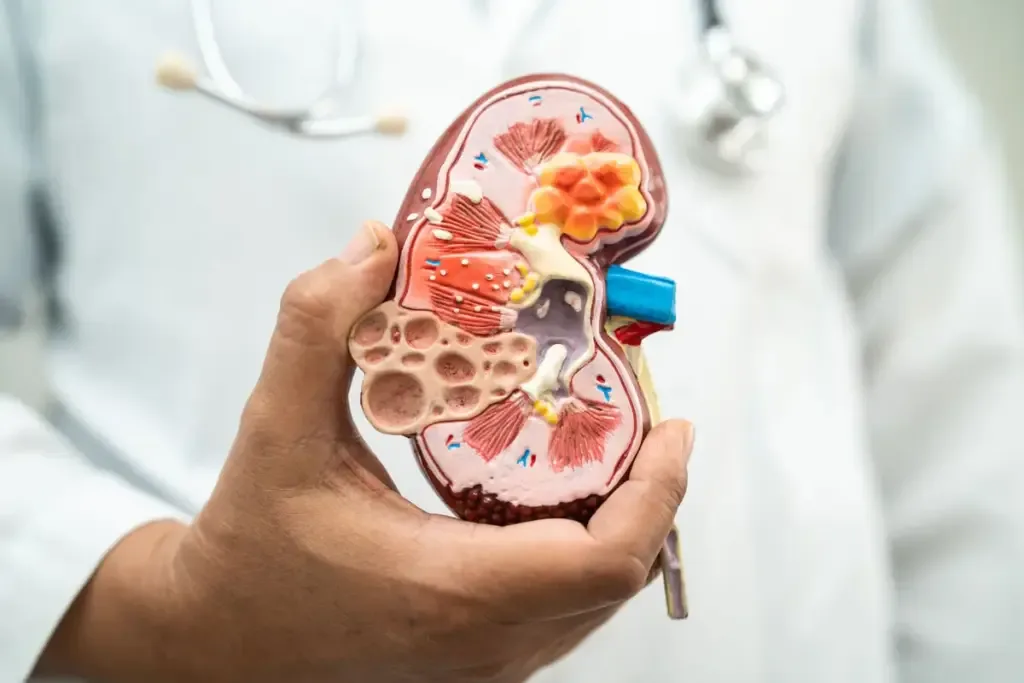
People with kidney disease, pregnancy, serious medical conditions, or regular medications should speak with a qualified healthcare professional before use. The NIH also recommends professional guidance for teenagers and anyone with a medical condition.
Moreover, tell your clinician about supplementation before kidney blood tests. The 2026 vegan study recorded increased serum creatinine, a common laboratory marker, although the short trial was not designed to establish long-term kidney outcomes.
Common Myths About Vegan Creatine
“It Must Come From Meat”
The compound naturally occurs in animal tissue, but most commercial supplements are synthesized from non-animal starting materials. The active ingredient can therefore fit a vegan diet.
“It Is a Steroid”
It is not an anabolic steroid or hormone. It supports rapid cellular energy and does not act like testosterone.
“Only Bodybuilders Need It”
Powerlifters and bodybuilders use it, but it may also support sprinters, jumpers, team-sport players, racket-sport athletes, and recreational gym users.
“You Must Cycle It”
Healthy adults do not need to cycle it simply because a fixed number of weeks has passed. However, users can stop whenever it no longer supports their goals.
“More Always Works Better”
Once muscle stores are saturated, very large doses do not guarantee greater results. They may simply raise the chance of digestive discomfort and increase the cost.
Conclusion
Vegan creatine can be a useful, evidence-based addition to a well-planned plant-based sports diet. Most products use a synthetic active ingredient rather than animal tissue, although capsules, gummies, and flavored blends still require careful label checking.
The strongest benefits relate to strength, power, repeated intense effort, and resistance-training capacity. Vegans may respond well because their starting muscle stores are often lower, but individual results still depend on sport, dosage, training, nutrition, and genetics.
Use a simple verified formula, follow a moderate daily dose, and track meaningful performance trends. In short, the supplement works best when it supports consistent training rather than trying to replace it.
Frequently Asked Questions
Is there vegan creatine?
Yes. Most commercial powders are synthesized from sarcosine and cyanamide and do not require animal tissue. However, check capsules and added ingredients because gelatin or dairy-based materials may still be present.
Why do doctors say not to take creatine?
Many doctors do not oppose it for healthy adults, but they may advise caution for people with kidney disease, other medical conditions, or medication concerns. They may also question untested multi-ingredient products.
How do you make vegan creatine?
Manufacturers typically create it through a controlled chemical process using sarcosine and cyanamide, followed by purification and testing. It is not normally extracted from vegetables or animal muscle.
What are the side effects of vegan creatine?
Possible effects include water-weight gain and mild digestive discomfort. Large servings may be harder to tolerate, while smaller divided doses can reduce stomach problems.
What is the biggest side effect of creatine?
The most noticeable effect is usually increased body weight from water stored with muscle. It is not automatically fat gain and may make muscles look fuller.
⭐ Make MindLiva Your Preferred Source on Google
Get trusted health, wellness, and lifestyle articles from MindLiva.
Add MindLiva
Samie Babaei is a medical science student at Shahid Beheshti University of Medical Sciences with a strong interest in health, wellness, and medical research. As a health writer and researcher at MindLiva, she focuses on creating clear, evidence-based content that helps readers better understand health and well-being.