




Best Creatine for Muscle Growth: Which One Reigns Supreme?
Have you ever walked into a supplement store and felt overwhelmed by dozens of nearly identical tubs? Every product seems to promise more muscle, explosive power, and faster results, yet the prices and ingredient lists can vary widely.
Choosing the best creatine for muscle growth matters because the right formula can support harder resistance sessions and better long-term progress. However, the supplement only works well when it is paired with progressive training, enough protein, balanced meals, and proper recovery.
This guide separates proven features from clever marketing. You will learn which form is most researched, how supplementation supports muscle development, what daily amount is commonly used, and how to compare powders, capsules, and newer options. You will also discover which label details reveal whether a product is pure, fairly priced, and suitable for your goals.
Why the Best Creatine for Muscle Growth Is Usually Simple
Supplement companies often make basic ingredients look complicated. They introduce “advanced delivery systems,” special blends, and premium formulas that appear more powerful than standard products.
However, a long ingredient list does not guarantee better results. In many cases, the simplest option is easier to dose, easier to evaluate, and less expensive per serving.
Your body naturally makes creatine and stores most of it in skeletal muscle. Food sources such as meat and fish also provide small amounts. Supplementation increases muscle stores beyond what most people obtain from an ordinary diet, which can support performance during short, intense exercise.
A suitable product should therefore provide:
- A clearly named active ingredient
- A useful amount per serving
- Transparent labelling
- Minimal unnecessary additives
- Independent quality testing
- A reasonable cost per daily dose
The goal is not to find the most exciting container. The goal is to find a reliable product you can use consistently.
What Does Creatine Do for Muscle Development?
A common question among new lifters is what does creatine do during a workout.
Your muscles use adenosine triphosphate, commonly called ATP, as an immediate source of energy. ATP is especially important during heavy lifting, sprinting, jumping, and other explosive movements.
Unfortunately, muscles only store a limited amount of ATP. During a hard set, that quick energy supply falls rapidly. Phosphocreatine helps rebuild ATP, allowing working muscles to continue producing force.
For example, imagine that you normally perform four sets of squats with 10, 8, 7, and 6 repetitions. Better energy availability might help you complete an additional repetition during one or two later sets.
One extra repetition does not instantly transform your body. However, those small improvements can add up across hundreds of workouts.
More productive sessions can lead to:
- Greater weekly training volume
- Better maintenance of lifting performance
- Stronger repeated efforts
- Gradual increases in training load
- A better stimulus for muscle adaptation
In short, the supplement does not directly manufacture muscle. It can help you train more effectively, while resistance exercise provides the actual growth signal.
What Research Says About Muscle Growth
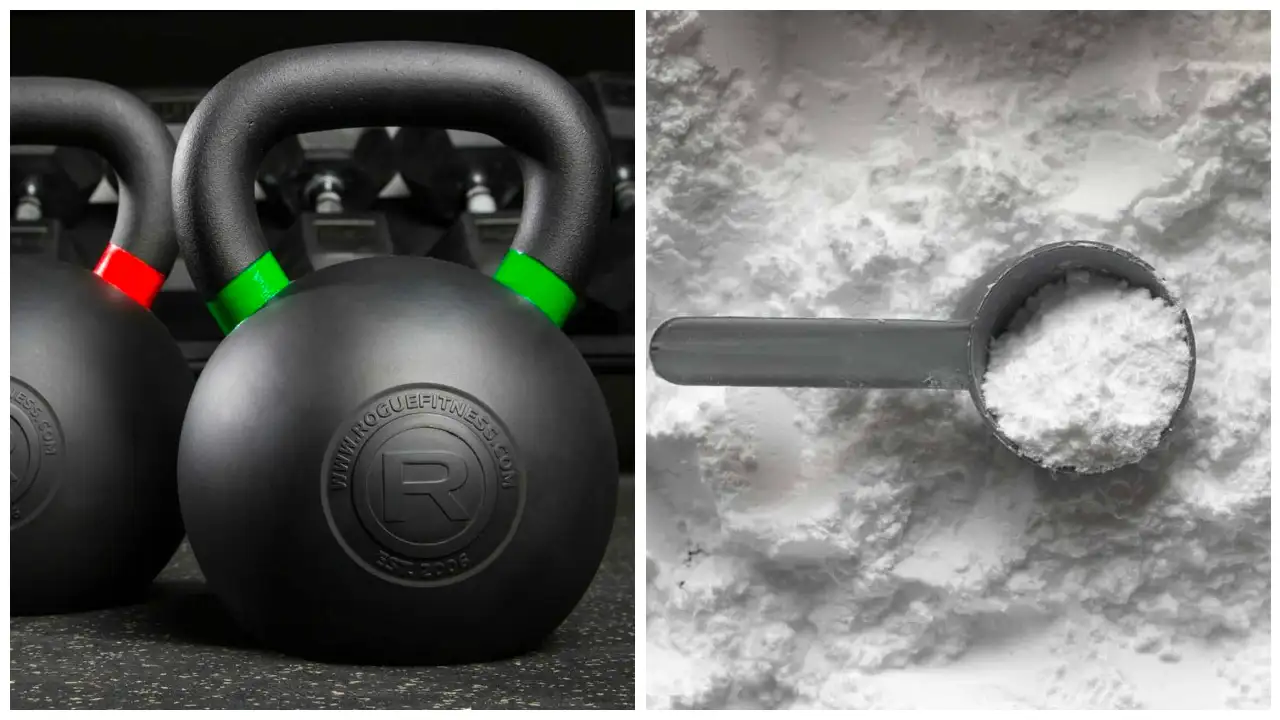
The latest evidence suggests that supplementation can provide a modest additional benefit when combined with structured resistance training.
A 2024 systematic review and meta-analysis found that adults younger than 50 gained an average of approximately 1.14 kilograms more lean body mass when supplementation was added to resistance training, compared with resistance training alone. The researchers also reported small reductions in body-fat percentage and fat mass.
Another analysis of novice and experienced lifters found that both groups increased fat-free mass. Experienced participants showed a larger numerical improvement, although the difference between experience levels was not statistically significant.
Research using direct measurements such as ultrasound, MRI, and CT scans suggests a smaller but still positive effect on actual muscle size. This distinction matters because changes in lean body mass can include water as well as newly developed tissue.
The most realistic creatine benefits include better training quality, improved strength, higher high-intensity work capacity, and a modest boost in lean-mass development.
These results are meaningful, but they should not be exaggerated. A supplement may improve the outcome of a strong training plan; it cannot rescue a poor one.
Which Type Reigns Supreme?
Several forms are available, including hydrochloride, citrate, nitrate, buffered formulas, and ethyl ester. Each may be promoted as faster, cleaner, or more advanced.
Yet creatine monohydrate remains the most studied option. It has decades of evidence, straightforward dosing, wide availability, and a lower average cost than many newer forms. NIH guidance also identifies it as the most widely used and researched type.
More expensive versions have not consistently demonstrated superior muscle or performance results. A product may dissolve more easily or use a smaller serving, but that does not automatically mean it produces greater gains.
Regular Versus Micronized Powder
Micronized powder contains smaller particles. This can help it mix more smoothly and reduce the gritty texture that some users dislike.
However, micronization does not create a different active compound. It mainly changes the physical size of the powder particles.
Choose micronized powder when mixing quality matters to you. Choose standard powder when it offers a lower cost and you do not mind stirring your drink a little longer.
Flavoured Versus Unflavoured Options
Flavoured products may be easier to drink, particularly for people who dislike plain supplements. However, they often include sweeteners, colouring, acids, or extra carbohydrates.
Unflavoured powder offers more flexibility. It can be mixed into water, juice, yogurt, or a protein shake without introducing another strong taste.
Neither option is automatically better. The active amount, product testing, and consistency of use matter more than flavour.
How to Identify the Best Creatine for Muscle Growth
A front label is an advertisement. The nutrition or Supplement Facts panel is where the useful information appears.
Use this five-step buying process.
1. Read the Complete Ingredient List
A single-ingredient formula makes it easier to know exactly what you are taking.
Products with caffeine, herbs, stimulants, vitamins, or amino acids may be useful in specific situations. However, they also make it harder to adjust individual ingredients.
For daily use, a simple formula is usually more practical.
2. Confirm the Amount Per Serving
Check whether the displayed amount refers to one scoop, one capsule, or the entire recommended serving.
For example, a capsule product may provide only 750 milligrams per pill. Reaching a typical daily amount could require four to seven capsules.
Do not compare container prices alone. Calculate the cost per effective serving.
3. Look for Independent Certification
Third-party testing helps confirm that a product contains what its label claims and is screened for contaminants.
This is particularly important for competitive athletes. A recognized sport-certification program can reduce the risk of accidentally consuming a prohibited substance.
Certification does not guarantee that a product will produce dramatic results. However, it adds useful quality control.
4. Avoid Proprietary Blends
A proprietary blend may display the total weight of several ingredients without showing the exact amount of each one.
This creates an obvious problem: you cannot tell whether the useful components are properly dosed.
Transparent formulas are easier to compare and generally inspire more confidence.
5. Ignore Extreme Marketing Claims
Be cautious when a product promises instant muscle, major fat loss, hormone changes, or dramatic strength gains within days.
Early weight gain is often caused partly by extra water being stored inside muscle cells. Actual tissue growth takes consistent training over weeks and months.
Powder, Capsules, or Gummies?
The delivery format can influence cost and convenience, even when the main ingredient is similar.
Powder: Best Overall Value
Powder is generally the most affordable format per serving. It is easy to adjust, mixes into many drinks, and often has few added ingredients.
The main drawback is convenience. You need a scoop, liquid, and container, which may not suit frequent travellers.
Capsules: Best for Travel
Capsules are portable and require no mixing. They also make it easy to divide a serving throughout the day.
However, users may need several pills to reach a normal daily amount. This makes capsules less appealing for anyone who dislikes swallowing tablets.
Gummies: Best for Taste

Creatine gummies are sweet, portable, and easy to remember. Their candy-like format can make daily use feel less like taking a supplement.
Nevertheless, they may contain added sugar and often cost more per useful serving. Some products also require several pieces each day.
Carefully check the total amount in a full serving. Do not assume one gummy provides the same quantity as one scoop of powder.
How Much Should You Take?
A common daily maintenance amount is 3 to 5 grams. This gradually raises muscle stores and is simple enough for most healthy adults to follow.
An optional loading method involves about 20 grams per day, divided into four smaller portions, for five to seven days. Users then move to a maintenance amount of 3 to 5 grams daily. This approach is commonly reported in performance research and NIH guidance.
Loading is not necessary. It simply saturates muscle stores faster.
A smaller daily serving may take several weeks to produce full saturation, but it can be easier on the stomach and may cause a less noticeable early increase in body weight.
Does Body Weight Change the Dose?
Some research protocols calculate a loading amount based on body weight, often around 0.3 grams per kilogram per day.
However, recreational lifters generally do not need complicated mathematics. A standard daily serving is practical for most adults.
Larger athletes sometimes choose the upper end of the range, while smaller users may begin near the lower end. Product instructions and professional medical advice should take priority when individual health factors are involved.
When Is the Best Time to Take It?
Timing is less important than daily consistency.
You can take it before training, after training, with breakfast, or alongside another regular meal. Choose the point in your routine that you are least likely to forget.
For example, adding it to a morning shake may be more reliable than carrying it to the gym every day.
Continue taking it on rest days. The goal is to keep muscle stores elevated, not to create an immediate stimulant effect before each workout.
Training Habits That Improve Results
Even the best formula has limited value without a good resistance program.
For effective muscle development, focus on:
- Progressive overload: Gradually add weight, repetitions, sets, or movement quality.
- Adequate protein: Eat enough high-quality protein across the day.
- Training consistency: Follow the same structured plan long enough to measure progress.
- Recovery: Allow muscles time to repair before training them hard again.
- Sleep: Aim for a stable sleep schedule rather than relying on stimulants.
- Energy intake: Consume enough calories to support your goal.
For example, adding a daily supplement to random workouts will probably produce disappointing results. Adding it to a four-day strength plan with tracked exercises gives it a clear role.
My practical takeaway is simple: evaluate the product by what happens in your training log. Look for better repetition quality, steady load progression, and improved performance across later sets.
Does It Work Equally Well for Everyone?
Individual responses vary.
People who eat little meat or fish may begin with lower muscle stores and could experience a more noticeable response. Those who already consume large amounts of animal-based food may start closer to their natural storage limit.
Training experience also affects what users notice. Beginners often gain muscle quickly from resistance exercise alone, while experienced lifters may value even a small improvement in performance.
The best creatine for men is not necessarily a male-only formula. In most cases, it is simply a pure, tested, well-priced product.
Likewise, the best creatine for women does not need special colouring, beauty-related ingredients, or a smaller container. Product purity and serving accuracy matter more than gendered branding.
Safety, Water Weight, and Common Concerns
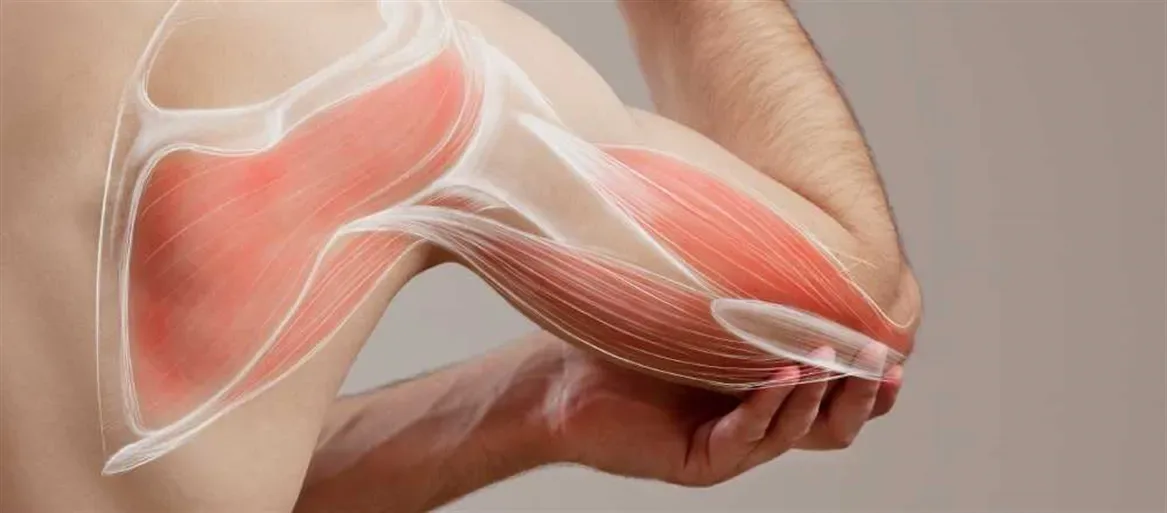
Normal amounts are generally considered well tolerated by healthy adults. The most common noticeable change is an increase in body weight caused partly by additional water stored in muscle tissue.
Possible creatine side effects include stomach discomfort, bloating, temporary water-weight gain, and occasional cramping. Large single servings may be harder to tolerate than smaller divided amounts.
A 2026 meta-analysis found that supplementation increased serum creatinine but did not produce significant differences in urea or estimated kidney filtration. The authors noted that longer randomized trials are still needed for stronger conclusions about extended use.
This is important because serum creatinine is often used as a marker when checking kidney function. Users should tell their healthcare provider about supplements before undergoing laboratory testing.
Speak with a qualified professional before use when you:
- Have kidney or liver disease
- Use medication that may affect kidney function
- Have abnormal blood-test results
- Are pregnant or breastfeeding
- Are younger than 18
- Follow a medically restricted diet
- Experience persistent swelling or digestive problems
No dietary supplement is guaranteed to be completely safe for every person.
Common Mistakes That Reduce Results
Taking It Only on Workout Days
The goal is to maintain elevated muscle stores. Daily use is generally more practical than treating it like a short-term pre-workout product.
Using Too Much
Very large servings do not create equally large improvements. They may simply increase cost and digestive discomfort.
Expecting Immediate Muscle Gain
Water-weight changes can happen quickly. New muscle tissue develops more slowly through repeated resistance training and adequate nutrition.
Changing Brands Every Week
This supplement does not usually create a strong physical sensation. Give a reliable product and training routine enough time before judging the result.
Neglecting Food and Sleep
Muscle growth depends on more than one ingredient. A poor diet and limited sleep will reduce the quality of your workouts and recovery.
Conclusion
The best creatine for muscle growth is usually not the newest or most expensive formula. A simple product with a clear amount, transparent ingredients, and independent testing remains the strongest practical choice.
Research suggests that supplementation can increase lean body mass and support strength when combined with resistance training. However, the improvement is modest, and part of the early weight increase may come from water stored in muscle.
Use the supplement consistently, train with progressive overload, eat sufficient protein, and protect your recovery. These habits create the foundation. The product simply helps you get slightly more value from the work you are already doing.
In short, choose evidence over hype. A reliable basic formula and a disciplined training plan will usually outperform an expensive supplement stack paired with inconsistent habits.
Frequently Asked Questions
Which creatine is best for muscle gain?
The standard monohydrate form has the largest body of research and is normally the best-value option. Choose a single-ingredient product with clear dosing and independent quality testing.
Which creatine is best for muscles?
A pure, well-tested monohydrate powder is suitable for most healthy adults performing resistance training. More expensive chemical forms have not consistently shown better muscle-building results.
Is creatine 100% safe?
No supplement is completely safe for every individual. Normal amounts are generally well tolerated by healthy adults, but people with medical conditions or medication concerns should seek professional guidance.
Who is No. 1 creatine?
There is no universal number-one brand. The strongest choice is a transparent product that provides an effective serving, passes third-party testing, and offers a fair cost per dose.
Which creatine is 100% pure?
Look for an unflavoured, single-ingredient powder without sweeteners, stimulants, fillers, or proprietary blends. Independent certification provides added confidence in purity and label accuracy.
⭐ Make MindLiva Your Preferred Source on Google
Get trusted health, wellness, and lifestyle articles from MindLiva.
Add MindLiva
Samie Babaei is a medical science student at Shahid Beheshti University of Medical Sciences with a strong interest in health, wellness, and medical research. As a health writer and researcher at MindLiva, she focuses on creating clear, evidence-based content that helps readers better understand health and well-being.