



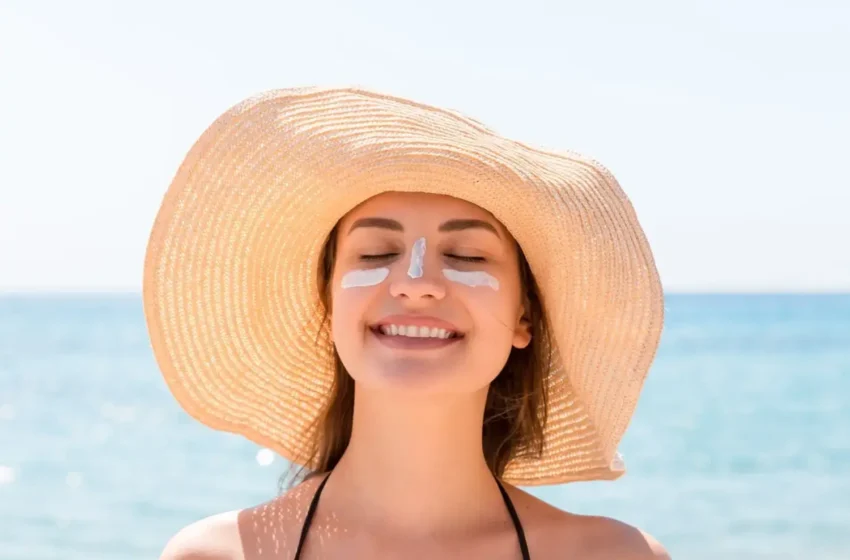
Top 10 Best Sunscreen for Face Picks for Every Skin Type
Does your SPF look perfect in the bottle but feel heavy, shiny, or chalky on your skin? That problem can turn an important daily habit into a step you quietly avoid.
The best sunscreen for face is not simply the formula with the highest number or the most viral reviews. It must offer broad protection, suit your skin, work with your routine, and feel comfortable in the correct amount. Otherwise, even a premium product may stay unused.
This updated guide compares ten strong options for dry, oily, sensitive, acne-prone, and melanin-rich complexions. You will also learn how to read labels, avoid common application errors, understand safety questions, and choose a finish that works under makeup or on bare skin.
What Makes the Best Sunscreen for Face Effective?
Dermatologists recommend broad-spectrum SPF 30 or higher and water resistance for outdoor use. Broad spectrum means protection against UVA and UVB radiation. UVA contributes to early skin aging, while UVB is a major cause of sunburn.
Application matters just as much. The American Academy of Dermatology recommends at least one teaspoon for the face and reapplication every two hours outdoors, as well as after swimming or sweating. A high rating cannot make up for a thin, uneven layer.
Before buying, check for:
- Broad-spectrum coverage
- SPF 30 or higher
- A texture suited to your skin
- Water resistance when needed
- A finish you can wear generously
Moreover, consider the weather. A rich cream that feels soothing in winter may become uncomfortable during a humid summer.
Top 10 Best Sunscreen for Face Picks
1. La Roche-Posay Anthelios UV Control SPF 50 — Best Overall
This formula is designed for daily use on acne-prone and rosacea-prone complexions. The brand describes it as invisible SPF 50 protection and includes azelaic acid.
Best for: Acne, redness, and combination skin
Finish: Light and invisible
Patch-test it first if your skin reacts easily. Also, check its water-resistance directions before using it for swimming or demanding outdoor exercise.
2. EltaMD UV Clear SPF 46 — Best for Acne-Prone Skin
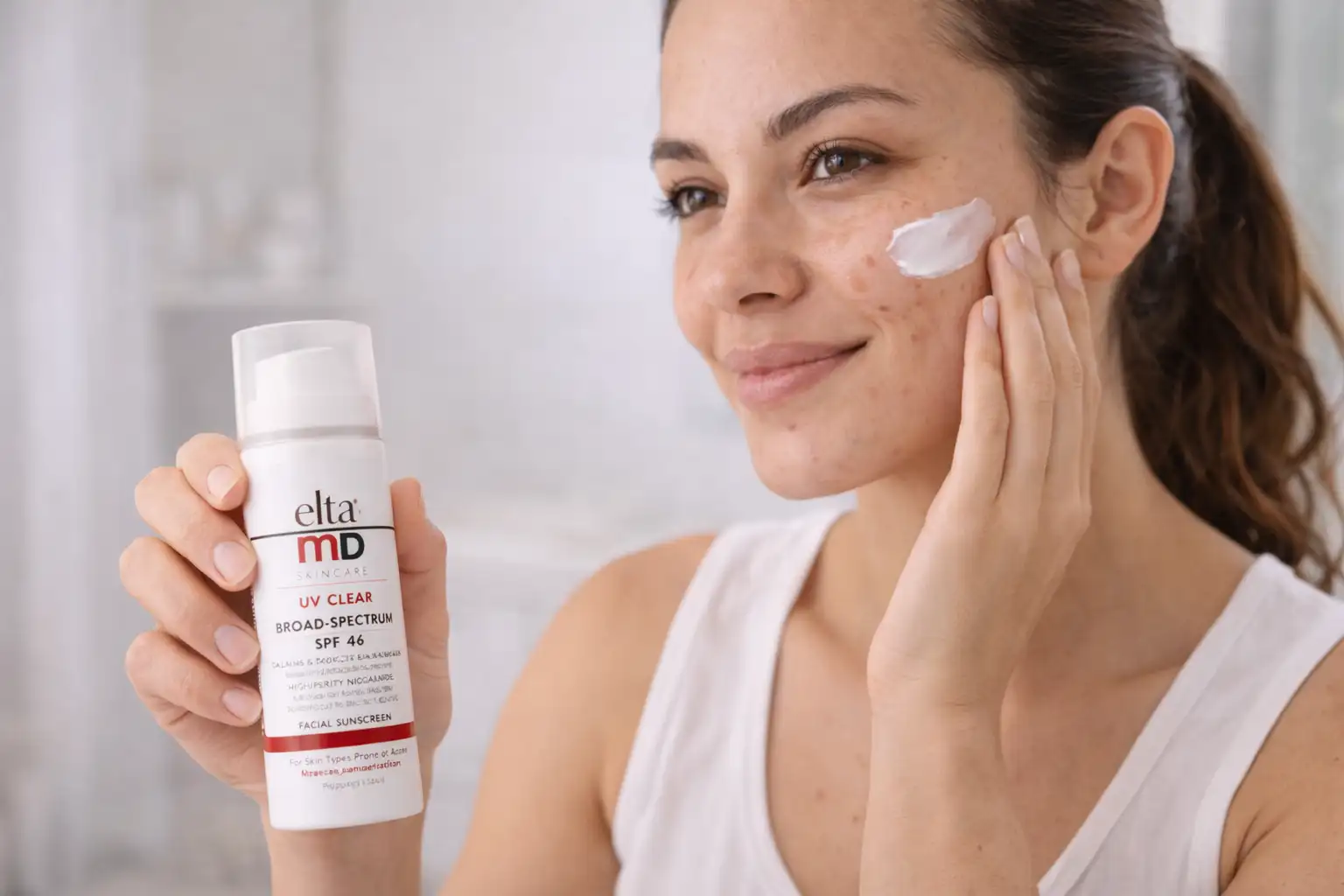
EltaMD UV Clear contains 5% niacinamide and is marketed for blemish-prone skin and uneven tone. It also comes in tinted and untinted versions.
Best for: Acne, redness, and post-blemish marks
Finish: Light lotion
The gentle-looking texture fits easily into a simple acne routine. However, niacinamide can irritate a small number of highly reactive users.
3. Beauty of Joseon Relief Sun SPF50+ — Best for Dry Skin
The popular beauty of joseon sunscreen uses modern organic UV filters and carries an SPF50+ PA++++ rating. The brand positions the original Relief Sun formula for normal, dehydrated, and dry skin.
Best for: Normal, dry, and dehydrated complexions
Finish: Creamy with a fresh glow
Oily users may prefer the lighter Aqua-Fresh version. In addition, check the package for water-resistance information before choosing it for sport or beach use.
4. Supergoop Unseen SPF 50 — Best Under Makeup
The clear gel texture of supergoop sunscreen is designed to work as UV protection and a makeup primer. The current Unseen SPF 50 formula is described as invisible and holds the Skin Cancer Foundation Seal of Recommendation.
Best for: Makeup wearers and people who dislike white residue
Finish: Clear and primer-like
Apply enough product rather than treating it like a traditional primer. A very thin layer may look smooth but may not provide the protection stated on the label.
5. Eucerin Clear Skin SPF 50 — Best for Oily Skin
Eucerin Clear Skin, previously called Oil Control, contains oil-absorbing minerals and an antioxidant complex. The brand recommends it for oily and acne-prone complexions.
Best for: Oily and breakout-prone skin
Finish: Dry-touch
For anyone seeking sunscreen for oily skin, this is a practical choice. Its larger facial bottle may also make generous daily use more affordable.
6. Black Girl Sunscreen Make It Matte SPF 45 — Best for Deeper Skin Tones
Make It Matte SPF 45 is a facial gel focused on oil control and avoiding pale residue on melanin-rich complexions. The brand describes it as broad spectrum, lightweight, and mattifying.
Best for: Deeper skin tones and oily complexions
Finish: Clear and matte
The formula addresses two common concerns at once: excess shine and the grey or chalky appearance some UV products leave on darker skin.
7. Colorescience Face Shield Flex SPF 50 — Best Tinted Option
Face Shield Flex is a tinted, all-mineral formula with iron oxide pigments and a demi-matte finish. It is currently offered in six flexible shades.
Best for: Uneven tone and dark marks
Finish: Tinted and buildable
Tinted products with iron oxides may add protection against visible light, which can be helpful for people concerned about pigmentation and melasma.
Nevertheless, flexible color technology does not remove the need for shade testing. Apply the full amount and inspect the result in daylight.
8. CeraVe Hydrating Mineral Face Lotion SPF 50 — Best for Sensitive Skin
CeraVe uses zinc oxide and titanium dioxide in an oil-free lotion. The brand describes it as suitable for sensitive skin, while ceramides support its barrier-focused design.
Best for: Sensitive and normal-to-dry skin
Finish: Moisturizing lotion
This is a practical mineral sunscreen, although people with deeper complexions should test a full application for visible cast.
Mineral filters are not automatically irritation-free. Therefore, patch testing remains useful, especially when the skin barrier is already damaged.
9. ISDIN Eryfotona Actinica SPF 50+ — Best Premium Mineral Fluid
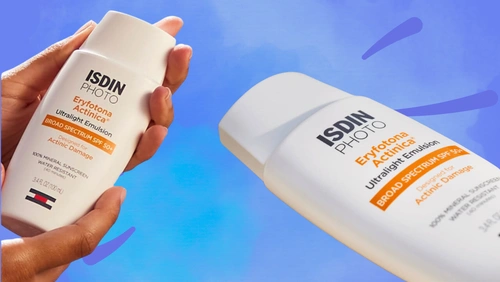
ISDIN Eryfotona Actinica is a light, non-tinted zinc oxide fluid. Its official page lists 11% zinc oxide, water resistance, a non-comedogenic finish, and the company’s DNA Repairsomes technology.
Best for: Mature skin and mineral-filter users
Finish: Fast-absorbing and non-greasy
The fluid consistency may appeal to people who dislike thick zinc creams. However, no cosmetic product replaces medical assessment of a suspicious, painful, bleeding, or changing skin spot.
10. Neutrogena Clear Face SPF 50 — Best Budget Pick
Neutrogena Clear Face is an oil-free, fragrance-free, oxybenzone-free lotion marketed for oily and acne-prone skin. Its three-ounce bottle also offers better value than many small prestige tubes.
Best for: Oily skin and budget-conscious users
Finish: Lightweight lotion
This product is especially practical for students and regular outdoor users. A lower price can make it easier to apply a generous amount without trying to conserve every drop.
Quick Comparison by Skin Type
| Skin need | Strong starting point |
| Oily | Eucerin Clear Skin |
| Acne-prone | EltaMD UV Clear |
| Dry | Beauty of Joseon Relief Sun |
| Sensitive | CeraVe Hydrating Mineral |
| Deeper skin tone | Black Girl Sunscreen Make It Matte |
| Dark spots | Colorescience Face Shield Flex |
| Under makeup | Supergoop Unseen |
| Budget | Neutrogena Clear Face |
| Premium mineral | ISDIN Eryfotona Actinica |
| Redness-prone | La Roche-Posay UV Control |
How to Choose the Best Sunscreen for Face
Match the Finish to Your Skin
Oily complexions often prefer gels, serum fluids, or matte lotions. Dry complexions usually do better with creams containing humectants and emollients.
Combination skin may need a dry-touch fluid in summer and a creamier option in winter. Moreover, people using drying acne treatments may need more moisture than their usual skin type suggests.
Match It to Your Activity
A comfortable office formula may not be suitable for a two-hour run. For swimming, exercise, or humid outdoor work, choose a label showing 40 or 80 minutes of water resistance.
The FDA states that no formula is truly waterproof. Water-resistance claims describe a tested period, not unlimited protection.
Do Not Rely on “Natural” Marketing
A natural sunscreen claim does not tell you whether the product offers broad-spectrum coverage, enough SPF, or tested water resistance. Read the active ingredients and directions instead.
In the United States, sun-protection products are regulated as over-the-counter drugs. In June 2026, the FDA added bemotrizinol as a permitted active ingredient, marking the first new addition to the US monograph in about two decades.
How to Apply Face SPF Without Pilling
My practical rule is to test every formula at the full intended amount, not as a tiny hand swatch. A product can feel elegant in one small dot yet become shiny, patchy, or visible when applied correctly.
Use this order:
- Cleanse or rinse your face.
- Apply a treatment serum.
- Add moisturizer only when needed.
- Let thick layers settle.
- Apply SPF to the face, ears, jaw, and neck.
- Wait briefly before applying makeup.
Pilling often comes from too many layers, incompatible textures, or rubbing after the protective film starts setting. Therefore, simplifying the routine may work better than immediately replacing the product.
Applying the formula in two thinner passes can also help. However, do not reduce the total amount simply to achieve a smoother cosmetic finish.
Does Sunscreen Prevent Tanning?
The question does sunscreen prevent tanning needs a careful answer. Correct use greatly reduces UV exposure and can limit tanning, but no formula blocks 100% of ultraviolet radiation.
Tanning can still happen when you use too little, miss areas, stay outdoors for hours, or fail to reapply. Moreover, a tan is a response to UV injury rather than proof of healthy exposure.
Combine facial protection with shade, sunglasses, a wide-brimmed hat, and protective clothing. These added measures are especially important around midday.
What About Children?
The best sunscreen for kids is a broad-spectrum, water-resistant SPF 30 or higher that a child tolerates and a caregiver can apply generously. The AAD recommends keeping babies younger than six months mainly in shade and protective clothing.
Children do not need a luxury facial formula. A simple, fragrance-free lotion with clear age directions is often more practical.
Moreover, do not spray a product directly toward a child’s face. Spray it onto an adult’s hands first when the label permits facial application.
Does Sunscreen Cause Cancer?
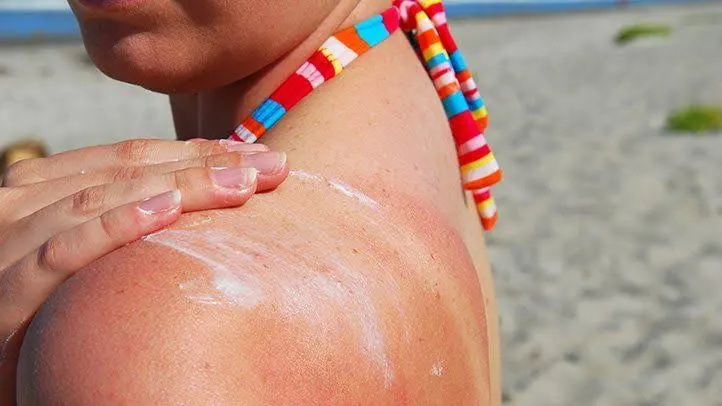
The search question does sunscreen cause cancer is often driven by posts that confuse ingredient absorption with proof of disease. The FDA says some active ingredients can enter the body and that more safety data are important, but it continues to encourage protection because the public-health benefits are well recognized.
Current evidence does not justify abandoning SPF. People who remain concerned can choose zinc oxide or titanium dioxide and discuss allergies, pregnancy, or medical conditions with a qualified clinician.
In short, known UV risks should not be replaced by fear based on incomplete or misleading social media claims.
Common Facial SPF Mistakes
Even the right formula can perform poorly when it is used incorrectly. Common errors include:
- Applying only a few small dots
- Missing the ears, hairline, neck, and jaw
- Depending only on foundation with SPF
- Forgetting to reapply outdoors
- Using an expired bottle
- Choosing a daily office formula for swimming
- Applying makeup before the protective layer settles
- Buying popular imported products from unclear sellers
The FDA advises following expiration information. When no expiration date is shown, products without supporting stability information should generally be treated as expired three years after purchase.
Conclusion
The right facial SPF should protect well, feel comfortable, and match your real routine. La Roche-Posay offers a balanced all-rounder, EltaMD suits many acne-prone users, Eucerin manages shine, CeraVe provides a mineral option, and Colorescience adds tinted coverage.
Apply enough, cover missed areas, and reapply outdoors. In addition, use shade, protective clothing, hats, and sunglasses during extended exposure.
The most effective formula is not always the most expensive or famous. It is the one you can use generously and consistently every day.
People Also Ask
What is the best brand sunscreen for face?
There is no single best brand. La Roche-Posay, EltaMD, Eucerin, CeraVe, Beauty of Joseon, and Colorescience each serve different skin types, finishes, activities, and budgets.
Which is the best sunscreen for the face?
Choose broad-spectrum SPF 30 or higher that suits your skin and activity. For a versatile starting point, consider La Roche-Posay Anthelios UV Control SPF 50 or EltaMD UV Clear SPF 46.
Which sunscreen has a 5 star rating?
Ratings change by retailer, country, and review count, so a perfect score is not a stable quality measure. A 5.0 average from five reviews is less useful than a 4.7 average from thousands.
What is the best face SPF?
SPF 30 is the widely recommended minimum, while SPF 50 gives a useful margin when application is imperfect. Broad-spectrum coverage and reapplication matter as much as the number.
Which is the world’s best sunscreen?
No product can hold that title for every climate, skin tone, and skin condition. The winner is an authentic, tested formula you can afford, tolerate, apply generously, and reapply.
⭐ Make MindLiva Your Preferred Source on Google
Get trusted health, wellness, and lifestyle articles from MindLiva.
Add MindLiva
Samie Babaei is a medical science student at Shahid Beheshti University of Medical Sciences with a strong interest in health, wellness, and medical research. As a health writer and researcher at MindLiva, she focuses on creating clear, evidence-based content that helps readers better understand health and well-being.