



Why Choose Natural Sunscreen for Daily Sun Protection
Have you ever turned over an SPF bottle and wondered whether you recognize any of the ingredients? As interest in simple skin care grows, more people are looking for natural sunscreen that feels gentle, offers dependable protection, and fits easily into a daily routine.
However, the word “natural” does not automatically mean safer, cleaner, or more effective. It is often a marketing term rather than a regulated measure of UV protection. What matters most is whether the product offers broad-spectrum coverage, sufficient SPF, a suitable texture, and clear testing information.
This guide explains how naturally marketed formulas work, which filters to look for, how mineral and organic options differ, and why homemade recipes are risky. You will also learn how to choose a product for oily, dry, sensitive, and darker skin while avoiding common application mistakes.
What Does Natural Sunscreen Really Mean?
There is no single scientific definition that all manufacturers must follow when they use the word “natural” on sun-care packaging.
In most cases, the label refers to a formula that uses zinc oxide, titanium dioxide, plant-derived supporting ingredients, or fewer synthetic fragrances and dyes. However, two products carrying the same description may have very different active ingredients and protection levels.
Therefore, judge the formula by its active UV filters and tested claims, not by the front-label wording.
A reliable product should clearly state:
- SPF 30 or higher
- Broad-spectrum UVA and UVB protection
- Water resistance when needed
- Active UV-filter percentages
- Application and reapplication directions
- An expiration date or shelf-life information
The American Academy of Dermatology recommends broad-spectrum, water-resistant SPF 30 or higher for exposed skin during outdoor activity.
Natural Does Not Automatically Mean Gentle
Plant extracts, essential oils, fragrances, and botanical preservatives can still irritate sensitive skin. For example, a product containing citrus oils may look wholesome on the label but cause discomfort for someone with eczema or rosacea.
Meanwhile, a simple laboratory-made formula may be fragrance-free, stable, and easier for reactive skin to tolerate.
In short, ingredient origin and skin tolerance are not the same thing. Patch-test new products and focus on the complete formula rather than assuming every plant-derived ingredient is harmless.
How Mineral UV Filters Protect the Skin
A product containing zinc oxide, titanium dioxide, or both is commonly classified as a mineral sunscreen. These ingredients create a protective film that primarily absorbs UV radiation while also reflecting and scattering part of it.
Zinc oxide can provide broad UVA and UVB coverage. Titanium dioxide is effective against UVB and some UVA wavelengths, so manufacturers often combine the two filters or use zinc oxide as the main active ingredient.
Mineral formulas are frequently recommended for:
- Sensitive complexions
- Rosacea-prone skin
- People who experience stinging
- Young children
- Users who prefer zinc-based protection
Dermatologists commonly suggest zinc oxide and titanium dioxide for reactive skin because they tend to cause less irritation than some other active filters.
Why Some Mineral Products Leave a White Cast
Zinc and titanium particles are naturally pale. As a result, an untinted formula can create a grey, purple, or chalky film, particularly on medium and deep skin tones.
Modern brands reduce this effect by using smaller particles, improved dispersion systems, or skin-tone pigments. Tinted formulas can also contain iron oxides, which help the product blend more naturally and may add protection from visible light.
For example, someone who experiences a strong white cast may achieve a better result with a tinted fluid rather than a thick white zinc cream. The AAD specifically recommends tinted options for people who want to avoid visible residue.
Natural Sunscreen vs. Chemical Formulas
The difference between mineral and chemical protection comes mainly from the active filters.
Mineral products use zinc oxide or titanium dioxide. Chemical, also called organic-filter, formulas use ingredients such as avobenzone, octisalate, octocrylene, bemotrizinol, or other approved filters, depending on the country.
Both types can protect effectively when they are:
- Broad spectrum
- SPF 30 or higher
- Applied generously
- Reapplied as directed
- Suitable for the planned activity
The better choice is usually the formula that suits your skin and that you can wear in the correct amount.
When a Chemical Formula May Feel Better
Organic filters often allow manufacturers to create lighter gels, clear fluids, and invisible primers. Products such as beauty of joseon sunscreen are popular partly because modern filters can produce a thin, comfortable finish without the traditional pale residue.
Likewise, supergoop sunscreen includes clear and primer-like options aimed at people who dislike thick creams.
However, some users experience stinging around the eyes or irritation from particular active or inactive ingredients. A reaction to one product does not mean every organic-filter formula will cause the same problem.
When a Mineral Formula May Be Better
A zinc-based formula may suit you when your face burns or stings after applying other products. It can also be a sensible starting point for rosacea, easily irritated skin, or children over six months.
Still, mineral does not mean weightless. Some zinc creams feel rich, dry, or difficult to blend. The best solution is to compare several textures rather than judging the entire category after one poor experience.
How to Choose Natural Sunscreen for Your Skin Type
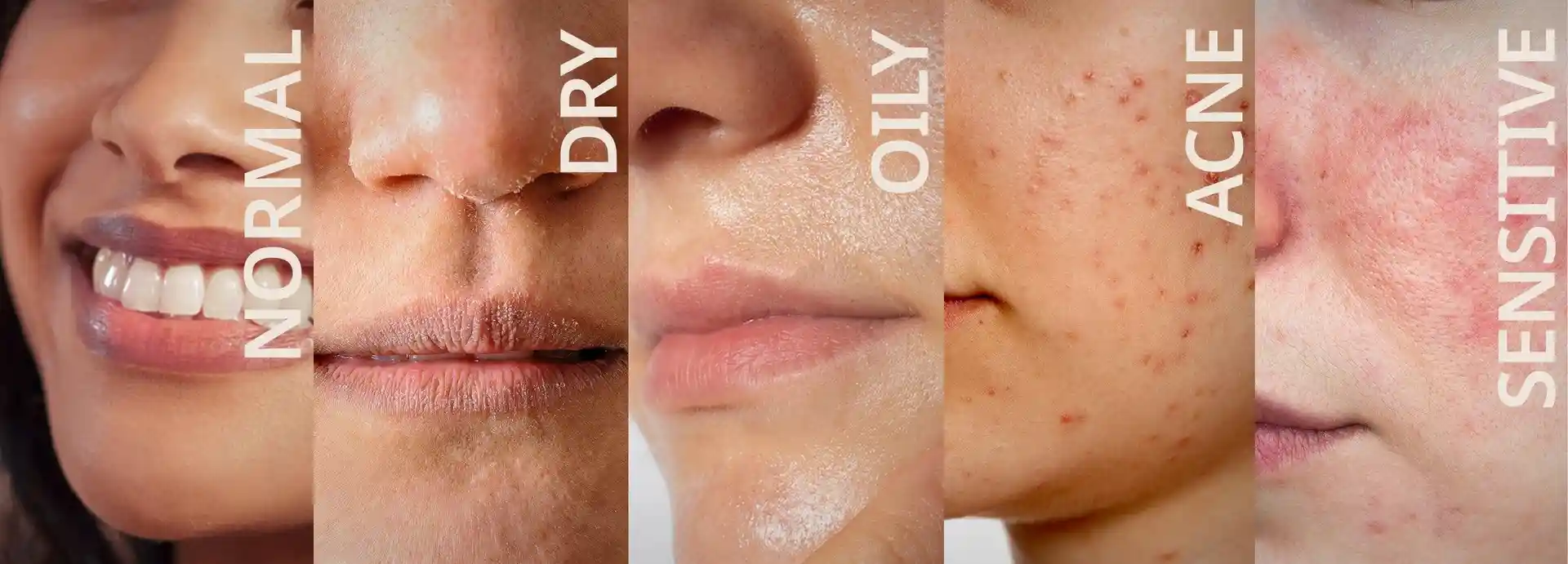
Skin type affects how a formula looks, feels, and wears throughout the day. Climate and skin-care products underneath it also matter.
Oily and Acne-Prone Skin
When shopping for sunscreen for oily skin, look for terms such as:
- Oil-free
- Non-comedogenic
- Matte finish
- Fluid or gel texture
- Fragrance-free
- Won’t clog pores
The AAD recommends checking for “non-comedogenic” wording when clogged pores are a concern.
A thin zinc fluid may feel more comfortable than a rich mineral cream. Moreover, you may not need a separate moisturizer in warm weather if the SPF formula already provides enough hydration.
For deeper complexions, brands such as black girl sunscreen have helped bring more attention to transparent finishes and the need to avoid visible ashiness.
Dry or Dehydrated Skin
Dry skin often benefits from a cream containing glycerin, squalane, ceramides, hyaluronic acid, or other moisturizing agents.
Avoid strongly mattifying formulas when your skin already feels tight. They may emphasize flaky patches and make makeup look uneven.
Instead, choose a smooth lotion and apply it over a basic moisturizer. Allow the moisturizer to settle before adding UV protection to reduce pilling.
Sensitive or Rosacea-Prone Skin
Look for zinc oxide, titanium dioxide, fragrance-free labeling, and a short ingredient list. The AAD suggests mineral filters for people whose skin stings or burns with other formulas.
Patch-test the product near your jaw for several days. Stop using it if you develop persistent redness, swelling, itching, or burning.
Also remember that “unscented” and “fragrance-free” are not always identical. An unscented product may contain ingredients that mask another smell.
Darker Skin Tones
For brown and Black skin, cosmetic finish is an important part of regular use. A formula that creates a strong grey layer is unlikely to become a comfortable daily habit.
Look for:
- Tinted zinc formulas
- Sheer mineral fluids
- Flexible pigments
- Products tested on multiple skin tones
- Clear application photographs
Test the full recommended amount in daylight. A small hand swatch does not show how a product will appear over the whole face.
How to Read a Natural Sunscreen Label
Front-label claims are designed to attract attention. The Drug Facts or active-ingredient panel provides more useful information.
SPF
SPF mainly measures protection against UVB radiation, which is strongly linked with sunburn. Higher numbers offer more protection, but no product blocks 100% of ultraviolet exposure.
The AAD recommends SPF 30 or higher.
Broad Spectrum
Broad-spectrum labeling means the formula is intended to protect against both UVA and UVB radiation.
UVA contributes to premature aging and reaches the skin throughout daylight hours. UVB is a major cause of burning. Both forms of exposure contribute to skin damage.
Water Resistance
No formula is truly waterproof. Water-resistant products are tested to maintain protection for either 40 or 80 minutes during swimming or sweating, depending on the label.
They still need to be reapplied after the stated period, after towel drying, and at least every two hours during outdoor exposure.
Reef-Safe Claims
“Reef safe” sounds reassuring, but the FDA has not established a standard definition for the term. The AAD also notes that current research about specific filters and real-world coral damage remains limited and does not provide simple answers.
Therefore, avoid treating reef-related marketing as proof that a product is environmentally harmless. Follow local rules, reduce unnecessary waste, and use protective clothing to limit how much lotion enters the water.
Can You Make Natural Sunscreen at Home?
Social media recipes often combine coconut oil, shea butter, beeswax, essential oils, and zinc powder. They may look simple and affordable, but they cannot provide predictable protection.
Commercial formulas require careful control of particle size, ingredient distribution, stability, water resistance, preservation, and packaging. A homemade mixture may contain concentrated zinc in one area and almost none in another.
The AAD warns that DIY formulas do not undergo standardized SPF, broad-spectrum, shelf-life, or water-resistance testing. Differences between batches can leave users vulnerable to burns, premature aging, and skin cancer.
The Skin Cancer Foundation also advises that vegetable oils, fruit oils, coconut oil, and beef tallow do not provide dependable protection. Even adding zinc oxide at home cannot guarantee that it will spread evenly or remain effective.
Does Natural Sunscreen Prevent Tanning?
The question does sunscreen prevent tanning requires some context. Correct application can reduce tanning by limiting UV exposure, but no topical formula blocks every ray.
A tan can still develop when:
- Too little product is used
- Areas are missed
- Reapplication is delayed
- The skin is exposed for many hours
- Sweat or water removes the protective film
- Clothing and shade are not used
The CDC explains that a tan is a sign of UV injury, not a sign of health. When UV radiation reaches the skin, pigment production increases as part of the damage response.
Therefore, combine SPF with hats, shade, sunglasses, and clothing rather than using tanning as evidence that a product failed completely.
Does Sunscreen Cause Cancer?
The question does sunscreen cause cancer is often linked to confusing or alarming social-media posts.
There is no good evidence that properly regulated UV-protection products cause skin cancer. In contrast, excessive ultraviolet exposure is a known cause of skin damage and cancer.
Occasional recalls involving contamination should not be confused with the normal ingredient profile of every product. For example, the Skin Cancer Foundation notes that benzene is not intentionally included as a standard active ingredient; earlier recalls involved contamination in certain products.
People who remain concerned about organic filters can choose products using zinc oxide or titanium dioxide. However, stopping all UV protection because of online misinformation may increase a well-established health risk.
How to Apply Natural Sunscreen Correctly
Even an excellent formula gives weaker protection when applied too thinly.
Apply it about 15 minutes before outdoor exposure. Cover the face, ears, neck, hairline, upper chest, and other exposed areas. The AAD recommends reapplication every two hours outdoors and after swimming, sweating, or towel drying.
A practical morning order is:
- Cleanser or water rinse
- Treatment serum
- Moisturizer when needed
- UV-protection product
- Makeup
Allow each rich layer to settle before applying the next. Moreover, press or spread the product gently rather than rubbing continuously after it starts forming a film.
Why Pilling Happens
Pilling can result from:
- Too many skin-care layers
- Heavy silicone combinations
- Thick products applied too quickly
- Rubbing after the formula begins drying
- Mixing oil-heavy and water-heavy textures
- Applying makeup immediately
Try simplifying the routine first. You can also apply the required amount in two passes, allowing the first layer to settle before adding the second.
Can You Protect Skin Without Sunscreen?
Topical products are only one part of a complete sun-safety plan.
The CDC recommends a layered approach, especially when the UV Index is three or higher. This includes shade, long clothing, wide-brimmed hats, wraparound sunglasses, and broad-spectrum protection on uncovered skin.
Useful non-product strategies include:
- Avoiding strong midday sun
- Planning walks earlier or later
- Sitting beneath a solid umbrella
- Wearing tightly woven long sleeves
- Choosing UPF-rated clothing
- Using a wide-brimmed hat
- Wearing UV-blocking sunglasses
- Avoiding tanning beds
However, shade alone is not complete protection because UV radiation can reflect from water, sand, pavement, and nearby surfaces.
Natural Sun Protection for Children
The best sunscreen for kids should be broad spectrum, SPF 30 or higher, water resistant, easy to spread, and suitable for the child’s age.
For babies younger than six months, the AAD advises relying mainly on shade, lightweight protective clothing, hats, and measures that prevent overheating. For children six months and older, zinc oxide or titanium dioxide may cause less irritation.
Do not assume that “baby” is a strictly regulated performance category. Read the active ingredients, directions, age guidance, and water-resistance claim.
Comparing Popular Daily Options
Consumers often compare mineral products with Korean and American formulas when searching for the best sunscreen for face.
A zinc-based lotion may suit reactive skin, while a modern organic-filter formula may provide a thinner finish. The right choice depends on comfort, protection claims, skin tone, climate, and activity.
Rather than asking which brand is universally best, ask:
- Can I apply enough without discomfort?
- Does it leave visible residue?
- Does it sting my eyes?
- Is it water resistant when needed?
- Can I afford to use it generously?
- Does it work beneath makeup?
- Is the seller trustworthy?
This practical checklist is more useful than relying only on viral popularity.
Conclusion
Naturally marketed sun care can be a useful choice, particularly for people who prefer zinc oxide, titanium dioxide, fragrance-free formulas, or simple ingredient lists.
However, “natural” is not a guarantee of safety or performance. Broad-spectrum coverage, SPF 30 or higher, water resistance, correct application, and regular reapplication matter more than a marketing label.
Avoid homemade recipes because they cannot provide verified or evenly distributed protection. Instead, choose a tested product that fits your skin and combine it with shade, hats, sunglasses, and protective clothing.
The best daily choice is not the trendiest bottle. It is the formula you can apply generously, tolerate comfortably, and use consistently.
People Also Ask
What is the best natural sunscreen to use?
Choose a tested zinc oxide or titanium dioxide product with broad-spectrum SPF 30 or higher. It should also suit your skin type and offer water resistance when you swim, exercise, or sweat.
What can I use naturally for sunscreen?
Protective clothing, a wide-brimmed hat, sunglasses, and shade provide strong non-product protection. However, plant oils and food ingredients cannot replace a tested SPF formula on uncovered skin.
How can I make natural sunscreen?
Making SPF at home is not recommended. You cannot verify its protection level, filter distribution, stability, or water resistance without specialized manufacturing and laboratory testing.
How to make 100% organic sunscreen?
There is no safe home recipe that can guarantee broad-spectrum protection or a stated SPF. Buy a tested product and check its active ingredients instead of relying on unverified online formulas.
How can I protect my skin without sunscreen?
Use tightly woven clothing, a wide-brimmed hat, UV-blocking sunglasses, shade, and careful timing. These methods reduce exposure, but uncovered areas still benefit from a tested topical product.
⭐ Make MindLiva Your Preferred Source on Google
Get trusted health, wellness, and lifestyle articles from MindLiva.
Add MindLiva
Samie Babaei is a medical science student at Shahid Beheshti University of Medical Sciences with a strong interest in health, wellness, and medical research. As a health writer and researcher at MindLiva, she focuses on creating clear, evidence-based content that helps readers better understand health and well-being.