



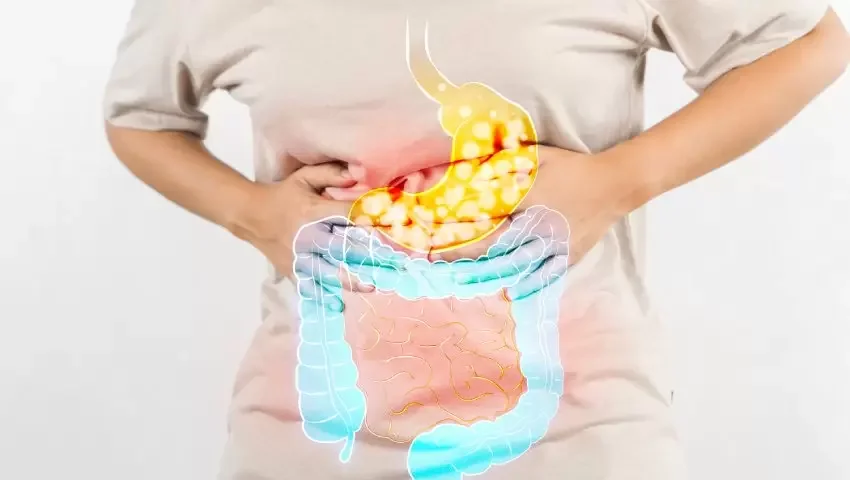
The 5 Most Common Constipation Symptoms and Their Causes
Have you ever felt bloated, uncomfortable, or like your body is not completely finished after using the bathroom? These experiences are common, but they may be signs that your digestive system needs more attention.
Understanding constipation symptoms is important because occasional digestive changes can happen to anyone, while ongoing problems may affect daily comfort, energy levels, and overall well-being.
The digestive system depends on a balance of fiber, fluids, movement, and healthy gut bacteria. When this balance changes, bowel movements can become slower and more difficult.
In this guide, we will explore the most common signs of constipation, explain what causes constipation, discuss lifestyle factors that influence bowel health, and share practical strategies that support better digestion.
Understanding Constipation Symptoms: Why They Matter
The digestive system works continuously to process food, absorb nutrients, and remove waste. When waste moves too slowly through the intestines, it can become harder and more difficult to pass.
While many people think digestive problems only involve infrequent bowel movements, the reality is more complex. The body can show several warning signs before the problem becomes severe.
The most common constipation symptoms include:
- Hard or dry stools
- Straining during bowel movements
- Feeling that the bowel has not completely emptied
- Fewer bowel movements than usual
- Bloating or abdominal discomfort
However, symptoms can vary from person to person. Someone may experience only one or two signs, while another person may notice several changes at the same time.
Moreover, paying attention to these signals early can help prevent discomfort from becoming a long-term issue.
1. Hard and Dry Stools: One of the Most Common Constipation Symptoms
Healthy stools usually pass easily because they contain enough water and fiber. When the body absorbs too much water from waste, stools can become hard, dry, and difficult to move.
This is one of the earliest signs that digestion may need support.
For example, a person who suddenly reduces vegetables, fruits, or whole grains may notice changes in stool texture within a few days.
Common reasons for hard stools include:
- Low fiber intake
- Not drinking enough water
- Reduced physical activity
- Changes in daily routine
- Ignoring the urge to use the bathroom
A simple improvement in diet and hydration can often make a noticeable difference.
Why Fiber Plays a Key Role
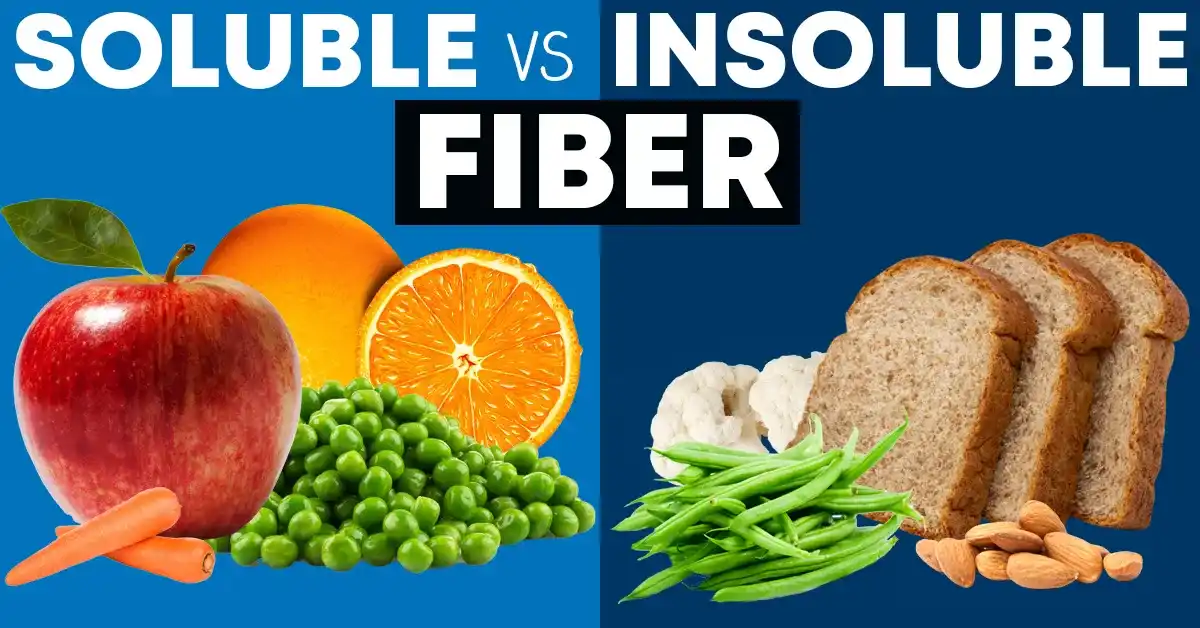
Fiber adds bulk to stool and helps it move through the digestive tract more efficiently. There are two main types of fiber:
Soluble fiber
- Absorbs water and creates a softer stool texture
- Found in oats, beans, apples, and chia seeds
Insoluble fiber
- Adds bulk and supports regular bowel movement
- Found in vegetables, whole grains, and nuts
Experts often recommend increasing fiber gradually because suddenly eating large amounts can increase gas and bloating.
2. Straining During Bowel Movements
Another major sign is needing to push hard or spend a long time trying to pass stool.
Occasional straining may happen, but frequent difficulty can indicate that stool is moving too slowly or has become too firm.
Many people underestimate this symptom because they consider it a normal part of digestion. However, repeated straining may contribute to discomfort and can increase pressure around the rectal area.
Common Factors That Increase Straining
Several lifestyle habits can make bowel movements more difficult:
- Sitting for long periods
- Low daily movement
- Poor bathroom habits
- Insufficient fiber intake
- Stress and changes in routine
Moreover, your body’s natural signals matter. Regularly ignoring the urge to go can train the bowel to become less responsive over time.
3. Feeling Like Your Bowel Has Not Fully Emptied
One overlooked symptom is the sensation that waste remains after a bowel movement.
You may finish using the bathroom but still feel uncomfortable, heavy, or as if you need to return shortly afterward.
This feeling can happen because stool is moving slowly or because the muscles involved in elimination are not working efficiently.
Improving daily habits may help, including:
- Drinking enough fluids
- Eating more plant-based foods
- Staying physically active
- Creating a consistent bathroom routine
For people searching online for how to relieve constipation, experts often recommend starting with simple lifestyle changes before considering stronger options.
4. Fewer Bowel Movements Than Usual
Many people believe there is one “normal” number of bowel movements for everyone. However, digestive patterns naturally differ.
Some healthy individuals go several times per day, while others may go every other day.
The important factor is not only frequency but also comfort and stool quality.
A change from your normal pattern may deserve attention.
For example:
- Someone who usually has daily bowel movements but suddenly goes only twice a week may notice a problem.
- A person experiencing discomfort, bloating, and hard stools may need to improve digestive habits.
This is why understanding your personal baseline is valuable.
5. Bloating and Abdominal Discomfort
Bloating is another common digestive complaint linked with slow bowel movement.
When stool remains in the colon longer than usual, bacteria continue breaking it down, which can produce extra gas and discomfort.
People often describe bloating as:
- A feeling of fullness
- Tightness around the stomach area
- Increased abdominal pressure
- Temporary swelling after meals
However, bloating alone does not always mean a bowel issue. It can also result from food sensitivities, eating habits, or other digestive conditions.
Tracking your symptoms, meals, and lifestyle habits can help identify possible triggers.
What Causes Constipation? Common Lifestyle and Health Factors
Many people search for what causes constipation because the answer is not always obvious. Digestive changes usually result from a combination of diet, lifestyle, medications, and health conditions.
The most common causes include:
1. A Low-Fiber Diet
Modern diets often contain more processed foods and fewer plant-based ingredients.
Foods such as fruits, vegetables, legumes, and whole grains provide fiber that supports normal digestion.
A diet lacking these foods may slow bowel movement.
2. Not Drinking Enough Water
Water helps keep stool softer and easier to pass.
Although hydration needs vary depending on body size, activity level, and climate, regularly drinking too little fluid can contribute to harder stools.
A practical approach is to keep water available throughout the day instead of waiting until you feel extremely thirsty.
3. Lack of Physical Activity
Movement stimulates many body systems, including digestion.
People who spend most of the day sitting may experience slower bowel activity compared with those who walk or exercise regularly.
Even simple activities, such as daily walking, may support healthier bowel habits.
4. Stress and Changes in Routine
The connection between the brain and digestive system is powerful.
Stress, travel, changes in sleeping patterns, and emotional pressure can affect gut movement.
For example, some people notice digestive changes during busy work periods or after major lifestyle changes.
Constipation During Pregnancy: Why It Happens and How to Manage It
Pregnancy brings many changes to the body, and digestion is often affected. Constipation during pregnancy is common because hormonal changes can slow the movement of food through the digestive system.
As pregnancy progresses, the growing uterus may also put pressure on the intestines, making bowel movements more difficult.
Common reasons include:
- Increased levels of progesterone, which relaxes intestinal muscles
- Reduced physical activity due to pregnancy discomfort
- Increased iron intake from prenatal supplements
- Changes in diet and fluid needs
Fortunately, many gentle approaches can support digestive comfort during pregnancy.
Helpful habits include:
- Eating more fiber-rich foods
- Drinking enough water
- Taking safe, pregnancy-friendly physical activity
- Creating a regular bathroom routine
However, pregnant individuals should always discuss persistent digestive problems with a healthcare professional, especially if symptoms are severe or unusual.
Can Medications and Supplements Affect Constipation?
Many people are surprised to learn that certain medications and supplements can influence bowel habits.
Before changing any medication, always speak with a healthcare provider. Some medicines are essential for managing health conditions and should not be stopped without professional advice.
Does Iron Cause Constipation?
A common question is does iron cause constipation?
Yes, iron supplements can cause digestive side effects in some people, including harder stools, stomach discomfort, and changes in bowel frequency.
Iron is important because it supports healthy red blood cell production and helps prevent iron deficiency. However, some forms of iron are more likely to cause digestive discomfort than others.
Ways to reduce iron-related digestive issues may include:
- Increasing fiber intake
- Drinking adequate fluids
- Discussing alternative iron formulations with a doctor
- Adjusting timing of supplements if recommended
Do Steroids Cause Constipation?
Another common search question is do steroids cause constipation?
Some steroid medications may indirectly contribute to digestive changes, although constipation is not the most common side effect.
Steroids can affect the body in different ways depending on the type, dosage, and duration of use.
People taking long-term medications should monitor changes in digestion and discuss concerns with their healthcare provider.
What Helps With Constipation? Evidence-Based Lifestyle Strategies
Many people want to know what helps with constipation because they prefer practical solutions they can apply daily.
In most cases, improving basic habits can make a significant difference.
1. Increase Fiber Gradually
Fiber is one of the most important nutrients for healthy bowel movement.
Good sources include:
- Beans and lentils
- Vegetables
- Fruits
- Oats
- Whole-grain bread
- Nuts and seeds
However, adding too much fiber too quickly may cause extra gas. A gradual increase allows the digestive system to adjust.
2. Drink Enough Fluids
Fiber works best when combined with adequate hydration.
Water helps soften stool and supports smoother movement through the digestive tract.
Other helpful options may include:
- Warm water in the morning
- Herbal teas
- Water-rich fruits such as watermelon and oranges
However, sugary drinks and excessive caffeine may not provide the same digestive benefits.
3. Stay Physically Active
Regular movement supports natural intestinal activity.
You do not need intense workouts to support digestion. Simple activities can help, including:
- Walking after meals
- Stretching
- Light exercise routines
- Daily household movement
Consistency is usually more important than intensity.
Natural Constipation Relief: Foods That Support Better Digestion
When people search for constipation relief, they often look for quick solutions. While results vary from person to person, certain foods are widely recognized for supporting bowel regularity.
Examples include:
Prunes
Prunes contain fiber and natural compounds that may help stimulate bowel movement.
Kiwi
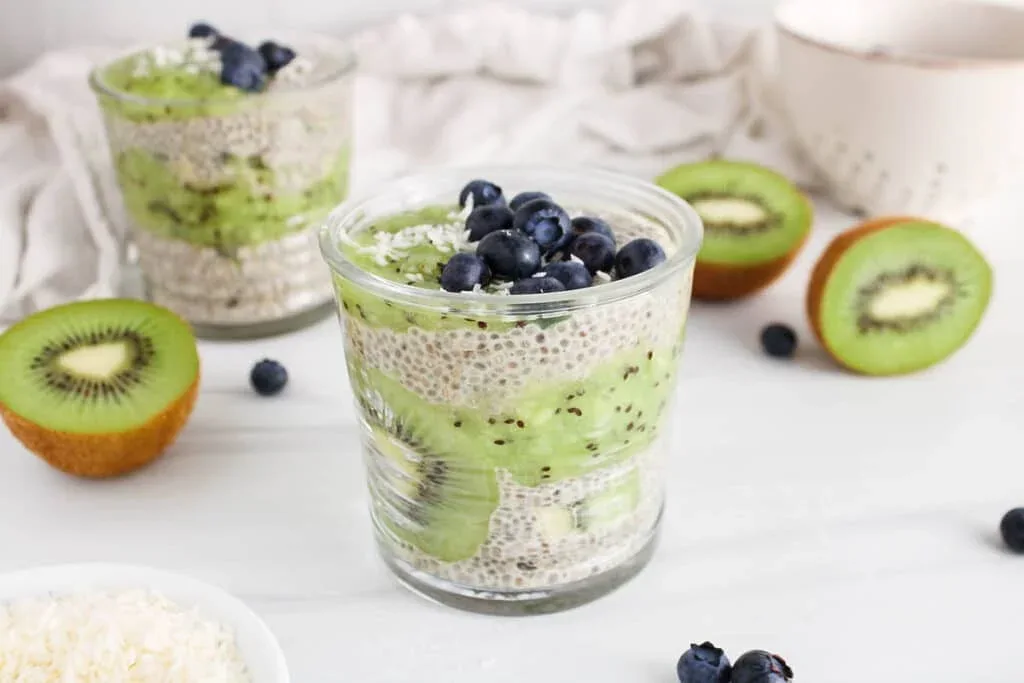
Kiwi provides fiber and nutrients that may support digestive function.
Chia Seeds
When soaked in liquid, chia seeds create a gel-like texture that can help add softness to stool.
Flaxseeds
Ground flaxseeds provide fiber and healthy fats that may support gut health.
High-Fiber Foods Chart for Constipation
A balanced diet can make a major difference in digestive health. Below is a simple high-fiber foods chart for constipation:
| Food | Fiber Benefit |
| Lentils | Rich in soluble and insoluble fiber |
| Chia seeds | Helps increase stool softness when hydrated |
| Oats | Supports healthy gut bacteria |
| Apples with skin | Provides natural fiber |
| Broccoli | Adds bulk to stool |
| Almonds | Provides fiber and healthy fats |
| Beans | One of the highest fiber food groups |
Combining different fiber sources is often more effective than relying on only one food.
Constipation Relief for Adults: Practical Daily Habits
For many adults, digestive improvement comes from small but consistent lifestyle adjustments.
Effective habits include:
- Create a bathroom routine
Try going to the bathroom at a regular time, especially after meals when the digestive system is naturally more active.
- Avoid delaying bowel movements
Ignoring the urge repeatedly can make bowel habits less regular.
- Improve your eating pattern
Regular meals can help regulate digestive activity.
- Reduce highly processed foods
Foods low in fiber may contribute to slower digestion when eaten frequently.
These approaches are often recommended as part of constipation relief for adults because they support long-term digestive health rather than only temporary results.
How to Relieve Constipation: When to Consider Additional Support
Many people can improve mild digestive issues through lifestyle changes. However, some situations require medical advice.
Contact a healthcare professional if you experience:
- Blood in stool
- Severe abdominal pain
- Unexplained weight loss
- Persistent changes in bowel habits
- Symptoms that continue despite lifestyle improvements
Understanding how to relieve constipation also means knowing when self-care is not enough.
Your digestive health is connected to your overall health, so ongoing symptoms should not be ignored.
When Should You Be Concerned About Constipation Symptoms?
Most digestive changes are temporary. However, certain warning signs deserve attention.
Seek medical guidance if you notice:
- Sudden changes in bowel habits
- Severe or increasing discomfort
- Vomiting
- Fever
- Persistent symptoms lasting several weeks
Early evaluation can help identify possible underlying causes and provide appropriate treatment.
Simple Ways to Support Long-Term Digestive Health
Healthy digestion is not about one single food or quick fix. It is usually the result of daily habits working together.
A supportive routine includes:
- Eating a variety of plant-based foods
- Staying hydrated
- Moving regularly
- Managing stress
- Sleeping well
- Listening to your body’s signals
Moreover, digestive health improves when you focus on consistency rather than perfection.
Conclusion
Recognizing the most common constipation symptoms can help you take action before discomfort affects your daily life.
Hard stools, straining, incomplete bowel emptying, fewer bowel movements, and bloating are important signs that your digestive system may need support.
The good news is that simple changes, such as eating more fiber, drinking enough fluids, staying active, and building healthy routines, can often improve digestive comfort.
In short, better digestion starts with small choices made consistently. Pay attention to your body, make gradual improvements, and seek professional advice when symptoms do not improve.
A healthy gut is an important part of overall wellness.
Frequently Asked Questions (FAQs)
What are 5 symptoms of constipation?
The five common signs include hard stools, straining, fewer bowel movements, incomplete emptying, and abdominal discomfort or bloating.
How to get rid of constipation quickly?
Drinking water, increasing fiber intake, walking, and eating fiber-rich foods may help. Severe or ongoing symptoms may require medical advice.
What foods are good for constipation?
Foods rich in fiber are helpful, including beans, oats, vegetables, fruits, chia seeds, flaxseeds, and whole grains.
What are the main causes of constipation?
Common causes include low fiber intake, dehydration, inactivity, stress, medication effects, and changes in routine.
What drink clears constipation?
Water is one of the most important choices. Warm drinks, adequate hydration, and certain fruit-based drinks may also support regular digestion.
⭐ Make MindLiva Your Preferred Source on Google
Get trusted health, wellness, and lifestyle articles from MindLiva.
Add MindLiva
Samie Babaei is a medical science student at Shahid Beheshti University of Medical Sciences with a strong interest in health, wellness, and medical research. As a health writer and researcher at MindLiva, she focuses on creating clear, evidence-based content that helps readers better understand health and well-being.