




What is Immunotherapy and Its Types in Cancer Treatment
Hearing that a cancer treatment can use your own immune system sounds almost futuristic. Yet this approach is already an established part of cancer care for many patients.
So, what is immunotherapy, and why has it changed the way doctors think about cancer treatment?
In simple terms, it is a treatment approach that helps the immune system recognize, control, or destroy cancer cells. Unlike chemotherapy, which directly damages rapidly growing cells, immune-based treatment often changes the way immune cells identify and respond to tumors. The National Cancer Institute describes it as biological therapy that helps the immune system fight cancer.
Moreover, the field is still developing quickly. New drug combinations and new treatment settings continued receiving FDA approval in 2026, showing how fast cancer care is evolving.
This guide explains the science in clear language, including treatment types, effectiveness, risks, cancer-specific uses, and the questions patients should discuss with their oncology team.
What Is Immunotherapy and Why Is It Different?
The human immune system is designed to find things that do not belong in the body, including viruses, bacteria, and abnormal cells.
Cancer makes this job difficult. Tumor cells develop from normal cells, and some learn how to hide from immune defenses or send signals that reduce immune activity.
This is where immunotherapy becomes important.
Instead of simply attacking a tumor from the outside, the treatment may strengthen immune activity, remove signals that hold immune cells back, or help immune cells recognize specific cancer targets.
A useful comparison is a car with an active brake. The engine may be powerful, but the vehicle cannot move properly while the brake is engaged. Some tumors effectively place a brake on cancer-fighting T cells.
Certain modern medicines remove that brake.
This idea led to immune checkpoint inhibitors, one of the biggest advances in modern oncology. In July 2026, the National Cancer Institute highlighted how decades of research into immune checkpoints helped transform treatment for cancers including melanoma, lung cancer, and bladder cancer.
How Does Immunotherapy Work Inside the Body?
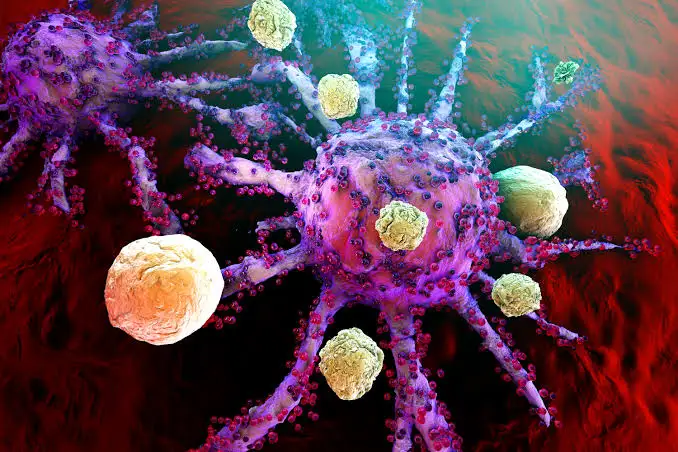
People often ask how does immunotherapy work if cancer originally grows from the body’s own cells.
The answer depends on the treatment being used.
Cancer cells can develop several ways to escape immune detection. Some produce proteins that tell immune cells to slow down. Others create a tumor environment that makes immune cells less effective.
Checkpoint-blocking medicines interfere with some of these signals. For example, drugs targeting PD-1, PD-L1, or CTLA-4 can allow T cells to remain active against tumor cells.
Other approaches work differently.
Doctors may collect immune cells from a patient, modify or multiply them in a laboratory, and then return them to the body. Cancer treatment vaccines may teach the immune system to recognize tumor-related antigens. Researchers are also developing increasingly personalized cellular treatments.
In short, there is no single immune-treatment mechanism.
The common goal is to make the body’s defense system more useful against cancer.
What Is Immunotherapy? Understanding the Main Treatment Types
The types of immunotherapy available today include several very different approaches.
1. Immune Checkpoint Inhibitors
Checkpoint inhibitors are among the best-known immune-based cancer medicines.
The immune system normally uses checkpoint proteins to prevent excessive attacks on healthy tissue. Unfortunately, tumors can use the same system to avoid being destroyed.
Checkpoint inhibitors block these signals.
Important targets include:
- PD-1
- PD-L1
- CTLA-4
By blocking these pathways, doctors can sometimes restore T-cell activity against cancer.
However, response is not guaranteed. Some tumors respond strongly, while others remain resistant.
2. CAR T-Cell Therapy
CAR T-cell therapy takes a more personalized approach.
Doctors collect a patient’s T cells and genetically engineer them so they carry special receptors known as chimeric antigen receptors. These receptors help the cells recognize specific targets on cancer cells.
The modified cells are then multiplied and returned to the patient’s body.
CAR T-cell treatment has had its greatest impact in certain blood cancers. Researchers continue studying ways to make it work more effectively against solid tumors.
3. Tumor-Infiltrating Lymphocyte Therapy
Tumors sometimes already contain immune cells trying to attack them.
These cells are known as tumor-infiltrating lymphocytes, or TILs.
Scientists can collect selected lymphocytes from a tumor, grow large numbers of them outside the body, and return them to the patient. The aim is to provide a much larger force of immune cells capable of recognizing the cancer.
Cell-based treatment remains an active area of research, especially for difficult-to-treat solid cancers.
4. Cancer Treatment Vaccines
Cancer treatment vaccines should not be confused with vaccines that prevent infections.
Instead, they aim to help immune cells recognize antigens linked with existing cancer.
Treatment vaccines can expose the immune system to selected tumor-related targets, encouraging an immune response against cells carrying those targets.
Researchers are also studying personalized neoantigen vaccines created around features found in an individual patient’s tumor. NCI reported encouraging research in kidney and pancreatic cancers in 2025, although such strategies remain an area of continuing study rather than a universal treatment.
5. Monoclonal Antibodies and Immune-Directed Drugs
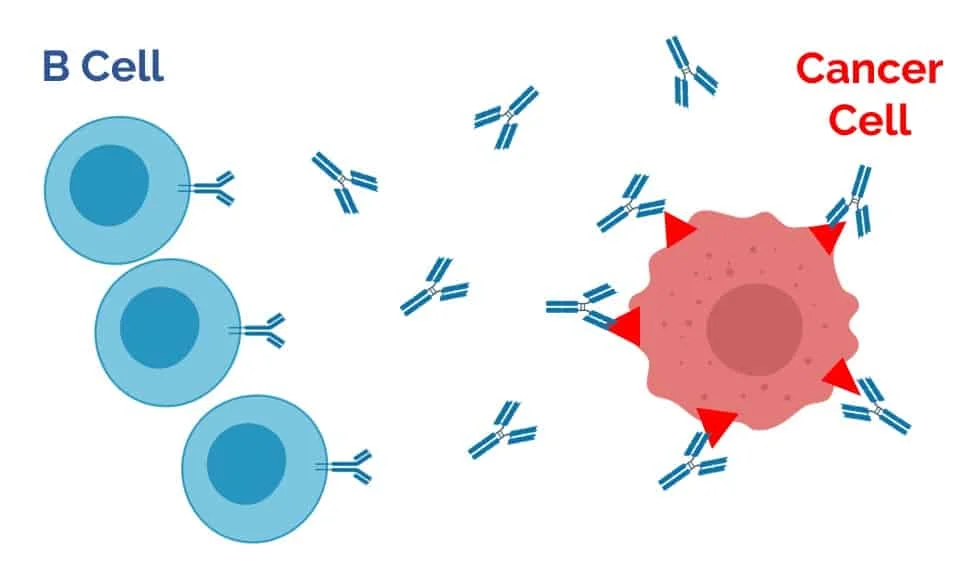
Laboratory-made antibodies can be designed to recognize specific proteins.
Some bind to cancer cells. Others bind to immune-system targets and change the way immune cells behave.
For example, pembrolizumab targets the PD-1 pathway. It has become part of treatment strategies across several cancers and continues to gain new approved uses.
What Is Immunotherapy Used for in Cancer Care?
The use of immunotherapy for cancer has grown significantly, but not every cancer or patient is treated in the same way.
Doctors may consider immune-based therapy for cancers such as:
- Melanoma
- Lung cancer
- Kidney cancer
- Bladder cancer
- Some breast cancers
- Certain blood cancers
- Liver cancer
- Head and neck cancers
- Some colorectal cancers
- Selected gynecologic cancers
The exact choice depends on the diagnosis, stage, biomarkers, previous treatments, and approved indications.
This is a critical point. Two people may have tumors in the same organ and still receive completely different treatment plans because the molecular biology of their cancers is different.
Why Biomarkers Matter
Modern cancer treatment increasingly uses biomarkers to guide decisions.
Doctors may test tumors for factors such as:
- PD-L1 expression
- Microsatellite instability
- Mismatch repair deficiency
- Tumor mutational burden
- Specific gene changes
For example, PD-L1 testing is used in certain treatment settings to help identify patients who may be appropriate candidates for specific checkpoint inhibitors. In February 2026, the FDA approved a pembrolizumab-containing regimen for certain platinum-resistant ovarian, fallopian tube, or primary peritoneal cancers with PD-L1 expression meeting a defined threshold.
A practical insight worth remembering is that asking about biomarker testing can sometimes be just as important as asking about the treatment itself.
Can Immunotherapy Cure Stage 4 Cancer?
The question can immunotherapy cure stage 4 cancer is understandable, especially when patients read dramatic stories about tumors disappearing.
However, the answer requires care.
Some patients with advanced cancers can experience very deep and long-lasting responses to checkpoint inhibitors or cell-based treatments. NCI has noted that, in rare but notable cases involving some advanced tumors, cancer has disappeared and not returned for extended periods.
Still, these results do not occur for everyone.
Stage 4 cancers vary greatly. Melanoma, lung cancer, kidney cancer, breast cancer, and other metastatic cancers have different biology and different response rates.
Therefore, doctors may talk about:
- Complete response
- Partial response
- Stable disease
- Progression-free survival
- Overall survival
- Durable response
The word cure is used cautiously in metastatic disease because cancer may sometimes return even after an excellent response.
In short, immune treatment can produce exceptional long-term control for some patients, but it should never be presented as a guaranteed cure.
Immunotherapy for Lung Cancer
The development of immunotherapy for lung cancer has been one of the most important changes in thoracic oncology.
Checkpoint inhibitors may be used in selected patients with non-small cell lung cancer and small cell lung cancer. Depending on the diagnosis, they may be given alone or combined with chemotherapy and other treatments.
For example, earlier clinical research showed that adding atezolizumab to chemotherapy improved survival in extensive-stage small cell lung cancer, helping establish immune treatment as part of care for this aggressive disease.
Tumor testing is also important. PD-L1 levels and certain genetic changes can influence the treatment strategy in non-small cell lung cancer.
Side Effects of Immunotherapy for Lung Cancer
The side effects of immunotherapy for lung cancer can range from mild tiredness or skin problems to serious immune-related inflammation.
Common checkpoint inhibitor effects include:
- Fatigue
- Diarrhea
- Skin rash
- Itching
- Changes in thyroid function
Less common reactions can occur when activated immune cells attack healthy organs.
For lung cancer patients, inflammation of the lungs, known as pneumonitis, deserves particular attention because symptoms such as worsening cough, chest discomfort, or shortness of breath may need urgent assessment.
Patients should report new symptoms promptly rather than waiting for the next routine appointment.
Breast Cancer Immunotherapy
The role of breast cancer immunotherapy is more selective than its use in cancers such as melanoma.
One important area is triple-negative breast cancer, which lacks estrogen receptors, progesterone receptors, and HER2 overexpression.
Checkpoint-directed treatment may be considered in specific early or advanced triple-negative breast cancer settings, often alongside chemotherapy.
However, breast cancer is not one single disease.
Hormone receptor status, HER2 status, stage, PD-L1 results, genetic findings, and previous treatment can all affect whether immune-directed therapy makes sense.
Immunotherapy for Liver Cancer
Interest in immunotherapy for liver cancer has also grown as doctors gain more treatment choices for hepatocellular carcinoma.
Immune checkpoint medicines are now part of systemic treatment strategies for selected patients with advanced liver cancer.
However, these decisions can be more complex because some patients also have cirrhosis or reduced liver function.
Doctors therefore consider both cancer control and liver health.
For example, a treatment that appears suitable based on the tumor may need adjustment if the liver cannot safely tolerate the planned approach.
How Effective Is Immune-Based Cancer Treatment?
Effectiveness varies dramatically.
One patient may have a strong response lasting years. Another patient with apparently similar disease may have little response at all.
Researchers are still trying to understand why.
Factors that can affect results include:
- Cancer type
- Cancer stage
- Tumor genetics
- Immune-cell activity
- PD-L1 expression
- Previous treatments
- Tumor microenvironment
- Overall health
Moreover, tumors can develop resistance after initially responding.
This is why current research increasingly focuses on combination treatments. Scientists are testing ways to strengthen tired T cells, change the tumor environment, and combine checkpoint blockade with other medicines.
Immune Therapy vs. Chemotherapy: What Is the Difference?
These treatments should not be viewed as rivals. Often, they are used together.
| Feature | Immune-Based Treatment | Chemotherapy |
| Main target | Immune response to cancer | Rapidly dividing cells |
| Treatment idea | Helps immune defenses attack tumors | Directly damages cancer cells |
| Response pattern | Can sometimes be long-lasting | Often produces more direct tumor killing |
| Side effects | May involve immune inflammation | Often affects hair, blood cells and digestive tissues |
| Combination | Often combined with other treatments | Frequently combined with other treatments |
Cancer care is becoming more personalized, which means the best treatment is the one supported by evidence for the patient’s particular tumor—not simply the newest treatment.
What Side Effects Should Patients Know About?

Immune-based cancer treatment can cause unusual side effects because activating the immune system can sometimes make it attack normal tissue.
Common problems may include:
- Fatigue
- Rash
- Itching
- Diarrhea
- Joint discomfort
- Infusion reactions
Checkpoint inhibitors can also cause inflammation in organs such as the bowel, lungs, liver, thyroid, and other endocrine glands.
Some reactions may begin during treatment. Others can develop later.
Moreover, CAR T-cell therapy can cause different complications, including cytokine release syndrome and neurologic problems. Because these treatments work differently, patients should receive clear guidance about symptoms that require urgent medical attention.
Why 2026 Is Another Important Year for Cancer Immune Therapy
The field continues to move quickly.
On June 12, 2026, the FDA approved belzutifan combined with pembrolizumab for certain adults with clear-cell renal cell carcinoma at intermediate-high or high risk of recurrence following surgery.
Then, on July 10, 2026, the FDA approved a pembrolizumab-based combination given around surgery for certain adults with muscle-invasive bladder cancer.
Only days later, on July 21, 2026, the National Cancer Institute published a review highlighting how checkpoint research has transformed outcomes for some people with advanced cancers.
These developments show why cancer treatment information needs regular updating.
A therapy that was used mainly in advanced disease may later move into earlier treatment. New combinations may also become available.
Therefore, patients with difficult or recurrent cancers can reasonably ask whether recent approvals or clinical trials have changed their options.
What About Oral Immunotherapy?
The term oral immunotherapy is often misunderstood.
It is widely used in allergy medicine, where carefully controlled exposure to an allergen may help reduce allergic sensitivity. That approach should not be confused with immune-based cancer treatment.
Cancer medicines may be given through an IV, injection, cells returned to the bloodstream, or other routes depending on the specific drug.
Always check the exact drug name rather than relying only on a broad treatment label.
Who May Be a Good Candidate?
Doctors consider several factors before recommending immune-directed cancer treatment.
These often include:
- Cancer type and subtype
- Stage
- Biomarker results
- Previous therapy
- Current medications
- Organ function
- Autoimmune history
- General health
- Treatment goals
Certain patients with autoimmune diseases or organ transplants may require especially careful assessment because activating immune responses can create additional risks.
Therefore, treatment decisions should always be made with an oncology team familiar with the patient’s complete medical history.
What Is Immunotherapy? The Main Takeaway
Understanding what is immunotherapy helps remove some of the mystery around one of modern medicine’s most important cancer treatment strategies.
Rather than fighting cancer through one single method, immune treatments use several approaches. Checkpoint inhibitors can remove signals that hold T cells back. Cellular treatments can give patients specially selected or engineered immune cells. Cancer vaccines can help immune cells recognize tumor-related targets.
However, these therapies do not work for everyone.
Cancer type, biomarkers, stage, previous treatment, and overall health all matter.
The encouraging news is that research continues to improve how doctors select patients and combine treatments. Recent FDA approvals in 2026 also show that immune-based therapies continue moving into new cancers and earlier stages of care.
For patients, the most valuable question may therefore be simple: “Does my tumor have a feature that makes me a good candidate for this treatment?”
That question can lead to a much more useful conversation than asking whether one cancer therapy is universally better than another.
Frequently Asked Questions
Is immune therapy better than chemotherapy?
Not always. The better option depends on the cancer, stage, tumor markers, previous treatment, and treatment goal. In some cancers, doctors use both approaches together.
How long does it take for immune therapy to work?
Timing varies. Some patients show changes within the first few scans, while others respond later. Doctors use imaging, symptoms, examination findings, and laboratory results to judge treatment response.
Does everyone with cancer qualify?
No. Eligibility depends on the tumor type, stage, biomarkers, approved treatment setting, overall health, and previous therapy.
Can cancer come back after a complete response?
Yes. Some complete responses last many years, while cancer can eventually return in other patients. Researchers are studying why certain responses are more durable than others.
What should I ask my doctor before starting treatment?
Ask about your expected benefit, biomarker results, treatment alternatives, possible serious side effects, warning symptoms, treatment schedule, and how your response will be measured.
⭐ Make MindLiva Your Preferred Source on Google
Get trusted health, wellness, and lifestyle articles from MindLiva.
Add MindLiva
Samie Babaei is a medical science student at Shahid Beheshti University of Medical Sciences with a strong interest in health, wellness, and medical research. As a health writer and researcher at MindLiva, she focuses on creating clear, evidence-based content that helps readers better understand health and well-being.