




Does Creatine Make You Gain Weight? Facts You Should Know
Have you stepped on the scale after starting a new supplement and noticed the number rising? It is easy to panic, especially when your main goal is losing fat. So, does creatine make you gain weight, and should that increase concern you?
The honest answer is yes, it can raise your body weight. However, the change usually comes from water stored in your muscles and, over time, added lean tissue. It does not automatically mean you are gaining body fat.
In this guide, you will learn why the scale may rise, how much change is normal, whether loading matters, and how supplementation can fit into a weight-loss plan. You will also learn how to tell the difference between water, muscle, and fat gain.
Does Creatine Make You Gain Weight or Body Fat?
Body weight and body fat are not the same thing. Your total weight includes muscle, fat, water, bones, organs, food, and other tissues.
When people ask whether a supplement causes weight gain, they often mean fat gain. That is an important difference because fat increases when you regularly consume more energy than your body uses.
A performance supplement does not contain enough energy to create meaningful fat gain by itself. However, it can increase the amount of water held in your muscles. It may also help you train harder, which can support muscle growth over time.
Research has found that supplementation may increase total body weight without increasing body-fat percentage. In one controlled study, participants gained body weight and body water, but their body-fat percentage and calorie intake did not significantly change.
Therefore, a higher scale reading is not always a negative result. It may simply show that your muscles are storing more water or responding to resistance training.
Why Does Creatine Make You Gain Weight So Quickly?
The first change usually comes from water retention inside muscle cells.
Muscles store the supplement’s active compounds with water. As muscle stores increase, water is pulled into the cells. This can make the muscles feel fuller and may cause the scale to rise within several days.
A scientific review reported that a traditional loading phase may increase body mass by about 1 to 3 kilograms during the first week, mainly because of additional body water. However, individual responses vary widely.
Some people gain very little. Others see a clear change almost immediately. Your starting muscle stores, body size, diet, training routine, carbohydrate intake, and dosage can all affect the result.
Water Inside Muscle Is Not the Same as Bloating
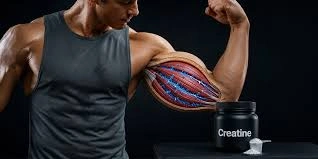
Many people hear “water retention” and imagine swollen ankles, a soft stomach, or a puffy face. Yet most early water gain is associated with muscle tissue.
This is generally different from uncomfortable fluid collecting under the skin. The muscles may look slightly rounder or fuller rather than soft and swollen.
Moreover, the International Society of Sports Nutrition notes that short-term water changes are mainly linked to intracellular volume. Longer studies do not always find a large change in total body water relative to muscle mass.
In simple terms, you may gain water early, but that does not mean you will remain bloated throughout long-term use.
How Much Weight Can You Expect to Gain?
There is no exact number that applies to everyone. However, common patterns include:
- Little or no measurable change with a low daily dose
- About 0.5 to 2 kilograms during the first few weeks
- As much as 1 to 3 kilograms after a high-dose loading phase
- A slower increase in lean body mass when combined with strength training
The NIH reports that several studies have found increases of approximately 1 to 2 kilograms within a month, often due to water retention and possibly increased muscle tissue.
However, not everyone responds in the same way. One six-week study using a low daily dose found improved resistance to fatigue without significant changes in body mass, fat mass, or total body water.
This shows why comparing your progress with someone else’s results can be misleading.
Factors That Affect the Scale
Your weight response may depend on:
- Dosage: Larger amounts usually produce faster changes.
- Loading: High initial doses fill muscle stores more quickly.
- Body size: People with more muscle may store larger amounts.
- Diet: Carbohydrates also increase stored glycogen and water.
- Training: Resistance exercise may support gradual muscle gain.
- Hydration: Daily fluid changes can affect scale readings.
- Time of measurement: Morning and evening weight often differ.
For a useful comparison, weigh yourself under similar conditions. For example, check your weight in the morning after using the bathroom but before eating or drinking.
What Does the Supplement Actually Do?
People often search what does creatine do because they know it is popular but do not understand its role.
The body stores it mainly in skeletal muscle, where it helps restore adenosine triphosphate, or ATP. ATP provides fast energy for short, demanding movements such as heavy lifting, sprinting, jumping, and repeated high-effort exercise.
The NIH states that it can improve strength, power, and the ability to perform repeated bursts of intense activity. It is less useful for long-duration endurance events such as distance running or cycling.
This is why many athletes and recreational gym users take creatine during resistance programs. It may help them complete an extra repetition, maintain power across several sets, or recover more effectively between short efforts.
Is the Weight Gain Water or Muscle?
At first, the gain is more likely to be water. Over several weeks or months, some of the added weight may be muscle—provided you are following an effective resistance-training plan.
Early Weight Gain
The first few days usually reflect increased water stored with compounds inside the muscles. It happens too quickly to represent a large amount of new muscle tissue.
For example, gaining 1.5 kilograms in five days does not mean you built 1.5 kilograms of muscle. Human muscle growth does not normally happen that quickly.
Long-Term Weight Gain
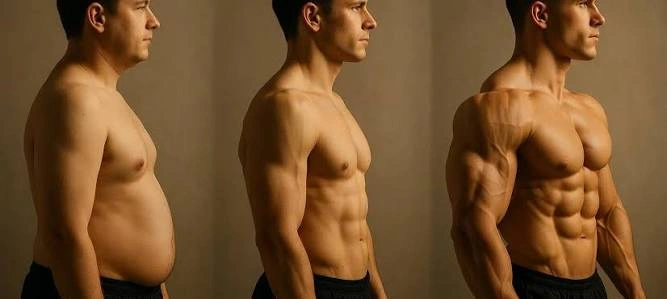
Over time, better training quality may help support lean-mass growth. A recent systematic review found that supplementation protocols can increase fat-free mass, particularly when paired with resistance exercise.
The creatine benefits therefore extend beyond a temporary scale change. The main value is improved high-intensity training performance, which may help create better conditions for strength and muscle development.
Still, the supplement does not build muscle while you sit still. Training, protein intake, sleep, and total calorie intake remain essential.
Does Creatine Make You Gain Weight During a Loading Phase?
A loading phase usually involves taking a higher daily amount for five to seven days. The dose is then reduced to a smaller maintenance amount.
Loading fills muscle stores quickly. As a result, it is also more likely to produce a fast increase on the scale.
However, loading is optional. Taking a standard daily amount can eventually produce similar muscle saturation, although the process takes longer.
A slower approach may suit people who:
- Feel anxious about sudden scale changes
- Experience stomach discomfort from large servings
- Are preparing for a weight-class event
- Want to track their response more clearly
- Prefer a simpler routine
Using creatine monohydrate without a loading phase may reduce the speed of the initial weight increase, although some water gain can still occur.
Can It Make You Gain Belly Fat?
There is no good evidence that it directly creates abdominal fat. Fat gain requires a sustained energy surplus, which means consuming more calories than your body needs over time.
However, someone may begin eating more after starting a new muscle-building program. Large protein shakes, mass gainers, snacks, and high-calorie meals can easily add hundreds of daily calories.
In that case, belly fat may increase because of the overall diet—not because of the supplement itself.
A 2023 systematic review found that combining supplementation with resistance exercise did not increase fat mass in adults younger than 50. The researchers observed a very small improvement in body-fat percentage compared with resistance training alone.
Therefore, track your total food intake if your waist measurement is increasing steadily.
Can It Help During Weight Loss?
Yes, it can fit into a fat-loss plan. In fact, maintaining workout performance is often difficult when calories are reduced.
A calorie deficit can leave you feeling tired and weaker in the gym. Supporting repeated high-intensity effort may help you maintain training quality and protect lean tissue.
However, do not judge fat-loss progress from scale weight alone. Early water gain may hide a reduction in body fat for a short period.
For example, suppose you lose one kilogram of fat but gain one kilogram of water. The scale may show no change, even though your body composition has improved.
Use several progress markers:
- Weekly average body weight
- Waist and hip measurements
- Progress photos
- Clothing fit
- Gym performance
- Body-composition trends
In short, does creatine make you gain weight during a cutting phase? It may increase water weight, but that does not stop fat loss when you maintain a suitable calorie deficit.
Does the Form of the Product Change Weight Gain?
The main active ingredient matters more than whether the product comes as powder, capsules, or creatine gummies.
Gummy products may contain sugar or other calories. Usually, the amount is small, but frequent servings can add to your daily intake.
Powdered blends may also contain carbohydrates, sodium, flavoring, stimulants, or other performance ingredients. Always check the full nutrition label rather than assuming every product is identical.
Moreover, choose a product with independent third-party testing. Supplements are not evaluated in the same way as prescription medicines, so verification helps reduce the risk of contamination or inaccurate labeling.
Best Options for Different Users
Marketing often makes the choice appear more complicated than it is. Products aimed at different sexes may use different colors, names, and claims, even when the core ingredient is similar.
The best creatine for men is usually a simple, tested product with a clear ingredient label—not an expensive “extreme muscle” blend.
Likewise, the best creatine for women does not need beauty-focused branding, special hormones, or a “toning” formula. Quality, dosage, tolerance, and product testing matter more.
Women may also experience normal weight changes across the menstrual cycle. A randomized study found changes in body-water compartments after loading during one menstrual phase without a significant difference in body weight between the supplement and placebo groups.
Therefore, female users should compare several weeks of data rather than reacting to one scale reading.
How to Manage the Initial Weight Increase
You cannot completely control muscle water storage, but you can make the process easier to track.
1. Skip the Loading Phase
Begin with a steady daily amount rather than a high starting dose. Muscle stores will rise more slowly, so the scale change may feel less sudden.
2. Use Weekly Averages
Daily weight can change because of food, sodium, carbohydrates, bowel movements, and hydration. Record morning weight several times per week, then calculate the average.
3. Keep Your Diet Consistent
Large changes in carbohydrate and sodium intake can affect water weight. Try not to start a new supplement, high-calorie meal plan, and aggressive training program on the same day.
4. Measure Your Waist

If scale weight rises but your waist remains stable, the increase is less likely to be body fat.
5. Stay Normally Hydrated
Drink according to thirst, climate, activity level, and personal needs. You do not need to force extreme amounts of water.
6. Review the Entire Product
Added sugar, sodium, stimulants, and other ingredients may affect appetite, digestion, or fluid balance.
Possible Downsides to Consider
The most commonly discussed creatine side effects include weight gain, stomach discomfort, and occasional cramping complaints. However, research does not show a consistent pattern of serious problems in healthy adults using normal amounts.
Large servings may be harder on the stomach. Dividing the dose or skipping the loading phase may improve comfort.
People with kidney disease should speak with their healthcare team before using any performance supplement. Pregnant or breastfeeding individuals, teenagers, and people taking regular medicines should also seek professional guidance.
Conclusion
So, does creatine make you gain weight? Yes, the number on the scale may rise, especially during the first week. However, the early increase is normally related to water stored in the muscles rather than direct fat gain.
Long-term weight changes may also include added lean tissue when supplementation is combined with regular resistance training, enough protein, good sleep, and suitable calorie intake.
Do not judge your progress from one weigh-in. Track weekly averages, waist measurements, strength, photos, and clothing fit. A slightly higher number can still come with a leaner, stronger, and more athletic body.
Frequently Asked Questions
Can creatine make you gain belly weight?
It does not directly add belly fat. A fuller stomach may come from temporary bloating, large servings, or high-calorie shakes, while true abdominal fat develops from a sustained calorie surplus.
Should I take creatine if I’m trying to lose weight?
It can support training performance during a calorie deficit. However, early water gain may hide fat loss on the scale, so also track waist measurements, photos, and strength.
Will I gain weight if I take creatine every day?
You may gain a small amount of water weight, but the response varies. Some people see a clear increase, while others notice little or no change, especially with a low daily dose.
What is the downside of taking creatine?
The main downsides are possible scale-weight gain, mild stomach discomfort, and the cost of regular use. People with kidney conditions or other health concerns should consult a healthcare professional first.
Does creatine make you look puffy?
Most water is stored with muscle tissue, so many users look fuller rather than puffy. However, personal responses differ, and added sodium, carbohydrates, or mixed-product ingredients may affect fluid balance.
⭐ Make MindLiva Your Preferred Source on Google
Get trusted health, wellness, and lifestyle articles from MindLiva.
Add MindLiva
Samie Babaei is a medical science student at Shahid Beheshti University of Medical Sciences with a strong interest in health, wellness, and medical research. As a health writer and researcher at MindLiva, she focuses on creating clear, evidence-based content that helps readers better understand health and well-being.