



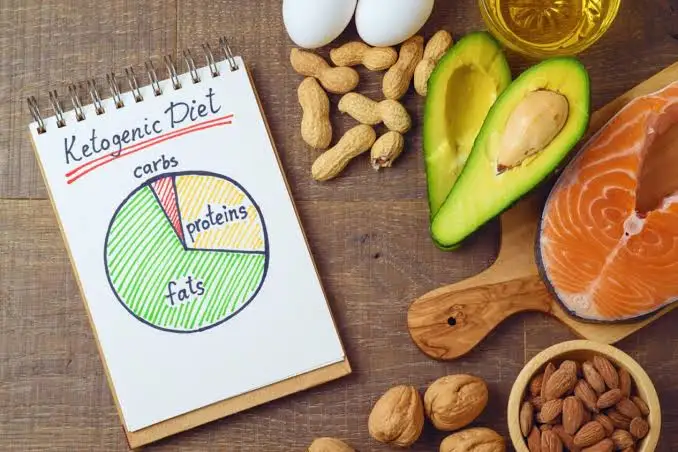
Essential Keto Diet Tips for Beginners to Achieve Success
Have you ever wondered why some people lose weight quickly on keto while others give up after only a few days?
The answer is often not the diet itself but how they begin. Many beginners make simple mistakes, such as eating too much protein, avoiding healthy fats, or forgetting to drink enough water. Fortunately, these problems are easy to avoid with the right knowledge.
The ketogenic diet has become one of the most talked-about eating plans for weight loss and better blood sugar control. By reducing carbohydrates and increasing healthy fats, your body shifts into a metabolic state called ketosis, where fat becomes the main source of energy instead of glucose.
This guide shares practical keto diet tips for beginners, expert advice, real-life examples, and simple strategies to help you lose weight without feeling confused. You’ll also discover how to avoid common mistakes and create healthy habits that last.
Why the Keto Diet Works for Weight Loss
The ketogenic diet is more than another trendy eating plan. It changes the way your body produces energy.
Normally, carbohydrates provide fuel. However, when carbs become very low, your liver starts producing ketones from stored fat. These ketones replace glucose as your body’s primary energy source.
As a result, many people experience:
- Faster fat burning
- Reduced hunger
- More stable energy levels
- Fewer sugar cravings
- Better blood sugar control
Several studies suggest ketogenic diets can help people lose more weight during the first few months than traditional low-fat diets, especially when calorie intake is naturally reduced because people feel fuller after meals.
For weight loss readers, this is encouraging because managing hunger is often one of the hardest parts of dieting.
How Ketosis Helps Burn Fat
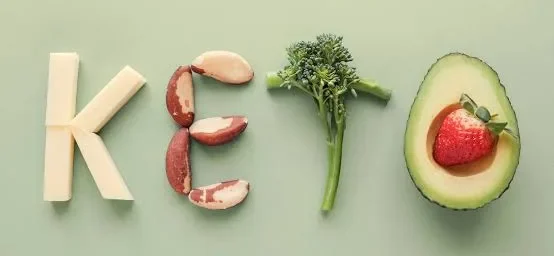
Ketosis begins when daily carbohydrate intake drops enough for the body to rely on stored fat.
Instead of constantly looking for carbohydrates, your body starts converting fat into usable fuel. Consequently, many people notice steady fat loss while maintaining muscle when protein intake remains adequate.
However, ketosis is not magic. Healthy food choices, portion awareness, and consistency still matter.
Keto Diet Tips for Beginners: Start Slowly Instead of Going All In
One of the smartest keto diet tips for beginners is to avoid making every change overnight.
Many people suddenly remove all carbohydrates and replace them with large amounts of fat. Unfortunately, this approach often causes fatigue, headaches, and digestive discomfort during the first week.
Instead, lower your carbohydrate intake gradually over several days while increasing healthy fats from whole foods.
For example:
Week 1
- Remove sugary drinks
- Reduce bread
- Replace rice with cauliflower rice
Week 2
- Cut pasta
- Eat more leafy vegetables
- Add healthy fats
Week 3
- Track carbohydrate intake
- Begin aiming for ketosis
This gradual transition is often easier to maintain and reduces the chance of experiencing the “keto flu.”
Set Realistic Weight Loss Expectations
Many social media posts promise dramatic transformations within days.
Reality is different.
Although some people lose several pounds during the first week, much of that is water weight. Sustainable fat loss usually happens over weeks and months.
Healthy expectations include:
- Losing weight consistently instead of rapidly.
- Building eating habits you can maintain.
- Improving energy over time.
- Reducing cravings.
- Supporting overall health.
Progress should never be measured only by the scale. Better sleep, increased confidence, and improved energy are valuable signs of success.
Keto Diet Tips for Beginners: Learn Which Foods Support Ketosis
Food quality matters just as much as carbohydrate intake.
Many beginners think keto simply means eating unlimited bacon and cheese. In reality, the healthiest ketogenic diet includes a wide variety of nutrient-rich foods.
Foods to Eat More Often
Choose foods like:
- Avocados
- Eggs
- Salmon
- Sardines
- Chicken
- Turkey
- Beef
- Olive oil
- Coconut oil
- Butter (in moderation)
- Spinach
- Broccoli
- Cauliflower
- Zucchini
- Mushrooms
- Bell peppers
- Almonds
- Walnuts
- Chia seeds
These foods provide healthy fats, quality protein, vitamins, minerals, and fiber.
Foods That Can Slow Your Progress
Certain foods can quickly push you out of ketosis.
Limit or avoid:
- Sugary drinks
- Cakes
- Cookies
- Candy
- White bread
- Pasta
- Rice
- Breakfast cereals
- Most fruit juices
- Potato chips
- Sweet sauces
- Sweetened yogurt
Reading nutrition labels becomes an important habit because hidden sugars appear in many packaged foods.
Focus on Healthy Fats Instead of Processed Foods
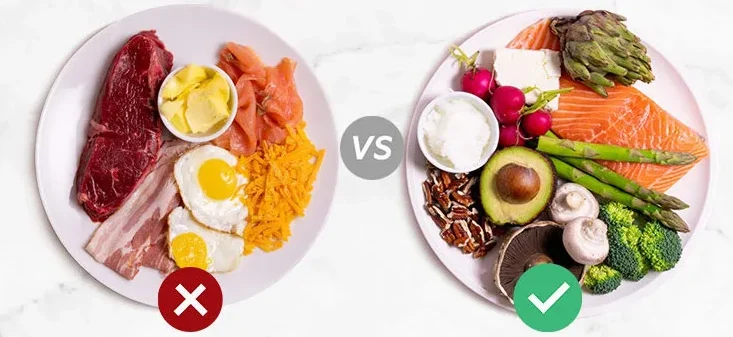
Healthy fats should make up most of your daily calories.
Excellent choices include:
- Extra virgin olive oil
- Avocados
- Fatty fish
- Nuts
- Seeds
- Natural nut butter
These foods support heart health while helping you stay full longer.
By contrast, relying mainly on processed meats and fried fast food may reduce the overall nutritional quality of your diet.
Keto Diet Tips for Beginners: Stay Hydrated and Replace Electrolytes
One of the most overlooked keto diet tips for beginners is staying hydrated. During the first few days of keto, your body releases stored glycogen. Since glycogen holds water, you also lose fluids and important minerals.
This is why many beginners experience headaches, muscle cramps, or fatigue.
To reduce these symptoms:
- Drink 2–3 liters of water daily.
- Include foods rich in potassium, such as spinach and avocado.
- Eat magnesium-rich foods like pumpkin seeds and almonds.
- Use salt in moderation to help maintain sodium levels.
Good hydration helps improve energy, supports workouts, and reduces the chance of experiencing the “keto flu.”
Plan Your Meals Before You Start
Planning is one of the easiest ways to stay consistent.
Many people quit keto simply because they don’t know what to cook when they are hungry. Preparing meals ahead of time saves both time and effort.
If you’re wondering how to start a keto diet for beginners meal plan, begin with simple meals that include healthy fats, quality protein, and low-carb vegetables.
A sample day could look like this:
Breakfast
- Scrambled eggs cooked in butter with avocado.
Lunch
- Grilled chicken salad with olive oil dressing.
Snack
- A handful of walnuts.
Dinner
- Baked salmon with roasted broccoli.
Simple meals are often easier to maintain than complicated recipes.
Build a Smart Shopping Routine
Success starts before you enter the kitchen.
Creating a keto diet grocery list for beginners helps you avoid impulse purchases and keeps your pantry stocked with healthy choices.
Include items such as:
Healthy Proteins
- Eggs
- Chicken breast
- Salmon
- Ground beef
- Turkey
Healthy Fats
- Olive oil
- Coconut oil
- Butter
- Avocados
Low-Carb Vegetables
- Spinach
- Cauliflower
- Broccoli
- Cabbage
- Zucchini
Healthy Snacks
- Almonds
- Pecans
- Cheese
- Olives
Shopping with a list also helps reduce spending on processed foods.
Don’t Fear Healthy Fats
A common misconception is that eating fat automatically leads to weight gain.
On keto, healthy fats provide energy and help you stay full for longer. However, choosing the right sources is essential.
Focus on:
- Olive oil
- Avocados
- Fatty fish
- Nuts
- Seeds
Limit highly processed foods even if they are marketed as “keto-friendly.” Whole foods usually offer better nutrition and fewer unnecessary ingredients.
Learn What to Eat During Your First Week
One of the most common questions is what to eat on keto diet for beginners.
During the first week, keep meals simple and repeat them if necessary. This reduces decision fatigue and makes it easier to stay within your carbohydrate target.
Good options include:
- Omelets with spinach and cheese
- Chicken with broccoli
- Beef with cauliflower mash
- Tuna salad with olive oil
- Lettuce-wrapped burgers
- Grilled shrimp with zucchini noodles
The goal is consistency, not perfection.
Exercise Supports Better Results
Although weight loss mainly depends on nutrition, regular exercise offers additional benefits.
Walking, cycling, resistance training, and swimming can improve:
- Fat burning
- Muscle preservation
- Mood
- Heart health
- Overall fitness
For beginners, even a 30-minute walk most days of the week can make a noticeable difference.
Common Keto Mistakes to Avoid
Many beginners face the same challenges.
Avoid these mistakes:
- Eating too much protein.
- Not drinking enough water.
- Ignoring vegetables.
- Depending on processed keto snacks.
- Giving up too early.
Remember that your body needs time to adapt. Small setbacks are normal and do not mean you’ve failed.
Stay Motivated for Long-Term Success
Weight loss is rarely a straight line.
Some weeks you’ll lose more weight than others. Plateaus are also common.
Stay motivated by:
- Taking progress photos.
- Measuring your waist instead of relying only on the scale.
- Celebrating healthy habits.
- Preparing meals in advance.
- Finding support from friends or online communities.
Consistency beats perfection every time.
Expert Perspective
Nutrition professionals often recommend focusing on whole, nutrient-dense foods instead of simply chasing ketone numbers.
A well-balanced ketogenic diet should include vegetables, healthy fats, quality protein, and adequate fiber. If you have diabetes, kidney disease, or another medical condition, consult a healthcare professional before making significant dietary changes.
Conclusion
Starting keto doesn’t have to feel complicated.
Following these keto diet tips for beginners can help you lose weight safely while building healthier eating habits. Begin slowly, choose whole foods, stay hydrated, and prepare your meals in advance.
Most importantly, remember that lasting weight loss comes from consistency rather than perfection. Every healthy meal is a step toward your long-term goals.
Frequently Asked Questions
How to properly start a keto diet?
Begin by reducing carbohydrates gradually, increasing healthy fats, drinking plenty of water, and planning balanced meals. Consistency is more important than making drastic changes overnight.
What are the 9 rules of keto?
Keep carbs low, eat healthy fats, consume moderate protein, stay hydrated, replace electrolytes, eat whole foods, avoid added sugar, plan meals, and remain consistent.
What should I eat during the first week of keto?
Focus on eggs, chicken, salmon, leafy greens, broccoli, cauliflower, avocados, olive oil, nuts, and cheese while avoiding bread, pasta, rice, and sugary foods.
What is the 2 2 2 2 rule on keto?
The “2 2 2 2 rule” is not an official ketogenic guideline. Different coaches use the phrase differently, so there is no universally accepted definition. Following evidence-based nutrition advice is a better approach.
What is forbidden in keto?
Foods high in carbohydrates are generally avoided, including sugary drinks, candy, cakes, white bread, rice, pasta, most breakfast cereals, pastries, and many processed snack foods.