



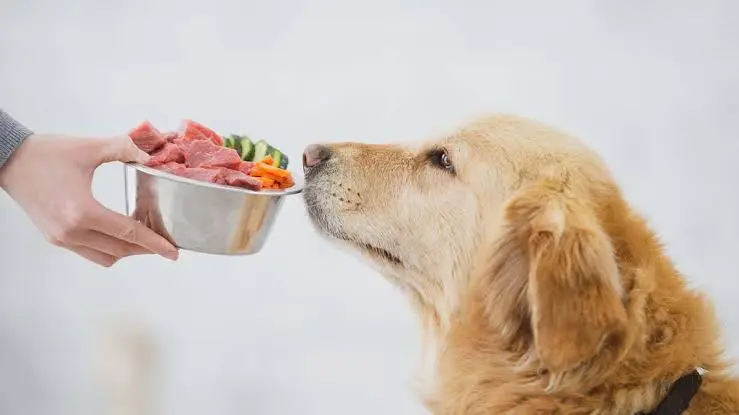
Dog Food for Weight Loss: Healthy Choices That Work
Overweight dogs are becoming more common than ever. Does your dog seem less energetic, struggle to keep up during walks, or gain weight despite eating the same meals? If so, you’re certainly not alone.
According to veterinary experts, excess weight increases the risk of diabetes, joint disease, heart problems, and a shorter lifespan. The encouraging news is that a healthier diet combined with consistent habits can help many dogs return to an ideal weight.
Choosing the right dog food for weight loss is one of the most effective ways to support safe, gradual weight reduction. However, not all foods labeled “light” or “diet” deliver the same nutritional value.
In this guide, you’ll learn how weight-loss dog food works, which ingredients matter most, how to compare products, and practical feeding tips that actually make a difference. You’ll also discover common mistakes owners make and simple ways to help your dog stay healthy for years to come.
Why Choosing the Right Dog Food for Weight Loss Matters
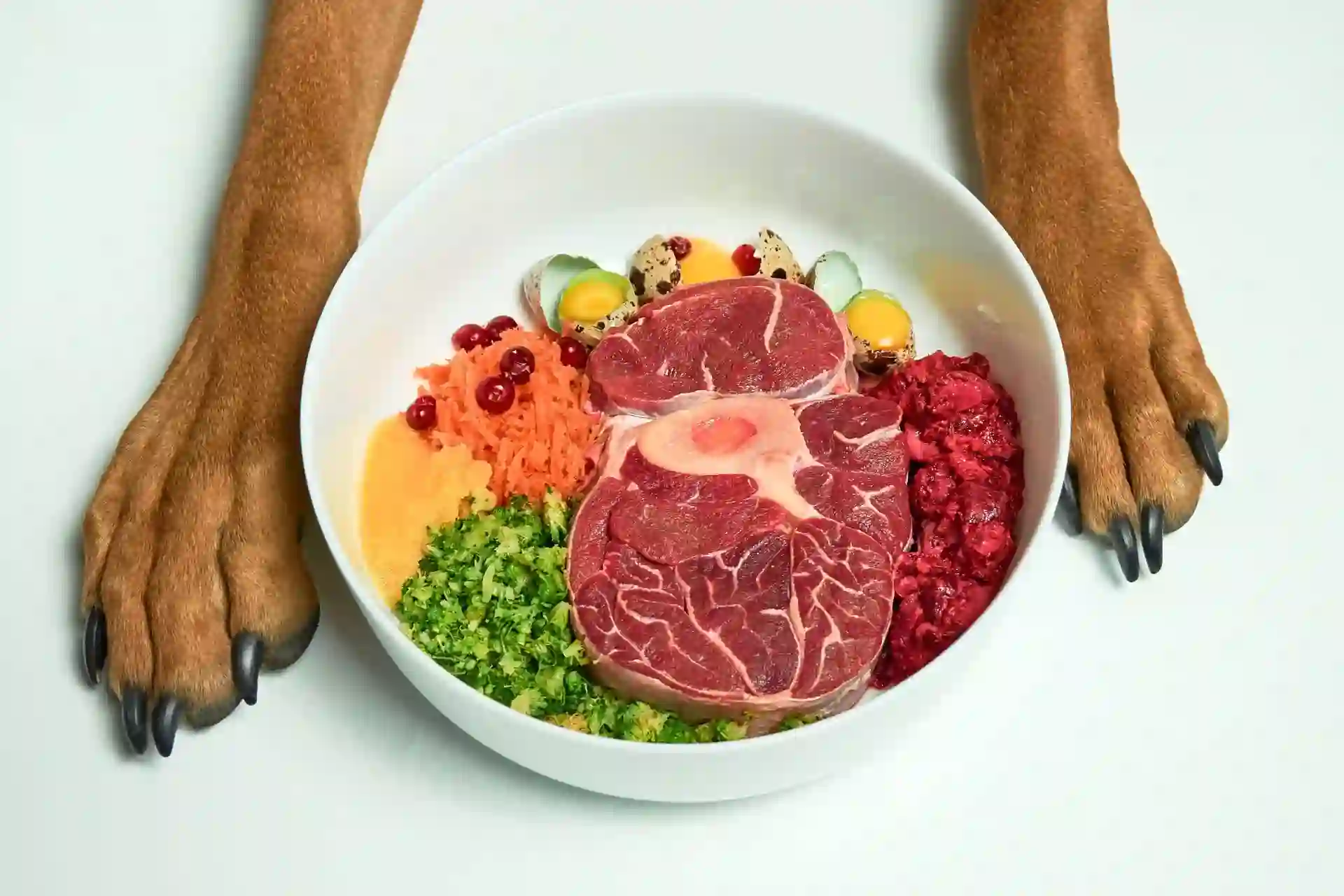
Weight management isn’t simply about feeding less food. Dogs still need balanced nutrition, vitamins, minerals, healthy fats, and quality protein while reducing calories.
A well-designed dog food for weight loss helps dogs feel full without consuming excessive calories. As a result, they are less likely to beg for treats or overeat between meals.
Moreover, gradual weight loss is much safer than rapid dieting. Losing weight too quickly can reduce muscle mass and negatively affect overall health.
The Health Risks of Canine Obesity
Being overweight affects nearly every part of a dog’s body.
Common health concerns include:
- Arthritis and joint pain
- Diabetes
- Heart disease
- Breathing difficulties
- Reduced mobility
- Lower energy levels
- Shorter lifespan
For example, even losing just 10% of excess body weight can significantly improve mobility in many overweight dogs.
How Dog Food for Weight Loss Works
Unlike regular maintenance food, weight-loss formulas are designed to reduce calories while keeping dogs satisfied.
Most quality diets achieve this by balancing nutrients carefully.
Higher Protein Content
Protein helps preserve lean muscle during weight loss.
Additionally, protein takes longer to digest than simple carbohydrates, helping dogs stay full for longer periods.
Good protein sources include:
- Chicken
- Turkey
- Salmon
- White fish
- Lamb
- Eggs
More Fiber
Fiber plays an important role in appetite control.
Ingredients such as:
- Pumpkin
- Sweet potato
- Peas
- Beet pulp
- Brown rice
help increase fullness without adding too many calories.
Dogs often feel satisfied after eating fiber-rich meals, making it easier to stick to portion control.
Lower Fat Levels
Fat contains more calories per gram than protein or carbohydrates.
Therefore, many weight-management foods reduce fat while maintaining essential fatty acids that support:
- Skin health
- Coat quality
- Brain function
- Immune health
However, extremely low-fat diets are rarely recommended unless advised by a veterinarian.
Signs Your Dog May Need Dog Food for Weight Loss
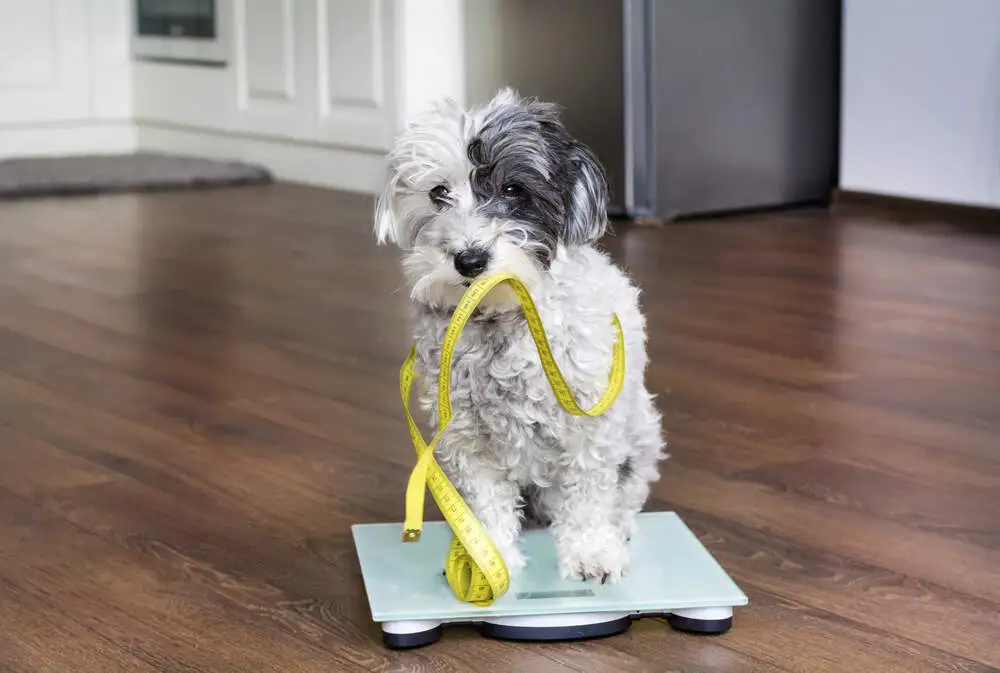
Sometimes weight gain happens gradually, making it difficult for owners to notice.
Watch for these warning signs:
- Your dog’s ribs are difficult to feel.
- The waist is no longer visible.
- Walking becomes slower.
- Your dog tires easily.
- Climbing stairs is difficult.
- Heavy panting occurs after light activity.
- Your veterinarian recommends weight reduction.
If several of these signs apply, it may be time to discuss a nutrition plan with your vet.
Ingredients to Look for in Dog Food for Weight Loss
Reading ingredient labels can feel confusing.
Fortunately, a few simple guidelines make shopping much easier.
High-Quality Animal Protein
Look for real meat listed as the first ingredient.
Examples include:
- Deboned chicken
- Turkey meal
- Salmon
- Whitefish
- Lean beef
Avoid foods where fillers appear before quality protein.
Natural Fiber Sources
Fiber supports digestion while helping dogs feel satisfied.
Excellent ingredients include:
- Pumpkin
- Carrots
- Apples
- Peas
- Green beans
- Beet pulp
These ingredients also provide antioxidants and important nutrients.
Whole Grains or Healthy Alternatives
Contrary to popular belief, many dogs digest whole grains very well.
Healthy options include:
- Oats
- Brown rice
- Barley
- Quinoa
Grain-free diets are only necessary for dogs with confirmed allergies or specific medical conditions.
Omega Fatty Acids
Healthy fats remain important even during weight loss.
Look for foods containing:
- Fish oil
- Flaxseed
- Salmon oil
These support healthy skin, joints, and brain function.
Ingredients to Avoid
Some products appear healthy but contain unnecessary fillers.
Try limiting foods with:
- Excessive corn syrup
- Artificial colors
- Artificial preservatives
- Large amounts of sugar
- Cheap animal by-products
- Unnamed meat sources
Instead, choose foods with transparent ingredient lists and reputable manufacturers.
Dry Food vs. Wet Food
Many owners wonder which option is better.
The answer depends on your dog’s needs.
| Dry Food | Wet Food |
| More affordable | Higher moisture |
| Easier storage | Often more filling |
| Supports dental health | Strong aroma encourages eating |
| Convenient portioning | Helpful for picky dogs |
Some owners successfully combine both for added variety while keeping calories under control.
How Much Should You Feed?
Even the healthiest food won’t help if portions are too large.
Start by:
- Reading the feeding guide.
- Calculating your dog’s ideal weight.
- Measuring meals accurately.
- Dividing food into two or three meals daily.
- Adjusting portions based on your veterinarian’s advice.
Avoid estimating portions with cups or scoops that vary in size. A digital kitchen scale provides much greater accuracy.
Can Exercise Improve Results?
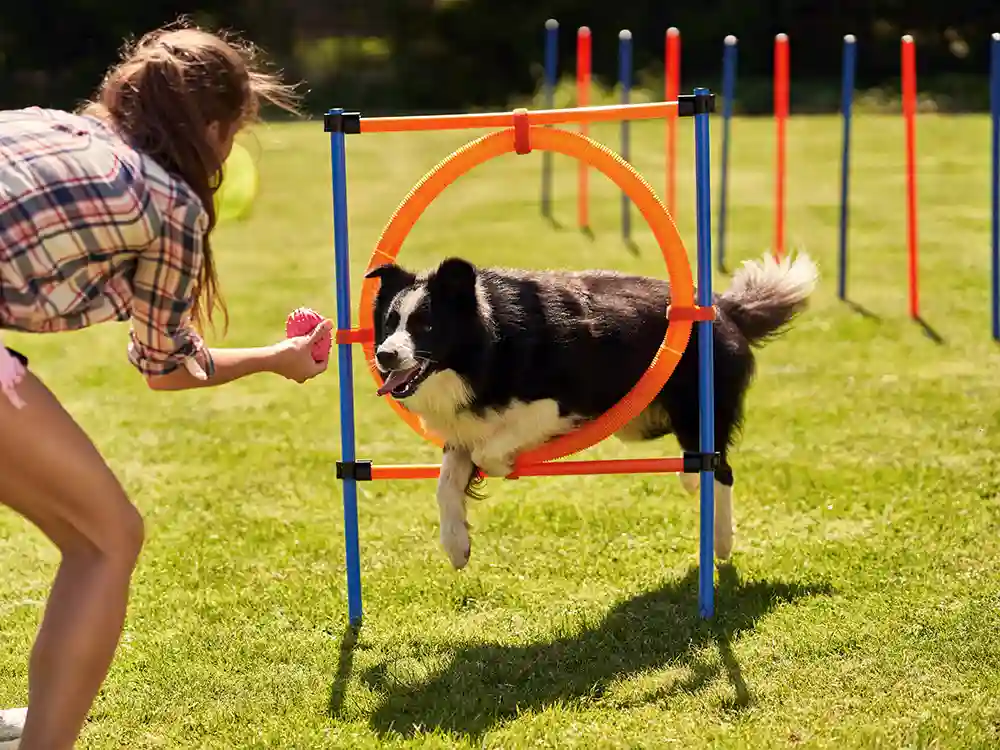
Absolutely.
A balanced diet works even better when paired with regular activity.
Simple exercises include:
- Daily walks
- Fetch
- Swimming
- Nose-work games
- Hiking
- Interactive toys
However, overweight dogs should increase activity gradually to avoid stressing their joints.
How to Choose the Right Dog Food for Weight Loss
Walking into a pet store or browsing online can be overwhelming. Hundreds of products promise healthier dogs, but only a few truly support safe and lasting weight management.
Instead of choosing a product based on marketing claims, focus on nutrition, ingredient quality, and your dog’s individual needs.
1. Consider Your Dog’s Age
Puppies, adult dogs, and senior dogs all have different nutritional requirements.
For example:
- Puppies need more calories to support growth.
- Adult dogs benefit from balanced calorie control.
- Senior dogs often require fewer calories while still getting enough protein to maintain muscle.
Choosing food designed for your dog’s life stage helps provide the right nutrients without unnecessary calories.
2. Think About Breed Size
Breed size also matters.
Small breeds usually have faster metabolisms, while large breeds often need extra joint support during weight loss.
Large dogs such as Labrador Retrievers or Golden Retrievers may benefit from foods that include:
- Glucosamine
- Chondroitin
- Omega-3 fatty acids
These nutrients help protect joints as excess weight comes off.
3. Read the Guaranteed Analysis
Every quality dog food includes a guaranteed analysis.
Pay attention to:
- Protein percentage
- Fat percentage
- Fiber percentage
- Calories per cup
Generally, higher protein and fiber with moderate fat make a better choice for overweight dogs.
4. Look for Veterinary Approval
Many trusted brands formulate their recipes with veterinary nutritionists.
Although no single food works for every dog, products developed through scientific research usually provide more balanced nutrition.
Common Mistakes When Feeding an Overweight Dog
Many loving owners accidentally slow their dog’s progress.
Fortunately, these mistakes are easy to correct.
Free Feeding
Leaving food available all day makes it difficult to monitor calorie intake.
Instead, feed measured meals at scheduled times.
Too Many Treats
Treats should make up no more than 10% of your dog’s daily calories.
Healthy alternatives include:
- Baby carrots
- Green beans
- Cucumber slices
- Apple slices (without seeds)
These options provide crunch with fewer calories.
Sharing Table Scraps
It’s tempting to share dinner, especially when your dog gives those irresistible puppy eyes.
However, many human foods are surprisingly calorie-dense.
Even small pieces of cheese or fatty meat can undo several days of progress.
Not Measuring Food
Eyeballing portions often leads to overfeeding.
Using a kitchen scale or measuring cup ensures consistency every day.
Creating a Healthy Feeding Schedule
Dogs thrive on routine.
A consistent schedule helps regulate appetite and digestion.
A simple daily routine might look like this:
| Time | Activity |
| 7:00 AM | Morning walk |
| 7:30 AM | Breakfast |
| Noon | Playtime |
| 5:30 PM | Evening walk |
| 6:00 PM | Dinner |
| Evening | Short play session |
Regular meal times also reduce begging and unnecessary snacking.
Can Homemade Meals Help?
Some owners prefer preparing meals at home.
This approach can work, but it requires careful planning.
A homemade diet should include:
- Lean chicken or turkey
- White fish
- Brown rice
- Pumpkin
- Green beans
- Carrots
- Peas
Avoid harmful ingredients such as:
- Onions
- Garlic
- Grapes
- Raisins
- Chocolate
- Xylitol
- Macadamia nuts
Before switching completely to homemade meals, consult your veterinarian or a veterinary nutritionist to ensure nutritional balance.
Healthy Human Foods Dogs Can Eat During Weight Loss
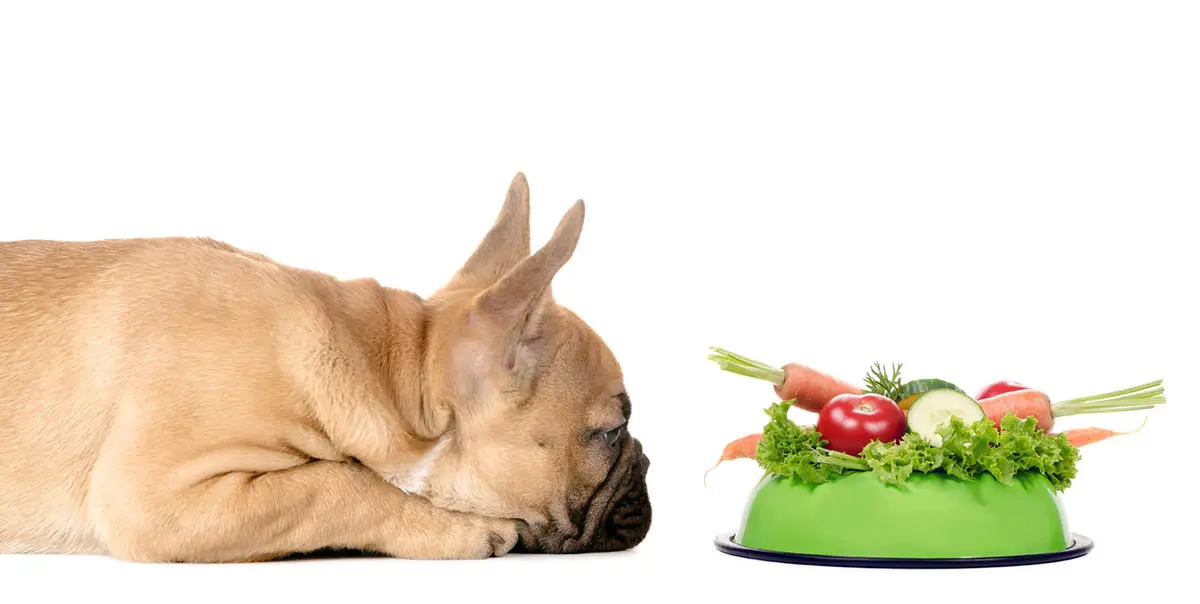
Many fresh foods make excellent low-calorie treats.
Good choices include:
- Green beans
- Carrots
- Pumpkin (plain)
- Blueberries
- Apples (without seeds)
- Cucumbers
- Celery
- Watermelon (seedless)
These foods are rich in vitamins and fiber while remaining relatively low in calories.
Monitoring Your Dog’s Progress
Weight loss should happen gradually.
Healthy progress is usually around 1–2% of body weight per week, although the exact rate varies depending on the dog’s age, breed, and overall health.
Track progress by:
- Weighing your dog every two to four weeks.
- Taking monthly photos.
- Measuring waist size.
- Recording daily food intake.
- Monitoring energy levels.
Small improvements often become noticeable before dramatic weight changes appear.
What If Your Dog Isn’t Losing Weight?
Sometimes progress stalls.
If this happens:
- Recheck portion sizes.
- Reduce treats.
- Increase exercise gradually.
- Rule out medical conditions.
- Speak with your veterinarian.
Health issues such as hypothyroidism or hormonal disorders may contribute to weight gain.
Comparing Popular Types of Weight Management Diets
Different dogs respond well to different approaches.
| Diet Type | Best For | Benefits |
| High-protein | Active dogs | Maintains muscle |
| High-fiber | Dogs that beg for food | Improves fullness |
| Wet food | Picky eaters | Higher moisture |
| Dry food | Daily feeding | Convenient and affordable |
| Prescription diets | Medical conditions | Veterinary supervision |
The ideal weight loss dog food depends on your dog’s health, activity level, and veterinary recommendations.
Finding the Best Option for Your Dog
There is no universal formula that fits every pet.
The best weight loss dog food is one that provides complete nutrition, supports gradual fat loss, keeps your dog satisfied, and fits their age, breed, and medical needs. Always introduce new food gradually over seven to ten days to avoid digestive upset.
Conclusion
Helping your dog lose weight isn’t about drastic diets or quick fixes. Instead, it’s about creating healthy habits that last a lifetime.
Choosing the right dog food for weight loss is one of the most important steps you can take. Combined with proper portions, daily exercise, regular weight checks, and guidance from your veterinarian, the right nutrition can help your dog become healthier, more active, and happier.
Remember, every small improvement matters. Whether your dog needs to lose two pounds or twenty, patience and consistency will deliver the best results. A healthier weight doesn’t just improve appearance—it can lead to better mobility, more energy, and many more joyful years together.
Frequently Asked Questions
What’s the best food for dogs to lose weight?
Look for food that is high in protein, rich in fiber, and lower in calories. Quality ingredients and balanced nutrition are more important than trendy labels.
What can you feed a dog to reduce its weight?
Measured portions of a veterinarian-approved weight-management diet, along with low-calorie treats like green beans or carrots, can support healthy weight loss.
How do I decrease my dog’s weight?
Feed controlled portions, reduce treats, encourage daily exercise, and monitor your dog’s progress regularly. Gradual weight loss is the safest approach.
What can I cook for my dog to help him lose weight?
Simple meals made with lean chicken, turkey, pumpkin, carrots, green beans, and brown rice can be healthy, but homemade diets should be approved by your veterinarian to ensure complete nutrition.
What human food can I feed my dog to lose weight?
Healthy options include carrots, cucumbers, green beans, blueberries, plain pumpkin, and apple slices without seeds. These foods are low in calories and can replace high-fat treats.
⭐ Make MindLiva Your Preferred Source on Google
Get trusted health, wellness, and lifestyle articles from MindLiva.
Add MindLiva
Samie Babaei is a medical science student at Shahid Beheshti University of Medical Sciences with a strong interest in health, wellness, and medical research. As a health writer and researcher at MindLiva, she focuses on creating clear, evidence-based content that helps readers better understand health and well-being.