



How to Use a High-Fiber Foods Chart for Constipation Ease
Have you ever felt uncomfortable after going days without a normal bowel movement? Many people experience digestive issues at some point, yet they often overlook one of the simplest solutions—eating enough fiber. Modern diets are frequently packed with processed foods while lacking fruits, vegetables, legumes, and whole grains that support healthy digestion.
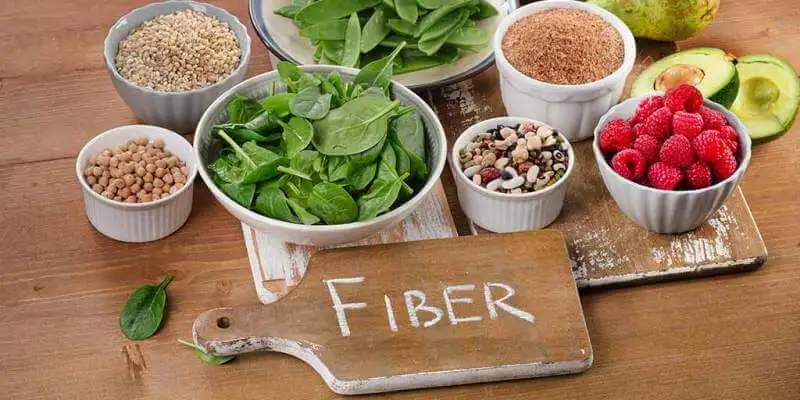
A high-fiber foods chart for constipation is an easy way to understand which foods naturally promote regular bowel movements and improve gut health. Instead of relying on guesswork, you can use a practical guide to build healthier meals every day. In this article, you’ll learn why fiber matters, which foods contain the highest amounts, how to increase your fiber intake safely, and what nutrition experts recommend for long-term digestive wellness.
Why Fiber Is So Important for Digestive Health
Fiber is one of the most valuable nutrients for maintaining a healthy digestive system. Unlike carbohydrates that are broken down for energy, fiber passes through the digestive tract mostly unchanged. During that journey, it supports healthy bowel movements, nourishes beneficial gut bacteria, and helps waste move through the intestines more efficiently.
Moreover, fiber benefits much more than digestion. Research suggests that diets rich in fiber may support heart health, improve blood sugar control, reduce cholesterol levels, and help people maintain a healthy weight.
Despite these benefits, studies show that most adults consume far less fiber than nutrition experts recommend. The average adult should aim for approximately 25–38 grams of fiber per day, depending on age and sex.
The Two Main Types of Dietary Fiber
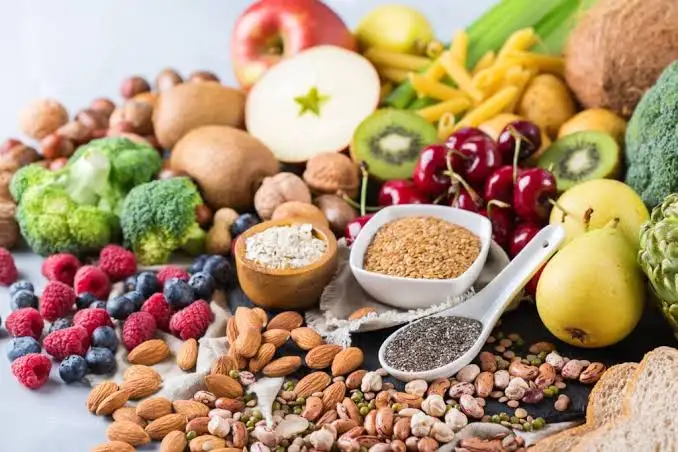
Understanding fiber becomes easier when you know there are two primary forms.
Soluble Fiber
Soluble fiber dissolves in water and forms a soft, gel-like substance inside the digestive tract.
Its benefits include:
- Supporting healthy cholesterol levels
- Slowing sugar absorption
- Feeding healthy gut bacteria
- Promoting smoother digestion
Excellent food sources include:
- Oats
- Apples
- Pears
- Beans
- Lentils
- Citrus fruits
- Barley
Insoluble Fiber
Insoluble fiber does not dissolve in water.
Instead, it adds bulk to stool and helps food travel more smoothly through the digestive system.
Common sources include:
- Whole wheat bread
- Brown rice
- Bran cereal
- Broccoli
- Cauliflower
- Green beans
- Nuts
- Seeds
A healthy diet includes both types because they work together to support overall digestive health.
High-Fiber Foods Chart for Constipation: Top Fiber-Rich Foods
The following chart highlights some of the best natural sources of dietary fiber.
| Food | Serving Size | Approximate Fiber |
| Split peas | 1 cup cooked | 16 g |
| Lentils | 1 cup cooked | 15 g |
| Black beans | 1 cup cooked | 15 g |
| Chia seeds | 2 tablespoons | 10 g |
| Raspberries | 1 cup | 8 g |
| Avocado | Half fruit | 7 g |
| Pear | 1 medium | 6 g |
| Broccoli | 1 cup cooked | 5 g |
| Apple with skin | 1 medium | 4–5 g |
| Oatmeal | 1 cup cooked | 4 g |
| Sweet potato | 1 medium | 4 g |
| Almonds | 30 grams | 3.5 g |
Rather than depending on a single food, try mixing several of these options throughout the week. Variety improves nutrition while making meals more enjoyable.
How Fiber Supports Healthy Digestion
Fiber improves digestion through several natural processes.
First, it absorbs water, helping stools remain softer and easier to pass.
Second, it increases stool volume, encouraging regular movement through the intestines.
Finally, dietary fiber feeds the beneficial bacteria living in your gut. These bacteria produce compounds that support digestive health and may even strengthen the immune system.
As a result, increasing fiber often benefits the entire digestive tract rather than addressing only one symptom.
Common Signs You May Need More Fiber
Many people ignore early digestive warning signs.
Some common constipation symptoms include:
- Hard or dry stools
- Fewer bowel movements than usual
- Straining during bowel movements
- Feeling that the bowel has not emptied completely
- Mild bloating
- Abdominal discomfort
If these symptoms continue for several weeks or become severe, consult a qualified healthcare professional.
What Can Slow Healthy Digestion?
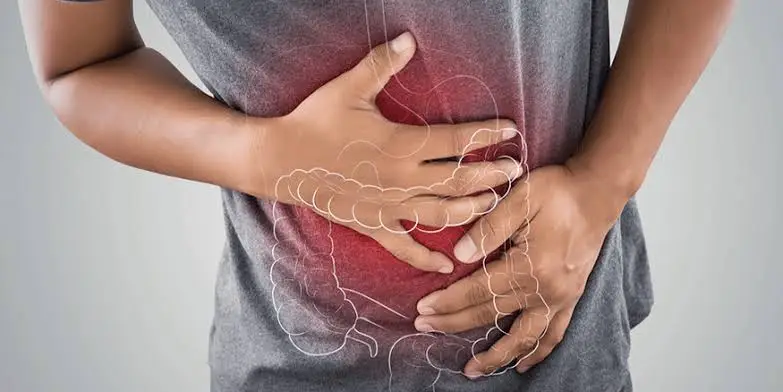
People often ask what causes constipation, but the answer is rarely limited to one factor.
Several lifestyle habits can contribute, including:
- Eating too little fiber
- Drinking insufficient water
- Sitting for long periods
- Ignoring the urge to use the bathroom
- Eating large amounts of processed foods
- Certain medications and medical conditions
Fortunately, many of these factors can be improved through healthy daily habits.
Foods That Naturally Support Better Digestion
A balanced plate filled with whole foods offers more than vitamins and minerals.
These foods are especially helpful:
Fruits
- Apples
- Pears
- Kiwi
- Oranges
- Raspberries
Vegetables
- Broccoli
- Brussels sprouts
- Carrots
- Spinach
- Sweet potatoes
Whole Grains
- Oats
- Brown rice
- Whole wheat bread
- Quinoa
- Barley
Legumes
- Lentils
- Chickpeas
- Kidney beans
- Black beans
- Split peas
Nuts and Seeds
- Chia seeds
- Flaxseeds
- Almonds
- Walnuts
- Pumpkin seeds
Eating foods from each category creates a balanced source of both soluble and insoluble fiber.
Simple Habits That Improve Digestive Health
Fiber works best when combined with healthy lifestyle choices.
For example:
- Drink enough water throughout the day.
- Walk for at least 30 minutes most days.
- Eat meals at regular times.
- Include vegetables with lunch and dinner.
- Snack on fruit instead of highly processed foods.
- Avoid skipping breakfast.
These habits may seem small, but together they create lasting improvements.
Increase Fiber Gradually
One common mistake is adding too much fiber overnight.
Instead, increase your intake slowly over one or two weeks.
This gives your digestive system time to adjust and reduces the chance of temporary bloating or gas.
At the same time:
- Drink extra water.
- Replace refined grains with whole grains.
- Add beans to soups and salads.
- Include fresh fruit with breakfast.
- Choose high-fiber snacks.
Small daily improvements are usually easier to maintain than major diet changes.
Who Benefits Most From a Fiber-Rich Diet?
Almost everyone benefits from eating more fiber.
However, these groups often notice the greatest improvements:
- Older adults
- Office workers with sedentary jobs
- Students who rely on processed foods
- Families wanting healthier eating habits
- People beginning a weight-management plan
Special Situations That Can Affect Digestion
Digestive health is influenced by many factors, including age, lifestyle, hormones, and certain medications. While eating more fiber helps many people, some situations require additional attention and medical guidance.
Understanding these factors allows you to make informed choices while supporting long-term gut health.
Constipation During Pregnancy
Many women experience constipation during pregnancy because hormonal changes slow digestion. As the uterus grows, it can also place pressure on the intestines, making bowel movements less frequent.
Doctors usually recommend starting with simple lifestyle measures before considering medication.
Helpful habits include:
- Drinking more water throughout the day
- Eating plenty of fruits, vegetables, and whole grains
- Walking or performing light exercise if approved by your healthcare provider
- Eating smaller meals more often
Always speak with your doctor before taking laxatives or supplements during pregnancy.
Can Medications Slow Digestion?
Some prescription medicines and supplements may affect bowel habits.
Knowing the possible side effects helps you discuss concerns with your healthcare provider.
Does Iron Cause Constipation?
A common question is does iron cause constipation.
Yes, some iron supplements can make stools firmer and more difficult to pass. This side effect does not affect everyone, but it is well recognized.
If you need iron supplements, your healthcare provider may suggest:
- Taking the supplement with food when appropriate
- Drinking more fluids
- Increasing dietary fiber gradually
- Trying another formulation if necessary
Never stop prescribed iron without medical advice.
Do Steroids Cause Constipation?
Many people also ask, do steroids cause constipation.
Steroids are not among the most common causes of bowel problems. However, digestive changes can occur depending on the medication, dose, and individual health conditions.
If you notice persistent digestive changes after starting any medicine, speak with your healthcare provider rather than stopping treatment yourself.
What Helps With Constipation?
If you’re wondering what helps with constipation, the answer usually involves several healthy habits working together.
Nutrition experts recommend focusing on lifestyle improvements before depending on medications.
Some of the most effective strategies include:
- Eating fiber-rich foods every day
- Drinking enough water
- Staying physically active
- Following regular meal times
- Responding promptly when you feel the urge to use the bathroom
These habits support healthy digestion naturally.
How to Relieve Constipation Naturally
Many people search for how to relieve constipation without relying immediately on laxatives.
The following habits often provide meaningful improvements:
- Start the day with a glass of water.
- Include fruit with breakfast.
- Add beans or lentils to meals several times each week.
- Replace white bread with whole-grain options.
- Walk for at least 20–30 minutes most days.
Remember that lasting improvements usually happen gradually rather than overnight.
One-Day High-Fiber Meal Plan

Putting healthy advice into practice is easier with a simple meal plan.
Breakfast
- Oatmeal with raspberries
- Chia seeds
- Sliced pear
Morning Snack
- Apple with almonds
Lunch
- Lentil soup
- Mixed salad
- Whole-grain bread
Afternoon Snack
- Carrot sticks with hummus
Dinner
- Grilled salmon
- Brown rice
- Broccoli
- Black beans
Evening Snack
- Plain yogurt topped with berries
This balanced menu supplies plenty of fiber while also providing protein, vitamins, and healthy fats.
Constipation Relief
Finding effective constipation relief often begins with improving daily habits instead of searching for a quick solution.
Drinking enough water, eating a variety of fiber-rich foods, staying active, and maintaining consistent meal times work together to support healthy digestion.
If symptoms continue despite these changes, consult a healthcare professional to identify any underlying cause.
Constipation Relief for Adults
For constipation relief for adults, treatment depends on the underlying reason for the digestive problem.
Healthcare providers may recommend:
- Fiber supplements
- Stool softeners
- Osmotic laxatives
- Prescription medicines when necessary
Diet and lifestyle changes remain the first step for many adults because they improve overall digestive health rather than simply treating symptoms.
Common Mistakes to Avoid
Even healthy diets can be less effective if a few important habits are overlooked.
Avoid these common mistakes:
- Increasing fiber too quickly
- Drinking too little water
- Eating mostly processed foods
- Sitting for long periods
- Ignoring regular exercise
- Skipping meals
Small improvements made consistently usually produce the best long-term results.
Expert Tips for Better Digestive Health
Nutrition professionals consistently recommend building healthy habits that are easy to maintain.
Some practical ideas include:
- Fill half your plate with vegetables.
- Eat fruit every day.
- Choose whole grains instead of refined grains.
- Include beans or lentils several times each week.
- Compare food labels to find higher-fiber options.
These simple choices become easier over time and support overall health.
Conclusion
Healthy digestion begins with consistent daily choices. A balanced diet rich in fruits, vegetables, legumes, nuts, seeds, and whole grains provides the fiber your digestive system needs to function well.
Using a high-fiber foods chart for constipation makes meal planning easier while helping you reach your daily fiber goals. Combined with regular exercise, good hydration, and mindful eating habits, this approach supports long-term digestive wellness.
Rather than looking for overnight results, focus on building small habits you can maintain every day. Those steady improvements often lead to the greatest benefits for your digestive health.
Frequently Asked Questions
Which fiber food is best for constipation?
Foods such as chia seeds, lentils, pears, black beans, and oats are among the highest in fiber and support healthy bowel movements when eaten regularly.
What food empties the bowels?
No single food works instantly for everyone. However, prunes, kiwi, beans, oats, and plenty of water often help support regular digestion.
How to get 100% fiber daily?
Eat fruits, vegetables, legumes, nuts, seeds, and whole grains at each meal. Choosing a variety of fiber-rich foods makes reaching your daily goal much easier.
What are the 10 highest fiber foods?
Some of the highest-fiber foods include split peas, lentils, black beans, chia seeds, raspberries, pears, artichokes, oats, avocados, and broccoli.
What are 5 high-fiber foods?
Five excellent choices are lentils, chia seeds, apples with skin, broccoli, and oatmeal. They are nutritious, easy to prepare, and widely available.
⭐ Make MindLiva Your Preferred Source on Google
Get trusted health, wellness, and lifestyle articles from MindLiva.
Add MindLiva
Samie Babaei is a medical science student at Shahid Beheshti University of Medical Sciences with a strong interest in health, wellness, and medical research. As a health writer and researcher at MindLiva, she focuses on creating clear, evidence-based content that helps readers better understand health and well-being.