



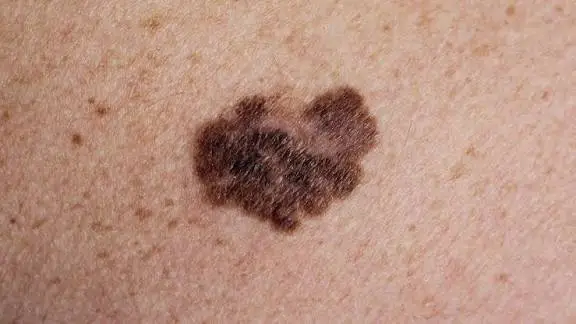
Malignant Melanoma Treatment Options Explained Clearly
Have you ever noticed a mole that suddenly changed shape or color? Many people ignore these changes because they seem harmless. Unfortunately, some skin changes can be the first sign of malignant melanoma, one of the most aggressive forms of skin cancer. Although it represents only a small percentage of skin cancer cases, it is responsible for most skin cancer deaths because it can spread quickly if left untreated.
The encouraging news is that medical advances have significantly improved survival rates over the last decade. Early diagnosis, improved imaging, and revolutionary immunotherapy treatments have changed the outlook for thousands of patients worldwide. Knowing what to look for and seeking medical advice early can make a life-changing difference.
This guide explains everything you need to know, from recognizing suspicious skin changes to understanding today’s most effective treatment options. You’ll also learn practical prevention strategies that can help protect you and your family.
Understanding Malignant Melanoma
Malignant melanoma begins in melanocytes, the cells responsible for producing melanin, the pigment that gives skin its color. When these cells develop DNA damage, they may begin growing uncontrollably and form cancerous tumors.
Unlike many other skin cancers, melanoma has a greater tendency to spread beyond the skin into nearby lymph nodes and distant organs. This process is called metastatic melanoma, making early diagnosis especially important.
Excessive ultraviolet (UV) exposure remains the leading environmental risk factor. However, genetics, fair skin, family history, weakened immunity, and a high number of moles also increase risk.
Although many people associate melanoma with sun-exposed skin, it can develop almost anywhere on the body—including the scalp, palms, soles of the feet, under fingernails, and even inside the eye.
How Melanoma Develops
Healthy melanocytes divide in a controlled way. Over time, UV radiation can damage their DNA. Normally, the body repairs this damage, but repeated exposure may overwhelm these repair mechanisms.
As damaged cells continue multiplying, abnormal moles may develop. Some remain harmless, while others become cancerous. This progression explains why dermatologists encourage routine skin examinations.
An early stage melanoma is usually confined to the skin and has an excellent prognosis when removed promptly. Once cancer cells invade deeper tissues or enter the bloodstream, treatment becomes more challenging.
Recognizing suspicious changes early offers the best opportunity for a complete cure.
Who Is Most at Risk?
Anyone can develop melanoma, but certain factors increase the likelihood considerably.
People with fair skin, blue or green eyes, blond or red hair, or those who burn easily have less natural UV protection. A family history of melanoma also raises risk because inherited genetic mutations may be involved.
Other risk factors include:
- Frequent sunburns
- Indoor tanning
- More than 50 moles
- Large atypical moles
- Suppressed immune system
- Previous skin cancer
Risk does not mean certainty, but it highlights the importance of regular skin checks and sun protection.
Early Warning Signs You Should Never Ignore
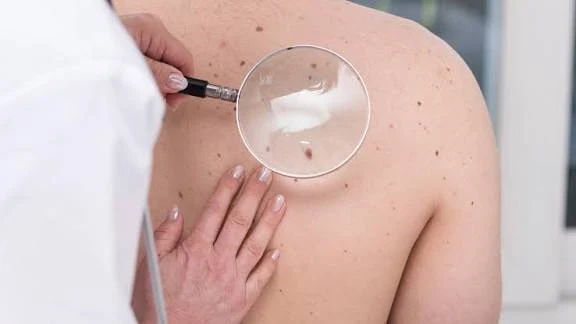
Recognizing the signs of melanoma early can dramatically improve treatment outcomes. Many melanomas begin as a new mole or an existing mole that starts changing in size, shape, or color. While not every unusual mole is cancerous, any persistent change deserves medical attention.
One of the most common questions people ask is what does melanoma look like on the skin. The answer varies because melanoma can appear in different forms. It may look like an irregular brown or black patch, a raised bump, or even a pink or flesh-colored lesion. Some lesions itch, bleed, or develop a crust, while others remain painless.
Doctors often recommend the ABCDE rule:
| Feature | What to Look For |
| A | Asymmetry |
| B | Irregular Border |
| C | Multiple or uneven Colors |
| D | Diameter larger than 6 mm |
| E | Evolving or changing over time |
If you notice any of these warning signs, schedule an appointment with a dermatologist without delay.
Different Types of Melanoma
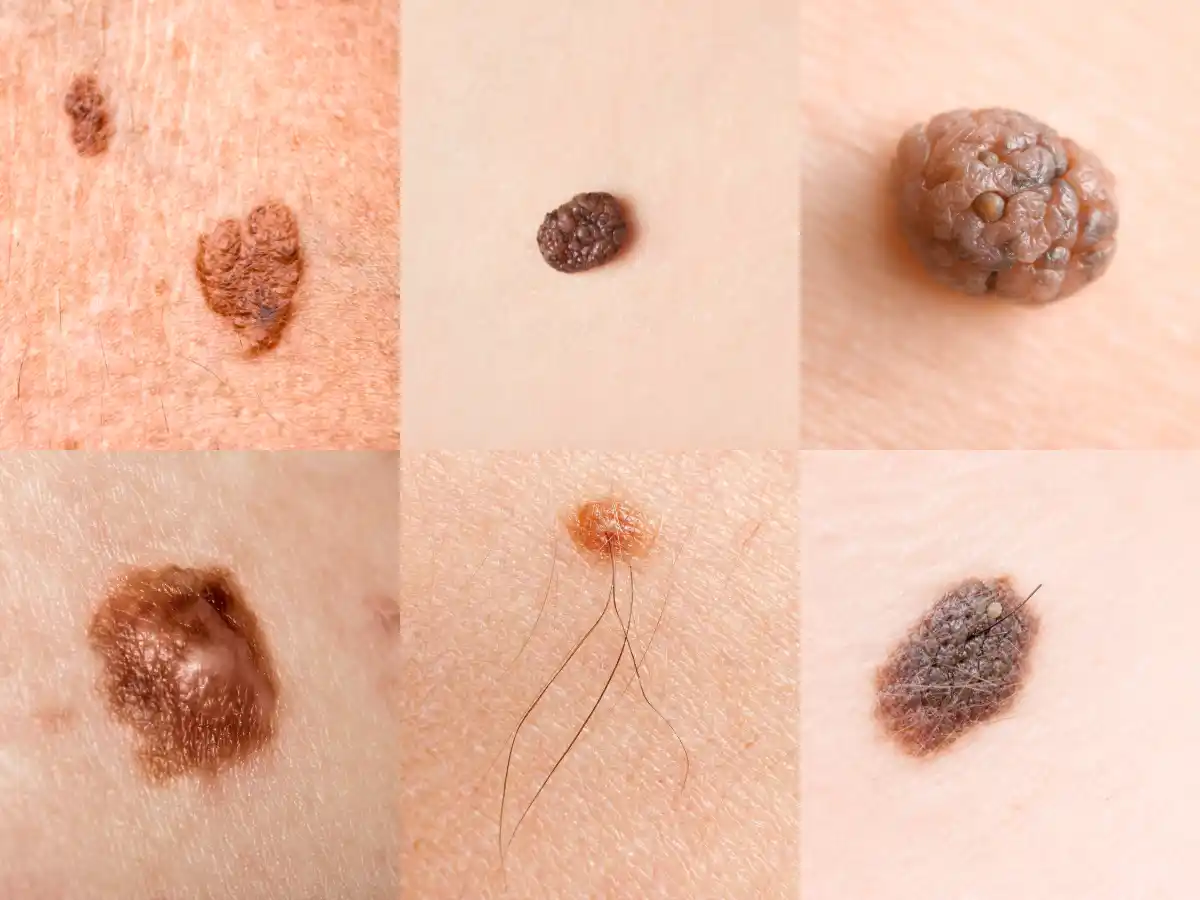
Melanoma is not a single disease. Several subtypes exist, each with unique characteristics.
The most common form grows slowly across the skin before penetrating deeper layers. However, nodular melanoma behaves differently because it often grows vertically from the beginning, making it more aggressive.
Another uncommon type is subungual melanoma, which develops beneath a fingernail or toenail. Many people mistake it for a bruise. Knowing the difference between a normal black line on nail vs melanoma is essential. A harmless line usually remains stable, while melanoma often widens, changes color, or extends into the surrounding skin.
Some patients develop amelanotic melanoma, which lacks the dark pigment typically associated with melanoma. Because it appears pink, red, or skin-colored, diagnosis may be delayed.
A much rarer form, ocular melanoma, develops inside the eye rather than on the skin. Regular eye examinations may help detect this uncommon cancer before symptoms become severe.
How Doctors Diagnose Melanoma
Diagnosis begins with a detailed skin examination. Dermatologists often use a dermatoscope, a specialized magnifying device that provides a closer look at suspicious lesions.
If an abnormal mole appears concerning, a biopsy is performed. The tissue sample is examined under a microscope to determine whether cancer cells are present. This remains the gold standard for confirming melanoma skin cancer.
Additional tests may include:
- Lymph node evaluation
- CT scans
- MRI scans
- PET scans
- Blood tests
These investigations help determine whether the cancer has spread and guide treatment decisions.
Many patients also ask how fast does melanoma spread. The answer depends on the subtype, tumor thickness, and individual factors. Some melanomas progress slowly over years, while others may spread within months. This is why prompt diagnosis is so important.
Malignant Melanoma Treatment Options Explained
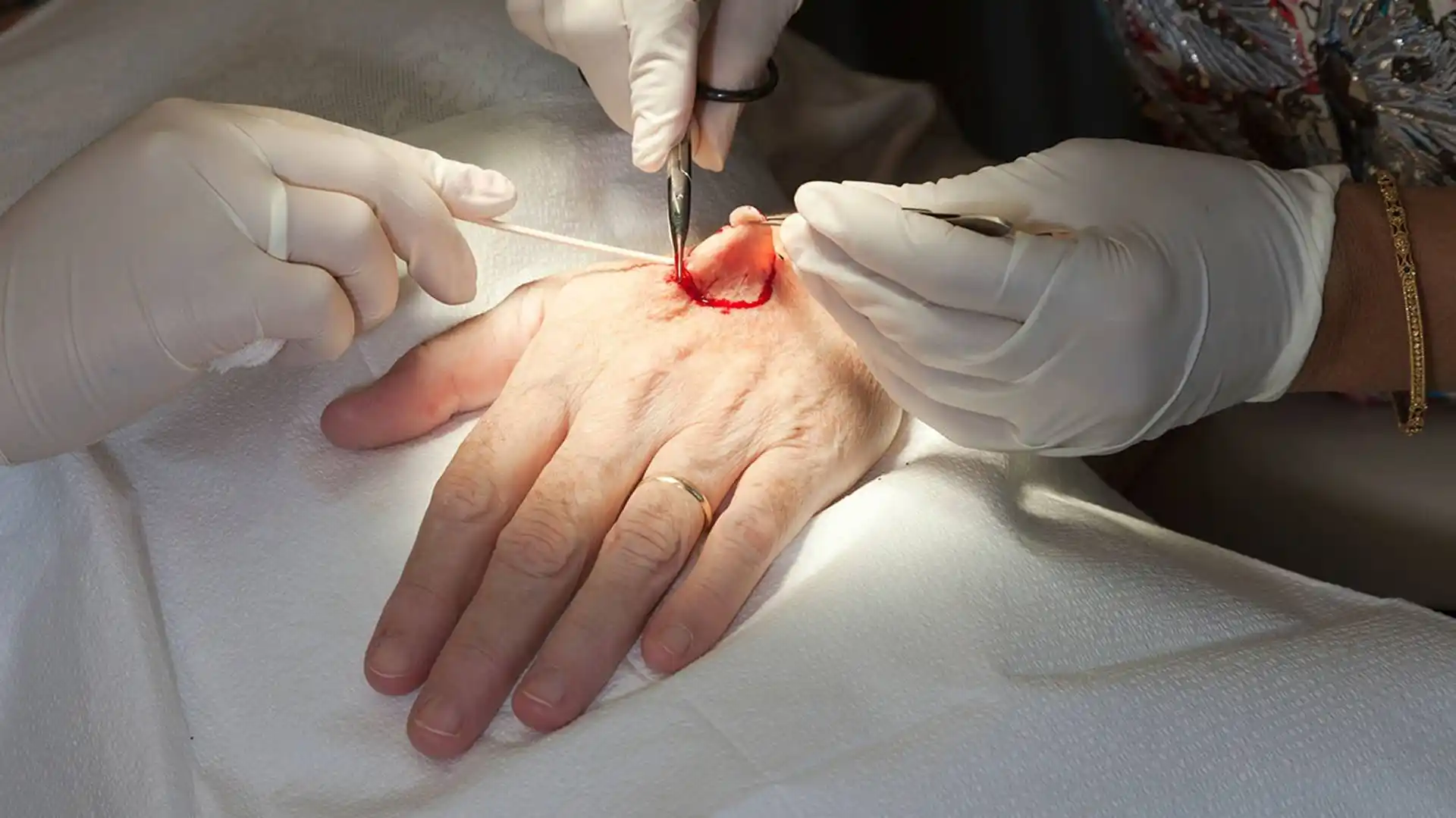
Treatment depends on the stage, location, genetic profile, and overall health of the patient.
Surgery
Surgery remains the first-line treatment for localized disease. During the procedure, surgeons remove the tumor along with a margin of healthy tissue to reduce recurrence.
For thicker tumors, nearby lymph nodes may also be removed and examined.
Immunotherapy
Immunotherapy has transformed melanoma care by helping the immune system recognize and attack cancer cells. Checkpoint inhibitors have significantly improved survival for many patients with advanced disease.
Targeted Therapy
Some melanomas contain specific gene mutations, such as BRAF mutations. Targeted medications block these abnormal pathways, slowing cancer growth while sparing many healthy cells.
Radiation Therapy
Radiation is commonly used when surgery is not possible or when melanoma has spread to certain parts of the body, such as the brain or bones.
Chemotherapy
Although chemotherapy is used less frequently today because newer therapies often perform better, it may still play a role in selected cases.
Doctors frequently combine multiple treatments to provide the best possible outcome.
Prevention, Follow-Up Care, and Long-Term Outlook
Preventing skin cancer begins with protecting your skin every day.
Helpful habits include:
- Apply broad-spectrum sunscreen with SPF 30 or higher.
- Wear protective clothing, sunglasses, and wide-brimmed hats.
- Avoid tanning beds.
- Seek shade during peak sunlight hours.
- Perform monthly skin self-examinations.
- Visit a dermatologist for routine skin checks if you are at higher risk.
Patients treated for melanoma require lifelong follow-up because recurrence is possible. Regular appointments allow doctors to detect new skin cancers or recurrent disease early.
Fortunately, advances in treatment continue to improve survival. People diagnosed before the cancer spreads often have an excellent outlook, highlighting the importance of early detection.
Conclusion
A diagnosis of melanoma can feel overwhelming, but today’s treatments are more effective than ever before. Advances in surgery, immunotherapy, targeted therapy, and earlier detection have significantly improved outcomes for many patients.
The most important message is simple: know your skin, pay attention to changes, and never delay a professional evaluation. Early diagnosis remains the strongest predictor of successful treatment, and adopting healthy sun-protection habits can greatly reduce your risk.
Frequently Asked Questions
What are the 5 warning signs of malignant melanoma?
The five classic warning signs follow the ABCDE rule: asymmetry, irregular borders, multiple colors, diameter larger than 6 mm, and any evolving or changing mole.
What are the 4 types of malignant melanoma?
The four main types are superficial spreading melanoma, nodular melanoma, lentigo maligna melanoma, and acral lentiginous melanoma.
What is the survival rate for malignant melanoma?
When detected early and confined to the skin, the five-year survival rate is very high. Survival decreases once the cancer spreads to lymph nodes or distant organs, making early diagnosis essential.
Can malignant melanoma be cured?
Yes. Many early-stage melanomas are completely cured through surgery. Even advanced cases now have better outcomes thanks to modern immunotherapy and targeted treatments.
Is melanoma 100% curable?
No cancer is guaranteed to be 100% curable. However, melanoma found at its earliest stage has an excellent chance of successful treatment, which is why routine skin examinations are so important.
⭐ Make MindLiva Your Preferred Source on Google
Get trusted health, wellness, and lifestyle articles from MindLiva.
Add MindLiva
Samie Babaei is a medical science student at Shahid Beheshti University of Medical Sciences with a strong interest in health, wellness, and medical research. As a health writer and researcher at MindLiva, she focuses on creating clear, evidence-based content that helps readers better understand health and well-being.