



How to Treat Seasonal Allergies in Babies with Remedies
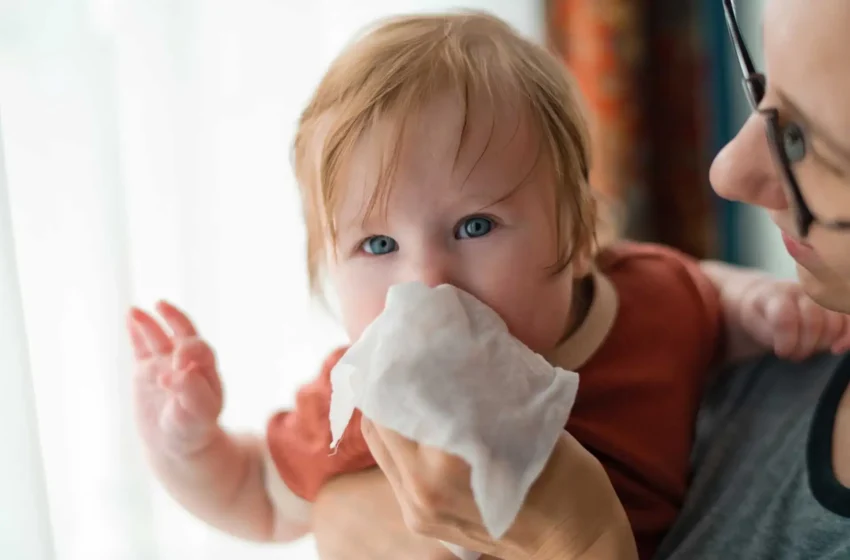
Is your baby suddenly sneezing whenever you open the windows or return from a walk? Seasonal allergy symptoms can be confusing because they often look like a cold, dry-air irritation, or another common childhood problem.
Understanding how to treat seasonal allergies in babies begins with a careful diagnosis. True pollen allergies are less common during early infancy because an allergic reaction normally develops after repeated exposure. Therefore, parents should not automatically assume that every runny nose is hay fever.
Fortunately, several gentle steps can make a baby more comfortable while you arrange medical advice. This guide explains how to recognize possible pollen symptoms, clean the baby’s room, reduce outdoor exposure, and avoid unsafe remedies. It also covers warning signs that require urgent care.
Important: Do not give a baby allergy, cough, cold, or decongestant medicine unless a qualified healthcare professional has approved the exact product and dose.
Can Babies Really Have Seasonal Allergies?
Babies can develop allergies, but seasonal allergic rhinitis is less common in very young infants than it is in older children. The immune system usually needs previous exposure to pollen before it begins reacting strongly.
As a result, symptoms during a baby’s first pollen season may have another cause. A virus, dry indoor air, smoke, fragrance, dust, mould, or milk coming back into the throat can all create allergy-like symptoms.
However, seasonal allergies become more possible as a child grows and experiences repeated pollen seasons. A family history of allergies, asthma, or eczema may also increase the likelihood.
Common pollen allergy symptoms
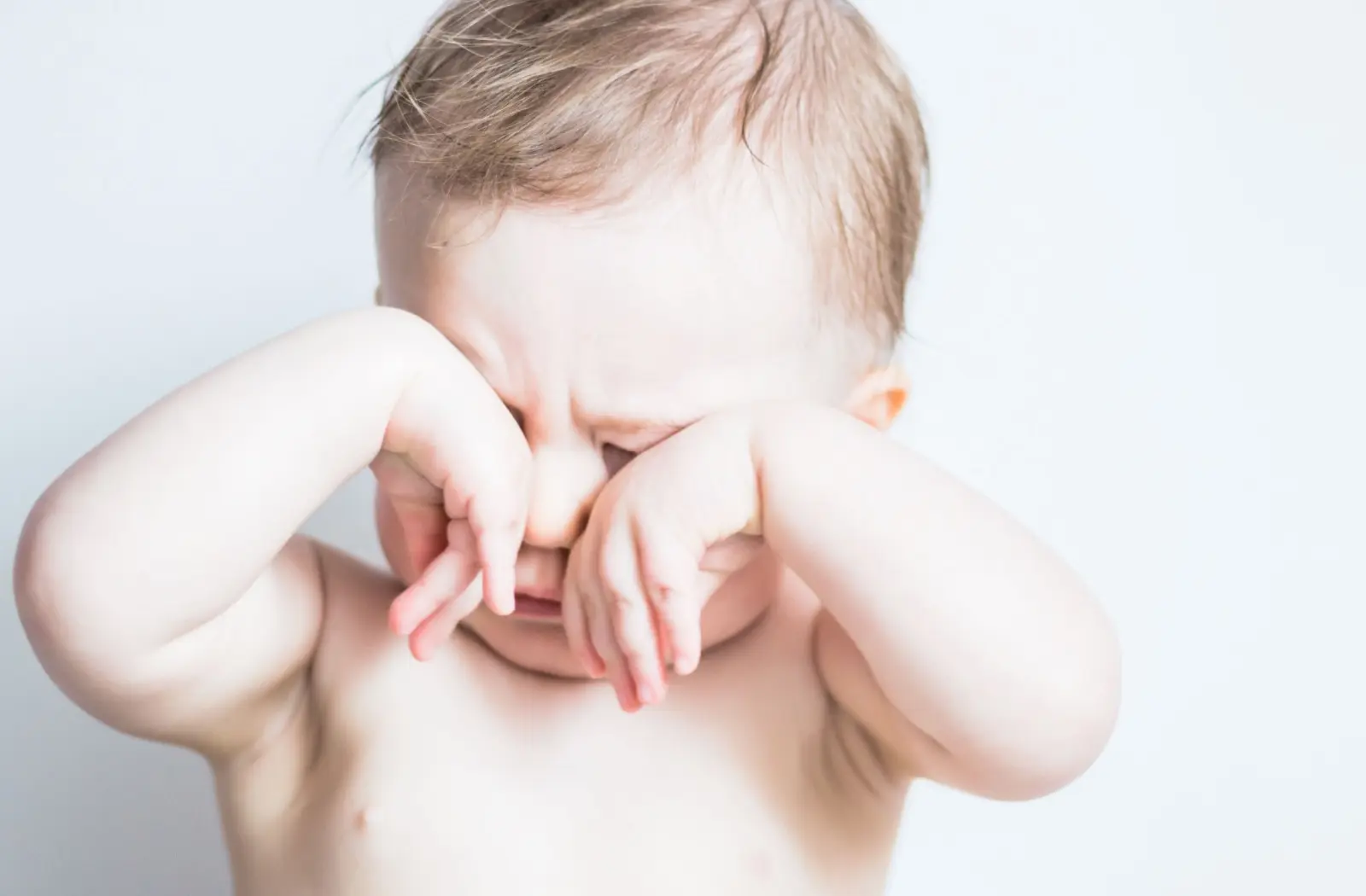
Possible symptoms include:
- Repeated sneezing
- A clear, runny nose
- Nasal congestion
- Watery or red eyes
- Rubbing the eyes or nose
- Mild coughing from postnasal drip
- Restless sleep
- Symptoms that worsen outdoors
- Symptoms that return during the same season
Allergies usually do not cause a high fever. They also tend to last longer than a simple cold and may improve when the child spends time away from the trigger.
Signs that may point to a cold
A cold may begin with clear nasal discharge that later becomes thicker. It can also cause fever, reduced appetite, tiredness, and general discomfort.
Babies experience several respiratory infections as their immune systems develop. Therefore, timing alone does not confirm an allergy.
For example, sneezing after a park visit may suggest pollen exposure. However, sneezing followed by fever and poor feeding is more likely to need assessment for an infection.
How to Treat Seasonal Allergies in Babies Safely
The safest first step is to discuss the symptoms with a pediatric healthcare professional. Bring details about when the symptoms started, where they become worse, and whether the baby has eczema, wheezing, or a family history of allergies.
A useful symptom record might include:
- The date symptoms began
- The time of day they become worse
- Recent outdoor activities
- Whether windows were open
- Eye, nose, skin, and breathing symptoms
- Changes in sleep or feeding
- Any fever or unusual behaviour
This information can help separate pollen sensitivity from a cold, indoor irritant, or another condition.
Moreover, take a short video if the baby makes an unusual breathing sound. Symptoms may not be present during the appointment, so a recording can help the healthcare professional understand what happened.
Gentle Home Remedies for Baby Allergy Symptoms
Home remedies cannot cure an allergy. However, carefully chosen measures may lower pollen exposure and ease mild irritation without placing the baby at unnecessary risk.
Use plain saline drops
Plain saline drops can moisten dry nasal passages and loosen mucus. They do not contain an antihistamine, steroid, or decongestant.
Place the baby on a safe, flat surface and follow the product instructions. After the drops loosen the mucus, a clean infant nasal aspirator may be used gently if necessary.
Avoid aggressive or repeated suction. Too much suction can irritate the delicate lining of the nose and increase swelling.
Use a clean dropper or single-use container. Moreover, do not share nasal products between children because germs can spread through the applicator.
Create comfortable indoor humidity
Very dry air may irritate the nose and throat. A cool-mist humidifier can add moisture when indoor air is dry.
However, excessive humidity encourages mould and dust mites. Keep indoor humidity at a moderate level rather than making the room feel damp.
Empty and clean the humidifier regularly. A dirty water tank can release unwanted particles into the air, making respiratory symptoms worse instead of better.
Do not place a hot-steam device near a baby. Hot water and steam can cause serious burns.
Offer regular feeds
Breast milk or infant formula provides the hydration a baby needs. Regular feeding can help prevent dryness and keep nasal mucus easier to clear.
Do not give extra water to a young baby unless a healthcare professional advises it. Babies have different fluid needs from older children and adults.
Watch for fewer wet diapers, a dry mouth, no tears when crying, or unusual sleepiness. These may be signs of dehydration and require prompt advice.
Clean the baby’s face after outdoor time
Pollen can settle on eyelashes, eyebrows, cheeks, hair, hats, and blankets. Gently wipe the baby’s face with a clean, damp cloth after spending time outdoors.
Change the baby’s clothing if you have been in a grassy park, garden, or other high-pollen area. Wash your own hands and face as well before handling the baby.
For example, a parent who has been mowing grass may carry pollen on clothing and hair. Changing clothes before holding the baby can reduce this second-hand exposure.
Give a gentle bath before bedtime
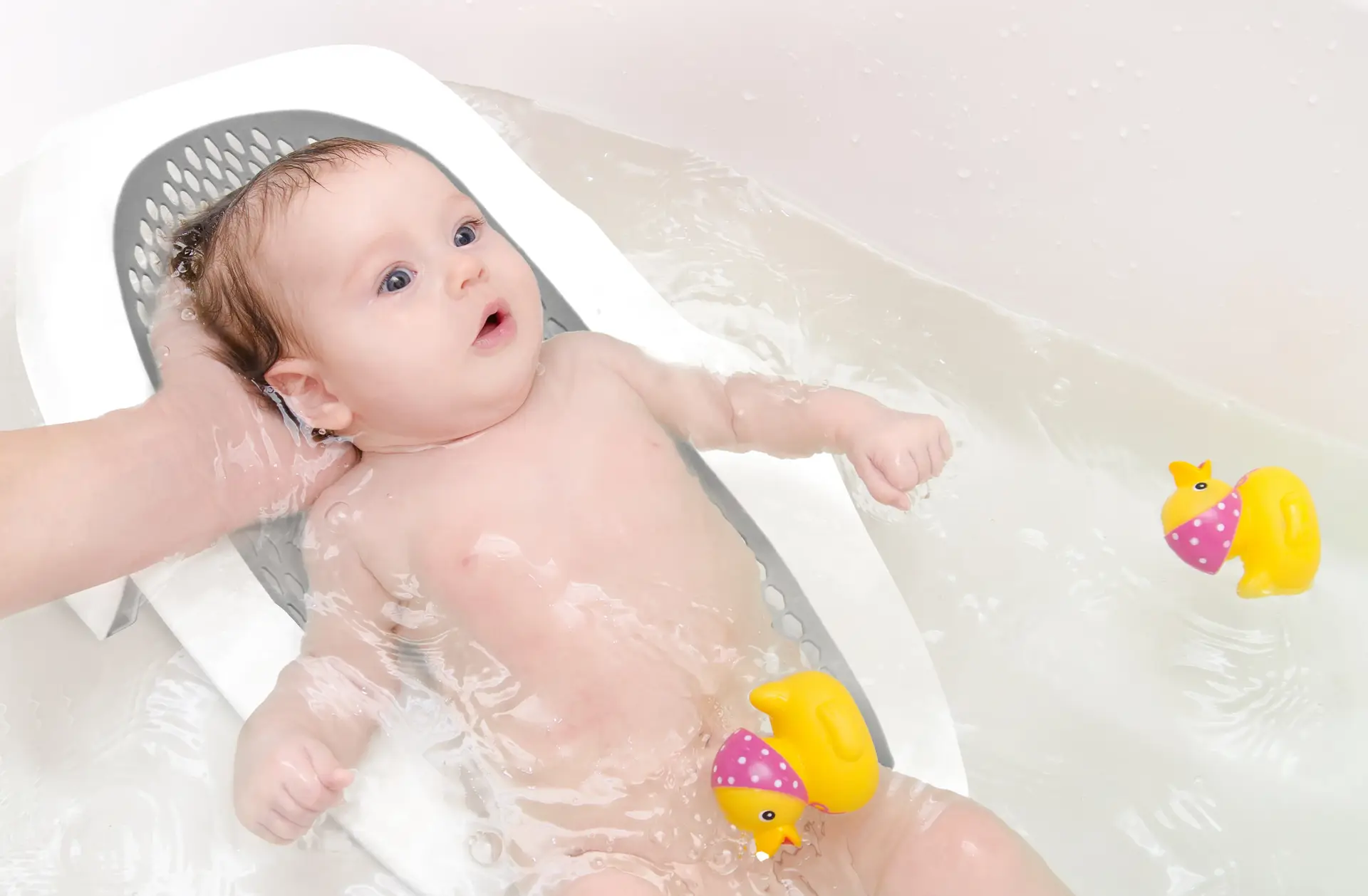
A short bath can remove pollen from the baby’s hair and skin. It may be especially helpful after a long outdoor day.
Use lukewarm water and a mild, fragrance-free cleanser only when needed. Too much soap can dry the skin, particularly in babies with eczema.
Dry the baby carefully and apply any approved fragrance-free moisturizer. Keeping the skin barrier healthy may reduce irritation caused by rubbing, drool, and repeated wiping.
Natural Remedies Parents Should Avoid
Many online remedies sound harmless because they are called natural. However, a baby’s body processes substances differently from an adult’s body.
Avoid experimenting with:
- Herbal allergy mixtures
- Essential oils on the skin
- Essential oil diffusers
- Honey for babies under 12 months
- Homemade nasal solutions
- Adult herbal tea
- Menthol rub near the nose
- Strong steam treatments
- Unapproved supplements
- Raw local pollen products
Essential oils may irritate the skin, eyes, and airways. Some oils are also unsafe if swallowed, even in small amounts.
Honey must not be given to a baby under one year because of the risk of infant botulism. In addition, there is no reliable reason to expose a baby to local honey as an allergy treatment.
Homemade nasal mixtures can contain the wrong salt level or unsafe water. A sterile product designed for infants is a safer option.
In short, simple care is better than a complicated collection of untested remedies.
Reducing Pollen Exposure Outdoors
Babies need fresh air and safe outdoor experiences. The goal is not to keep a child inside throughout an entire season but to reduce heavy pollen exposure when possible.
Choose outdoor times carefully
Dry, warm, and windy weather can spread large amounts of pollen. If symptoms are active, consider a shorter walk or an indoor activity on such days.
Rain may temporarily remove pollen from the air. However, damp weather can also increase outdoor mould, so observe how your baby responds.
Choose paved walking routes instead of sitting directly beside freshly cut grass. Moreover, keep the stroller away from areas where mowing, leaf blowing, or gardening is taking place.
Use the stroller canopy correctly
A stroller canopy can provide shade and limit some falling particles. However, it does not create a pollen-free space.
Never cover a stroller completely with a thick blanket. This can trap heat and reduce airflow, causing the temperature inside the stroller to rise quickly.
Use a breathable, purpose-made cover only as directed. Check the baby frequently for warmth, sweating, colour changes, or discomfort.
Change outdoor clothing
Remove jackets, shoes, hats, and stroller blankets near the entrance. Do not place outdoor items on the baby’s bed or changing surface.
Wash fabric stroller parts according to their care instructions. Pollen can collect on the seat, canopy, straps, and storage basket.
If a parent has been gardening or cutting grass, shower and change clothes before close contact with the baby. This step is easy to overlook but may make a noticeable difference.
How to Clear Pollen From a Baby’s Room
A low-pollen bedroom supports better sleep and reduces exposure during the many hours a baby spends resting. Focus on removing pollen without adding fragrance or harsh chemical fumes.
Keep windows closed
Close bedroom windows during the baby’s allergy season, particularly on dry and windy days. Use suitable temperature control to keep the room comfortable.
An open window can allow pollen to collect on bedding, curtains, toys, and carpets. Once inside, the particles may remain even after outdoor levels drop.
Check window seals and screens for visible dust. Screens keep insects outside, but they do not block tiny pollen particles.
Wash bedding regularly
Wash fitted sheets and approved sleep items regularly with a fragrance-free detergent. Dry them indoors or in a dryer rather than on an outdoor clothesline.
Always follow safe-sleep rules. Keep pillows, loose blankets, positioners, stuffed toys, and other soft objects out of an infant’s sleep space.
A bare sleep surface is easier to keep clean. More importantly, it reduces the risk of sleep-related injury.
Dust with a damp cloth
A dry duster can move pollen into the air. Instead, use a slightly damp microfiber cloth on hard surfaces.
Clean from higher surfaces downward so fallen particles can be removed from the floor last. Pay attention to windowsills, shelves, fan blades, and the top of furniture.
Do the cleaning when the baby is in another room. Allow the air to settle and any cleaned surfaces to dry before bringing the baby back.
Vacuum carefully
A vacuum with effective filtration can remove pollen, pet dander, and dust from carpets. Vacuum slowly instead of making quick passes.
If possible, another adult should care for the baby away from the room during vacuuming. Even a good machine may disturb particles for a short time.
Hard flooring is generally easier to clean than thick carpet. However, replacing flooring is not always necessary; regular careful cleaning can still reduce allergen buildup.
Consider a suitable air cleaner
A portable air cleaner with a HEPA filter may reduce airborne particles in a closed room. Select a unit designed for the room’s size.
Place it where air can move freely around it, but keep cords and the device itself out of the baby’s reach. Follow all safety and filter-replacement instructions.
Avoid machines that intentionally produce ozone. Ozone can irritate the lungs and is not suitable for creating healthy nursery air.
Removing Other Allergens and Irritants
It is impossible to remove every allergen from a room. Still, reducing the overall allergen load may help a sensitive child feel more comfortable.
Control dust and dust mites
Wash washable fabrics regularly and reduce items that collect dust. Store extra toys, books, and clothing in closed containers.
Dust mites prefer warm, humid conditions. Therefore, avoid making the nursery overly humid.
Do not spray mattresses or bedding with strong chemicals. These products may add irritating fumes without solving the underlying problem.
Keep pets out of the sleeping area
A pet may carry pollen indoors on its coat even when the baby is not allergic to the animal. Keep pets away from the crib and nursery when symptoms are active.
Wipe the pet’s paws and coat gently after outdoor time. Use animal-safe grooming methods rather than household cleaning products.
Regularly wash pet bedding in a separate area. Moreover, do not place pet blankets on furniture used for feeding or changing the baby.
Remove smoke and fragrance
Tobacco smoke, vaping aerosols, incense, candles, perfume, and strong cleaning sprays can irritate a baby’s airways.
A product does not need to be an allergen to worsen symptoms. Irritation may increase coughing, congestion, and eye watering.
Choose fragrance-free cleaning and laundry products when possible. Ventilate the room safely after cleaning, but avoid opening the window during a high-pollen period.
Look for moisture and mould
Check around windows, air-conditioning units, walls, and plumbing for damp areas. A musty smell may indicate hidden moisture.
Small surface marks should not be ignored, especially if they return after cleaning. The source of the moisture needs to be corrected.
Keep the baby away from any cleaning or repair work. Large or repeated mould problems may require professional assessment.
Baby Allergy Medicines Require Extra Caution
Parents should never select infant allergy medicine by comparing adult products. Age limits, active ingredients, strengths, and doses vary widely.
Some antihistamines may be used for certain conditions in young children, but that does not mean they are suitable for every baby or every symptom. The baby’s age, weight, diagnosis, and health history all matter.
In particular, cough-and-cold products containing antihistamines or decongestants can cause serious harm in very young children. Never use a medicine simply because another parent recommends it.
Avoid these medication mistakes:
- Estimating a dose with a kitchen spoon
- Using an adult product
- Combining cough and allergy medicines
- Giving a second dose too early
- Using medicine to make a baby sleepy
- Reusing an old prescription
- Sharing medicine between siblings
- Ignoring the active-ingredient list
Use the measuring device supplied with an approved medicine. If the instructions are unclear, ask a healthcare professional before giving the dose.
The best treatment for seasonal allergies in a baby is not necessarily a medicine. When symptoms are mild, reducing pollen and supporting comfortable breathing may be the most suitable first approach.
When to Arrange a Medical Appointment
Contact a pediatric healthcare professional if symptoms continue, return during a certain season, disturb feeding, or prevent restful sleep.
An assessment is also sensible when the baby has eczema, repeated wheezing, frequent ear problems, or a strong family history of allergic disease.
Bring your symptom notes and a list of everything used at home. Include saline products, skin creams, humidifiers, supplements, and any medicine.
Professional severe seasonal allergies treatment may involve confirming the trigger, checking for asthma or infection, and creating an age-appropriate care plan. Allergy testing is not automatically required for every baby.
Warning Signs That Need Urgent Help
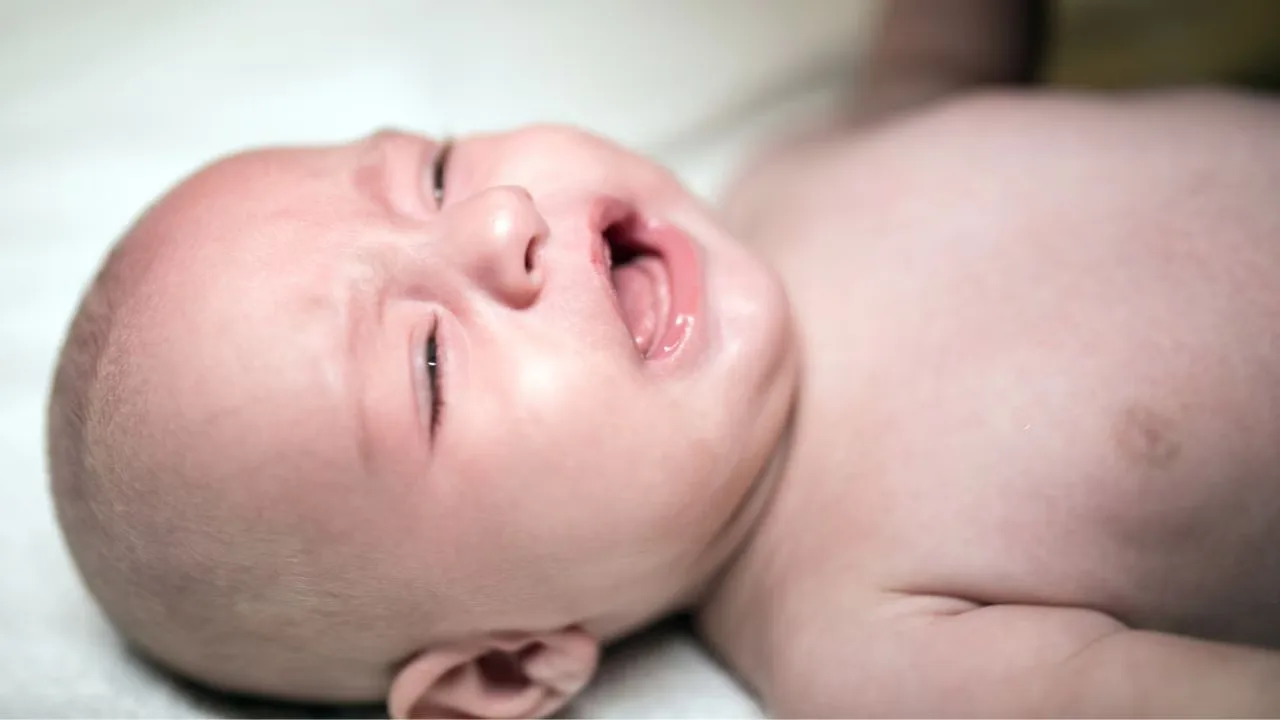
Get immediate medical help if the baby has:
- Difficulty breathing
- Fast or laboured breathing
- Ribs pulling inward with each breath
- Blue or grey lips
- Swelling of the tongue or face
- A weak or unusual cry
- Trouble feeding because of breathing
- Sudden extreme sleepiness
- Faintness or poor responsiveness
- Rapidly spreading hives with other symptoms
Do not assume that serious breathing symptoms are ordinary hay fever. Moreover, do not wait for saline, steam, or another home remedy to work.
A Simple Daily Pollen Routine for Parents
A clear routine can make prevention easier:
- Keep nursery windows closed when pollen is active.
- Choose lower-exposure areas for outdoor walks.
- Wipe the baby’s face after returning home.
- Change the baby’s outer clothing.
- Leave shoes, coats, and stroller items near the entrance.
- Use plain saline only when appropriate.
- Bathe the baby after heavy outdoor exposure.
- Wash bedding and clean hard surfaces regularly.
- Record symptoms, feeding, sleep, and possible triggers.
- Ask for medical advice before using medication.
This routine does not promise a completely allergen-free environment. However, it reduces avoidable exposure without making family life unnecessarily stressful.
Personal Care Insight for Parents
One of the most useful habits is changing only one part of the routine at a time. If five remedies begin on the same day, it becomes difficult to know what helped or caused irritation.
For example, start by closing the bedroom window and changing outdoor clothing. Record the baby’s symptoms for several days before adding another step.
Moreover, trust patterns rather than one isolated sneeze. A repeated connection between outdoor pollen exposure and symptoms is more useful than a single difficult afternoon.
Conclusion
Learning how to treat seasonal allergies in babies starts with confirming that pollen is actually responsible. Colds, dry air, smoke, and other irritants can create similar symptoms.
Gentle measures such as plain saline, clean indoor air, fresh clothing, regular feeding, and careful pollen control may improve comfort. However, unapproved medicine, herbal remedies, honey, essential oils, and strong steam treatments can create unnecessary risks.
Most importantly, watch the baby rather than focusing only on the stuffy nose. Changes in breathing, feeding, colour, hydration, or alertness deserve prompt attention. With a simple routine and professional guidance, parents can manage allergy season calmly and safely.
Frequently Asked Questions
What do I do if my baby has seasonal allergies?
Record the symptoms, reduce pollen exposure, and contact a pediatric healthcare professional. Plain saline and gentle cleaning may help, but do not give allergy medicine without approval.
What is the best home remedy for pollen allergies?
Reducing pollen exposure is the safest starting point. Close windows, change outdoor clothing, wash the baby’s face, and use approved plain saline when needed.
How to stop allergies in babies?
Allergies cannot always be completely stopped. However, identifying triggers, lowering exposure, and following an age-appropriate care plan can reduce symptoms.
How to clear pollen from a room?
Keep windows closed, wash bedding, wipe hard surfaces with a damp cloth, vacuum carefully, and change air filters regularly. Clean while the baby is in another room.
How to remove all allergens from a room?
Removing every allergen is not realistic. Instead, reduce dust, pollen, pet dander, moisture, smoke, fragrance, and unnecessary fabrics to create a cleaner sleeping space.
⭐ Make MindLiva Your Preferred Source on Google
Get trusted health, wellness, and lifestyle articles from MindLiva.
Add MindLiva
Samie Babaei is a medical science student at Shahid Beheshti University of Medical Sciences with a strong interest in health, wellness, and medical research. As a health writer and researcher at MindLiva, she focuses on creating clear, evidence-based content that helps readers better understand health and well-being.