



How to Build a Skincare Routine from Scratch for Aging Skin
Have you ever looked in the mirror and wondered where those fine lines, dark spots, or dull skin came from? Aging is a natural part of life, but the way we care for our skin can greatly influence how healthy and vibrant it looks over time.
Learning how to build a skincare routine from scratch is one of the smartest investments you can make for your skin. You don’t need dozens of expensive products or complicated steps. Instead, a consistent routine with the right ingredients can help improve texture, maintain moisture, and protect your skin from everyday damage.
In this guide, you’ll discover how aging affects your skin, which products truly matter, and how to create a simple routine that delivers lasting results. You’ll also find expert insights, practical examples, and easy-to-follow recommendations that fit into everyday life.
Why Aging Skin Needs Extra Care
As we grow older, our skin naturally changes.
Collagen production slows down. Elastin fibers become weaker. Cell turnover also becomes less efficient.
As a result, many people begin to notice:
- Fine lines
- Wrinkles
- Dryness
- Uneven skin tone
- Loss of firmness
- Age spots
Moreover, years of sun exposure, pollution, stress, and poor sleep can accelerate these visible changes.
The good news is that healthy daily habits can help support your skin at every age.
Understanding Aging Skin Before Building Your Routine
Before buying products, it’s important to understand what your skin actually needs.
Many beginners assume every anti-aging product works the same way.
However, successful routines are always personalized.
Common Characteristics of Aging Skin
Aging skin often experiences:
- Reduced moisture
- Slower healing
- Thinner texture
- Less natural oil
- Increased sensitivity
Because of these changes, choosing gentle products becomes even more important.
Determine Your Skin Type
Even mature skin falls into different categories.
Dry Skin
Dry skin often feels tight after washing.
It benefits from richer moisturizers that strengthen the skin barrier.
Oily Skin
Some adults continue producing excess oil well into later life.
People searching for the best skincare for oily skin should focus on lightweight hydration instead of skipping moisturizer.
Combination Skin
Combination skin has oily and dry areas at the same time.
Finding balanced products is usually the best approach.
Sensitive Skin
Those interested in skincare for sensitive skin should avoid products containing strong fragrances or high amounts of alcohol.
Gentle formulas reduce irritation while protecting the skin barrier.
How to Build a Skincare Routine from Scratch Step by Step
Starting simple usually produces better long-term results than buying numerous products at once.
Dermatologists often recommend introducing only one new product every few weeks.
This allows you to identify what truly benefits your skin.
Step 1: Choose a Gentle Cleanser
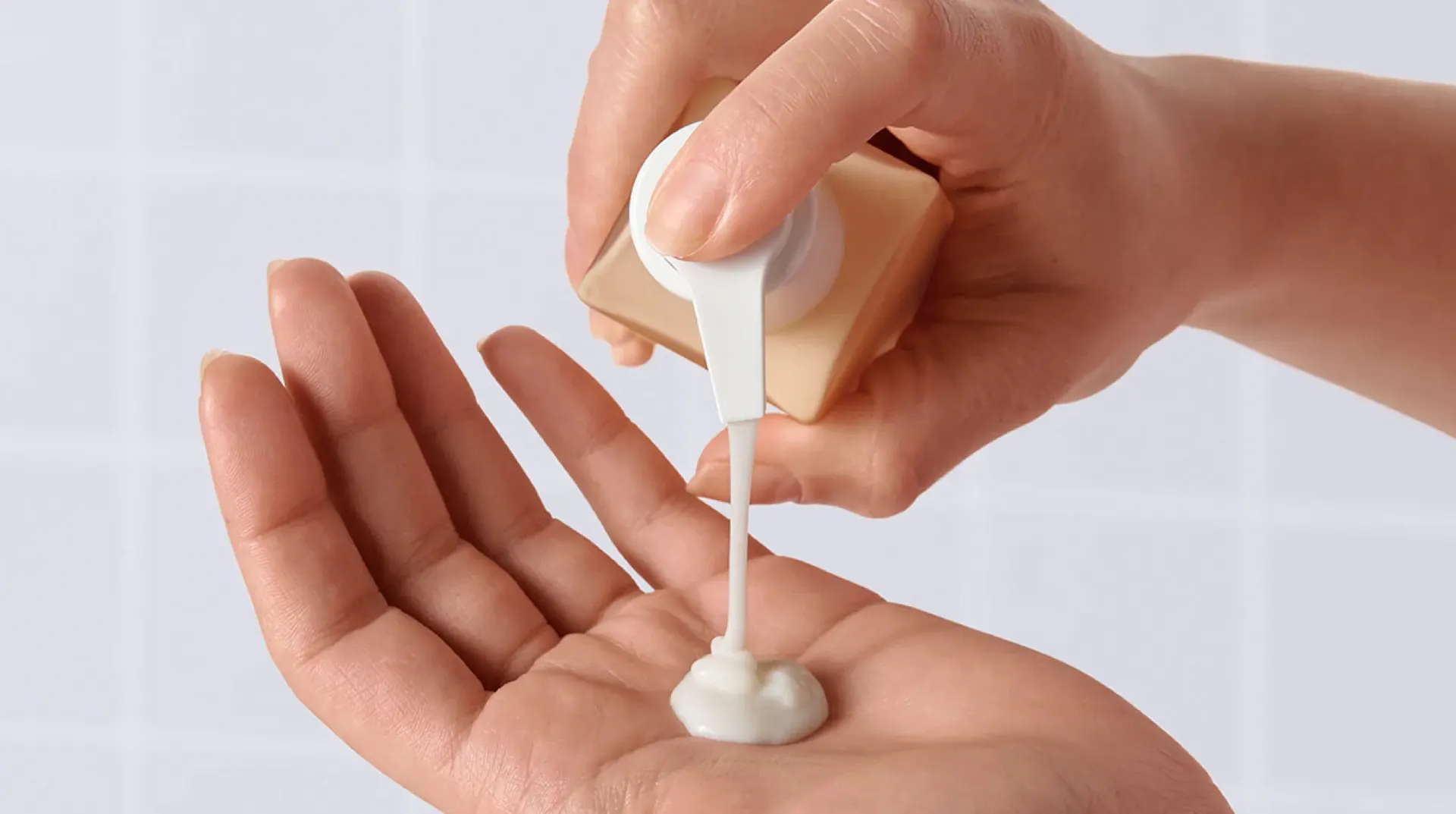
Every healthy routine begins with proper cleansing.
A good facial cleanser removes:
- Dirt
- Sweat
- Makeup
- Sunscreen
- Pollution
- Excess oil
Avoid harsh soaps because they can remove your skin’s natural protective oils.
Instead, use a gentle facial cleanser designed for your skin type.
Step 2: Apply Hydrating Products
Hydration is one of the most effective ways to improve aging skin.
Look for ingredients such as:
- Hyaluronic acid
- Glycerin
- Ceramides
These ingredients help your skin retain moisture while improving softness.
Moreover, hydrated skin often appears smoother and healthier.
Step 3: Add Targeted Treatment Products
Treatment products help address specific concerns.
Popular anti-aging ingredients include:
Vitamin C
Vitamin C supports brighter-looking skin.
It may also reduce the appearance of dark spots caused by sun exposure.
Niacinamide
Niacinamide helps improve uneven tone while strengthening the skin barrier.
Many dermatologists recommend it because it works well for different skin types.
Retinol
Retinol remains one of the most researched anti-aging ingredients.
Regular use may improve:
- Fine lines
- Wrinkles
- Skin texture
- Collagen production
However, beginners should introduce retinol gradually.
Step 4: Moisturize Every Day
One of the biggest mistakes people make is skipping moisturizer.
Even oily skin needs hydration.
A quality moisturizer helps:
- Reduce water loss
- Support skin repair
- Improve smoothness
- Protect the skin barrier
Consistency matters more than expensive products.
Step 5: Protect with Sunscreen
If dermatologists could recommend only one anti-aging product, sunscreen would almost always be their first choice.
Daily sun protection helps reduce:
- Wrinkles
- Dark spots
- Uneven pigmentation
- Skin cancer risk
Choose SPF 30 or higher and apply it every morning.
Morning and Evening Care
Your skin has different needs throughout the day.
A simple morning skincare routine focuses on protection.
Morning checklist:
- Gentle cleanser
- Vitamin C serum
- Moisturizer
- Sunscreen
Evening care focuses more on recovery.
Night checklist:
- Cleanser
- Treatment serum
- Moisturizer
This simple approach is often more effective than complicated multi-step routines.
Ingredients Worth Investing In
Many products promise instant results.
Scientific research, however, consistently highlights a smaller group of ingredients with proven benefits.
Ceramides
Ceramides help strengthen the skin barrier.
Healthy barriers reduce moisture loss and improve resilience.
Peptides
Peptides support collagen production.
Over time, they may improve firmness and skin texture.
Antioxidants
Environmental damage from pollution and sunlight creates free radicals.
Antioxidants help protect skin from this damage.
Vitamin C is one example, but green tea extract and Vitamin E are also excellent choices.
Lifestyle Habits That Support Healthy Skin

Products alone cannot create healthy skin.
Daily habits matter just as much.
Eat Nutrient-Rich Foods
Choose foods rich in:
- Fruits
- Vegetables
- Healthy fats
- Fish
- Nuts
- Whole grains
These foods provide vitamins and antioxidants that support healthy skin.
Sleep Well
While you sleep, your body repairs damaged cells.
Most adults benefit from seven to nine hours of quality sleep each night.
Stay Active
Exercise improves blood circulation.
Better circulation delivers oxygen and nutrients throughout the body, including the skin.
Drink Enough Water
Although water isn’t a miracle cure, staying hydrated supports your body’s natural functions and overall skin health.
Common Mistakes to Avoid When Building Your Routine
Even the best products cannot deliver results if they’re used incorrectly. Fortunately, avoiding a few common mistakes can save both time and money.
Using Too Many Products at Once
It is tempting to try every trending product. However, introducing several new products at the same time makes it difficult to know what is actually working.
Instead:
- Add one new product every two to four weeks.
- Watch how your skin responds.
- Keep your routine simple and consistent.
Skipping Sun Protection
Many people spend money on anti-aging creams while forgetting sunscreen.
Without daily UV protection, sun exposure continues to damage collagen and speed up skin aging.
Expecting Overnight Results
Healthy skin improves gradually.
Most active ingredients need at least 6–12 weeks of regular use before noticeable changes appear.
Consistency always beats quick fixes.
How Your Routine Changes With Age
Your skin’s needs evolve throughout life.
In Your 20s
Focus on prevention.
A simple routine should include:
- Gentle cleanser
- Moisturizer
- Sunscreen
Building healthy habits early helps reduce future skin damage.
In Your 30s
Collagen production begins to decline.
Adding Vitamin C and retinol may help maintain smoother, firmer skin.
In Your 40s
Hydration becomes even more important.
Products containing peptides, ceramides, and antioxidants can help improve skin comfort and elasticity.
In Your 50s and Beyond
The skin barrier naturally becomes thinner.
Choose nourishing creams that support moisture and avoid harsh exfoliation.
Popular Trends: Which Ones Are Worth Trying?
Every year brings new beauty trends. Some are supported by science, while others are driven mainly by social media.
Gentle Layering
Inspired by korean skincare, gentle layering focuses on hydration instead of aggressive treatments. This approach can work well for aging skin because it prioritizes barrier health.
Budget-Friendly Ingredients
Many people discover that ordinary skincare products contain research-backed ingredients without premium pricing. Reading ingredient lists is often more useful than focusing on brand names.
Weekly Treatments
Occasional face masks skincare products may add hydration before special events or after long flights. However, they should support your routine rather than replace daily care.
Natural Choices
Interest in organic skincare continues to grow. Plant-based ingredients can be beneficial, but remember that natural products may still cause irritation in some individuals. Always perform a patch test first.
Skin Care for Different Family Members
Although this guide focuses on aging skin, each stage of life has unique needs.
For example, skincare for men often includes extra attention to shaving irritation, while skincare for kids should remain simple and use only gentle, age-appropriate products recommended by healthcare professionals.
When Should You See a Dermatologist?
Home care works well for many common concerns.
However, professional advice is important if you notice:
- A changing mole
- Persistent acne
- Severe redness
- Painful rashes
- Sores that do not heal
- Sudden changes in skin texture or color
Early evaluation often leads to better outcomes.
A Simple Weekly Plan
If you’re unsure how to organize your routine, this schedule can help.
| Day | Focus |
| Monday | Cleanser, moisturizer, sunscreen |
| Tuesday | Add Vitamin C |
| Wednesday | Gentle hydration |
| Thursday | Retinol (if tolerated) |
| Friday | Moisturizer and barrier repair |
| Saturday | Gentle exfoliation (if appropriate) |
| Sunday | Hydrating mask and recovery |
This schedule is flexible and can be adjusted based on your skin’s needs.
Expert Tips for Long-Term Success
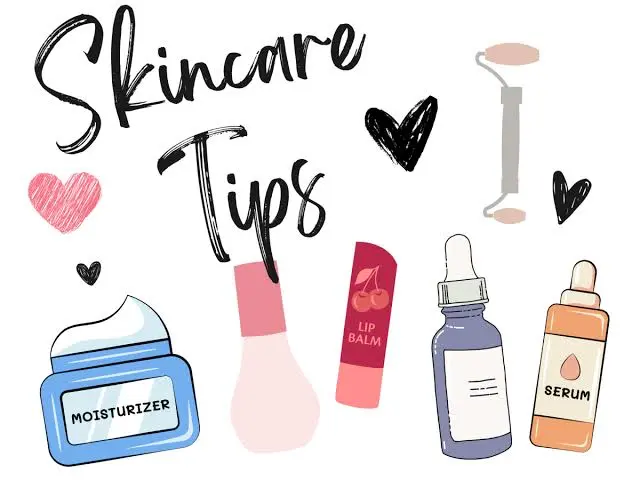
Healthy skin is built through daily habits rather than occasional treatments.
Here are some practical skincare tips from dermatology experts:
- Cleanse gently twice a day.
- Moisturize even if your skin feels oily.
- Apply sunscreen every morning.
- Avoid smoking.
- Eat colorful fruits and vegetables.
- Replace old skincare products after expiration.
- Wash pillowcases regularly.
- Stay patient and track your progress with monthly photos.
These habits support healthier skin over time.
Conclusion
Building a skincare routine from scratch doesn’t require a cabinet full of expensive products.
The most effective routine is one you can follow every day.
By understanding your skin type, choosing proven ingredients, protecting your skin from the sun, and maintaining healthy lifestyle habits, you create a strong foundation for healthier, younger-looking skin.
Remember, lasting results come from consistency—not perfection. Start with the basics, give your skin time to respond, and adjust your routine as your needs change.
Frequently Asked Questions
How long does it take to see results from a new routine?
Most people begin noticing improvements within six to twelve weeks if they follow their routine consistently.
Should I exfoliate every day?
No. Most people only need exfoliation one or two times each week to avoid irritation.
Can I use several active ingredients together?
Some ingredients work well together, while others may increase irritation. Introduce products gradually and follow product instructions.
Is sunscreen necessary indoors?
If you spend time near windows or receive regular daylight exposure, daily sunscreen is still recommended.
What’s the biggest mistake beginners make?
Trying too many products at once. A simple, consistent routine usually delivers better long-term results.
⭐ Make MindLiva Your Preferred Source on Google
Get trusted health, wellness, and lifestyle articles from MindLiva.
Add MindLiva
Samie Babaei is a medical science student at Shahid Beheshti University of Medical Sciences with a strong interest in health, wellness, and medical research. As a health writer and researcher at MindLiva, she focuses on creating clear, evidence-based content that helps readers better understand health and well-being.