



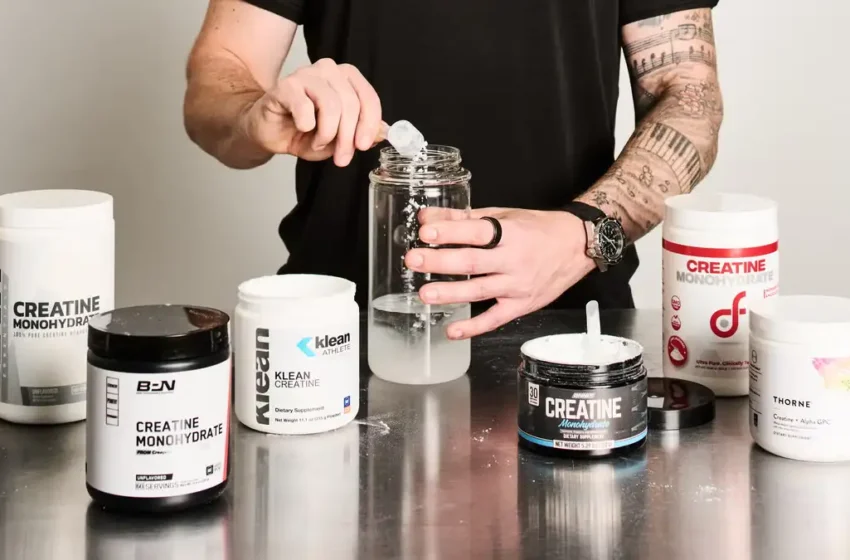
Best Creatine for Men: Boost Your Athletic Performance
Have you ever finished a hard set and felt your strength disappear before your muscles were truly done? That drop in power is one reason many lifters use performance supplements.
Finding the best creatine for men matters because hundreds of products now compete for attention. Some offer plain powder, while others add stimulants, sweeteners, vitamins, or bold claims about rapid muscle growth.
However, the most expensive formula is not always the most effective one. Current research continues to support simple, properly dosed products for strength, power, and repeated high-intensity exercise.
In this guide, you will learn how this supplement works, which form has the strongest evidence, how to compare brands, and what safety points deserve attention. You will also see how powder, capsules, and newer formats differ in value and convenience.
Why the Best Creatine for Men Is Usually Simple
A good supplement does not need a long list of ingredients. In fact, simple formulas often make it easier to confirm the dose, judge the quality, and understand what you are paying for.
The body naturally produces small amounts of creatine in the liver, kidneys, and pancreas. It is also found in foods such as red meat and fish. Most of it is stored in skeletal muscle as phosphocreatine, where it helps support rapid energy production.
This energy system becomes especially important during short, demanding activities. Heavy squats, jumps, sprints, and explosive changes of direction all require energy quickly.
Therefore, the ideal product is usually one that provides a researched ingredient in a clear daily serving. Extra flavouring or branding may improve the experience, but it does not automatically improve athletic results.
What Does It Actually Do During Exercise?
Many beginners ask what does creatine do before deciding whether it belongs in their routine.
During intense exercise, muscles use adenosine triphosphate, or ATP, for immediate energy. ATP supplies energy quickly, but the available amount is limited. Once it falls, power output begins to decrease.
Stored phosphocreatine helps rebuild ATP. Increasing muscle stores may allow an athlete to maintain force for slightly longer, complete another repetition, or perform repeated sprints with less decline.
For example, imagine completing four sets of bench presses. Without supplementation, you may perform 10, 9, 7, and 6 repetitions. With improved energy availability, you might maintain one additional repetition during later sets.
That difference looks small during one workout. However, an extra repetition across hundreds of training sessions can increase total training volume and support better long-term adaptation.
What Current Research Says About Performance

Recent evidence continues to strengthen the case for supplementation during resistance training.
A 2024 systematic review involving adults younger than 50 found that supplementation combined with resistance exercise produced greater upper- and lower-body strength gains than resistance training with a placebo. The review included mostly male participants and reported improvements in both major strength categories.
Moreover, a 2026 systematic review focused specifically on young men. It found improvements in anaerobic power and reported that gains in fat-free and lean body mass were most meaningful when supplementation was combined with resistance training.
These findings highlight an important point: the product does not replace training. It makes productive training easier to support.
Some established creatine benefits include:
- Greater strength during resistance exercise
- Better performance in repeated sprints
- Improved power during explosive movements
- Higher training volume in some users
- Increased lean body mass when combined with lifting
- Better maintenance of performance across hard sets
However, results vary. Training quality, diet, muscle fibre type, baseline stores, consistency, and individual response can all affect the outcome.
It is also less useful for long, steady endurance activities. The National Institutes of Health notes that its strongest performance value is seen during repeated short bursts of intense activity rather than distance running, cycling, or swimming.
Which Form Works Best for Men?
Supplement companies sell several versions, including hydrochloride, nitrate, citrate, buffered formulas, and ethyl ester.
Yet creatine monohydrate remains the most widely studied form. Government sports-nutrition guidance notes that other varieties are often promoted as better absorbed or less likely to cause water retention, but research supporting those claims remains limited.
This traditional form offers several practical advantages:
- It has decades of research behind it.
- It is widely available.
- It is usually affordable per serving.
- It mixes easily into drinks.
- Its effective dosing is well understood.
Micronized powder is also available. “Micronized” means the particles have been made smaller, which may help the powder mix more smoothly. It does not represent a completely different active ingredient.
Therefore, do not assume that a complicated chemical name means stronger results. In most cases, a basic formula provides everything an active adult needs.
How to Choose the Best Creatine for Men
The front of the container is designed to sell the product. The Supplement Facts panel tells you what you are actually buying.
Use the following checklist before making a purchase.
1. Look for One Main Ingredient
A simple product allows you to control your dose without taking unwanted stimulants, herbs, carbohydrates, or artificial blends.
Some companies combine performance ingredients into one formula. However, this can make it difficult to tell whether each ingredient is included in a useful amount.
A single-ingredient product is generally easier to evaluate.
2. Check the Amount Per Serving
A serving should provide a practical amount without requiring six capsules or several scoops.
Also check how the company defines one serving. A large container may appear inexpensive, but the value changes if each scoop provides only a small amount.
Compare products by cost per effective serving, not simply by container size.
3. Prefer Independent Testing
Dietary supplements are not approved by the US Food and Drug Administration before being sold in the same way as prescription medicines. Manufacturers remain responsible for meeting applicable safety and labelling requirements.
For added confidence, look for recognized third-party testing. Programs such as NSF Certified for Sport test products for label accuracy and substances banned by major sports organizations.
Third-party certification is especially useful for competitive athletes who may face drug testing.
4. Avoid Unrealistic Claims
A trustworthy product should not promise to add several kilograms of pure muscle in a few days.
Early weight gain is often linked to additional water stored within muscle tissue. This is not the same as building new muscle fibres overnight.
Real muscle development still requires progressive training, sufficient protein, enough calories, and recovery.
5. Inspect Added Ingredients
Flavouring and sweeteners are not necessarily harmful, but they may increase cost or cause digestive discomfort in sensitive users.
Moreover, stimulant blends can make daily use less practical. Someone training late at night may not want caffeine included in a supplement taken every day.
Powder, Capsules, or Gummies?
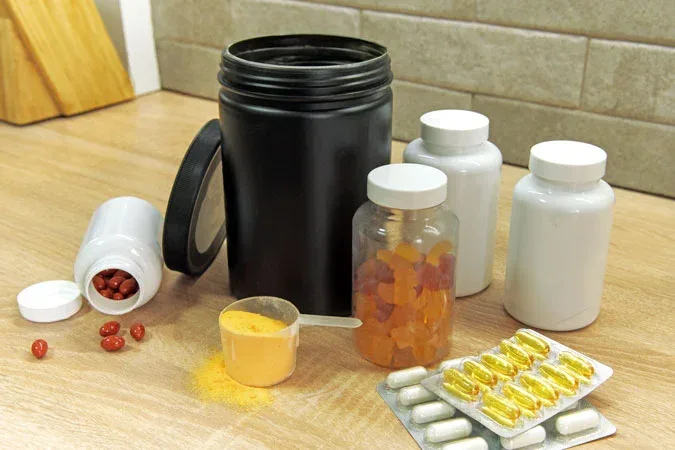
Different formats can provide the same active compound, but they differ in price, convenience, and serving accuracy.
Powder
Powder is normally the most economical option. It can be mixed with water, juice, a protein shake, or another cold drink.
Unflavoured powder is flexible and usually contains fewer added ingredients. However, it can settle at the bottom of a glass if it is not mixed well.
Capsules
Capsules are convenient for travel and require no mixing. They also make the serving easy to divide throughout the day.
The disadvantage is that several capsules may be needed to reach a normal daily amount. This can make capsules more expensive and inconvenient for people who dislike swallowing pills.
Gummies
Creatine gummies appeal to users who prefer a sweet, portable option. However, several pieces may be required per serving, and some products contain added sugar or cost much more than powder.
Heat, moisture, storage conditions, and ingredient stability also deserve attention. Buyers should check the amount in a complete serving rather than focusing on how much is listed in one gummy.
In short, powder normally provides the best value. Capsules improve portability, while gummies mainly offer convenience and taste.
How Much Should Men Take?
Most healthy adults do not need a complicated dosing formula.
A common maintenance amount is 3 to 5 grams per day. Taking this consistently allows muscle stores to increase gradually. Government performance guidance identifies 3 grams daily as an effective lower approach and 3 to 5 grams as a common maintenance range.
An optional loading phase can increase muscle stores faster. A typical loading method includes:
- 20 grams per day
- Divided into four 5-gram servings
- Continued for five to seven days
- Followed by 3 to 5 grams daily
Loading is not required. Taking a smaller daily amount can achieve a similar result more slowly.
A lower amount is often easier on the stomach. It may also reduce the rapid increase in water weight that some users notice during loading.
Does Timing Matter?
Consistency is more important than exact timing.
Some people take their serving before training, while others mix it into a post-workout shake. It can also be taken with breakfast or another regular meal.
Choose a time that fits naturally into your routine. A perfectly timed serving that you regularly forget is less useful than a daily serving taken at a convenient hour.
On rest days, continue using the same maintenance amount. Muscle stores do not immediately disappear when you skip a workout.
Who Is Most Likely to Benefit?
This supplement is most relevant for activities that involve strength, power, or repeated high-intensity effort.
Potential users include:
- Bodybuilders
- Powerlifters
- Recreational gym members
- Sprinters
- Football and rugby players
- Combat-sport athletes
- Hockey and basketball players
- Cross-training participants
Beginners may benefit because they are building strength quickly and increasing their training capacity. Experienced athletes may benefit because even a small performance improvement becomes valuable when progress is harder to achieve.
A 2025 dose-response review found that both novice and experienced lifters gained fat-free mass when supplementation was paired with resistance exercise. Experienced participants showed a larger numerical increase, although the difference between experience groups was not statistically significant.
Still, not everyone responds equally. People who already consume large amounts of meat and fish may begin with higher muscle stores than people who eat little or no animal food.
Does It Replace Protein Powder?
No. These two products perform different jobs.
Protein powder provides amino acids, which are used to repair and build tissue. The performance supplement discussed here supports rapid energy recycling during intense effort.
Think of protein as building material and stored phosphocreatine as part of the energy system used by the construction team.
Someone who does not consume enough protein should fix that nutritional gap first. However, a person already meeting protein needs may use both products for separate reasons.
A practical routine might include:
- A protein-rich meal after training
- A consistent daily supplement serving
- Carbohydrates to support hard sessions
- Enough water throughout the day
- Seven to nine hours of sleep
No powder can compensate for poor recovery or an inconsistent training plan.
Can Men and Women Use the Same Product?

The active ingredient does not need to be reformulated according to gender.
Products promoted as the best creatine for women may use different packaging, flavours, or serving suggestions. However, women do not automatically require a special chemical form.
Men may have greater average body mass or muscle mass, but standard daily amounts are still commonly used rather than complicated gender-based formulas.
The research base has historically included more men than women, so claims about identical responses should remain cautious. Nevertheless, the ingredient itself is not exclusively a men’s supplement.
Choose according to purity, dose, testing, value, and personal tolerance—not the colour of the container.
Safety and Possible Concerns
Healthy adults generally tolerate normal amounts well. The NIH describes it as safe for healthy adults during short-term use and notes evidence supporting longer use over several years.
Commonly discussed creatine side effects include temporary water-weight gain, bloating, stomach discomfort, and occasionally cramping or headaches. Taking large servings at once may increase digestive discomfort.
A 2026 meta-analysis of randomized controlled trials found a small rise in serum creatinine but no significant differences in urea or estimated glomerular filtration rate. The authors explained that longer trials lasting beyond one year are still needed to strengthen conclusions about kidney safety.
Serum creatinine is commonly used when assessing kidney function. Because supplementation can influence this marker, users should tell their doctor about any supplements before having blood tests.
Seek medical guidance before use if you:
- Have kidney or liver disease
- Take medicine that affects kidney function
- Have abnormal blood-test results
- Are under 18
- Are pregnant or breastfeeding
- Have a medically restricted diet or fluid plan
- Experience unexplained swelling or persistent discomfort
More is not better. Taking very large amounts is unlikely to create equal increases in muscle or strength.
Common Buying Mistakes to Avoid
Paying for a “Premium” Chemical Form
A higher price does not prove better absorption or stronger results. Focus on research support and label transparency.
Choosing a Proprietary Blend
A proprietary blend may list several ingredients without showing the exact amount of each one. This makes proper evaluation difficult.
Expecting Immediate Muscle Growth
Early scale changes often reflect water storage. Visible muscle growth requires weeks or months of effective resistance training.
Ignoring the Full Serving Size
A label may highlight the amount in one capsule or gummy even though the suggested serving includes several pieces.
Switching Products Too Quickly
The effects are usually subtle. Judge progress through training performance, repetitions, load, recovery, and body measurements rather than expecting a sudden feeling.
Forgetting Basic Nutrition
Supplements work best on top of a solid diet. They do not replace protein, carbohydrates, healthy fats, vitamins, or minerals.
A Simple Daily Routine
A basic routine may look like this:
- Take 3 to 5 grams at a convenient time.
- Mix powder thoroughly with a drink.
- Continue using it on training and rest days.
- Follow a structured resistance program.
- Record weights, repetitions, and body measurements.
- Review your progress after eight to twelve weeks.
For example, a lifter could add the serving to a breakfast shake each morning. This removes the need to remember it during a busy gym session.
Conclusion
Choosing an effective product does not require chasing the newest formula. The strongest option is normally simple, clearly dosed, independently tested, and affordable enough for consistent daily use.
Research shows that supplementation can support strength, lean body mass, and anaerobic performance, particularly when combined with resistance training. However, it is not a shortcut to muscle growth.
Start with a structured workout plan, adequate protein, balanced meals, hydration, and sleep. Then use supplementation as a small performance advantage—not as the foundation of your results.
The right product may help you complete better sessions. Your habits are what turn those sessions into long-term progress.
Frequently Asked Questions
Which brand of creatine is the best?
There is no single best brand for everyone. Choose a simple product with a clear daily dose, independent testing, transparent labelling, and no unnecessary proprietary blend.
Who is the best creatine for men?
It is most useful for healthy men doing resistance training, sprinting, team sports, or repeated high-intensity exercise. Endurance-only athletes may receive less performance value.
Which form of creatine is best for men?
The traditional monohydrate form has the largest research base and is usually the most affordable choice. More expensive forms have not consistently shown better results.
Which creatine is 100% pure?
Look for a single-ingredient product with no flavours, sweeteners, stimulants, or fillers. Third-party certification offers added confidence that the label matches the contents.
Is creatine 100% safe?
No supplement is guaranteed to be completely safe for every person. Normal amounts are generally well tolerated by healthy adults, but people with medical conditions or medication concerns should consult a healthcare professional.
⭐ Make MindLiva Your Preferred Source on Google
Get trusted health, wellness, and lifestyle articles from MindLiva.
Add MindLiva
Samie Babaei is a medical science student at Shahid Beheshti University of Medical Sciences with a strong interest in health, wellness, and medical research. As a health writer and researcher at MindLiva, she focuses on creating clear, evidence-based content that helps readers better understand health and well-being.