



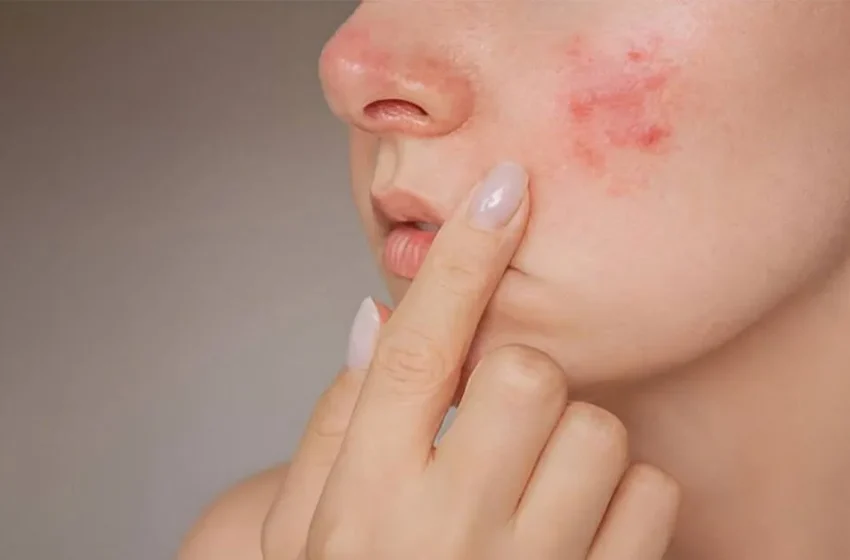
Does Creatine Cause Acne? Tips to Prevent Skin Breakouts
You start a new strength program, add a popular performance powder, and then notice several pimples along your forehead or jaw. Naturally, you ask: does creatine cause acne, or is the timing only a coincidence?
The concern matters because acne can affect confidence, while a useful sports supplement may support training progress. The frustrating part is that several lifestyle changes often happen at once: harder workouts, more sweating, extra protein shakes, less sleep, and a different diet.
This guide separates evidence from gym talk. You will learn what researchers know, why some users may still notice breakouts, how to test possible triggers, and how to protect acne-prone skin while continuing an active lifestyle.
Does Creatine Cause Acne According to Current Evidence?
The most accurate answer is there is no strong evidence that it directly causes acne. Researchers have not established a clear biological or clinical cause-and-effect relationship between normal supplementation and new breakouts.
Acne develops when hair follicles become blocked by oil and dead skin cells. Hormones, inflammation, genetics, skin products, stress, and some dietary patterns can influence that process. The American Academy of Dermatology also notes that adult breakouts may be affected by hormonal changes, stress, family history, pore-clogging products, and certain medicines.
That distinction is important. A person may develop pimples after starting a product, but “after” does not automatically mean “because of.” The new supplement may be innocent while another change in the same fitness routine is the real trigger.
Why the Rumor Keeps Spreading
The rumor partly comes from a small 2009 study of 20 male rugby players. Researchers observed a rise in DHT during a short loading phase, but the study did not measure acne or prove that supplementation causes breakouts.
Later reviews found that the result was not consistently replicated. Moreover, a 12-week randomized trial published in 2025 reported no significant difference in DHT or testosterone between the supplement and placebo groups.
The Hormone Theory: Could DHT Affect Breakouts?
Androgens can stimulate oil glands, so the DHT theory sounds believable. However, a plausible mechanism is not clinical proof.
Research has not shown that standard use raises DHT enough to trigger acne or that users develop more pimples than placebo groups. Genetics, age, existing acne, diet, and training habits are more practical factors to investigate first.
How the Supplement Supports Muscular Energy

People searching what does creatine do should know its main role: helping muscles rapidly regenerate energy during short, intense efforts.
Stored mainly in muscle as phosphocreatine, it helps restore ATP during lifting, sprinting, and explosive movement. The NIH reports that it can improve repeated high-intensity performance and is generally safe for healthy adults when used appropriately. Temporary water-related weight gain is common.
Key creatine benefits include better repeated-effort performance, training capacity, and support for strength gains with resistance exercise.
Why Breakouts May Appear After Starting a Supplement
So, does creatine cause acne in every person who notices a breakout after starting it? Probably not. A more useful question is: what else changed at the same time?
1. More Sweat and Friction
Harder training produces more sweat. Tight hats, helmets, headbands, lifting belts, and synthetic shirts can trap heat and moisture against the skin.
Friction plus sweat can irritate follicles, especially on the forehead, shoulders, chest, and back. The result may look like ordinary acne, even though the supplement itself is not the direct cause.
For example, someone who begins a five-day gym routine may suddenly spend twice as long in damp clothing. That change is more likely to affect the skin than a plain, single-ingredient powder.
2. A New Protein Shake or Mass Gainer
Many people begin several products together. A pre-workout, protein powder, mass gainer, and creatine gummies may all enter the routine during the same week.
Some products contain whey, high doses of vitamins B6 or B12, iodine, or hidden anabolic substances. These have been linked to acne-like eruptions in reports.
Evidence around whey is mixed: case reports describe flares, while a 2024 randomized trial found no worse acne outcomes than a non-whey supplement.
Review the whole stack rather than blaming one ingredient.
3. High-Sugar Mixers and Diet Changes

Loading drinks, mass gainers, sweetened powders, and post-workout snacks can add a large amount of fast-digesting carbohydrate.
Some studies suggest that high-glycemic eating patterns may worsen acne by increasing blood-sugar spikes, inflammation, and oil production, although the evidence is not perfect.
This does not mean one sweet drink will cause a breakout. However, a daily pattern of sugary shakes, pastries, white bread, and sweetened sports drinks may matter for acne-prone individuals.
4. Less Sleep and More Stress
A demanding program can reduce sleep, especially when workouts happen early in the morning or late at night. Cutting calories, tracking macros, and chasing rapid results can also increase stress.
Stress does not create acne from nothing, but it may worsen existing breakouts by influencing androgen activity and inflammation. The visible flare may therefore reflect the entire routine, not one scoop in isolation.
5. Added Ingredients in Flavored Products
Plain creatine monohydrate is different from a flavored blend containing sweeteners, dyes, dairy ingredients, vitamins, stimulants, or herbal extracts.
If a breakout starts after a complex formula, the label matters. The reaction could involve another ingredient, a high dose, contamination, or even a skin sensitivity unrelated to acne.
How to Tell Whether Your Product Is the Trigger
Personal tracking is more useful than guessing. In my experience reviewing supplement-related complaints, the pattern becomes clearer only when the user stops changing several variables at once.
Use this process:
- Record the timing. Note when the product and breakout started.
- Take weekly photos. Keep the lighting and angle consistent.
- List new variables. Include powders, vitamins, skin products, diet, and workout clothing.
- Simplify the stack. Remove nonessential new products one at a time.
- Get help when needed. Painful cysts, scarring, or a sudden rash-like eruption needs a dermatologist.
Never stop prescription medicine without speaking to the prescriber.
Does Creatine Cause Acne More Often During Loading?
A loading phase uses a larger daily amount for several days before a smaller maintenance amount. No good evidence shows that loading directly increases acne risk.
During this period, users may also consume more sweetened drinks, train harder, or add extra products. A steady daily approach creates fewer sudden changes and may make skin triggers easier to identify.
Practical Ways to Prevent Workout-Related Breakouts
You do not need an extreme skin routine. Consistency and low-irritation habits usually matter more.
Clean the Skin Without Scrubbing
Wash acne-prone areas gently after sweating. Use a mild cleanser and lukewarm water, then pat the skin dry.
Harsh scrubs can damage the skin barrier and increase irritation. More washing is not always better; repeated aggressive cleansing may make redness and oiliness worse.
Choose Non-Comedogenic Products
Look for oil-free, non-comedogenic, or won’t clog pores on moisturizers, sunscreens, makeup, and hair products.
Hair oils and styling products can move onto the forehead and block pores. The AAD specifically warns that oily hair products may produce small bumps along the hairline and upper forehead.
Change Out of Sweaty Clothing
Remove damp shirts, sports bras, caps, and compression gear soon after exercise. Shower when possible, especially after long or hot sessions.
Also wash pillowcases, towels, helmet pads, and reusable headbands regularly. These items collect oil, sweat, and product residue.
Avoid Picking
Picking pushes inflammation deeper and raises the risk of dark marks and scars. Use a hydrocolloid patch for an isolated whitehead if it helps you avoid touching it.
For persistent acne, evidence-based options such as benzoyl peroxide, salicylic acid, adapalene, or azelaic acid may help, depending on skin type and severity. Updated AAD guidance supports several of these topical treatments.
Keep the Formula Simple
Choose a single-ingredient product with clear labeling and independent quality testing. This reduces uncertainty and helps you avoid unnecessary additives.
Do not assume the best creatine for men requires a male-specific formula. Likewise, the best creatine for women does not need hormone-themed marketing. A simple, verified product is usually easier to assess than a proprietary blend.
Common Supplement Reactions Versus Acne Symptoms
Typical creatine side effects are more likely to involve water-related weight gain or occasional stomach discomfort than pimples. The NIH notes that healthy adults generally tolerate it well, with uncommon reports of cramps, stiffness, or gastrointestinal symptoms.
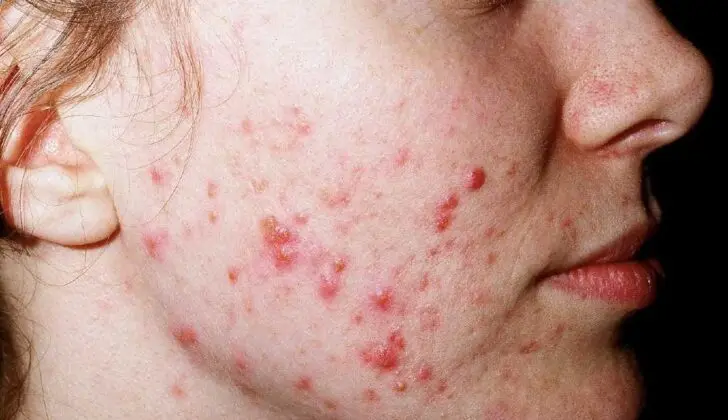
Acne has a different pattern. Look for blackheads, whiteheads, inflamed pimples, or deeper tender lumps. An itchy, sudden, uniform rash may be folliculitis or an allergic reaction rather than ordinary acne.
That difference matters because treatment changes. A dermatologist can identify whether you are dealing with acne, irritation, folliculitis, or another skin condition.
Should You Stop Taking It?
A few pimples do not automatically mean you must stop. First, review sweat, clothing, protein products, high-dose vitamins, new skin care, and diet.
Pausing a nonessential product may be reasonable when the timing is strong and the breakout is significant. Keep everything else stable. Improvement during the pause—and another flare after restarting—is useful information, though an additive may still be responsible.
People with kidney disease, pregnancy, complex medical conditions, or regular medicines should consult a clinician.
Conclusion
So, does creatine cause acne? Research does not currently support a direct link. The more likely explanation is often a combination of harder training, sweat, friction, diet changes, protein supplements, stress, and skin-care choices.
Keep the product formula simple, change one variable at a time, and document what happens. Clear skin and strong training progress do not have to compete. With careful tracking and sensible habits, most people can make a better decision based on evidence rather than online rumors.
Frequently Asked Questions
Is creatine good for skin?
It is not a proven skin-care treatment. Its established role relates mainly to rapid muscular energy, while direct research on clearer skin, collagen, or acne improvement remains limited.
Will creatine affect my face?
It may increase water stored in the body and cause a small rise in body weight, but it is not known to directly change facial shape or cause facial acne. Sudden swelling, hives, or breathing trouble needs urgent medical care.
What supplements may worsen acne?
Reports have linked high-dose B6 or B12, iodine or kelp products, whey, and contaminated muscle-building products with acne-like eruptions. The evidence varies, so review doses and labels with a clinician.
What naturally kills acne?
No natural remedy reliably “kills” acne. Gentle cleansing, non-comedogenic products, adequate sleep, and a balanced lower-glycemic eating pattern may help, but persistent acne usually responds better to proven treatment.
What supplements decrease acne?
Research suggests possible benefits from omega-3 fatty acids, vitamin D when deficient, probiotics, zinc, and some botanical extracts. However, studies are often small, results vary, and supplements should support—not replace—medical acne care.
⭐ Make MindLiva Your Preferred Source on Google
Get trusted health, wellness, and lifestyle articles from MindLiva.
Add MindLiva
Samie Babaei is a medical science student at Shahid Beheshti University of Medical Sciences with a strong interest in health, wellness, and medical research. As a health writer and researcher at MindLiva, she focuses on creating clear, evidence-based content that helps readers better understand health and well-being.