



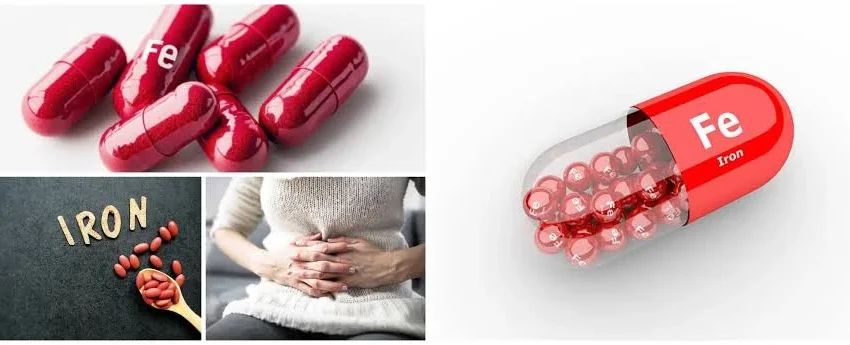
Does Iron Cause Constipation? Causes and Prevention Tips
You start taking an iron supplement to improve your energy, yet a few days later, your stomach feels heavy and your usual bathroom routine changes. It is an uncomfortable trade-off that many people do not expect.
So, does iron cause constipation, or is something else responsible? Oral iron tablets can make bowel movements harder or less frequent in some people. However, the effect depends on the dose, supplement type, diet, fluid intake, other medicines, and individual digestion.
This article explains why iron may affect your gut, which warning signs matter, and how to reduce discomfort without giving up an important treatment. You will also learn when simple home measures may help and when it is time to speak with a doctor or pharmacist.
Why Iron Tablets Can Affect Your Digestive System
Iron is essential for making hemoglobin, the protein in red blood cells that carries oxygen through the body. When iron levels become too low, people may experience tiredness, weakness, headaches, shortness of breath, or difficulty concentrating.
Oral supplements are often used to rebuild iron stores. However, the digestive system does not absorb every part of each dose. The iron that remains in the gut can irritate the digestive tract and contribute to nausea, stomach pain, diarrhea, or harder bowel movements.
The NIH Office of Dietary Supplements notes that high supplemental doses, particularly doses of 45 milligrams or more per day, may produce digestive side effects. The exact risk varies because different products contain different amounts of elemental iron.
Iron Can Change Stool Texture and Bowel Habits
Supplemental iron may make stool darker, firmer, or more difficult to pass. Some people notice a change within several days, while others take the same product without any bowel problems.
MedlinePlus lists stomach pain, nausea, diarrhea, and bowel slowing among the recognized side effects of oral iron products.
The effect is not always caused by iron alone. A person may also be drinking less water, eating fewer fiber-rich foods, moving less, or taking another medicine that slows intestinal movement.
Does Iron Cause Constipation in Everyone?
No. Does iron cause constipation for every person who takes a tablet? Individual responses differ widely.
Some people develop firm stool after the first few doses. Others experience nausea or loose stool instead. Many people complete treatment with only mild discomfort or no noticeable digestive effects.
Several factors may influence the chance of problems:
- The amount of elemental iron in each dose
- How often the supplement is taken
- The chemical form of the iron
- Existing digestive conditions
- Daily fiber and fluid intake
- Physical activity level
- Pregnancy or hormonal changes
- Other medicines and supplements
Moreover, a higher dose is not automatically a better dose. The right amount should be based on blood test results, the reason for the deficiency, and professional advice.
Food Iron and Supplemental Iron Are Different
Iron in a balanced meal is less concentrated than the amount found in many tablets. It is therefore less likely to produce the same strong digestive effects.
Iron-rich foods include meat, fish, lentils, chickpeas, beans, fortified cereals, tofu, and leafy green vegetables. However, food alone may not correct a significant deficiency quickly enough.
When a clinician has prescribed a supplement, do not replace it with food or stop taking it without discussing the change first.
Which Types of Iron Are More Likely to Cause Problems?
Common oral products include ferrous sulfate, ferrous fumarate, and ferrous gluconate. Each form contains a different percentage of elemental iron, which is the part the body can use.
For example, the NIH reports that ferrous fumarate is about 33% elemental iron by weight, ferrous sulfate is approximately 20%, and ferrous gluconate is around 12%. Supplement labels normally list the actual elemental amount, so consumers do not need to calculate it themselves.
A product with a larger elemental dose may be more difficult for some people to tolerate. Still, the brand name alone does not tell the whole story. Tablet size, dosing schedule, formulation, and personal sensitivity also matter.
Do Not Switch Products Without Checking
Changing from one form to another may improve tolerance, but the replacement must still provide enough iron to treat the deficiency.
A pharmacist can compare elemental doses and check for interactions. A doctor may also adjust the schedule, recommend another preparation, or consider a different delivery method when oral products remain unsuitable.
MedlinePlus advises people to ask their healthcare provider about changing the form rather than simply stopping treatment.
How to Prevent Hard Stool While Taking Iron
Many mild cases improve through small, consistent changes. The goal is to support normal bowel movement without interfering with the treatment plan.
1. Increase Fiber Slowly
Adults generally need around 22 to 34 grams of fiber each day, depending on age and sex. Good sources include whole grains, legumes, vegetables, fruit with edible skin, nuts, and seeds.
However, adding a large amount overnight may cause bloating and gas. Increase it over several days and spread fiber-rich foods across your meals.
2. Drink Enough Fluid
Fiber needs liquid to work well. Without enough fluid, rapidly increasing fiber may make stool feel even firmer.
Water, soup, and other suitable drinks can support softer stool. The right amount varies with body size, climate, activity, pregnancy, and medical conditions. People with kidney or heart disease may need individual fluid advice.
3. Move Every Day
Regular movement can support intestinal activity. A short walk after a meal is a simple place to begin.
NIDDK includes regular physical activity among the home measures that may improve bowel regularity.
4. Respond to the Urge
Waiting too long allows the colon to remove more water from stool. As a result, it may become firmer and harder to pass.
Give yourself enough time in the bathroom. Moreover, placing your feet on a small footstool can create a more comfortable position and reduce unnecessary straining.
5. Ask About the Dosing Schedule
Do not change the schedule yourself. However, ask whether a different dose, product, or frequency would be medically suitable.
Some NHS patient guidance notes that healthcare professionals may suggest another preparation or a less frequent schedule when side effects occur. The correct approach depends on the diagnosis and treatment plan.
A Simple High-Fiber Meal Guide
The following high-fiber foods chart for constipation offers practical choices that can be added gradually:
| Meal | Food ideas | Easy example |
| Breakfast | Oats, bran cereal, berries, pears | Oatmeal with raspberries |
| Lunch | Lentils, beans, whole-grain bread | Lentil soup with whole-grain toast |
| Snack | Almonds, apples, prunes | An apple with a small handful of almonds |
| Dinner | Chickpeas, peas, broccoli, brown rice | Chickpea bowl with vegetables |
| Extra | Chia or ground flaxseed | A small amount mixed into yogurt |
Do not add every option at once. Start with one or two changes, monitor your response, and increase gradually.
For example, replace white toast with whole-grain bread, add berries to breakfast, and include beans in one meal. Small changes are easier to maintain than a sudden, strict diet.
Taking Iron With Food: Is It a Good Idea?
Iron is often absorbed best on an empty stomach. However, taking it that way may increase nausea or stomach discomfort for some people.
The NHS advises that ferrous sulfate may be taken with or after food when it upsets the stomach. Still, food can affect absorption, so follow the directions given for your specific product.
Tea, coffee, dairy products, eggs, calcium supplements, antacids, and certain medicines may also affect absorption or interact with iron. Ask a pharmacist how much time to leave between products rather than guessing.
Never double a missed dose. Taking extra iron can be dangerous, especially for children, and all iron products should be stored securely out of their reach.
Iron, Pregnancy, and Digestive Changes

Iron needs rise when the body is supporting a developing baby, and supplements are commonly recommended when blood tests show low levels. At the same time, hormonal changes can slow intestinal movement.
For that reason, constipation during pregnancy may result from several overlapping factors rather than one tablet alone.
Pregnant people should discuss persistent discomfort with a midwife, pharmacist, or doctor. A professional can review the dose, product type, diet, fluid intake, and other prenatal ingredients.
Do not start a laxative or herbal bowel remedy simply because it is described as natural. Some products are unsuitable during pregnancy or may interfere with medicines.
Could Another Medicine Be Responsible?
Iron may be the most obvious new product, but it is not the only possible cause of bowel changes.
Opioid painkillers, some antacids, certain antidepressants, calcium products, and several other medicines may slow digestion. Reduced movement after an illness or operation can also contribute.
People sometimes ask, do steroids cause constipation? Bowel slowing is not a typical effect of every steroid, but certain corticosteroid products may list it as a possible side effect. The underlying illness, low activity, dehydration, diet changes, and other medicines should also be considered.
A pharmacist can review the full medication list and identify combinations that may be increasing the problem.
Recognizing the Difference Between Mild and Serious Problems
Typical constipation symptoms may include hard stool, straining, fewer bowel movements than usual, bloating, or a feeling that the bowel has not fully emptied.
Mild changes after beginning iron often improve with diet, fluids, movement, or an adjusted treatment plan. However, severe or new symptoms should not be ignored.
Contact a healthcare professional if you experience:
- Strong or worsening abdominal pain
- Ongoing vomiting
- Major abdominal swelling
- An inability to pass gas
- Red blood in the stool
- Black stool that looks sticky or tar-like
- Unexplained weight loss
- Fever or increasing weakness
- Symptoms that continue despite basic changes
Iron commonly makes stool darker. However, MedlinePlus and the NHS advise seeking medical help when stool is tar-like, contains red streaks, or occurs with pain or illness because this may indicate bleeding.
When Home Strategies Are Not Enough
People searching for constipation relief for adults may be tempted to take the first laxative they see. Yet different products work in different ways, and the right choice depends on symptoms, medical history, and current medicines.
NIDDK lists fiber supplements, osmotic agents, stool softeners, lubricants, and stimulants among available categories. It advises using stimulant products mainly when symptoms are severe or other approaches have failed.
Ask a pharmacist before combining iron with a bowel medicine. This is especially important during pregnancy, in older age, after surgery, or when kidney, heart, or intestinal conditions are present.
Professional guidance can provide safer constipation relief while protecting the purpose of the iron treatment.
What Else Can Slow Your Bowel?

Understanding what causes constipation requires looking beyond one supplement. Low fiber intake, inadequate fluid, inactivity, stress, travel, routine changes, and regularly ignoring the urge can all play a role.
A useful first step is to keep a short record for one week. Note the iron product, dose, meal timing, fluid intake, bowel movements, and any pain or bloating.
This simple record can reveal patterns and give a pharmacist or doctor clearer information.
A Practical Daily Routine
People asking what helps with constipation often benefit from a routine rather than a one-time remedy.
Try this simple structure:
- Eat a fiber-containing breakfast.
- Drink regularly throughout the day.
- Take the iron exactly as directed.
- Walk or move after meals when possible.
- Visit the bathroom when the urge appears.
- Track severe, persistent, or unusual symptoms.
- Ask for help before stopping or changing treatment.
This plan shows how to relieve constipation through small actions while keeping the medical goal in view.
Conclusion
Oral iron can cause harder or less frequent bowel movements, especially at higher supplemental doses. The risk also depends on the formulation, diet, fluid intake, activity, pregnancy, and other medicines.
Start with gradual fiber, enough suitable fluid, daily movement, and better bathroom habits. Moreover, ask a pharmacist or doctor about product or schedule changes when symptoms continue.
The key takeaway is simple: do not stop prescribed iron on your own. A manageable treatment plan can often be found, and addressing side effects early makes it easier to stay consistent.
Frequently Asked Questions
How long does bowel slowing from iron last?
It may continue while the same supplement and dose are used, although some people improve as their routine changes. Speak with a clinician if the problem remains uncomfortable or persistent.
Which iron supplement is gentlest on the stomach?
Tolerance varies, and no single form is best for everyone. A pharmacist can compare formulations and elemental doses without weakening the treatment plan.
Is dark stool normal while taking iron?
Darker stool is common. However, seek medical advice if it looks tar-like, contains blood, or occurs with sharp pain, dizziness, vomiting, or unusual weakness.
Can I take a stool softener with iron?
Sometimes, it should be checked with a pharmacist or doctor. The safest product depends on pregnancy, medical conditions, other medicines, and symptom severity.
Should I stop taking iron if bowel movements become difficult?
Do not stop prescribed treatment without professional advice. Your clinician may change the dose, schedule, formulation, or supportive plan.
⭐ Make MindLiva Your Preferred Source on Google
Get trusted health, wellness, and lifestyle articles from MindLiva.
Add MindLiva
Samie Babaei is a medical science student at Shahid Beheshti University of Medical Sciences with a strong interest in health, wellness, and medical research. As a health writer and researcher at MindLiva, she focuses on creating clear, evidence-based content that helps readers better understand health and well-being.