




Best Lifestyle Changes for Constipation Relief for Adults
Have you ever sat in the bathroom wondering why something so natural suddenly feels so difficult? Hard stool, bloating, straining, and irregular bathroom visits can affect your focus, sleep, appetite, and mood.
The good news is that constipation relief for adults often begins with manageable lifestyle changes rather than an extreme cleanse or complicated diet. Fiber, fluids, daily movement, meal timing, and better toilet posture can work together to support normal bowel function.
However, the right approach depends on the cause. This guide explains nine practical changes, shows how to build a fiber-rich eating plan, and identifies signs that require medical advice. You will also learn how medicines, pregnancy, stress, and daily routines may affect digestive regularity.
What Does Healthy Bowel Regularity Look Like?
There is no rule saying every adult must have one bowel movement each day. A healthy pattern may range from several times daily to several times weekly, provided the stool passes comfortably and the pattern is normal for that person.
MedlinePlus describes constipation as passing stool less often than usual, often with hard, dry waste that is difficult to move. Fewer than three bowel movements per week may be one sign, but comfort, stool texture, and a change from your normal routine also matter.
Common constipation symptoms include:
- Hard, dry, or lumpy stool
- Straining during a bowel movement
- Abdominal pressure or bloating
- Feeling that the bowel did not empty fully
- Going less often than is normal for you
- Needing more time than usual in the bathroom
Occasional changes after travel, stress, or a different diet are common. However, a lasting change deserves closer attention.
What Causes Slow or Difficult Bowel Movements?
People searching what causes constipation may expect one simple answer. In reality, several small factors often overlap.
NIDDK identifies low fiber intake, dehydration, limited physical activity, routine changes, pregnancy, aging, certain medical conditions, and some medicines as possible causes. Ignoring the urge to use the bathroom can also allow stool to become drier.
For example, imagine an office worker who skips breakfast, drinks mainly coffee, sits for eight hours, and delays bathroom visits until arriving home. No single habit looks severe, yet together they may slow normal bowel function.
Other possible contributors include:
- Travel or a change in schedule
- Stress and poor sleep
- Low food intake
- Recovery after an illness or operation
- Thyroid or neurological conditions
- Pelvic floor coordination problems
- Iron, calcium, opioid, or other medicines
- Overuse of certain laxatives
Therefore, long-term improvement usually starts by reviewing the full routine rather than relying on one quick remedy.
Nine Lifestyle Changes for Constipation Relief for Adults
The most effective routine is one you can continue. Start with two or three changes, track your response, and build from there.
1. Increase Fiber Slowly
Fiber adds bulk to stool and helps it hold water. However, increasing fiber too quickly may cause gas, cramping, and bloating.
NIDDK states that adults generally need about 22 to 34 grams of fiber per day, depending on age and sex. It recommends adding fiber gradually so the digestive system can adjust.
Useful sources include:
- Oatmeal and bran cereals
- Whole-wheat bread and pasta
- Lentils, chickpeas, and beans
- Pears, berries, oranges, and apples with skin
- Broccoli, carrots, peas, and leafy greens
- Almonds, peanuts, and pecans
A practical method is to add roughly one fiber-rich choice every few days. For example, begin with oatmeal at breakfast, then add fruit, and later replace refined grains with whole grains.
A Simple High-Fiber Meal Guide
The following high-fiber foods chart for constipation can help you plan balanced meals without making your diet feel restrictive.
| Meal | Fiber-rich choices | Easy example |
| Breakfast | Oats, berries, pears, whole-grain toast | Oatmeal with raspberries |
| Lunch | Lentils, beans, chickpeas, whole grains | Lentil soup and whole-grain bread |
| Snack | Apples, pears, almonds, prunes | An apple with almonds |
| Dinner | Broccoli, peas, beans, brown rice | Bean and vegetable rice bowl |
| Extra | Ground flaxseed, chia, psyllium | A small amount mixed into yogurt |
Whole foods provide vitamins and minerals along with fiber. Supplements may also be useful for some people, but they should be introduced with enough fluid and professional guidance when medical conditions are present.
2. Drink Enough Fluid for Your Needs

Fiber works best when enough liquid is available. Without it, adding a large amount of bran or a fiber supplement may leave stool firmer instead of softer.
Water, clear soups, and other suitable drinks can support hydration. NIDDK recommends drinking water and other liquids to help dietary fiber work more effectively.
Rather than forcing a large amount at once, drink regularly throughout the day. A glass with each meal and a reusable bottle nearby may make hydration easier.
However, fluid needs are personal. People with kidney disease, heart failure, or a medical fluid restriction should follow advice from their healthcare professional rather than using a general target.
Also, remember that alcohol can contribute to dehydration, while large amounts of caffeine may affect some people differently. Notice how your body responds.
3. Move Your Body Every Day
Movement can encourage intestinal activity and reduce the long sitting periods that often accompany modern work.
NIDDK and MedlinePlus both include regular physical activity among the main self-care measures for supporting bowel regularity.
You do not need a demanding gym session. Try:
- A 10- to 20-minute walk after a meal
- Light stretching during work breaks
- Using stairs when practical
- Standing or walking during phone calls
- Gentle cycling or swimming several times weekly
Consistency matters more than intensity. For example, a daily walk after dinner may be more helpful than one hard workout followed by six inactive days.
Adults with mobility limits can ask a physiotherapist or clinician about safe seated movements.
4. Stop Ignoring the Urge
When the urge appears, the rectum is signaling that stool is ready to pass. Delaying repeatedly gives the colon more time to absorb water, which may make the stool harder.
MedlinePlus advises using the bathroom when the urge occurs rather than waiting.
Busy adults often postpone bathroom visits because of meetings, commuting, caregiving, or lack of privacy. However, making the body wait every day can weaken a useful routine.
Where possible, give yourself enough time and choose a bathroom where you can relax. Rushing creates tension, while relaxation supports the muscles involved in passing stool.
5. Build a Regular Bathroom Schedule

The digestive system often becomes more active after a meal. This natural response makes breakfast or dinner a useful time for bowel training.
NIDDK suggests trying to use the bathroom at the same time daily, often 15 to 45 minutes after breakfast.
A simple routine may look like this:
- Eat breakfast without rushing
- Drink a warm beverage if suitable
- Walk briefly or move around
- Sit on the toilet for several relaxed minutes
- Avoid straining or scrolling for a long time
- Repeat the routine daily
The goal is not to force a result. Instead, you are teaching the body to recognize a predictable opportunity.
6. Improve Your Toilet Position
Modern toilets place the hips and knees at nearly the same level. For some people, raising the feet creates a more natural position for passing stool.
Place a small, stable footstool under your feet. Lean slightly forward, rest your elbows on your thighs, and breathe normally.
NIDDK includes foot support as a way to improve comfort during bowel training.
Avoid holding your breath and pushing forcefully. Long periods of straining may increase discomfort and can worsen hemorrhoids.
If stool repeatedly feels trapped despite being soft, speak with a clinician. The issue may involve pelvic floor coordination rather than diet alone.
7. Eat Regular Meals
Skipping meals may remove one of the digestive system’s natural movement signals. A regular breakfast can be especially useful because the colon is often active in the morning.
MedlinePlus advises people with slow bowel habits not to skip meals and to limit low-fiber processed foods such as white bread, pastries, chips, and many fast-food items.
Try to build meals around:
- A whole grain or starchy vegetable
- A fruit or vegetable
- A protein source
- A suitable drink
- A healthy fat in a moderate amount
For example, oatmeal with berries and yogurt provides more digestive support than coffee alone. Likewise, lentil soup with whole-grain bread offers more fiber than a meal made mainly from refined flour.
8. Review Medicines and Supplements
Some medicines and supplements can change bowel habits. Do not stop a prescribed product by yourself, but ask a doctor or pharmacist whether it may be contributing.
People commonly ask, does iron cause constipation? Oral iron products can cause digestive side effects, including harder bowel movements, in some patients. A clinician may adjust the dose, product, timing, or supportive care rather than stopping treatment.
Another frequent question is, do steroids cause constipation? There is no single answer for every steroid product. The exact medicine, dose, illness, activity level, diet, and other drugs all need to be considered.
NIDDK advises speaking with a healthcare professional before changing or stopping any medicine or supplement that may be affecting bowel function.
Bring a complete list to the pharmacist, including:
- Prescriptions
- Pain relievers
- Antacids
- Vitamins and minerals
- Herbal remedies
- Protein or nutrition supplements
- Over-the-counter bowel products
This review can uncover combinations that are easy to miss.
9. Manage Stress Without Ignoring Physical Signs
Stress can change sleep, appetite, fluid intake, physical activity, and bathroom habits. It may also cause people to tighten their abdominal and pelvic floor muscles.
A brief relaxation routine may help:
- Sit comfortably and lower your shoulders.
- Breathe slowly into the abdomen.
- Exhale without holding your breath.
- Allow the stomach and pelvic muscles to relax.
- Stop if pain develops.
However, stress should not become an explanation for every digestive complaint. Persistent symptoms, bleeding, weight loss, or severe pain require medical assessment.
What Helps With Constipation When Lifestyle Changes Are Not Enough?
Adults wondering what helps with constipation after trying food, water, and movement may need a more targeted plan.
A healthcare professional may consider a fiber supplement, osmotic laxative, stool softener, lubricant, stimulant, prescription medicine, or pelvic floor treatment, depending on the cause. NIDDK recommends stimulant laxatives mainly when symptoms are severe or other measures have not worked.
Do not combine several products simply to get a faster result. Overuse may cause cramps, diarrhea, dehydration, or dependence on a routine that does not address the underlying problem.
For safe constipation relief, ask a pharmacist which option matches your symptoms, medicines, age, and medical history.
How to Relieve Constipation With a Daily Routine
People searching how to relieve constipation often benefit from a simple schedule rather than scattered remedies.
Morning
- Drink a suitable beverage
- Eat a fiber-containing breakfast
- Move for five to ten minutes
- Visit the bathroom without rushing
Afternoon
- Drink regularly
- Include vegetables, beans, or whole grains at lunch
- Take short movement breaks
- Respond promptly to the urge
Evening
- Choose a balanced dinner
- Take a gentle walk
- Review your fiber and fluid intake
- Prepare breakfast for the next morning
Give the routine several days. The digestive system often responds better to consistency than to sudden extreme changes.
Special Considerations During Pregnancy
Constipation during pregnancy is common because hormonal changes, growing pressure, reduced activity, diet changes, and iron supplements may overlap.
The NHS recommends fiber-rich foods, regular activity, and suitable fluids to help prevent or improve the problem during pregnancy.
However, pregnant or breastfeeding people should check with a midwife, doctor, or pharmacist before using a laxative, herbal tea, oil, or supplement. “Natural” does not automatically mean safe during pregnancy.
When Lifestyle Changes Need More Time
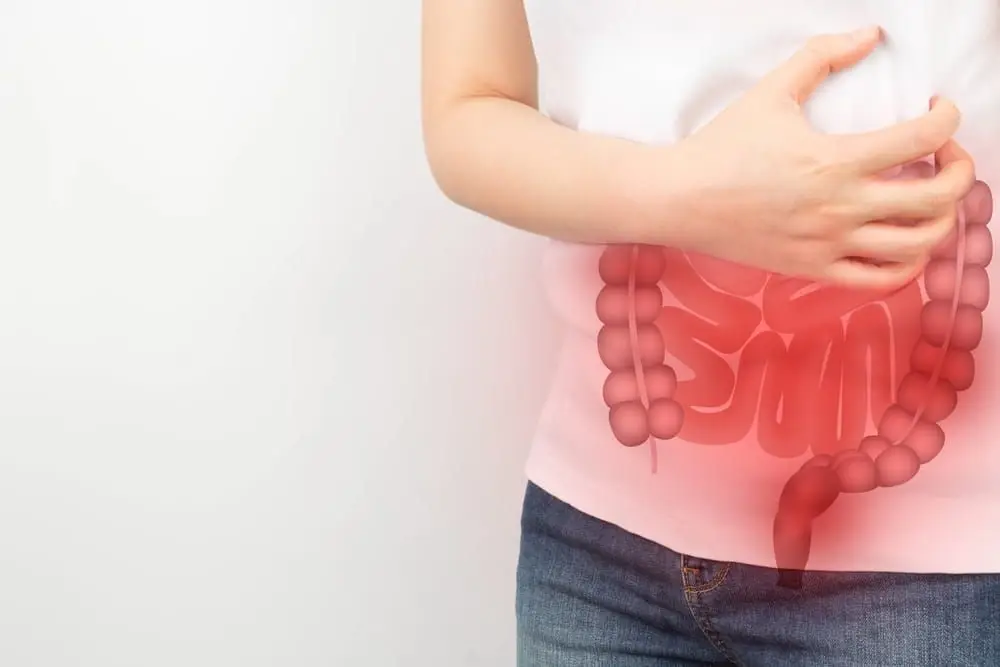
A single high-fiber breakfast will not always create an immediate result. Bowel regularity may improve gradually as food, hydration, activity, and timing become consistent.
Keep a seven-day record of:
- Meals and snacks
- Approximate fluid intake
- Physical activity
- Bowel movement timing
- Stool firmness
- Straining or pain
- Medicines and supplements
This record may reveal patterns. It is also useful information for a clinician if the problem continues.
Personal Insight: Change the System, Not Just One Meal
A practical insight from digestive-health guidance is that bowel regularity works like a system.
Fiber without fluid may increase discomfort. Water without enough food may not add stool bulk. Exercise cannot fully correct a medicine’s side effects. Meanwhile, a good diet may still fall short when someone repeatedly ignores the urge.
Therefore, the strongest approach combines several small habits: a reliable breakfast, gradual fiber, suitable fluids, daily movement, and a calm bathroom routine.
That combination is usually more realistic than searching for one “miracle” food.
Warning Signs That Need Medical Attention
Lifestyle changes are not appropriate for every situation. Seek medical advice if bowel changes are severe, persistent, or accompanied by other concerning symptoms.
NIDDK advises seeing a doctor for rectal bleeding, blood in the stool, or continual abdominal pain.
Seek prompt care for:
- Severe or worsening stomach pain
- Repeated vomiting
- A swollen or firm abdomen
- Inability to pass stool or gas
- Red blood or black, tar-like stool
- Fever
- Unexplained weight loss
- Fainting or marked weakness
- A sudden change lasting more than two weeks
The inability to pass gas or stool with pain and vomiting may indicate a blockage and requires urgent assessment.
Conclusion
Effective constipation relief for adults often begins with ordinary habits performed consistently. Gradual fiber, enough suitable fluid, regular movement, timely bathroom visits, better toilet posture, and steady meals can all support softer and easier bowel movements.
However, lifestyle changes should not delay medical care when warning signs appear. Medicines, pregnancy, health conditions, and pelvic floor problems may require a more specific plan.
Start with one realistic improvement today. Add fruit to breakfast, take a short walk, or stop delaying the urge. Small actions become powerful when they form a dependable routine.
Frequently Asked Questions
What is the fastest natural way to have a bowel movement?
A warm drink, a fiber-containing meal, light movement, and an unhurried bathroom visit may help. However, results vary, and severe pain or vomiting requires medical advice.
How much fiber should adults eat each day?
NIDDK recommends about 22 to 34 grams daily, depending on age and sex. Increase the amount gradually and drink suitable fluids as your intake rises.
Are prunes useful for bowel regularity?
Prunes contain fiber and naturally occurring sorbitol, so they may help some people. Begin with a small serving because a large amount may cause gas or loose stool.
Should I take a laxative every day?
Not without professional guidance. The best product and duration depend on the cause, health history, and other medicines.
When should I call a doctor?
Contact a clinician for bleeding, ongoing abdominal pain, vomiting, major swelling, weight loss, or a lasting change in your usual bowel pattern.
⭐ Make MindLiva Your Preferred Source on Google
Get trusted health, wellness, and lifestyle articles from MindLiva.
Add MindLiva
Samie Babaei is a medical science student at Shahid Beheshti University of Medical Sciences with a strong interest in health, wellness, and medical research. As a health writer and researcher at MindLiva, she focuses on creating clear, evidence-based content that helps readers better understand health and well-being.