




How Miralax for Constipation Can Relieve Your Discomfort
When your stomach feels tight and every bathroom visit becomes frustrating, you want an option that is effective without feeling harsh. miralax for constipation is often chosen because it works differently from stimulant laxatives. Instead of forcing the bowel to contract quickly, its active ingredient helps stool retain water, making it softer and easier to pass.
That difference may feel gentler for people dealing with hard stool, straining, or incomplete emptying. However, it is not an instant fix.
This guide explains how MiraLAX works, how to mix it, what to expect, and when symptoms need medical care.
Why MiraLAX for Constipation Is So Commonly Used
MiraLAX contains polyethylene glycol 3350, often shortened to PEG 3350. It belongs to a group called osmotic laxatives. These medicines draw or hold water in the bowel, helping soften dry stool and support a more comfortable movement.
The official product label lists it for occasional irregularity, while MedlinePlus explains that PEG 3350 increases the amount of water retained with stool.
Unlike fast-acting stimulant products, it usually supports a gradual change in stool texture rather than creating an urgent result.
Moreover, PEG has strong support in professional guidance. A joint American Gastroenterological Association and American College of Gastroenterology guideline recommends polyethylene glycol for adults with chronic idiopathic bowel difficulty, based on moderate-certainty evidence.
How Fast Does MiraLAX for Constipation Work?
The current MiraLAX label says it generally produces a bowel movement in one to three days. MedlinePlus gives a similar window, noting that PEG 3350 may take two to four days in some cases.
Therefore, it is usually not the best choice when someone expects relief within an hour. Its slower onset is part of its gentler profile.
Timing can vary with stool firmness, fluid intake, diet, activity, other medicines, and your usual bowel pattern.
For example, temporary travel-related irregularity may respond differently from a problem that has continued for months. Persistent trouble needs assessment rather than endless self-treatment.
How to Take MiraLAX Correctly
According to the updated 2026 DailyMed label, adults and people aged 17 or older should dissolve 17 grams—one capful filled to the marked line or one packet—in four to eight ounces of a beverage.
It is used once daily, and the powder should be fully dissolved before drinking. The label says not to use it for more than seven days unless a doctor advises otherwise. Children aged 16 or younger should be evaluated by a doctor before use.
Simple Step-by-Step Directions
- Measure one 17-gram dose using the marked cap or a single packet.
- Add it to four to eight ounces of water, juice, coffee, tea, or another suitable drink.
- Stir until no visible clumps remain.
- Drink the mixture soon after preparing it.
- Do not take extra doses to “catch up” or speed up the effect.
The powder is easy to mix, but convenience should not encourage overuse.
Do not combine it with starch-based thickeners used for swallowing problems, because the label warns against that use.
What Results Should You Expect?
The expected result is a softer, easier bowel movement—not severe urgency.
Common temporary effects can include:
- Gas
- Mild bloating
- Nausea
- Abdominal cramping
- Loose stool
These effects appear in drug information and clinical guidance. A pharmacist can help with mild side effects, while severe or persistent reactions need medical attention.
Recognizing the Bigger Digestive Picture
People search what causes constipation because the problem can appear without warning. Triggers include low fiber or fluid intake, limited activity, travel, ignored urges, pregnancy, aging, and certain medicines.
Medical causes may include diabetes, low thyroid function, pelvic floor problems, irritable bowel syndrome, or an intestinal blockage.
Typical constipation symptoms include fewer than three bowel movements a week, hard or lumpy stool, painful passage, straining, and a sense that stool remains.
However, normal frequency differs between people. A major change from your personal pattern can matter even if you still go several times a week.
Does Iron Cause Constipation?

The answer is often yes. Iron supplements are among the products that can make bowel movements harder or less frequent.
Still, do not stop prescribed iron on your own. Ask a clinician whether a different form, dose, schedule, or food plan could reduce the problem while protecting your iron levels.
Do Steroids Cause Constipation?
Steroids are not included among the most common direct causes listed in major NIDDK patient guidance. However, illness, reduced activity, diet changes, dehydration, or other medicines taken at the same time may affect bowel habits.
Review your complete medication list with a pharmacist or doctor rather than blaming one drug without enough evidence.
Special Care During Pregnancy
For constipation during pregnancy, begin with food, fluids, movement, and professional advice.
MedlinePlus advises telling a clinician if you are pregnant, planning pregnancy, or breastfeeding before using PEG 3350.
Supportive Habits Beyond Medicine
When readers ask what helps with constipation, the answer is usually a combination of habits.
Medicine may soften stool, while daily routines can reduce repeat problems.
1. Increase Fiber Slowly
Adults generally need about 22 to 34 grams of fiber per day, depending on age and sex. Good sources include:
- Oats and whole-grain bread
- Beans and lentils
- Berries and pears
- Apples with their skin
- Broccoli and green peas
- Almonds and other nuts
Add fiber gradually because a sudden increase may cause extra gas and bloating.
A useful high-fiber foods chart for constipation could compare serving size, fiber amount, texture, and easy meal ideas.
For example, the chart could show oats at breakfast, lentils at lunch, a pear as a snack, and roasted vegetables at dinner.
2. Drink Enough Fluid
Water helps fiber work better and supports softer stool. However, fluid needs vary according to body size, health, activity, climate, and diet.
Therefore, one fixed water target may not suit everyone. People with heart or kidney conditions should follow the fluid advice given by their healthcare professional.
3. Move Your Body
Regular activity may support normal bowel movement. A short walk after breakfast or dinner is an easy starting point.
You do not necessarily need an intense workout. Consistent light movement may be more realistic and easier to maintain.
4. Use the Natural After-Meal Reflex
The colon often becomes more active after eating. NIDDK suggests that bowel training may include sitting on the toilet 15 to 45 minutes after breakfast.
Relax, allow enough time, and consider placing your feet on a small footstool for greater comfort.
These habits form a practical base for constipation relief and may reduce repeated reliance on over-the-counter products.
MiraLAX Compared With Other Options
Not every laxative works in the same way. Choosing a product based only on speed can lead to a poor fit.
| Option | How it works | Typical role |
| PEG 3350 | Holds water with stool | Gradual softening |
| Fiber supplement | Adds bulk and supports stool form | Mild or recurring difficulty |
| Stool softener | Helps water mix with stool | Selected short-term situations |
| Stimulant laxative | Triggers bowel contractions | Short-term or rescue use |
| Magnesium product | Draws water into the bowel | Selected adults with medical cautions |
The 2023 AGA-ACG guideline supports PEG and reviews fiber, magnesium oxide, stimulants, senna, lactulose, and prescription options.
The best choice depends on the cause, other health conditions, current medicines, and previous response.
For constipation relief for adults, MiraLAX may be a reasonable over-the-counter option when the problem is occasional and there are no warning signs.
However, long-term self-treatment can hide a medication effect, pelvic floor issue, thyroid disorder, or another underlying cause.
When You Should Not Self-Treat
Do not assume every episode is harmless. Seek prompt medical care for bowel difficulty accompanied by:
- Rectal bleeding or blood in the stool
- Constant or severe abdominal pain
- Vomiting
- Fever
- Inability to pass gas
- Unplanned weight loss
- Significant abdominal swelling
- A sudden, lasting change in bowel habits
These warning signs appear in NIDDK guidance and may point to a condition that needs diagnosis rather than another laxative dose.
Also speak with a healthcare professional before use if you have a possible bowel obstruction, kidney disease, a serious chronic condition, pregnancy, or several medicines that affect digestion.
The product information advises asking a doctor when nausea, vomiting, abdominal pain, or a sudden bowel-habit change lasting more than two weeks is present.
A Step-by-Step Plan for Lasting Relief
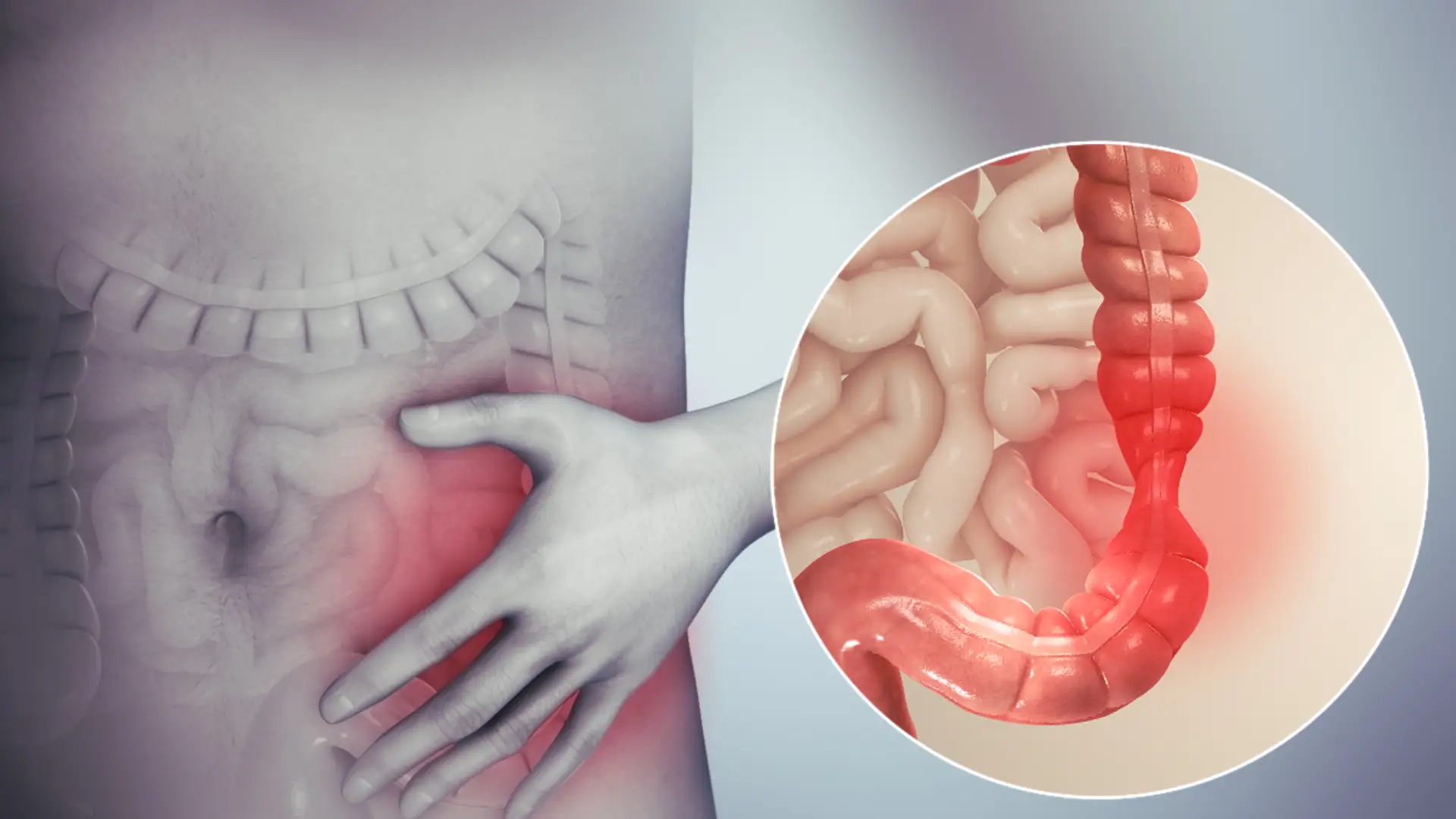
People searching how to relieve constipation may try one product after another. A better plan is to identify the pattern first.
Start by tracking:
- Bowel movement frequency
- Stool texture
- Straining
- Food and fluid intake
- Physical activity
- Medicines and supplements
- Feelings of incomplete emptying
Next, correct simple triggers. Then, use an appropriate short-term treatment when needed. Finally, seek an evaluation when the pattern continues.
This approach reduces guesswork and gives a clinician useful details.
For example, “I feel blocked” is vague. A clearer report would be: “For three weeks, I have had two hard movements weekly, started iron tablets last month, and feel incomplete emptying.”
Specific information makes it easier to identify a possible cause and select an appropriate response.
Practical Tips for Better Results
To get the most from miralax for constipation, remember these points:
- Follow the package dose rather than estimating.
- Give the medicine enough time to work.
- Maintain regular meals instead of skipping food.
- Add fiber slowly.
- Stay appropriately hydrated.
- Do not ignore the urge to use the bathroom.
- Avoid combining several laxatives without advice.
- Contact a professional if you need ongoing treatment.
In short, it works best as part of a wider bowel-health plan.
Conclusion
miralax for constipation can offer gradual, effective comfort when occasional hard or difficult bowel movements interrupt daily life.
Its active ingredient, PEG 3350, keeps water with the stool, so the result is usually softer and easier to pass rather than sudden and forceful.
Use the measured dose, dissolve it fully, and allow time for the effect. Moreover, support your digestive system with fiber, suitable fluids, movement, and a regular bathroom routine.
Most importantly, bleeding, severe pain, vomiting, inability to pass gas, unexplained weight loss, or a persistent bowel change deserves medical care.
Frequently Asked Questions
Can I Take MiraLAX Every Day?
The over-the-counter label directs once-daily use for no more than seven days unless a doctor advises otherwise.
Daily long-term use should be based on professional guidance and the reason for your symptoms.
Is MiraLAX a Stool Softener or a Laxative?
It is an osmotic laxative. It helps stool hold water, which softens it and makes it easier to pass.
What Happens if MiraLAX Does Not Work After Three Days?
Do not automatically double the dose. Check the package instructions and consider factors such as fluid intake and other medicines.
Contact a pharmacist or doctor if symptoms continue or become worse.
Can I Mix MiraLAX With Coffee or Juice?
Yes. The label allows it to be dissolved in four to eight ounces of a hot, cold, or room-temperature beverage, provided the powder dissolves fully.
Is MiraLAX Safe for Children?
The consumer label says children aged 16 or younger should use it only after asking a doctor.
Pediatric dosing should come from a qualified healthcare professional.
⭐ Make MindLiva Your Preferred Source on Google
Get trusted health, wellness, and lifestyle articles from MindLiva.
Add MindLiva
Samie Babaei is a medical science student at Shahid Beheshti University of Medical Sciences with a strong interest in health, wellness, and medical research. As a health writer and researcher at MindLiva, she focuses on creating clear, evidence-based content that helps readers better understand health and well-being.