



Natural Ways to Complement Melanoma Treatments Effectively
A cancer diagnosis can make everyday choices feel unusually important. You may wonder whether meals, walking, supplements, or meditation could strengthen your body during care.
The key is to separate supportive habits from unproven cures. Natural approaches cannot replace surgery, immunotherapy, targeted therapy, radiation, or other prescribed care. However, approved complementary methods may help with fatigue, stress, sleep, appetite, pain, and quality of life. NCI defines complementary care as support used with standard treatment, while alternative care replaces it.
Readers will learn which habits are useful, which warning signs need attention, and how to discuss complementary care with specialists.
This guide explains how to complement melanoma treatments safely and avoid risky products.
What Complementary Care Can—and Cannot—Do
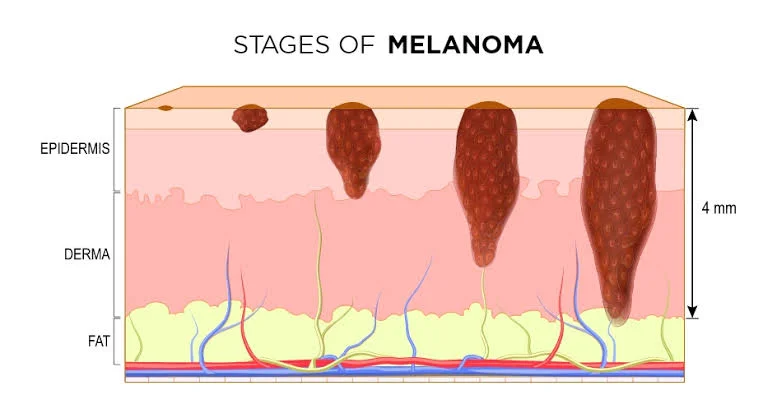
Melanoma is a cancer of pigment-producing cells. Its medical plan depends on stage, tumor features, location, previous care, overall health, and sometimes biomarker results.
For localized disease, surgery is often central. Advanced disease may require immune checkpoint therapy, targeted medicines for certain BRAF changes, radiation, tumor-directed procedures, or clinical trials. These methods control or remove cancer; lifestyle measures support the person receiving care.
A useful rule is simple: standard treatment targets disease, complementary care supports wellbeing, and alternative treatment replaces proven care. The last approach can be dangerous because delayed treatment may allow cancer to progress.
Nutrition That Supports Melanoma Treatments

There is no single anti-cancer food, juice, tea, or diet that has been proved to cure this disease. Still, balanced nutrition can help the body maintain weight, repair tissue, preserve muscle, and tolerate treatment.
Build Meals Around Protein and Variety
During recovery or systemic therapy, appetite may change. Small, regular meals are often easier than three large plates. Include a protein source such as eggs, fish, poultry, beans, lentils, yogurt, tofu, or nut butter, depending on your needs and preferences.
Add vegetables, fruit, whole grains, and healthy fats when tolerated. If nausea, mouth soreness, diarrhea, weight loss, or taste changes make eating difficult, ask for an oncology dietitian. NCI guidance favors individualized nutrition assessment over a one-size-fits-all plan.
Adjust Food to the Side Effect
For example, poor appetite may improve with smoothies, soups, yogurt, soft eggs, or small high-protein snacks. Diarrhea may temporarily require lower-fiber foods and extra fluids, while constipation may call for more fluid, movement, and fiber if approved.
Food safety also matters when treatment affects immunity. Ask whether you should avoid raw eggs, undercooked meat, unpasteurized dairy, or poorly washed produce.
Personal insight: The best meal plan is one a patient can safely eat, digest, afford, and repeat.
Gentle Movement for Energy and Function
Fatigue is common during cancer care and may not disappear after a full night’s sleep. NCI reports that more than 80% of people receiving chemotherapy or radiation experience fatigue, although the level and cause vary.
Rest is important, but complete inactivity can lead to loss of strength and confidence. When medically safe, light activity may support energy, mood, balance, sleep, and daily function.
Start with five to ten minutes of walking, gentle stretching, or supported chair exercises. Break activity into short sessions and stop for chest pain, fainting, severe breathlessness, fever, or sudden weakness.
Plans should be adjusted after surgery, during severe fatigue, when blood counts are low, or when cancer affects bones, the brain, lungs, or heart. A physical therapist can set safe limits. NCI evidence links activity with lower treatment-related fatigue and better vitality.
Sleep, Stress, and Mind-Body Support
Worry can intensify at night, especially before scans, appointments, or treatment cycles. Poor sleep then makes fatigue, pain, and concentration harder to manage.
Mind-body practices do not attack cancer cells, but they can help regulate stress and create a greater sense of control. Useful options include:
- Slow breathing with a longer exhale
- Guided meditation
- Gentle yoga or tai chi
- Progressive muscle relaxation
- Journaling before bed
- Counseling or a cancer support group
Try a simple evening routine: dim the lights, put the phone away, write down tomorrow’s questions, and practice five minutes of slow breathing.
Acupuncture may help nausea and vomiting and has been studied for fatigue, dry mouth, hot flashes, and sleep problems. It should be performed by a qualified professional using strict clean-needle methods, especially when immunity or blood counts are affected.
Sun Protection Is Part of Long-Term Care

UV protection does not treat an existing tumor, but it can reduce further skin damage and may lower the risk of another skin cancer. People who have already been treated remain at increased risk and generally need lifelong skin surveillance.
Make protection routine: use broad-spectrum, water-resistant SPF 30 or higher; reapply outdoors; wear a hat, sunglasses, and covering clothes; seek shade; avoid tanning beds; and check the scalp, ears, soles, between toes, and beneath nails.
AAD data updated in 2026 report a five-year survival rate of about 99% when disease is found and treated before it reaches lymph nodes, compared with lower rates after regional or distant spread. These population figures cannot predict one person’s outcome, but they show why early detection and follow-up matter.
Why Stage and Subtype Change the Plan
Natural support should be adapted to the diagnosis rather than copied from a generic wellness checklist. A person recovering from surgery for early stage melanoma may need wound care, protein, rest, and gradual activity. Someone receiving systemic therapy may need closer monitoring for immune-related effects, dehydration, appetite loss, or severe fatigue.
Some forms behave or appear differently. Nodular melanoma may grow as a firm, raised lesion and can be aggressive. Malignant melanoma is an older general term often used for the disease. Subungual melanoma begins beneath a nail, while amelanotic melanoma may contain little visible pigment.
Melanoma skin cancer usually begins in the skin, but metastatic melanoma has spread to distant sites and requires specialist-led systemic care. Ocular melanoma begins in the eye and follows a different diagnostic and treatment pathway. The phrase skin melanoma is sometimes used informally, but clinicians usually describe the exact cutaneous subtype and stage.
Because these categories are not interchangeable, diet or supplement advice found in a general blog should never override an individualized oncology plan.
Supplements: Natural Does Not Mean Risk-Free
Supplements are the area where good intentions most often create trouble. High-dose vitamins, antioxidant pills, concentrated green tea extracts, St. John’s wort, mushroom blends, and other products can affect drug absorption, metabolism, bleeding, liver function, or immune activity.
NCI notes that food and supplement products may alter how anticancer medicines are processed in the body. Evidence is incomplete for many combinations, which is precisely why caution is needed.
Before using any capsule, powder, tincture, tea, injection, or “immune booster,” give your pharmacist the product name, label, dose, reason for use, and planned start date.
Do not assume a product is safe because it is organic or promoted online. The American Cancer Society states that no dietary supplement has clearly been shown to reduce progression or recurrence risk.
Symptom Support During Medical Care
Complementary care is most useful when it addresses a defined problem. Instead of asking, “What natural cure should I take?” ask, “What safe method could help this specific symptom?”
Fatigue

Use pacing, brief walks, planned rest, hydration, protein-rich snacks, and evaluation for causes such as anemia, infection, pain, sleep problems, or thyroid changes.
Nausea or Poor Appetite
Take prescribed anti-nausea medicine, choose small meals, reduce strong odors, and sip fluids. Check before using concentrated ginger products.
Anxiety, Skin Symptoms, and Pain
Breathing exercises, counseling, peer support, music, or guided imagery may help anxiety. New rashes during immunotherapy need medical review because they can signal treatment-related inflammation.
Report new pain; massage, heat, cold, or acupuncture may be unsafe over surgical sites, tumors, fragile bones, clots, or irradiated skin.
Recognizing Changes Without Self-Diagnosing
The signs of melanoma can include a changing mole, a new spot unlike others, irregular borders, several colors, growth, itching, pain, bleeding, or a dark band under a nail. AAD also advises attention to any lesion that changes, looks different, or fails to heal.
People often search what does melanoma look like on the skin, but photographs alone cannot confirm a diagnosis. Skin tone, body site, lesion type, lighting, and image quality can all change appearance. A dermatologist may use a dermatoscope and biopsy to reach a diagnosis.
Questions about a normal black line on nail vs melanoma are also common. A new, widening, irregular, or changing pigment band—especially with color spreading onto nearby skin—needs professional review. Nail melanoma cannot be ruled in or out by an online image.
Similarly, asking how fast does melanoma spread does not have one fixed answer. Growth depends on subtype, depth, ulceration, biology, immune factors, and when it is detected. A suspicious change should therefore be assessed promptly rather than watched for months.
A Safe Seven-Step Complementary Plan
Use this practical framework:
- Record the medical plan. Note the stage, medicines, surgery dates, and expected effects.
- Choose one goal. Focus on protein intake, walking, sleep, or nausea.
- Check safety. Ask about supplements, exercise, massage, acupuncture, fasting, and diet limits.
- Start small. Ten minutes of walking is easier to sustain than a dramatic overhaul.
- Track symptoms. Record fatigue, sleep, appetite, pain, and new changes.
- Review progress. Share what helped or failed at appointments.
- Stop unsafe experiments. Call the clinic for serious or rapidly worsening symptoms.
Conclusion
The safest natural ways to complement melanoma treatments are simple: eat nourishing food, stay gently active, protect sleep, reduce stress, avoid UV exposure, attend follow-up visits, and report symptoms early.
However, “natural” should never mean unsupervised. Supplements, restrictive diets, and delayed care may cause harm. Work with your oncologist, dermatologist, pharmacist, dietitian, and rehabilitation team.
In short, the best plan complements proven treatment, responds to real symptoms, and remains safe enough to continue.
Frequently Asked Questions
Can Food Improve the Results of Melanoma Treatments?
A balanced diet can support energy, weight, healing, and treatment tolerance, but no food has been proved to cure the disease. Ask an oncology dietitian for advice based on your symptoms and treatment.
Are Herbal Remedies Safe During Immunotherapy?
Not automatically. Herbs may affect the liver, immune system, bleeding, or drug metabolism. Show the exact product and ingredient list to your oncologist or pharmacist before using it.
Is Exercise Safe After Surgery?
Often, gentle movement is helpful, but timing depends on the surgical site, wound healing, pain, and activity restrictions. Follow the surgeon’s instructions and increase activity gradually.
Can Meditation Stop Cancer From Spreading?
No. Meditation may reduce stress and improve coping or sleep, but it does not replace cancer-directed treatment. Use it as supportive care, not as a cure.
How Often Should Survivors Check Their Skin?
The schedule depends on stage and personal risk. Lifelong self-checks and professional skin exams are commonly advised, with visit frequency set by the dermatologist or oncology team.
⭐ Make MindLiva Your Preferred Source on Google
Get trusted health, wellness, and lifestyle articles from MindLiva.
Add MindLiva
Samie Babaei is a medical science student at Shahid Beheshti University of Medical Sciences with a strong interest in health, wellness, and medical research. As a health writer and researcher at MindLiva, she focuses on creating clear, evidence-based content that helps readers better understand health and well-being.