




Senior Behavioral Health: Signs Seniors Need Support
Have you noticed that an older parent, grandparent, or loved one seems different lately—but you cannot quite explain why?
Maybe they have stopped enjoying activities they once loved. Perhaps they sleep much more, become unusually worried, or seem less interested in talking to family and friends. These changes can be easy to overlook, especially when they are attributed to getting older.
However, aging itself does not mean a person should constantly feel sad, anxious, isolated, confused, or hopeless.
Senior behavioral health deserves attention because emotional and mental well-being can influence sleep, physical health, relationships, independence, and everyday decision-making. The good news is that many concerns can be managed when they are recognized early.
In this guide, we will explore the most important warning signs, common causes, practical ways families can respond, and when professional support may be appropriate.
Why Senior Behavioral Health Matters More Than Many People Realize
Growing older brings major life changes. Retirement, loss of a spouse or friend, reduced mobility, chronic pain, financial worries, and changes in living arrangements can all affect emotional well-being.
At the same time, older adults may be less likely to talk openly about depression, anxiety, loneliness, or fear. Some may worry that asking for help means they are weak or losing their independence.
That is why families often become the first people to notice something is wrong.
Senior behavioral health is not simply about diagnosing mental illness. It also includes emotional resilience, social connection, coping skills, healthy routines, cognitive well-being, and the ability to adapt to life changes.
For example, an 80-year-old who moves from a family home into an apartment may suddenly lose daily contact with neighbors and familiar routines. Even if the move is physically safe, the emotional adjustment can be difficult.
Moreover, physical and emotional health often affect each other. Poor sleep can worsen mood and concentration, while ongoing anxiety may make it harder to manage medications, appointments, or daily responsibilities.
Common Senior Behavioral Health Warning Signs
Not every mood or behavior change means that an older adult has a mental health disorder. Nevertheless, persistent or significant changes deserve attention.
Look for patterns rather than focusing on one unusual day.
1. Sudden Social Withdrawal
One of the clearest warning signs is losing interest in social activities.
A senior who once enjoyed family dinners, religious gatherings, gardening, walking groups, or hobbies may suddenly stop participating. They may also stop answering calls or avoid visitors.
Occasional solitude is normal. However, prolonged withdrawal can be linked to loneliness, depression, anxiety, physical limitations, or grief.
2. Persistent Sadness or Irritability
Depression does not always look like crying.
In older adults, it may appear as irritability, frustration, low motivation, emotional numbness, or a loss of pleasure.
For example, someone may say, “I don’t care anymore,” even though they previously looked forward to weekly activities.
A lasting change in emotional behavior should not automatically be dismissed as personality or aging.
3. Changes in Sleep
Sleeping too much, sleeping too little, waking repeatedly during the night, or becoming unusually sleepy during the day can all be meaningful clues.
Sleep problems may have many causes, including medications, pain, medical conditions, stress, anxiety, depression, or changes in routine.
In short, sleep is not just a comfort issue. It can provide useful information about an older adult’s overall well-being.
4. Changes in Appetite or Weight
A sudden increase or decrease in appetite can sometimes accompany emotional distress.
An older adult may lose interest in cooking, forget to eat, eat for comfort, or avoid meals because they feel overwhelmed.
Unexpected weight changes should also be discussed with a healthcare professional because physical conditions and medication effects can produce similar symptoms.
5. Increased Fear or Anxiety
Some seniors become increasingly worried about health, money, safety, family members, or leaving the house.
Anxiety may show up physically through muscle tension, restlessness, stomach discomfort, headaches, rapid breathing, or difficulty sleeping.
If worry begins to interfere with normal activities, it should receive attention rather than being treated as something the person simply needs to “get over.”
6. Confusion or Unusual Behavior
Memory changes deserve careful observation.
Occasionally forgetting a name or misplacing keys is different from repeatedly getting lost in familiar places, struggling with basic tasks, or becoming confused about time and location.
However, sudden confusion can require urgent medical evaluation, because delirium can be caused by infections, medication effects, dehydration, metabolic problems, or other medical issues.
Therefore, families should avoid assuming that every cognitive change is dementia.
Senior Behavioral Health and the Difference Between Normal Aging and Warning Signs

This distinction can be challenging for families.
Normal aging may involve taking longer to remember information or occasionally forgetting where an item was placed. More concerning changes tend to be persistent, progressive, disruptive, or noticeably different from the person’s usual behavior.
| Possible Normal Aging | Possible Warning Sign |
| Occasionally forgetting a name | Frequently forgetting close family members |
| Taking longer to learn something new | Struggling with familiar daily tasks |
| Occasionally misplacing objects | Repeatedly putting objects in unusual places |
| Choosing a quieter lifestyle | Suddenly avoiding almost everyone |
| Occasional worry | Constant fear that disrupts daily life |
| Temporary sadness after a loss | Persistent hopelessness or loss of interest |
This comparison is not a diagnosis. Instead, it can help families decide when a conversation with a healthcare professional may be useful.
What Can Affect Senior Behavioral Health?
There is rarely one single cause behind emotional or behavioral changes in later life.
Several factors can overlap.
Life Transitions and Loss
Retirement, bereavement, divorce, relocation, or reduced independence can create significant emotional pressure.
Grief is a normal response to loss. However, when distress becomes persistent or severely interferes with daily life, additional support may be helpful.
Chronic Health Problems
Living with long-term physical problems can affect confidence, mobility, sleep, and social life.
Pain may make someone stop exercising or seeing friends. Reduced mobility can create dependence on others. These changes can gradually affect mood.
This is where health psychology can provide useful insight into the relationship between thoughts, behaviors, physical health, and emotional well-being.
Medication Effects
Older adults may take several medications at the same time.
Some medicines can contribute to changes in sleep, alertness, mood, or cognition. For that reason, unusual behavioral changes should be discussed with a qualified healthcare professional rather than assuming they are purely psychological.
Loneliness and Social Isolation
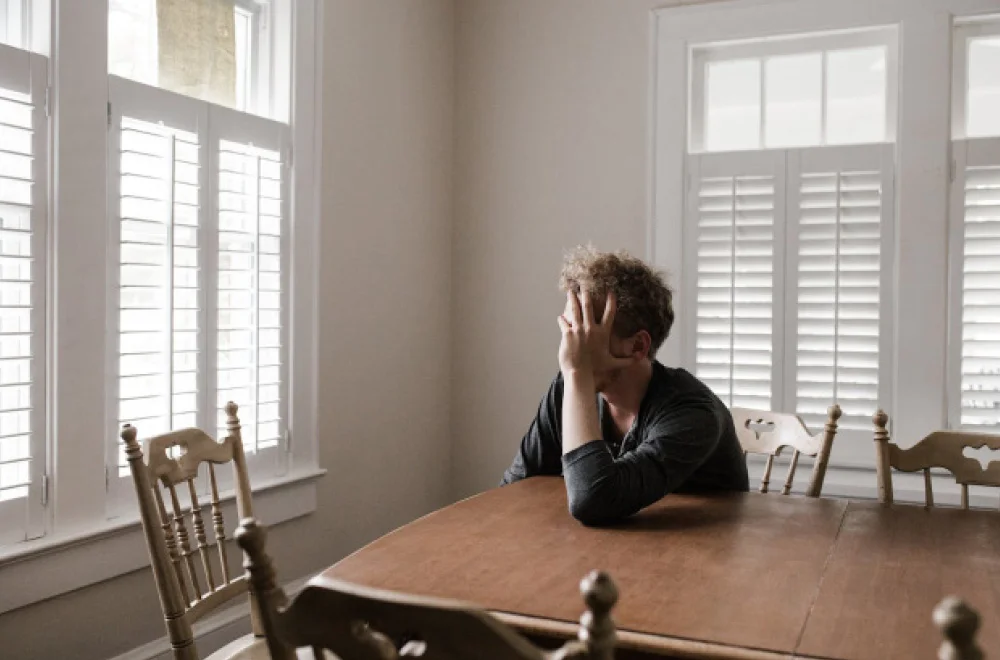
Loneliness can occur even when someone lives with other people.
A senior may have regular contact with family but still feel disconnected, unheard, or without meaningful companionship.
Regular social interaction, purposeful activities, volunteering, exercise groups, and community programs may help reduce isolation.
How Families Can Support Senior Behavioral Health
Families do not need to become therapists to provide meaningful support.
Small, respectful actions can make a major difference.
Start With a Calm Conversation
Choose a quiet moment rather than raising concerns during an argument.
Instead of saying, “You are acting depressed,” try:
“I’ve noticed you’ve seemed quieter lately. How have you been feeling?”
This approach focuses on observation rather than judgment.
Listen Before Offering Solutions
Older adults may want someone to hear them before they want advice.
Avoid immediately correcting, arguing, or minimizing their feelings.
For example, saying “You have nothing to worry about” may unintentionally make anxiety feel less valid. A better response might be, “That sounds difficult. Would you like to talk about what has been worrying you?”
Encourage Professional Support
If symptoms continue, encourage the person to speak with a doctor, psychologist, counselor, or other qualified professional.
Behavioral health services may include counseling, psychological assessment, support programs, care coordination, and other forms of assistance depending on individual needs.
Protect Independence
Support should not automatically mean taking control.
Whenever possible, allow older adults to participate in decisions about appointments, routines, activities, and treatment. Maintaining a sense of control can support dignity and confidence.
When Senior Behavioral Health Needs Urgent Attention
Some situations require immediate help rather than a routine appointment.
Seek urgent professional assistance if an older adult:
- Talks about suicide, death, or wanting to disappear
- Threatens to hurt themselves or someone else
- Experiences severe confusion or sudden personality changes
- Becomes unable to care for basic needs
- Experiences hallucinations or severe paranoia
- Suddenly becomes extremely agitated or disoriented
If there is an immediate risk of harm, contact local emergency services or an appropriate crisis service.
Never leave a person alone if you believe they are in immediate danger.
Technology Is Changing Senior Behavioral Health Support
Access to care has changed significantly with the growth of digital healthcare.
For seniors who have transportation problems, live far from specialists, or feel uncomfortable visiting a clinic, behavioral health telehealth may provide another way to connect with qualified professionals.
Video appointments can make counseling more accessible. However, technology is not suitable for every situation, particularly emergencies or cases requiring in-person assessment.
The best approach depends on the individual’s needs, comfort with technology, privacy, and clinical situation.
Senior Behavioral Health Requires a Whole-Person Approach
A useful approach looks beyond symptoms.
Holistic behavioral health considers emotional well-being alongside physical health, relationships, lifestyle, environment, and personal goals.
For example, imagine a senior who appears depressed after moving to a new city. Medication alone may not address the complete problem.
The person may also need transportation, opportunities to meet people, help developing a new routine, physical activity, and regular contact with family.
Moreover, professionals may use different approaches depending on whether the primary concern involves grief, anxiety, depression, cognitive changes, substance use, sleep problems, or adjustment to major life events.
How Different Age Groups and Services Connect

Mental and emotional support can look different across the lifespan.
Programs designed for children’s behavioral health focus on developmental needs, family systems, school environments, and childhood challenges.
By contrast, adult behavioral health often addresses work, relationships, stress, chronic conditions, and other adult responsibilities.
Senior care adds another layer because aging can involve retirement, bereavement, physical limitations, cognitive changes, and changing social networks.
This is why care should be tailored rather than based on a one-size-fits-all model.
The Role of Communication in Better Senior Care
Good health communication can make it easier for older adults to explain symptoms and for families to understand what is happening.
Simple language matters.
Instead of using complicated medical terms, professionals and caregivers can ask clear questions:
- When did the change begin?
- How often does it happen?
- Is it getting worse?
- Has sleep changed?
- Has my appetite changed?
- Is the person avoiding activities?
- Have medications recently changed?
- Is there a recent loss or major life event?
Writing down these observations before an appointment can make the conversation more productive.
A behavioral health group can also provide peer connection when group-based support is appropriate. Sharing experiences with others can reduce feelings of isolation and help people learn practical coping strategies.
Community Support Can Make a Real Difference
Professional treatment is important, but daily surroundings matter too.
Community behavioral health programs may connect people with counseling, social resources, support groups, transportation assistance, or other services.
For example, a senior who lives alone may benefit from a community center, walking group, volunteer program, or regular meal service in addition to professional counseling.
These supports can create routine and social connection while helping people remain engaged in their communities.
A Practical Family Checklist
If you are concerned about an older loved one, consider tracking changes for several weeks.
Look at:
- Mood: Is the person unusually sad, angry, fearful, or emotionally flat?
- Sleep: Has the sleep schedule changed significantly?
- Appetite: Is the person eating much more or less?
- Social life: Are they avoiding people or activities?
- Memory: Are cognitive problems interfering with daily tasks?
- Function: Are they struggling with personal care or household responsibilities?
- Medication: Has anything recently been started, stopped, or changed?
- Life events: Has there been a recent loss, move, conflict, or major transition?
This information can help a healthcare professional understand the situation more clearly.
Personal Insight: Small Changes Often Matter
One lesson that stands out when looking at senior care is that behavioral changes are often easier for families to notice than emotional symptoms.
A family member may not say, “I’m experiencing anxiety.” Instead, they may stop driving, call relatives repeatedly, complain about physical symptoms, or become unusually cautious.
Likewise, depression may appear as neglected hobbies rather than obvious sadness.
That is why paying attention to changes from a person’s normal behavior can be more useful than looking for a single textbook symptom.
For example, if a previously social grandparent suddenly stops attending weekly gatherings for several months, that change deserves a conversation—even if they insist everything is fine.
Conclusion: Pay Attention Before Small Changes Become Bigger Problems
Senior behavioral health is an important part of healthy aging, yet emotional and behavioral changes can easily go unnoticed.
Persistent sadness, withdrawal, anxiety, sleep disruption, appetite changes, confusion, and loss of interest should not automatically be blamed on age.
However, these signs do not necessarily mean that something serious is wrong. They are signals to look closer, listen carefully, and consider professional guidance when needed.
The most helpful first step may be surprisingly simple: start a respectful conversation.
In short, supporting an older adult means looking at the whole person—not only their physical symptoms. With early attention, appropriate care, meaningful social connection, and respect for independence, many older adults can continue to experience purpose, dignity, and a strong quality of life.
FAQs About Senior Behavioral Health
What are common signs of behavioral health problems in seniors?
Common signs include persistent sadness, social withdrawal, anxiety, sleep changes, appetite changes, irritability, loss of interest, and unusual confusion. A noticeable change from the person’s normal behavior is especially important.
Is depression a normal part of aging?
No. While older adults may experience grief and difficult life changes, persistent depression is not an inevitable part of getting older and can often be treated.
When should a senior see a mental health professional?
Consider professional support when emotional or behavioral changes persist, interfere with daily activities, affect relationships, or cause significant distress. Sudden confusion or immediate safety concerns require more urgent evaluation.
Can social isolation affect senior mental health?
Yes. Limited social contact can contribute to loneliness and may worsen emotional well-being. Regular meaningful interaction, hobbies, community activities, and supportive relationships can help.
How can families support an older adult without taking away independence?
Listen without judgment, involve the senior in decisions, encourage professional support when appropriate, and offer practical help without automatically taking over. Respect and choice should remain central to care.
⭐ Make MindLiva Your Preferred Source on Google
Get trusted health, wellness, and lifestyle articles from MindLiva.
Add MindLiva
Samie Babaei is a medical science student at Shahid Beheshti University of Medical Sciences with a strong interest in health, wellness, and medical research. As a health writer and researcher at MindLiva, she focuses on creating clear, evidence-based content that helps readers better understand health and well-being.