



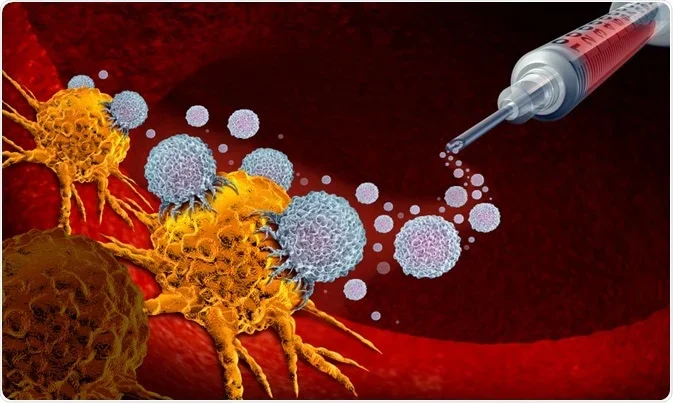
How Does Immunotherapy Work to Boost Your Immune System?
The immune system protects you every day, finding viruses, bacteria, damaged cells, and other threats. So why does it sometimes fail to stop cancer?
Cancer is difficult because tumor cells develop ways to hide from or weaken the body’s defenses. Some even send signals that tell immune cells to stop attacking. This is where how does immunotherapy work becomes an important question for patients and families facing a cancer diagnosis.
Rather than simply making the whole immune system stronger, these treatments can remove signals that hold immune cells back, help them recognize cancer, or provide specially prepared immune cells that attack tumors.
Moreover, research continues to move quickly. In 2026, checkpoint inhibitors are established across many cancer settings, while scientists are developing more personalized cell therapies and cancer vaccines.
How Does Immunotherapy Work Against Cancer?
The simplest explanation is that the treatment helps the immune system see, recognize, or attack cancer more effectively.
Normally, the immune system has safety controls. These controls prevent immune cells from attacking healthy tissue too aggressively. Cancer cells, however, can exploit those controls to escape destruction.
According to the National Cancer Institute (NCI), cancer cells may become less visible to immune cells, produce proteins that switch immune cells off, or change nearby cells so that the local environment weakens the immune response.
Cancer treatment can interfere with these escape methods.
A useful way to picture the process is to imagine a car:
- The immune system is the engine.
- Cancer may press the brakes.
- Some medicines release those brakes.
- Other treatments improve the immune system’s ability to find the correct target.
- Cell therapies can even rebuild immune cells with new cancer-finding equipment.
Therefore, calling the treatment an “immune booster” is only partly correct. Modern cancer care often involves changing or directing immunity, rather than simply making it stronger everywhere in the body.
Why Doesn’t the Immune System Destroy Cancer Naturally?

The immune system does identify and remove many abnormal cells before they become a serious problem. However, cancer develops through changes that allow some abnormal cells to survive.
Tumors may become difficult for immune cells to recognize. They can also create a local environment that blocks or exhausts cancer-fighting T cells.
Another problem is that cancer comes from the body’s own cells. That means the immune system must distinguish dangerous cancer cells from healthy tissue without causing widespread damage.
This creates a difficult balance.
Doctors want immune cells to attack the tumor strongly enough to control the disease, but not so strongly that they begin damaging healthy organs.
That balance also explains many treatment side effects.
The Main Types of Immunotherapy Used Today
There are several types of immunotherapy, and they do not all work in the same way.
NCI groups major approaches into checkpoint inhibitors, T-cell transfer therapy, monoclonal antibodies, treatment vaccines, and immune system modulators.
1. Immune checkpoint inhibitors
Checkpoint inhibitors are among the best-known modern cancer medicines.
T cells naturally have checkpoints that help prevent excessive immune reactions. Two important checkpoint pathways involve proteins such as PD-1/PD-L1 and CTLA-4.
Cancer can use these pathways to turn T cells off.
Checkpoint drugs block that signal.
For example, pembrolizumab targets PD-1. By blocking the pathway, it can help T cells recognize and attack cancer cells again. In July 2026, NCI noted that pembrolizumab had gained more than 40 treatment indications across many cancers.
Other checkpoint medicines include nivolumab, atezolizumab, durvalumab, and ipilimumab.
However, having a cancer type for which one of these drugs is approved does not automatically mean every patient will benefit. Stage, previous treatment, tumor markers, overall health, and specific drug indications all matter.
2. CAR T-cell therapy
CAR T-cell therapy takes a different approach.
Doctors collect T cells from a patient’s blood. The cells are then genetically changed in a laboratory so they produce special receptors known as chimeric antigen receptors, or CARs.
These receptors help the T cells find a specific target on cancer cells.
The modified cells are multiplied until there are very large numbers of them and are then returned to the patient through an infusion. NCI describes these engineered cells as a type of “living drug” because they can continue functioning and multiplying inside the body.
CAR T-cell therapy has produced major results in certain blood cancers, including some leukemias, lymphomas, and multiple myeloma. However, treating solid tumors remains much harder because tumor targets vary and the environment around solid tumors can weaken T cells.
3. Tumor-infiltrating lymphocyte therapy
Tumor-infiltrating lymphocytes, or TILs, are immune cells that have already entered a tumor.
Doctors can remove tumor tissue, identify useful cancer-fighting T cells, grow large numbers of them in a laboratory, and then return those cells to the patient.
The FDA approved lifileucel in 2024 as the first tumor-derived T-cell treatment for certain patients with advanced melanoma.
Research is now exploring whether TIL approaches can help more solid tumors.
In a 2025 NIH-led study involving metastatic gastrointestinal cancers, selected TILs combined with pembrolizumab produced substantial tumor shrinkage in nearly 24% of patients, compared with 7.7% among patients receiving selected TILs without pembrolizumab. These results were promising, but they involved an investigational approach rather than a new general standard of care.
4. Monoclonal antibodies
Antibodies are proteins that recognize specific targets.
Researchers can create antibodies in the laboratory that attach to proteins found on cancer cells. Some antibodies help immune cells recognize the tumor more easily.
Others work differently, so not every monoclonal antibody is classified in exactly the same way.
The important point is precision. Instead of activating immune activity everywhere, an antibody can be designed to focus on a particular biological target.
5. Cancer treatment vaccines
Cancer treatment vaccines are different from vaccines used to prevent infections.
Instead, they aim to help the immune system recognize features of an existing cancer and build a stronger response against those cells.
Researchers are especially interested in personalized vaccines based on the unique mutations found inside an individual patient’s tumor.
This is an exciting field, although many personalized vaccine approaches remain under study rather than routine cancer treatment.
How Does Immunotherapy Work Differently From Chemotherapy?
Chemotherapy and immune-based cancer treatment can both shrink tumors, but their mechanisms are very different.
Chemotherapy generally attacks rapidly dividing cells. Cancer cells often divide quickly, so they are vulnerable. However, healthy fast-growing cells can also be affected.
An immune-based treatment instead tries to use or change the body’s defense system so that it can attack cancer.
This difference can lead to very different side effects.
For example, traditional chemotherapy commonly causes problems related to rapidly dividing healthy cells, such as hair loss or reduced blood cell production, although effects vary widely between drugs.
Checkpoint therapy can cause inflammation because activated immune cells may mistakenly attack healthy tissues.
Moreover, the two approaches are not always competitors. Doctors may combine chemotherapy with immune-based drugs because the treatments can complement one another.
Why Some People Respond and Others Do Not
One of the biggest questions in modern oncology is why some patients experience dramatic, long-lasting responses while others receive little benefit.
Several factors can influence response.
These may include:
- The type of cancer
- Tumor genetics
- PD-L1 expression
- Previous treatments
- Number of genetic mutations in the tumor
- The immune environment surrounding the cancer
- General patient health
- Specific biomarkers
Cancer is also highly diverse.
Two people may both have lung cancer, for example, yet their tumors may contain completely different genetic changes and immune features.
Therefore, modern oncology increasingly uses testing to understand the biology of each person’s tumor before selecting therapy.
From a patient-education point of view, this is one of the most important insights: the name of the cancer is only the beginning of treatment selection.
Stage, biomarkers, previous therapy, and tumor biology may be just as important.
How Long Does It Take to Work?
There is no fixed timeline.
Some people show tumor shrinkage within weeks or months. Others may need several treatment cycles before scans show a clear response.
Doctors usually use imaging, laboratory tests, symptoms, and physical examination to determine whether treatment is working.
In some cases, immune activity can also make scan interpretation complicated because inflammation around a tumor may temporarily make an area appear larger.
However, patients should not assume that every increase on a scan represents this effect. Cancer progression remains possible, so treatment decisions should be based on careful medical assessment.
Can Immune Treatment Cure Advanced Cancer?
A common search question is can immunotherapy cure stage 4 cancer.
There is no single answer because stage 4 cancer includes many different diseases.
For most metastatic solid cancers, doctors are cautious about using the word “cure.” Treatment may instead aim to control disease, shrink tumors, extend survival, reduce symptoms, or create a durable remission.
However, remarkable long-term responses do occur.
CAR T-cell treatment, for example, has eliminated advanced disease for long periods in some people with blood cancers. NCI reports that some patients appear to have been cured after receiving these therapies.
The important message is that exceptional results should not be presented as typical results.
Individual prognosis depends on the cancer type, stage, biology, treatment response, and many other factors.
Cancer-Specific Treatment Is Important
The phrase immunotherapy for cancer covers a large group of treatments, but doctors do not use the same approach for every tumor.
Lung cancer
Immunotherapy for lung cancer may involve checkpoint inhibitors alone or alongside other treatments, depending on whether the disease is non-small cell or small cell lung cancer, its stage, biomarkers, and previous therapy.
Checkpoint therapy has become especially important in lung cancer. NCI’s July 2026 review highlighted advanced lung cancer as one of the diseases in which checkpoint inhibitors have helped some patients live longer.
People researching the side effects of immunotherapy for lung cancer should also remember that symptoms such as a new cough or shortness of breath deserve prompt attention because immune-related lung inflammation can occur.
Breast cancer
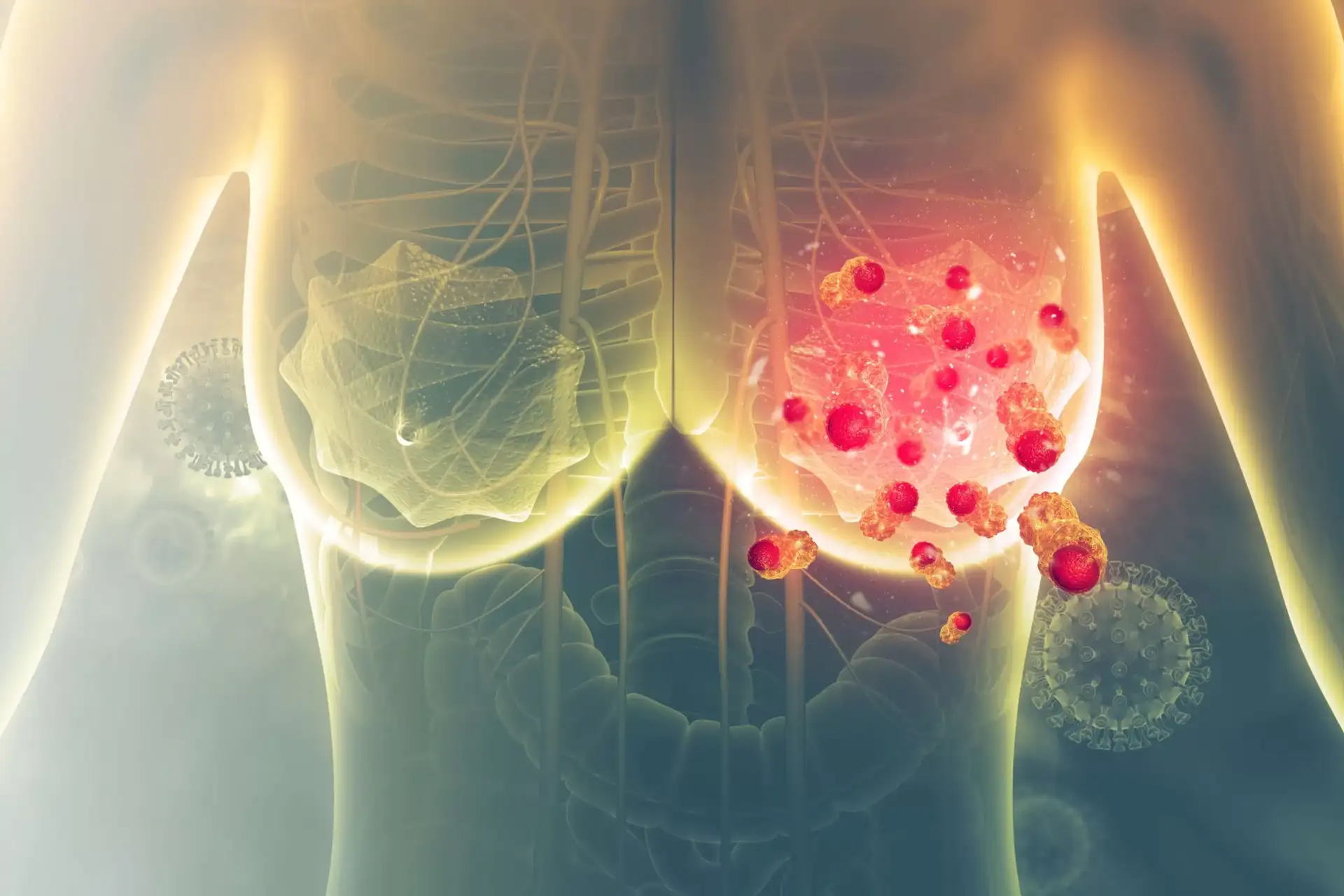
Breast cancer immunotherapy is not appropriate for every breast tumor.
Checkpoint treatment has roles in specific settings, particularly certain triple-negative breast cancers, while hormone-sensitive and HER2-positive cancers may rely more heavily on other treatment strategies.
This shows why simply asking whether a drug “works for breast cancer” is not enough. The exact subtype matters.
Liver cancer
Immunotherapy for liver cancer may involve checkpoint-based combinations for selected patients with hepatocellular carcinoma.
However, liver function is especially important in treatment planning because patients may already have liver damage from cirrhosis, hepatitis, or other conditions.
Treatment therefore requires careful evaluation by an oncology team familiar with liver cancer.
Side Effects: When the Immune System Attacks Healthy Tissue
Activating immune defenses has a downside: immune cells may also attack healthy organs.
NCI explains that immune-related problems can develop during treatment or even after treatment has ended.
Common or important effects may include:
- Fatigue
- Rash or itching
- Diarrhea
- Fever
- Nausea
- Joint or muscle pain
- Thyroid problems
- Lung inflammation
- Liver inflammation
- Bowel inflammation
- Hormone gland problems
Some reactions are mild. Others can become serious or, rarely, life-threatening.
The practical rule is simple: new symptoms during treatment deserve attention.
A patient should not automatically assume that unusual diarrhea, breathing problems, severe weakness, chest symptoms, jaundice, or persistent headache are unrelated to cancer therapy.
Early recognition can make immune-related reactions easier to manage.
CAR T-Cell Therapy Has Its Own Risks
Cell therapy can cause a different set of complications.
One important problem is cytokine release syndrome, or CRS.
When large numbers of engineered T cells become activated, they can release high levels of inflammatory signals called cytokines. This may cause fever, low blood pressure, breathing problems, and other serious symptoms.
Neurologic complications, known collectively as ICANS, can also occur. Possible signs include confusion, unusual sleepiness, or difficulty speaking.
Treatment centers have gained greater experience managing these risks.
In June 2025, the FDA removed the formal REMS requirements for several approved autologous CAR T-cell products after determining that the safety programs were no longer necessary to ensure their benefits outweighed their risks. Product labeling continues to carry important warnings.
What Is Changing in Cancer Immune Treatment in 2026?
The story is shifting from simply asking whether the immune system can fight cancer to asking how doctors can make that response more precise.
On July 21, 2026, NCI highlighted decades of research behind checkpoint inhibitors and their impact across melanoma, lung, bladder, and other cancers. The agency noted that pembrolizumab alone has more than 40 cancer-treatment indications.
Meanwhile, researchers are testing:
- Better ways to select patients
- Personalized cancer vaccines
- TIL therapies for more solid tumors
- Next-generation CAR T cells
- Donor-derived “off-the-shelf” cell therapies
- Treatments that target more than one cancer marker
- Combinations that help exhausted T cells work again
NCI reports that newer CAR T approaches are being designed to reduce side effects, recognize multiple targets, and potentially become available without waiting weeks for patient-specific manufacturing.
These ideas are promising, but experimental therapies should not be confused with approved standard treatment.
Cancer Treatment Is Different From Allergy Therapy
Another source of online confusion is oral immunotherapy.
That term commonly appears in food-allergy treatment, where patients receive carefully controlled amounts of an allergen with the goal of increasing tolerance.
Cancer immune treatment works very differently.
Although both approaches involve the immune system, the medical goals, drugs, risks, and treatment settings are not interchangeable.
This distinction matters because search engines may show results from both allergy medicine and oncology when broad immune-treatment terms are entered.
Questions to Ask Your Oncologist

If an immune-based treatment is being considered, useful questions include:
- Why is this treatment recommended for my exact cancer?
- Is my tumor likely to respond based on biomarkers?
- Will I receive it alone or with chemotherapy or another drug?
- How will we know whether it is working?
- Which symptoms require an urgent call?
- How long might treatment continue?
- Could an autoimmune condition affect my eligibility?
- Are clinical trials appropriate for me?
Writing these questions down before an appointment can make complex discussions easier to follow.
Conclusion
Understanding how does immunotherapy work starts with one key idea: these treatments do not simply turn the immune system to maximum strength.
Instead, they may release immune brakes, guide antibodies toward cancer, modify T cells, expand naturally occurring cancer-fighting cells, or train the immune system to recognize tumor targets.
Checkpoint inhibitors have already transformed treatment for several cancers, while CAR T cells have produced remarkable results in selected blood cancers. TIL therapy, personalized vaccines, and newer engineered cells are now expanding the possibilities further.
However, stronger immune activity can also harm healthy tissue, and not every tumor responds.
The most useful takeaway is therefore not that immune treatment “boosts” everyone in the same way. It helps doctors use the immune system more intelligently and more precisely against cancer.
FAQs
How does immunotherapy work in simple terms?
It helps the body’s immune defenses recognize or attack cancer more effectively. Some drugs remove signals that stop T cells from working, while cell therapies can modify or expand immune cells before returning them to the patient.
Does immune treatment make your immune system stronger?
Sometimes it increases immune activity, but “stronger” is an oversimplification. Many treatments target specific immune pathways rather than increasing every immune response throughout the body.
How quickly can it shrink a tumor?
Response time varies widely. Some tumors respond within weeks or months, while others do not respond at all. Doctors usually rely on scans, examinations, laboratory tests, and symptoms to judge progress.
Why does immune treatment cause side effects?
The immune system can sometimes attack healthy tissue while targeting cancer. This may cause inflammation involving the skin, bowel, lungs, liver, thyroid, or other organs.
Can immune treatment work when chemotherapy fails?
Yes, in some cancers and clinical situations. However, effectiveness depends on tumor type, biomarkers, previous treatment, and the specific drug, so treatment decisions must be individualized.
⭐ Make MindLiva Your Preferred Source on Google
Get trusted health, wellness, and lifestyle articles from MindLiva.
Add MindLiva
Samie Babaei is a medical science student at Shahid Beheshti University of Medical Sciences with a strong interest in health, wellness, and medical research. As a health writer and researcher at MindLiva, she focuses on creating clear, evidence-based content that helps readers better understand health and well-being.