



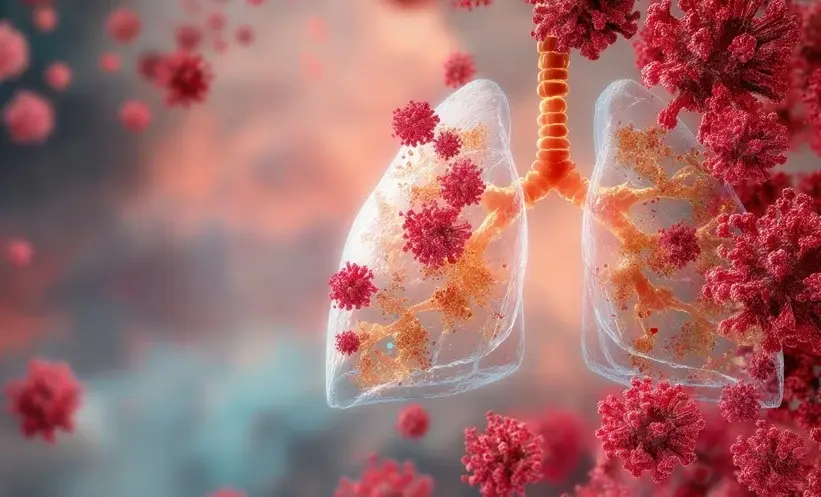
Are Side Effects of Immunotherapy for Lung Cancer Dangerous?
When a cancer treatment uses your own immune system, it may sound gentler than chemotherapy. However, that does not mean it is free from risk.
The side effects of immunotherapy for lung cancer are different because checkpoint drugs can sometimes make immune cells attack healthy tissues along with cancer cells. Common problems such as fatigue, rash, and diarrhea may be mild, while less common reactions can affect the lungs, liver, bowel, thyroid, kidneys, heart, or nervous system.
For lung cancer patients, one complication deserves special attention: pneumonitis, or inflammation of lung tissue. A new cough or breathing problem may be caused by treatment, cancer, radiation, or infection, so it should not simply be ignored.
The encouraging point is that early reporting and treatment can make many immune-related reactions easier to manage.
Why Side Effects of Immunotherapy for Lung Cancer Are Different
Traditional chemotherapy generally damages rapidly dividing cells. That is why it can affect cancer cells as well as healthy cells in the hair follicles, digestive tract, and bone marrow.
Checkpoint treatment works differently.
Cancer cells can use immune checkpoint pathways such as PD-1 and PD-L1 to reduce T-cell activity. Checkpoint inhibitors block these signals, allowing immune cells to remain active against the tumor.
This answers a common question—how does immunotherapy work—but it also explains the unusual toxicity.
Once immune brakes are released, T cells may occasionally mistake healthy tissue for a target.
This can produce inflammation almost anywhere in the body. According to the current 2026 FDA prescribing information for pembrolizumab, immune-mediated reactions can be severe or fatal, can affect more than one organ system, and may appear even after treatment has stopped.
That last point is easy to overlook.
A patient who develops a significant new symptom weeks after the final treatment should still tell healthcare professionals about their previous checkpoint therapy.
What Are the Most Common Side Effects?

The National Cancer Institute lists rash, diarrhea, and fatigue among common effects of immune checkpoint inhibitors.
Depending on the medicine and combination, patients may also experience:
- Itching
- Reduced appetite
- Nausea
- Muscle or joint aches
- Weakness
- Thyroid changes
- Cough
- Fever
- Skin changes
However, frequency varies considerably between drugs and treatment combinations.
A patient receiving pembrolizumab alone may have a different experience from someone receiving pembrolizumab with chemotherapy. Likewise, combining nivolumab with another checkpoint drug may produce a different toxicity profile.
Therefore, internet lists should never replace the information given for the specific treatment regimen being used.
Pneumonitis: The Lung Side Effect Patients Should Know
Among all immune-related complications, pneumonitis can be particularly difficult to identify in someone who already has lung cancer.
Pneumonitis is inflammation of lung tissue.
Possible symptoms include:
- New cough
- Worsening cough
- Shortness of breath
- Chest discomfort
- Reduced ability to exercise normally
- Unexplained breathing changes
The difficulty is that these symptoms are not unique to checkpoint treatment.
Lung cancer itself can cause coughing and breathlessness. So can pneumonia, blood clots, chronic obstructive pulmonary disease, fluid around the lungs, and previous radiation.
Therefore, a new cough during treatment should not automatically be labeled “pneumonitis.” It needs proper medical assessment.
How common is pneumonitis?
Rates depend on the medicine, cancer type, previous radiation, and treatment combination.
In pooled FDA safety data for pembrolizumab, immune-mediated pneumonitis occurred in 3.4% of 2,799 patients, with fatal cases occurring in 0.1%. The FDA also states that pneumonitis occurred more often in patients who had received prior chest radiation.
In the KEYNOTE-091 study of pembrolizumab after surgery for NSCLC, the FDA reported pneumonitis in 7% of patients.
These figures should not be used to predict an individual person’s risk. Still, they show why respiratory symptoms need attention.
When Is a New Cough an Emergency?
A mild cough does not automatically mean someone is experiencing a dangerous reaction.
However, patients should promptly contact their oncology team if a cough is new, clearly worsening, or accompanied by breathing difficulty.
Urgent assessment is especially important when symptoms include:
- Severe shortness of breath
- Blue or gray lips
- Chest pain
- Confusion
- Fainting
- Rapid deterioration
- Very low oxygen readings if home monitoring has been recommended
A useful clinical principle is simple: do not try to determine the cause of significant breathing symptoms at home.
Doctors may need imaging, oxygen measurements, blood tests, infection testing, or other investigations to distinguish pneumonitis from pneumonia, tumor progression, or another condition.
Bowel Inflammation and Severe Diarrhea
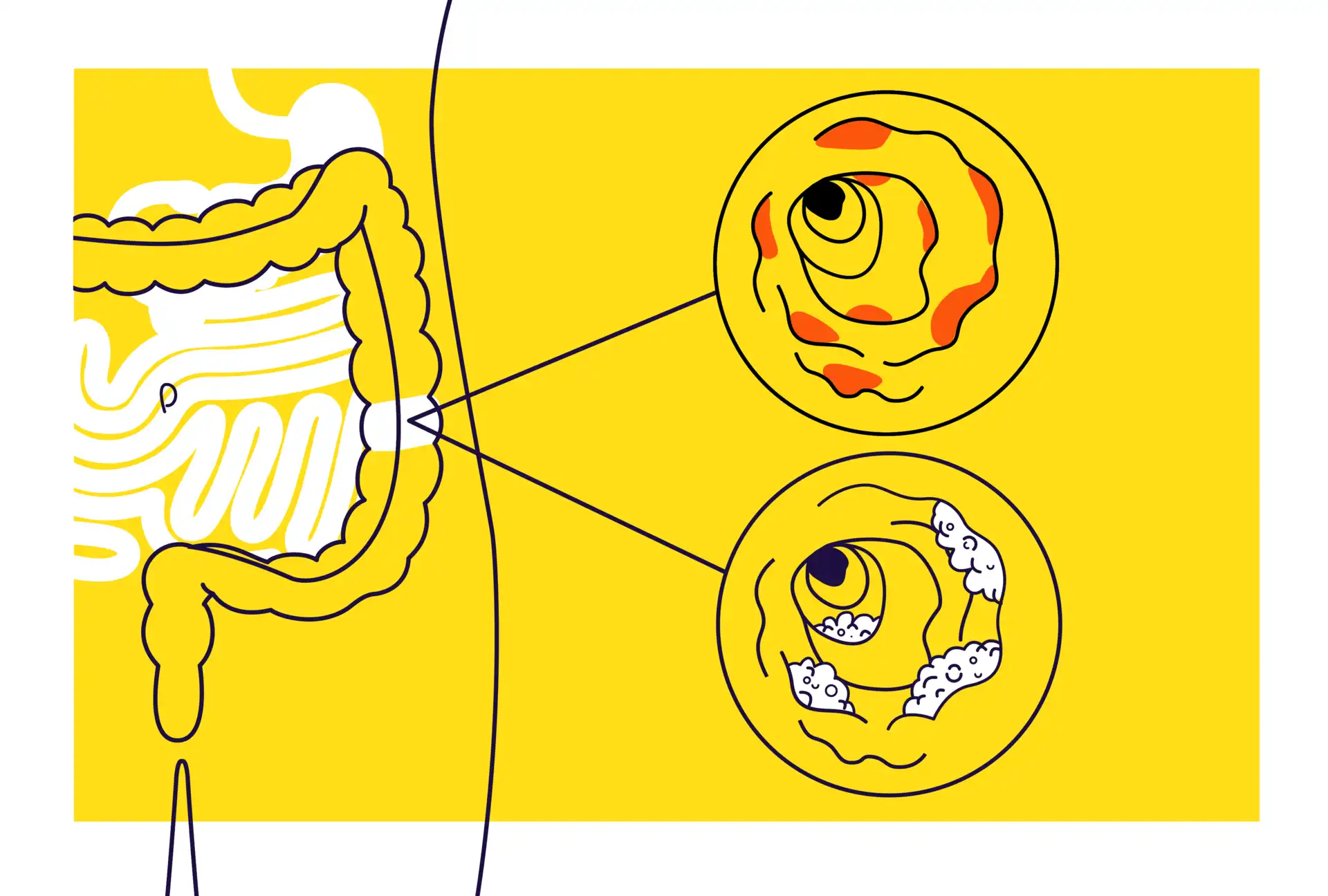
Diarrhea can sound like a minor treatment problem. However, checkpoint medicines can sometimes cause colitis, meaning inflammation of the colon.
NCI notes that colitis can cause abdominal pain, diarrhea, and black or bloody stools.
Warning signs include:
- Frequent watery bowel movements
- Blood in the stool
- Black stool
- Severe stomach cramps
- Persistent abdominal pain
- Fever with diarrhea
- Dizziness or dehydration
Mild diarrhea may have many causes, including diet, infection, antibiotics, chemotherapy, or other medicines.
However, persistent diarrhea during checkpoint treatment should be reported rather than treated repeatedly at home without medical advice.
If immune-mediated colitis becomes severe, treatment may need to be delayed and medicines may be used to reduce the immune response.
Liver Inflammation May Cause Few Early Symptoms
Checkpoint drugs can cause immune-mediated hepatitis, or inflammation of the liver.
The problem is that liver inflammation does not always cause obvious symptoms at first.
This is one reason blood testing is important during treatment.
The 2026 pembrolizumab label recommends checking liver enzymes before treatment and periodically while therapy continues.
Possible warning signs can include:
- Yellow skin or eyes
- Dark urine
- Severe nausea
- Pain on the right side of the upper abdomen
- Unusual fatigue
- Reduced appetite
However, abnormal laboratory results may appear before a patient notices anything.
Regular monitoring is therefore not just routine paperwork. It can detect a problem before symptoms become severe.
Thyroid and Other Hormone Problems
The endocrine system is another common target of immune-related inflammation.
Checkpoint drugs may cause:
- Hypothyroidism, or an underactive thyroid
- Hyperthyroidism, or an overactive thyroid
- Pituitary gland inflammation
- Adrenal hormone problems
- Rarely, insulin-dependent diabetes
Hormone-related symptoms can be surprisingly vague.
A patient may simply feel exhausted, cold, dizzy, weak, unusually thirsty, confused, or notice unexpected weight changes.
That makes blood testing valuable.
In KEYNOTE-091, for example, FDA data showed hypothyroidism in 22% and hyperthyroidism in 11% of patients receiving pembrolizumab after surgery for NSCLC.
Some endocrine conditions can be treated successfully with long-term hormone replacement while cancer therapy continues or resumes.
However, every case is different.
Skin Reactions Are Common but Should Still Be Watched
Skin problems are among the more familiar checkpoint-related reactions.
A patient may experience:
- Rash
- Dry skin
- Redness
- Itching
- Changes in skin color
Most skin reactions are manageable.
Nevertheless, severe blistering, peeling, painful sores, widespread rash, or involvement of the mouth or eyes needs rapid medical attention.
The FDA recognizes serious immune-mediated dermatologic reactions among the possible complications of PD-1 and PD-L1 blockade.
Therefore, patients should not assume that every rash is harmless simply because skin irritation is common during cancer treatment.
Kidney Problems May Be Silent at First
Immune checkpoint drugs can also cause nephritis, or inflammation of the kidneys.
Like liver inflammation, kidney injury may initially be detected through laboratory testing rather than obvious symptoms.
The FDA therefore recommends monitoring creatinine, a blood marker used to assess kidney function, before and during pembrolizumab treatment.
Possible symptoms can include:
- Changes in urination
- Swelling in the legs
- Unusual fatigue
- Nausea
- Reduced urine production
However, many other issues can affect kidney tests during cancer treatment, including dehydration, infection, contrast imaging, and other drugs.
Medical evaluation is needed to determine the cause.
Rare Heart Side Effects Can Be Serious
One of the rarer but more concerning immune-related reactions is myocarditis, meaning inflammation of the heart muscle.
NCI lists myocarditis among possible inflammatory effects of checkpoint inhibitors.
Although uncommon, it can become life-threatening.
In KEYNOTE-091, two fatal cases of myocarditis were reported among patients receiving pembrolizumab in the adjuvant NSCLC study.
Potential warning signs include:
- New chest pain
- Shortness of breath
- Rapid or irregular heartbeat
- Fainting
- Severe weakness
- Sudden reduced exercise tolerance
These symptoms need urgent assessment because they can also signal a heart attack, blood clot, or other serious condition.
Neurologic Side Effects Are Rare but Important
Checkpoint treatment can occasionally affect the nervous system.
NCI notes possible problems including muscle weakness, numbness, and trouble breathing.
Rare immune-related neurologic conditions can affect nerves, muscles, or communication between nerves and muscles.
Patients should report new symptoms such as:
- Rapidly increasing weakness
- New numbness
- Difficulty walking
- Drooping eyelids
- Trouble swallowing
- Changes in speech
- Severe unexplained headache
- Confusion
These symptoms should not be watched for several days to “see whether they disappear” when they are significant or worsening.
Can Side Effects Appear After Treatment Ends?
Yes.
This is one of the most important facts patients and families should know.
The current FDA prescribing information states that immune-mediated reactions can occur at any time after checkpoint treatment starts and may also appear after the medicine has been discontinued.
Therefore, someone who has finished therapy should continue telling doctors that they previously received a checkpoint inhibitor.
This is particularly important when seeking care outside the oncology clinic.
For example, severe diarrhea months later could initially look like a stomach infection. A new cough could appear to be pneumonia. Knowing the treatment history gives clinicians another important possibility to consider.
How Doctors Manage Serious Immune Reactions
Management depends on the affected organ and severity.
For suspected immune-mediated reactions, doctors first need to consider other causes, including infection. Treatment may then be delayed while the patient is evaluated.
For significant reactions, corticosteroids are commonly used to calm excessive immune activity.
The FDA prescribing information states that pembrolizumab may need to be withheld or permanently discontinued depending on the type and severity of the reaction. Systemic corticosteroids are generally used for many significant immune-mediated toxicities.
Some patients improve enough to restart treatment.
Others should not receive the same medicine again.
The decision depends on the organ involved, severity, recovery, cancer status, and available alternatives.
Why Early Reporting Makes Such a Difference
One of the most useful pieces of advice for patients is also one of the simplest: report changes early.
Do not wait until a symptom becomes unbearable.
Early recognition matters because inflammatory reactions may be easier to control before major organ damage develops. The FDA specifically emphasizes early identification and management as essential for the safe use of PD-1 and PD-L1 blocking medicines.
A practical approach is to keep a short symptom record.
Note:
- When the symptom started
- Whether it is getting worse
- How many times it occurs each day
- Whether it affects eating, walking, sleeping, or breathing
- Any fever or new medication
- When the most recent cancer treatment was given
This information can help an oncology team judge urgency more accurately.
Are Side Effects Worse Than Chemotherapy?
Not necessarily. They are simply different.
Chemotherapy is more likely to cause certain predictable problems related to rapidly dividing cells, depending on the exact drugs used.
Checkpoint therapy can feel relatively easy for some patients for long periods. Others develop immune-related complications.
Moreover, many lung cancer regimens combine checkpoint treatment with chemotherapy. In those cases, side effects can come from either part of the regimen.
This is why comparing “chemotherapy versus immune therapy” as if every patient receives only one is often misleading.
The best approach is to discuss the specific combination and its expected risks.
Who May Be at Higher Risk?
Doctors cannot perfectly predict who will develop an immune-related reaction. NCI notes that the effects differ depending on factors such as health before treatment, cancer type and stage, checkpoint drug, and dose.
Certain issues may deserve additional consideration, including:
- Previous chest radiation
- Existing lung disease
- Autoimmune disease
- Previous organ transplantation
- Use of more than one checkpoint medicine
- Other cancer treatments given at the same time
For pembrolizumab specifically, FDA data indicate that pneumonitis occurs more often among people who have previously received thoracic radiation.
However, having a risk factor does not automatically mean treatment cannot be used.
The oncology team weighs the expected cancer benefit against the individual patient’s risks.
Do the Benefits Still Outweigh the Risks?
For appropriately selected patients, checkpoint therapy has become an important part of modern lung cancer treatment.
NCI notes that immune checkpoint inhibitors are now used in selected patients with resectable NSCLC, including before surgery, after surgery, or as part of perioperative treatment. They also have major roles in advanced disease.
In July 2026, NCI highlighted how checkpoint inhibitors have changed outcomes for patients with several cancers, including lung cancer, while also noting that not all tumors respond and resistance remains a major challenge.
Therefore, the existence of serious side effects does not mean these medicines are “too dangerous.”
Instead, it means their benefits need to be balanced against known risks, with careful monitoring throughout treatment.
Can Immunotherapy Cure Stage 4 Lung Cancer?

The search can immunotherapy cure stage 4 cancer reflects one of the most difficult questions patients face.
Some people with advanced lung cancer have experienced dramatic and very long-lasting responses to checkpoint inhibitors. NCI’s July 2026 review even describes a patient with advanced NSCLC whose tumors disappeared during pembrolizumab treatment.
However, one exceptional response cannot predict what will happen to everyone.
For metastatic lung cancer, treatment is more commonly discussed in terms of shrinking cancer, delaying progression, extending survival, and achieving durable control rather than guaranteeing a cure.
Some tumors do not respond at all, while others initially respond and later develop resistance.
Lung Cancer Therapy Is Not the Same as Other Immune Treatments
The phrase immunotherapy for cancer includes several very different treatment strategies.
For instance, breast cancer immunotherapy has an established role mainly in selected triple-negative breast cancer settings, while immunotherapy for liver cancer follows different drug combinations and depends heavily on underlying liver function.
Likewise, oral immunotherapy usually describes controlled food-allergen exposure in allergy medicine and is completely different from cancer checkpoint therapy.
Therefore, information from one disease should not automatically be applied to another.
Even the types of immunotherapy differ across cancers, ranging from checkpoint inhibitors to engineered T-cell therapies and other immune-based approaches.
Warning Signs Worth Saving on Your Phone
Patients do not need to memorize every possible adverse reaction.
Instead, remember a few symptom groups that deserve attention:
- Breathing: new cough, worsening breathlessness, chest pain
- Bowel: severe diarrhea, bloody stool, strong abdominal pain
- Liver: yellow skin, dark urine, severe nausea
- Hormones: extreme weakness, dizziness, confusion, unusual thirst
- Heart: chest pressure, fainting, racing heartbeat
- Nervous system: new weakness, numbness, swallowing problems
- Skin: widespread rash, blistering, peeling
- Kidneys: major urine changes or swelling
This is not a diagnostic checklist.
It is a reminder to contact the care team rather than guessing what a new symptom means.
Questions to Ask Before Starting Treatment
Before receiving immunotherapy for lung cancer, patients may want to ask:
- Which checkpoint medicine will I receive?
- Will I also receive chemotherapy or radiation?
- Which side effects are most common with my exact regimen?
- Which symptoms require a same-day phone call?
- Who should I call at night or on weekends?
- Have I previously received chest radiation that may affect my risk?
- How often will my thyroid, liver, and kidney tests be checked?
- Could my existing autoimmune condition affect treatment?
- What happens if I need steroids?
- Can treatment restart after a serious reaction?
These questions can provide far more useful information than a generic list of adverse effects.
Conclusion
The side effects of immunotherapy for lung cancer can sometimes be dangerous, but that is only part of the story.
Many patients experience manageable problems such as fatigue, rash, or diarrhea. More serious immune-related reactions—including pneumonitis, colitis, hepatitis, kidney inflammation, endocrine disorders, and rare heart or neurologic problems—require quick recognition and medical care.
For lung cancer patients, breathing changes deserve particular attention because pneumonitis can resemble infection, cancer symptoms, or radiation effects.
Moreover, reactions can sometimes appear after treatment has ended, making continued awareness important.
The strongest takeaway is not to fear every new symptom. It is to report meaningful changes early. Checkpoint medicines have created important treatment opportunities in lung cancer, and thoughtful monitoring helps patients receive those benefits as safely as possible.
FAQs
What is the most concerning lung-related side effect?
Pneumonitis, or inflammation of lung tissue, is an important complication because it can cause cough and shortness of breath and may become serious. Previous chest radiation can increase the risk with pembrolizumab.
How soon can immune-related side effects start?
They can occur at different times after treatment begins. Importantly, some immune-mediated reactions may also appear after checkpoint therapy has been discontinued.
Are most immune-treatment side effects permanent?
No. Many improve with appropriate management. However, some hormone problems may require long-term replacement therapy, and serious reactions can occasionally cause lasting damage.
Can patients continue treatment after a side effect?
Sometimes. Mild reactions may allow treatment to continue, while moderate or severe problems may require a pause. Some serious toxicities require permanent discontinuation.
Should a patient go to the emergency room for shortness of breath?
Severe, sudden, or rapidly worsening breathing difficulty requires urgent medical assessment. Patients should follow the emergency instructions provided by their oncology team rather than trying to diagnose the cause themselves.
⭐ Make MindLiva Your Preferred Source on Google
Get trusted health, wellness, and lifestyle articles from MindLiva.
Add MindLiva
Samie Babaei is a medical science student at Shahid Beheshti University of Medical Sciences with a strong interest in health, wellness, and medical research. As a health writer and researcher at MindLiva, she focuses on creating clear, evidence-based content that helps readers better understand health and well-being.