



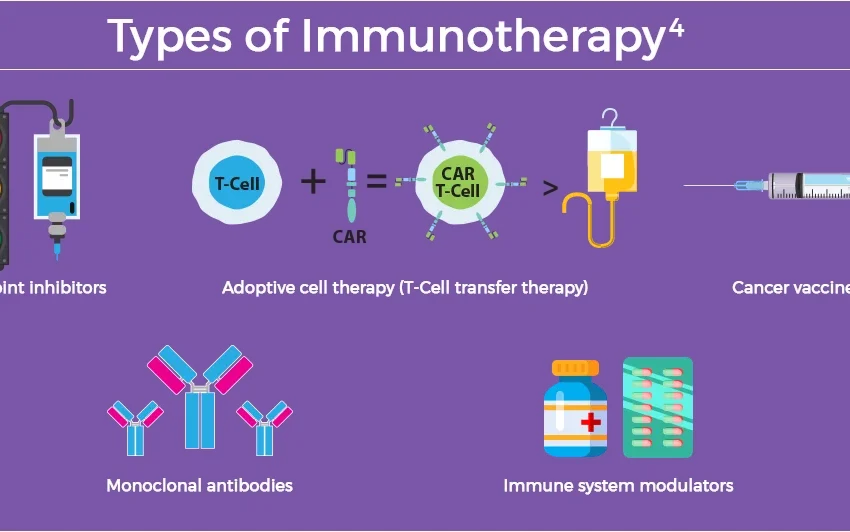
Types of Immunotherapy: 5 Cancer Treatments Explained
Cancer treatment no longer focuses only on surgery, chemotherapy, and radiation. Today, doctors can also use the body’s own defense system to recognize and attack certain tumors, creating treatment options that would have seemed impossible only a few decades ago.
Understanding the types of immunotherapy matters because these treatments are not interchangeable. A checkpoint inhibitor works very differently from CAR T-cell therapy, while a cancer vaccine has another purpose entirely.
Moreover, the field continues to expand. In July 2026, the National Cancer Institute highlighted how decades of checkpoint research have transformed care for cancers such as melanoma, lung cancer, and bladder cancer.
Below, we break down the major immune-based treatments in clear language, explain where they are used, and look at what patients should know before treatment begins.
What Are the Main Types of Immunotherapy?
The immune system constantly looks for infections, damaged cells, and other threats. Cancer is harder to recognize because tumor cells develop from the body’s own cells and can find ways to avoid immune attack.
Immunotherapy aims to change that relationship.
According to the National Cancer Institute, immune-based treatment helps the body’s immune system fight cancer. Some methods remove signals that stop immune cells from attacking, while others strengthen immune cells or provide them with better ways to identify tumor cells.
The five major approaches patients are most likely to hear about are:
- Immune checkpoint inhibitors
- T-cell transfer therapies
- Monoclonal antibodies
- Cancer treatment vaccines
- Immune system modulators
These treatments can be given alone or combined with chemotherapy, targeted drugs, radiation, surgery, or other immune therapies depending on the cancer.
1. Immune Checkpoint Inhibitors
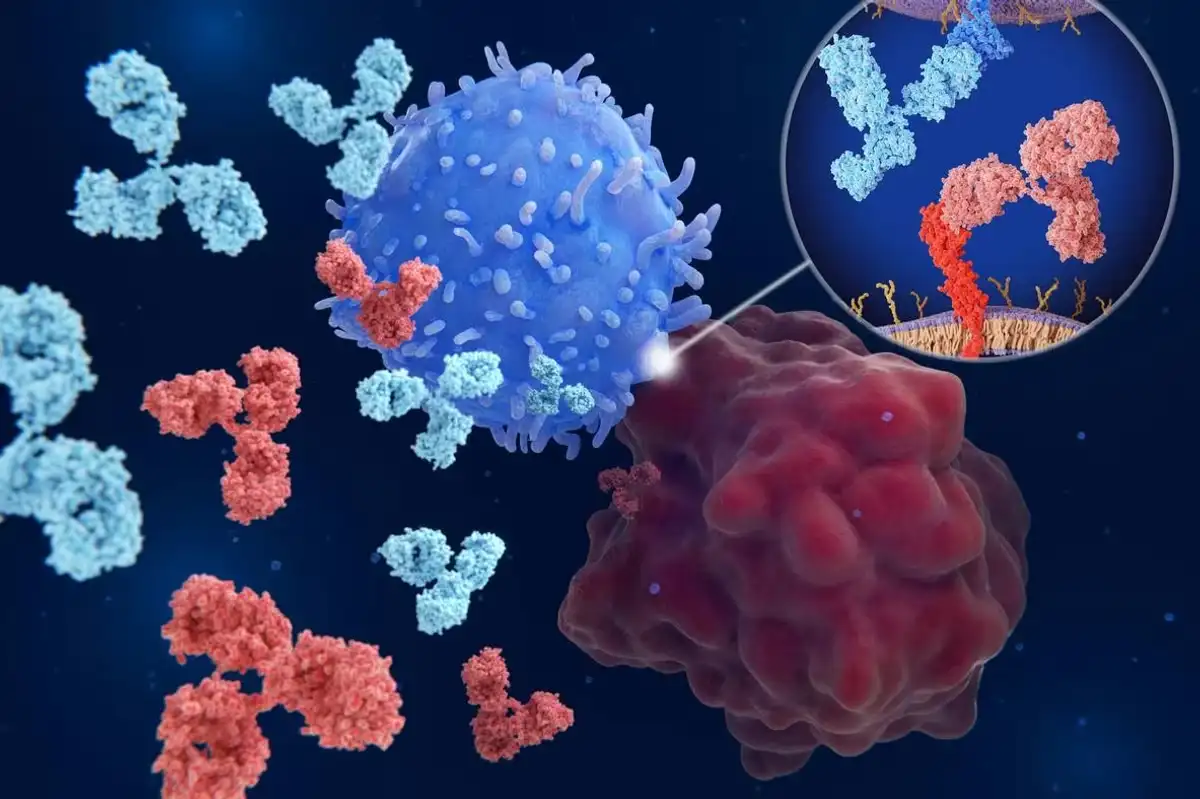
Checkpoint inhibitors are among the best-known immune-based cancer treatments.
The immune system naturally has checkpoints that prevent T cells from attacking healthy tissue too aggressively. Think of these checkpoints as brakes that stop an immune response from getting out of control.
Cancer cells can take advantage of those brakes.
Some tumors use checkpoint pathways to send an “off” signal to T cells. Drugs called checkpoint inhibitors block that signal, allowing immune cells to remain active against cancer.
Important Checkpoint Targets
The best-known targets include:
- PD-1
- PD-L1
- CTLA-4
For example, some cancer cells produce large amounts of PD-L1. When PD-L1 interacts with PD-1 on T cells, it can reduce their ability to attack.
Blocking that interaction may restore part of the immune response.
Checkpoint inhibitors have changed treatment for several cancers. In a July 2026 review, NCI described these drugs as a major advance that has helped some people with advanced melanoma, lung cancer, bladder cancer, and other cancers live longer.
2. T-Cell Transfer Therapy
T-cell transfer therapy takes a more personalized approach.
Instead of simply removing an immune-system brake, doctors collect a patient’s own immune cells and use laboratory techniques to increase their ability to fight cancer.
The NCI identifies two main forms:
- CAR T-cell therapy
- Tumor-infiltrating lymphocyte therapy, or TIL therapy
CAR T-Cell Therapy
CAR T-cell therapy begins by collecting T cells from the patient’s blood.
Scientists genetically change those cells so they produce special receptors known as chimeric antigen receptors, or CARs. These receptors allow the modified T cells to recognize a particular target found on cancer cells.
The new cells are multiplied in a laboratory and infused back into the patient.
CAR T-cell therapy has been particularly important for certain blood cancers. However, applying the same strategy to solid tumors is more difficult because solid cancers create complex environments that can block immune activity.
TIL Therapy
Tumor-infiltrating lymphocytes are immune cells already found inside or around a tumor.
That presence suggests the immune system has recognized something unusual in the cancer, but the existing immune response may not be strong enough to control it.
Doctors can collect selected TILs, grow large numbers of them in a laboratory, and return them to the patient.
Interestingly, 2026 NCI research continues to explore combinations of selected tumor-infiltrating lymphocytes and checkpoint treatment in advanced solid tumors, showing that cellular therapy remains a fast-moving area of cancer research.
3. Monoclonal Antibodies
Antibodies are proteins the immune system naturally produces to recognize specific targets.
Scientists can also create antibodies in a laboratory. These are called monoclonal antibodies.
Some monoclonal antibodies attach directly to proteins on cancer cells. Others influence immune cells or interfere with signals that tumors use to survive.
NCI explains that monoclonal antibodies used against cancer can be designed to recognize specific targets and may work through several different mechanisms.
This category can overlap with checkpoint therapy because many checkpoint drugs themselves are monoclonal antibodies.
That is an important distinction. Cancer treatment categories are not always completely separate boxes; the same medicine may be described by both its structure and the biological pathway it targets.
4. Cancer Treatment Vaccines
Most people hear the word “vaccine” and think about preventing an infection. Cancer treatment vaccines have a different purpose.
They are designed for people who already have cancer.
The goal is to expose the immune system to tumor-related antigens so immune cells become better at recognizing and responding to cancer.
Treatment vaccines may contain:
- Tumor-associated proteins
- Tumor cells or parts of cells
- Genetic material
- Patient-specific cancer targets
Researchers are particularly interested in personalized cancer vaccines, which can be designed around mutations found in an individual person’s tumor.
This is one reason tumor sequencing has become increasingly relevant in modern oncology. Rather than treating every tumor of the same organ as biologically identical, doctors and researchers can investigate the molecular features that make one person’s cancer different from another’s.
5. Immune System Modulators
Immune system modulators strengthen or influence immune activity more broadly.
NCI describes these therapies as treatments that enhance the body’s immune response against cancer.
Some are naturally occurring immune-signaling molecules or laboratory-made versions of them.
Examples include certain:
- Cytokines
- Interferons
- Interleukins
- Immune-stimulating agents
One interesting example is BCG, which can be placed directly into the bladder to stimulate an immune response against bladder cancer cells.
In fact, immune approaches in bladder cancer continue to evolve. On May 28, 2026, the FDA approved durvalumab in combination with BCG for certain adults with high-risk non-muscle-invasive bladder cancer.
How Does Immunotherapy Work?
Patients often ask how does immunotherapy work when cancer comes from their own cells.
The answer is that cancer can hide from immune defenses in several ways.
Some tumors reduce immune-cell activity. Others create a local environment around the tumor that makes T cells less effective. Certain cancer cells also use normal checkpoint pathways to avoid destruction.
Different therapies attack these problems from different directions.
For example:
- Checkpoint inhibitors release immune brakes.
- CAR T cells are engineered to recognize cancer targets.
- TIL therapy increases the number of existing tumor-reactive cells.
- Cancer vaccines try to teach immune cells what to recognize.
- Immune modulators increase or change immune activity.
Therefore, immune treatment is better understood as a family of strategies rather than one single drug.
Comparing the Types of Immunotherapy
Here is a simple comparison:
| Treatment | Main Strategy | Common Area of Use |
| Checkpoint inhibitors | Remove immune “brakes” | Many solid tumors |
| CAR T-cell therapy | Engineer T cells | Mainly selected blood cancers |
| TIL therapy | Expand tumor-reactive immune cells | Selected solid tumors |
| Cancer vaccines | Train immune recognition | Selected cancers/research settings |
| Immune modulators | Strengthen immune activity | Specific cancer settings |
The most appropriate treatment depends on much more than cancer stage.
Doctors may look at the tumor’s genetic changes, biomarkers, location, previous treatment, growth pattern, and the patient’s overall health before deciding whether an immune approach makes sense.
Why Biomarkers Matter
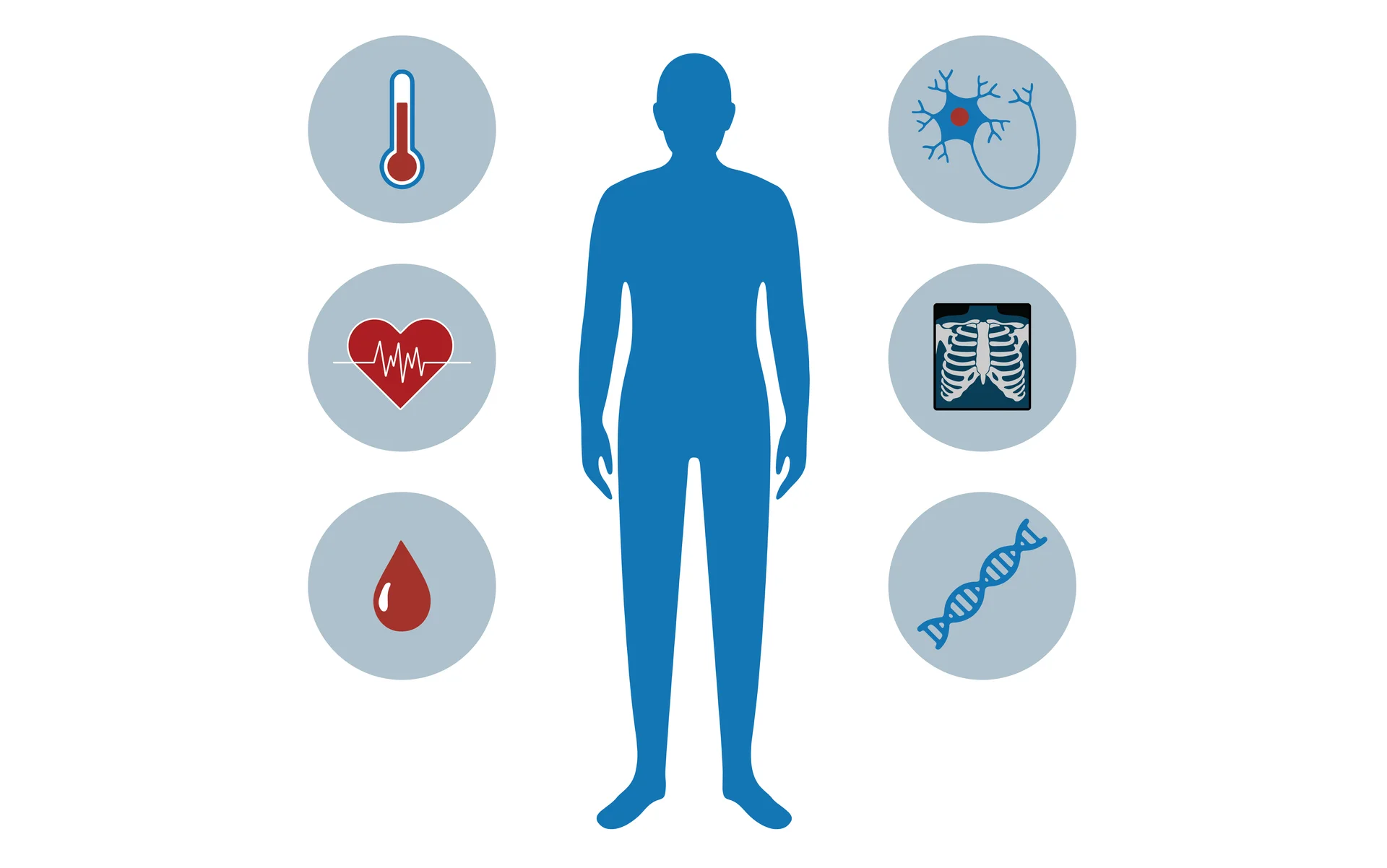
One patient may respond dramatically to a checkpoint drug while another person with the same general cancer diagnosis does not.
Biomarkers can help explain some of these differences.
Important markers may include:
- PD-L1 expression
- Microsatellite instability, or MSI
- Mismatch repair deficiency, or dMMR
- Tumor mutational burden
- Specific tumor mutations
However, biomarkers are not perfect predictors.
A high PD-L1 result, for example, does not guarantee a strong treatment response. Likewise, depending on the disease and treatment regimen, some people with lower expression may still receive checkpoint treatment.
This is why modern cancer care increasingly combines tumor location with molecular information rather than treating every cancer based only on the organ where it started.
Immunotherapy for Lung Cancer
The introduction of immunotherapy for lung cancer has significantly changed treatment for many patients.
Checkpoint inhibitors can be used in selected forms of non-small cell and small cell lung cancer. Depending on the clinical setting, they may be given alone or combined with chemotherapy and other treatments.
PD-L1 testing and tumor genetic testing can also help guide therapy in non-small cell lung cancer.
However, treatment is highly individualized. A person whose tumor contains a targetable genetic alteration may follow a different treatment path from a patient whose cancer has high PD-L1 expression.
Side Effects of Immunotherapy for Lung Cancer
The side effects of immunotherapy for lung cancer can include tiredness, skin rash, itching, diarrhea, thyroid problems, and other immune-related symptoms.
A less common but important complication is pneumonitis, or inflammation inside the lungs.
Because lung cancer itself can cause coughing or shortness of breath, patients should report any meaningful change in breathing rather than assuming it is simply part of the disease.
Checkpoint treatments can also cause inflammation in other organs, and NCI notes that immune-related effects may sometimes become serious.
Breast Cancer Immunotherapy
The role of breast cancer immunotherapy is more selective.
Checkpoint treatment has become important in certain triple-negative breast cancer settings, but it is not appropriate for every breast cancer diagnosis.
Doctors consider factors including:
- Hormone receptor status
- HER2 status
- Stage
- PD-L1 expression
- Previous treatment
- Overall treatment plan
This is a useful example of why the phrase “breast cancer” alone does not provide enough information to choose therapy.
Breast cancer contains several biologically different diseases, and treatment needs to reflect those differences.
Immunotherapy for Liver Cancer
The use of immunotherapy for liver cancer has also expanded, particularly in hepatocellular carcinoma.
Checkpoint-based combinations can be considered for selected patients with advanced disease.
However, doctors must look at more than the tumor itself. Many liver cancer patients also have cirrhosis or another chronic liver condition.
Therefore, liver function, bleeding risk, overall health, and previous treatment may all influence the decision.
The best regimen is the one that balances tumor control with the patient’s remaining liver function and overall safety.
Can Immunotherapy Cure Stage 4 Cancer?
Another common search is can immunotherapy cure stage 4 cancer.
There is no universal answer.
Some people with metastatic cancers have experienced complete and long-lasting responses after checkpoint or cellular treatment. This has been one of the most encouraging developments in oncology.
However, advanced cancer does not respond the same way in every patient.
Doctors usually talk about complete response, partial response, stable disease, progression-free survival, and overall survival rather than promising a cure.
The cancer type matters. Tumor biology matters. Biomarkers matter.
Therefore, stories about exceptional responders can offer hope, but they should not be used to predict one individual’s outcome.
What Are the Side Effects?
Because these therapies activate or redirect the immune system, their side effects can differ from chemotherapy.
Common checkpoint-related symptoms may include:
- Fatigue
- Rash
- Itching
- Diarrhea
- Joint discomfort
- Changes in thyroid function
More serious immune reactions can involve the lungs, liver, bowel, hormone glands, kidneys, heart, or nervous system. NCI also notes that some checkpoint-related problems can become long lasting.
CAR T-cell therapy has a different safety profile. It can cause cytokine release syndrome and neurologic complications, so patients receiving cellular therapy require close monitoring.
The key point is simple: new symptoms should be reported early.
What About Oral Immunotherapy?
The term oral immunotherapy usually refers to an allergy treatment in which carefully measured amounts of an allergen are consumed to reduce sensitivity.
It should not be confused with standard immune-directed cancer treatment.
Cancer therapies can be delivered through several routes, including IV infusions, injections, or cellular infusions. The exact route depends on the medicine.
Therefore, patients should always confirm the exact drug name and purpose when researching a treatment.
Why 2026 Is an Important Year for Immune Cancer Treatment
Cancer immune therapy continues to move into new treatment settings.
The FDA approved durvalumab with BCG for certain high-risk non-muscle-invasive bladder cancers on May 28, 2026. Then, on July 10, 2026, it approved a pembrolizumab-based regimen around surgery for certain adults with muscle-invasive bladder cancer.
Meanwhile, NCI’s July 21, 2026 review described how checkpoint inhibitors have fundamentally changed outcomes for some patients and traced the scientific discoveries that made these treatments possible.
These developments illustrate an important trend.
Immune therapies are no longer being studied only as last-resort treatments for advanced cancer. In selected diseases, researchers and regulators are increasingly evaluating or approving them earlier in the treatment journey and in new combinations.
How Doctors Choose the Right Immune Treatment
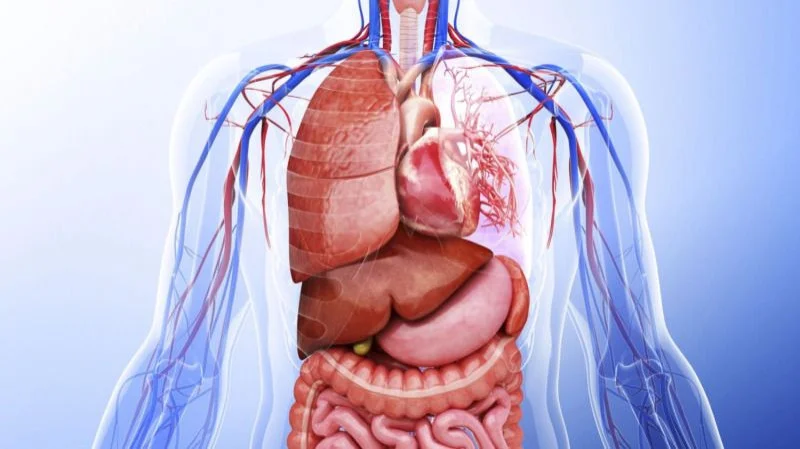
There is no single “best” immune therapy for everyone.
Before recommending immunotherapy for cancer, doctors may consider:
- Cancer type and subtype
- Stage and location
- Tumor biomarkers
- Genetic test results
- Previous treatments
- Autoimmune conditions
- Organ function
- Overall health
- Available clinical trials
From a practical patient perspective, one of the most useful questions to ask is:
“What feature of my cancer makes this treatment a good option for me?”
That question encourages a more specific conversation about evidence, biomarkers, expected benefits, and risks.
Conclusion: Understanding the Types of Immunotherapy
The types of immunotherapy used in cancer treatment are far more varied than the term first suggests.
Checkpoint inhibitors remove signals that hold immune cells back. CAR T-cell therapy engineers a patient’s own T cells. TIL therapy expands immune cells already capable of recognizing the tumor. Cancer vaccines help teach immune cells what to target, while immune modulators strengthen or change immune activity.
Moreover, the science keeps advancing.
Recent 2026 developments show that immune-based treatment continues to move into new combinations and earlier stages of care.
However, newer does not automatically mean better for every person. The most effective choice depends on the specific biology of the cancer, available evidence, treatment goals, and the patient’s health.
Understanding these differences can help patients ask better questions and participate more confidently in treatment decisions.
Frequently Asked Questions
What is the most common type of cancer immune therapy?
Checkpoint inhibitors are among the most widely used immune-based cancer drugs. They target pathways such as PD-1, PD-L1, or CTLA-4 and can be used across several cancer types.
Which cancers respond best to immune treatment?
Responses vary greatly. Checkpoint therapy has produced important benefits in cancers such as melanoma, lung, bladder, kidney, and several other tumors, but results depend heavily on cancer biology and treatment setting.
Is immune therapy safer than chemotherapy?
Not necessarily. The side effects are different rather than automatically milder. Checkpoint therapy can cause immune-related inflammation, while chemotherapy commonly affects rapidly dividing healthy cells.
How long can immune treatment keep working?
Some patients have durable responses lasting years, while others receive little benefit or develop resistance. Individual outcomes depend on the cancer, treatment, biomarkers, and other clinical factors.
Can different immune therapies be combined?
Yes. Researchers and doctors increasingly use combinations in selected cancers. Combinations may improve cancer control in some settings, although they can also increase side effects and require careful monitoring.
⭐ Make MindLiva Your Preferred Source on Google
Get trusted health, wellness, and lifestyle articles from MindLiva.
Add MindLiva
Samie Babaei is a medical science student at Shahid Beheshti University of Medical Sciences with a strong interest in health, wellness, and medical research. As a health writer and researcher at MindLiva, she focuses on creating clear, evidence-based content that helps readers better understand health and well-being.