



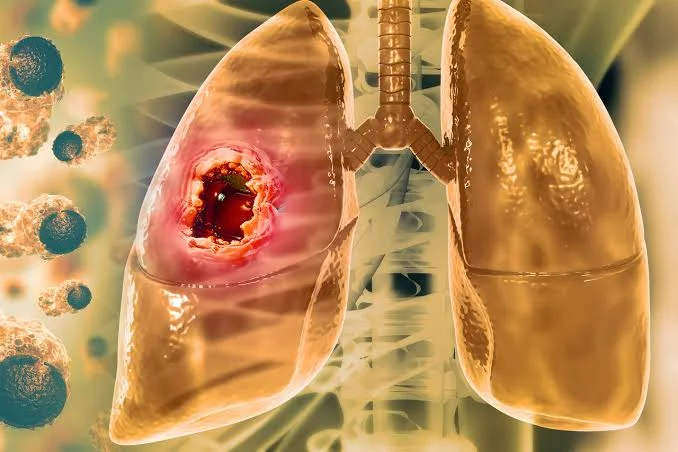
Stage 4 Lung Cancer Immunotherapy Life Expectancy 2026
Being told that lung cancer has reached stage 4 can make survival statistics feel suddenly personal. Patients and families often want one clear number: How much time is left? Unfortunately, modern lung cancer treatment does not fit neatly into a single prediction.
When discussing stage 4 lung cancer immunotherapy life expectancy, the first thing to understand is that population statistics are not personal deadlines. Current U.S. SEER data show a 10.5% five-year relative survival rate for lung and bronchus cancers diagnosed at a distant stage, based on people diagnosed from 2016 through 2022. However, that figure combines different lung cancer types, patient groups, and treatments.
Clinical trials tell another part of the story. In selected metastatic non-small cell lung cancer patients, modern checkpoint-based treatments have produced five-year survival rates approaching 20% or higher in some groups.
The key question is therefore not simply, “What is the average?” It is which factors make one person’s outlook different from that average.
Stage 4 Lung Cancer Immunotherapy Life Expectancy: What Do the Numbers Mean?
Before comparing survival numbers, it helps to understand the terms doctors and researchers use.
Median overall survival is the point at which half of the patients in a study are still alive and half have died. It does not mean every patient will live exactly that long.
A five-year survival rate, meanwhile, describes how many people in a group remain alive five years after diagnosis or treatment.
These measures are useful for comparing therapies, but neither predicts exactly what will happen to one person.
For example, SEER currently reports that distant-stage lung and bronchus cancer has a five-year relative survival rate of 10.5%. More than half—about 51%—of lung cancers in the SEER data were diagnosed after distant spread.
However, these population statistics include people who may not have been eligible for modern checkpoint therapy, people with different tumor biology, and patients treated in earlier years.
That is why newly diagnosed patients should avoid treating an online survival percentage as an expiration date.
Why Stage 4 Lung Cancer Is Not One Disease
One reason survival estimates vary so much is that “stage 4 lung cancer” includes biologically different diseases.
The two broad categories are:
- Non-small cell lung cancer (NSCLC)
- Small cell lung cancer (SCLC)
NSCLC makes up most lung cancers and includes adenocarcinoma, squamous cell carcinoma, and other forms. Stage IV NSCLC may now be treated with checkpoint drugs, chemotherapy combinations, targeted therapies, or other systemic treatments depending on tumor features. NCI identifies checkpoint-based treatment as an important option for advanced NSCLC.
SCLC behaves differently. NCI reports that extensive-stage SCLC has historically had a median survival of roughly 6 to 12 months with available therapy, although treatment options have evolved and immune checkpoint drugs are now part of care for many patients.
Therefore, comparing an NSCLC patient’s survival estimate with an SCLC statistic can be highly misleading.
How Does Immunotherapy Work in Stage 4 Lung Cancer?
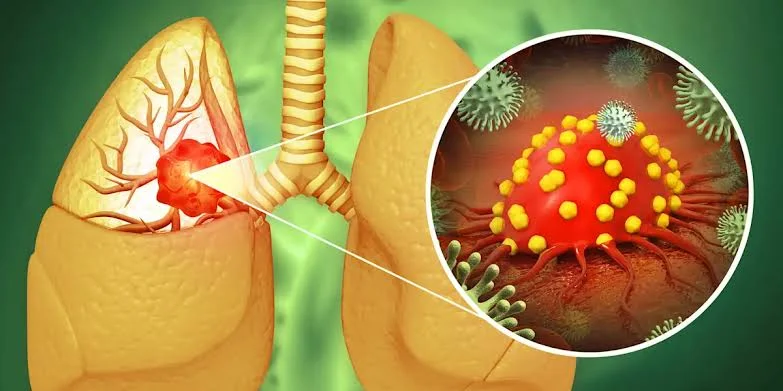
A common question is how does immunotherapy work when the cancer developed from the body’s own cells.
Cancer cells can take advantage of natural immune checkpoints that normally prevent the immune system from attacking healthy tissue. One important pathway involves PD-1 and PD-L1.
Checkpoint drugs block these signals. In simple terms, they can release a biological “brake” and allow T cells to recognize and attack tumor cells more effectively.
This treatment approach can be especially valuable because some patients develop durable responses that continue for years.
However, not everyone responds.
The immune system, tumor genetics, PD-L1 expression, prior treatment, overall health, and the tumor environment all influence the outcome.
What Clinical Trials Tell Us About Long-Term Survival
Perhaps the best way to understand modern survival is to look at major trials involving metastatic NSCLC.
Pembrolizumab Plus Chemotherapy
The KEYNOTE-189 trial studied patients with previously untreated metastatic nonsquamous NSCLC without certain EGFR or ALK alterations.
After five years, 19.4% of patients receiving pembrolizumab plus pemetrexed-platinum chemotherapy were alive, compared with 11.3% among patients receiving chemotherapy without pembrolizumab.
The difference was particularly notable in people with higher PD-L1 expression. In patients with PD-L1 tumor proportion scores above 50%, five-year overall survival was 29.6% in the pembrolizumab combination group versus 21.4% in the comparison group.
Those numbers do not mean every high-PD-L1 patient has a roughly 30% chance of surviving five years. Clinical trial participants are selected according to specific eligibility rules.
Still, the results show why survival statistics from the pre-checkpoint era may underestimate what is now possible for some patients.
Squamous NSCLC Results
The KEYNOTE-407 trial studied metastatic squamous NSCLC.
At five years, overall survival was 18.4% with pembrolizumab plus chemotherapy, compared with 9.7% with chemotherapy alone.
Again, the important point is not the exact percentage alone.
It is that a meaningful group of people with metastatic disease were alive five years after beginning treatment—an outcome that historically was much less common.
High PD-L1 Tumors
For selected advanced NSCLC patients with PD-L1 expression of at least 50% and without specific EGFR or ALK alterations, pembrolizumab alone has also produced meaningful survival improvements.
NCI reports a median overall survival of approximately 30 months with pembrolizumab versus 14.2 months with chemotherapy in follow-up from the KEYNOTE-024 study.
This demonstrates why biomarker testing can dramatically influence both treatment choice and expected outlook.
Factors That Can Improve or Reduce Life Expectancy
Two people with the same stage may have very different outcomes.
Several factors matter.
1. PD-L1 Expression
PD-L1 is one biomarker that can help doctors decide whether checkpoint treatment is likely to be useful.
Higher PD-L1 expression has been associated with better outcomes with certain checkpoint therapies in selected NSCLC settings. However, PD-L1 is not a perfect predictor, and patients with lower expression can still benefit from some combination regimens.
2. Genetic Mutations
Modern lung cancer care increasingly depends on molecular testing.
Changes involving genes such as EGFR, ALK, ROS1, HER2, MET, RET, BRAF, and KRAS can affect treatment choices. For some molecular subtypes, targeted treatment may be preferred over checkpoint therapy.
This remains a fast-moving area. For example, in 2026 the FDA expanded treatment options for metastatic HER2-mutated NSCLC with zongertinib and approved zidesamtinib for certain ROS1-positive NSCLC patients.
Therefore, asking only about immunotherapy for lung cancer without knowing the tumor’s molecular profile can leave out crucial information.
3. Overall Health and Performance Status
Doctors also assess how well a person can carry out normal daily activities.
Someone who remains active and has good organ function may tolerate intensive combination treatment more easily than someone who is very frail.
Performance status also affects eligibility for many clinical trials, so trial survival statistics may not perfectly reflect every real-world patient.
4. Where the Cancer Has Spread
Stage 4 disease can spread to the brain, bones, liver, adrenal glands, opposite lung, or other sites.
The amount and location of disease can influence symptoms, treatment options, and prognosis.
A patient with only a few metastatic sites may also be treated differently from someone with widespread progression.
5. Response to the First Months of Treatment
One of the most useful pieces of prognostic information often emerges after treatment begins.
If scans show major tumor shrinkage or stable disease and the treatment remains tolerable, the outlook can become different from the estimate made at diagnosis.
This is why survival predictions may change over time rather than remaining fixed from day one.
Can Immunotherapy Cure Stage 4 Cancer?

People commonly search can immunotherapy cure stage 4 cancer after reading stories about patients who remain cancer-free for years.
The answer requires careful wording.
Stage 4 lung cancer is usually treated as an advanced systemic disease rather than a cancer doctors can reliably promise to cure. However, checkpoint treatment has created a group of long-term survivors whose disease remains controlled for many years.
The KEYNOTE-189 data are particularly striking among the 57 patients who completed 35 cycles of pembrolizumab. Their objective response rate was 86%, and approximately 71.9% were alive around five years after randomization.
However, these patients were a highly selected subgroup who had already done well enough to complete two years of treatment. Their outcome should not be applied to everyone starting therapy.
Doctors therefore often use terms such as durable response, complete response, stable disease, and long-term disease control rather than promising a cure.
What Are the Main Types of Immune Treatment?
The types of immunotherapy used in lung cancer mainly include immune checkpoint inhibitors, especially drugs targeting PD-1 or PD-L1.
Common checkpoint medicines used in lung cancer treatment strategies include pembrolizumab, nivolumab, atezolizumab, durvalumab, and cemiplimab, depending on the exact diagnosis and clinical setting. NCI’s NSCLC treatment guidance includes several checkpoint-based first-line options for advanced disease.
Some treatments are used alone when biomarkers support that approach.
Others are combined with:
- Platinum chemotherapy
- Pemetrexed
- Paclitaxel or nab-paclitaxel
- A second checkpoint inhibitor
- Other anticancer medicines
The combination selected depends heavily on tumor subtype and molecular testing.
Side Effects Can Affect Treatment
The side effects of immunotherapy for lung cancer are different from traditional chemotherapy effects because excessive immune activity can sometimes attack healthy organs.
Possible problems include fatigue, rash, thyroid disorders, diarrhea, pneumonitis, hepatitis, and colitis. In the KEYNOTE-024 data summarized by NCI, serious immune-related events included severe skin reactions, pneumonitis, and colitis.
Most patients will not experience every serious reaction.
However, new breathing difficulty, persistent diarrhea, severe weakness, jaundice, chest pain, or rapidly worsening symptoms should be reported promptly to the treating team.
Managing toxicity early can help reduce complications and, in some cases, allow cancer treatment to continue safely.
Immunotherapy for Cancer Is Only One Part of Precision Medicine
The wider field of immunotherapy for cancer has changed expectations across several tumor types, but lung cancer also illustrates why precision medicine matters.
In 2026, FDA approvals continued expanding targeted treatments for molecularly defined metastatic NSCLC. This reinforces an important point: a new stage 4 diagnosis should usually trigger detailed biomarker testing rather than automatically leading to the same treatment for everyone.
For some tumors, checkpoint treatment is central.
For others, a targeted drug may make more biological sense.
Treatment may also change as cancer develops resistance.
Why Comparisons With Other Cancers Can Be Misleading
Patients researching immune therapy may encounter information about breast cancer immunotherapy or immunotherapy for liver cancer and wonder whether the same survival results apply to lung cancer.
They do not.
Different cancers have different biology, biomarkers, drug approvals, and response patterns.
Even two lung cancers can behave very differently depending on histology and molecular changes.
Similarly, oral immunotherapy commonly refers to allergy desensitization and should not be confused with standard immune checkpoint treatment for metastatic lung cancer.
The exact drug name and disease setting matter far more than the broad treatment label.
Stage 4 Lung Cancer Immunotherapy Life Expectancy in 2026
So where does the evidence leave patients today?
The current SEER benchmark says distant-stage lung and bronchus cancer has a 10.5% five-year relative survival rate, based on 2016–2022 diagnosis data.
Yet major metastatic NSCLC trials demonstrate better long-term results in selected groups:
- 19.4% five-year survival with pembrolizumab plus chemotherapy in metastatic nonsquamous NSCLC.
- 18.4% five-year survival with pembrolizumab plus chemotherapy in metastatic squamous NSCLC.
- 29.6% five-year survival in one high-PD-L1 subgroup receiving the pembrolizumab combination.
These are trial populations, not promises.
Still, they show why a single general statistic cannot describe today’s metastatic lung cancer landscape.
A More Useful Way to Think About Prognosis
Instead of asking only, “How long do people with stage 4 lung cancer live?” consider asking the oncology team:
- Is my cancer NSCLC or SCLC?
- What is my PD-L1 level?
- Has comprehensive molecular testing been performed?
- Do I have a targetable mutation?
- Is checkpoint treatment appropriate for my tumor?
- What did clinical trials show for patients similar to me?
- How will my first scans change the prognosis?
This approach turns a broad survival statistic into a much more personalized discussion.
A useful personal insight when reading cancer statistics is to focus on ranges and predictors rather than one average number. A median describes a group. It cannot tell you where an individual patient will fall within that group.
Conclusion
Understanding stage 4 lung cancer immunotherapy life expectancy requires balancing realism with the progress made in modern oncology.
Stage 4 lung cancer remains serious, and population survival remains low. Current SEER data show a 10.5% five-year relative survival rate for distant lung and bronchus cancer.
However, selected metastatic NSCLC patients treated with checkpoint-based combinations have achieved five-year survival rates around 18% to 19%, with even higher figures in some biomarker-defined groups.
Moreover, treatment is becoming increasingly personalized as doctors combine PD-L1 testing with comprehensive tumor sequencing.
In short, stage 4 is not one prognosis.
The cancer subtype, genetic profile, immune markers, health status, sites of spread, response to treatment, and access to newer therapies can all change the outlook.
For patients and families, the most useful next step is to discuss the specific pathology and biomarker results with a thoracic oncology team rather than relying on a general survival calculator.
Frequently Asked Questions
How long can someone live with stage 4 lung cancer on immune therapy?
There is no fixed limit. Some patients experience progression within months, while others respond for years. In major metastatic NSCLC trials, a meaningful minority of checkpoint-treated patients remained alive at five years.
Can stage 4 lung cancer go into remission?
Yes, some patients can experience major or even complete responses. However, doctors generally remain cautious about calling metastatic lung cancer cured because the disease can later return.
Does high PD-L1 mean a better prognosis?
High PD-L1 can make certain checkpoint treatments more effective in selected NSCLC patients, but it is not a guarantee. Other tumor and patient factors still influence survival.
Is immune therapy better than chemotherapy for stage 4 lung cancer?
It depends on the tumor. Some patients receive checkpoint treatment alone, while many receive it combined with chemotherapy. Molecularly targeted treatment may be preferred when certain driver alterations are present.
How soon can doctors tell whether treatment is working?
Doctors usually assess response with scheduled imaging and clinical evaluation after treatment begins. The exact timing depends on the regimen and individual situation, and early results can provide more useful prognostic information than diagnosis statistics alone.
⭐ Make MindLiva Your Preferred Source on Google
Get trusted health, wellness, and lifestyle articles from MindLiva.
Add MindLiva
Samie Babaei is a medical science student at Shahid Beheshti University of Medical Sciences with a strong interest in health, wellness, and medical research. As a health writer and researcher at MindLiva, she focuses on creating clear, evidence-based content that helps readers better understand health and well-being.