



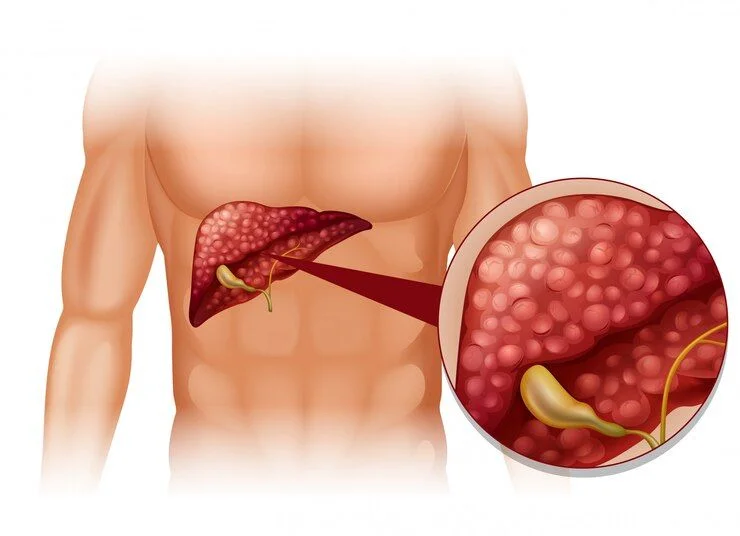
Benefits of Immunotherapy for Liver Cancer Patients Today
What happens when liver cancer can no longer be removed with surgery, treated with a transplant, or controlled with local procedures?
Until recently, systemic treatment choices were relatively limited. Today, immunotherapy for liver cancer has changed that picture, particularly for hepatocellular carcinoma, or HCC—the most common primary liver cancer in adults. Immune checkpoint medicines are now part of several first-line treatment combinations for unresectable or metastatic disease.
Progress is still moving quickly. In April 2025, the FDA approved nivolumab plus ipilimumab as a first-line treatment for adults with unresectable or metastatic HCC, giving oncologists another evidence-based option.
However, these medicines are not right for every patient. Liver function, tumor stage, bleeding risk, previous treatments, autoimmune conditions, and overall health all matter.
This guide explains the benefits, major treatment combinations, possible side effects, and new research shaping liver cancer care today.
Why Immunotherapy for Liver Cancer Matters
Liver cancer remains a major health challenge. The National Cancer Institute’s SEER program estimates 42,340 new U.S. cases of liver and intrahepatic bile duct cancer and 30,980 deaths in 2026.
HCC accounts for the great majority of primary liver cancers. It often develops in people who already have chronic liver damage, making treatment more complicated than treating a tumor in an otherwise healthy organ.
Common risk factors include:
- Cirrhosis
- Chronic hepatitis B infection
- Chronic hepatitis C infection
- Heavy alcohol use
- Metabolic liver disease
- Certain environmental exposures
Cirrhosis is especially important because scarred liver tissue may already have limited function before cancer treatment begins.
Therefore, doctors must often treat two problems at the same time: the cancer and the underlying liver disease.
That makes treatment selection highly individual.
How Does Immunotherapy Work in Liver Cancer?
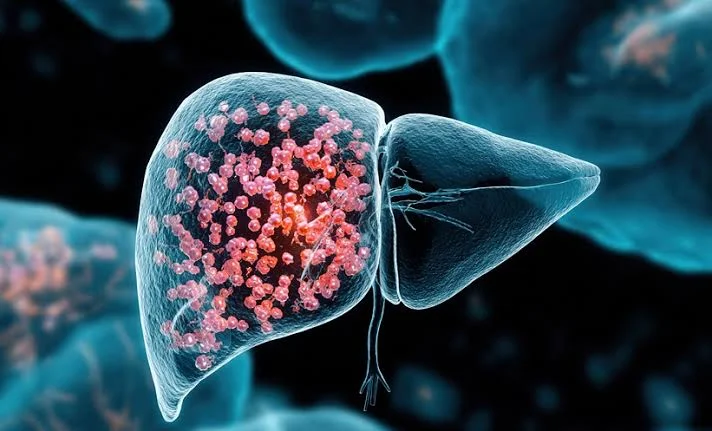
People often ask how does immunotherapy work when first hearing about checkpoint medicines.
The immune system can recognize abnormal cells. However, cancer cells sometimes develop ways to escape that response.
One important mechanism involves immune checkpoints.
These checkpoints normally stop immune cells from becoming overly aggressive and damaging healthy tissue. Cancer can take advantage of the same safety system to reduce an immune attack.
Checkpoint medicines interfere with signals such as PD-1, PD-L1, and CTLA-4, allowing T cells to remain more active against tumor cells.
This does not mean treatment simply makes the entire immune system stronger. Instead, it changes specific biological signals that help cancer hide from immune defenses. NCI lists immune checkpoint inhibitors among the systemic treatments used for liver cancer.
That difference matters because releasing immune “brakes” can help fight cancer, but it can also lead immune cells to attack healthy organs.
The Main Benefits of Immunotherapy for Liver Cancer
The value of immune checkpoint treatment is not based on one single advantage.
For selected patients, it can change both how long cancer stays controlled and how long patients live.
1. Longer survival for some patients
One of the strongest benefits is improved overall survival in major clinical trials.
In the CheckMate-9DW study, first-line nivolumab plus ipilimumab was compared with lenvatinib or sorafenib in patients with unresectable or metastatic HCC.
Median overall survival was 23.7 months with nivolumab plus ipilimumab versus 20.6 months with lenvatinib or sorafenib. The trial demonstrated a statistically significant survival advantage, leading to FDA approval on April 11, 2025.
These numbers describe groups of patients rather than predicting exactly how long any individual will live.
Still, the improvement is clinically meaningful because advanced HCC has historically been difficult to control.
2. Some responses can last
A feature that makes immune checkpoint therapy particularly interesting is the possibility of a durable response.
Some tumors that respond can remain controlled for meaningful periods, even though not every patient benefits.
This differs from simply measuring whether a tumor becomes smaller at the next scan. Doctors also care about how long that response lasts.
However, durable control should not be confused with a guaranteed cure.
3. More first-line treatment choices
For years, sorafenib was a central systemic option for advanced HCC. Today, treatment selection is much broader.
Current approaches can include checkpoint-based combinations such as:
- Atezolizumab plus bevacizumab
- Durvalumab plus tremelimumab
- Nivolumab plus ipilimumab
Each combination works differently and has its own risks, benefits, and eligibility considerations.
This gives specialists more flexibility to match therapy to an individual patient.
4. Different mechanisms can be combined
Another advantage is the ability to attack cancer in more than one way.
For example, atezolizumab blocks PD-L1, while bevacizumab targets VEGF, a protein involved in forming blood vessels that tumors use to grow.
The strategy therefore combines immune checkpoint activity with inhibition of tumor blood-vessel development.
Likewise, nivolumab and ipilimumab target two different immune checkpoints—PD-1 and CTLA-4.
These combinations illustrate a major trend in modern oncology: using complementary treatments instead of relying on one pathway alone.
The Atezolizumab and Bevacizumab Combination
Atezolizumab plus bevacizumab was a major turning point in advanced HCC treatment.
The FDA approved the combination in 2020 for patients with unresectable or metastatic HCC who had not previously received systemic therapy.
Atezolizumab blocks PD-L1, helping immune cells maintain their ability to attack cancer.
Bevacizumab targets VEGF and can reduce the formation of blood vessels that tumors need.
Why bleeding risk needs special attention
Bevacizumab can increase bleeding risk.
This matters in liver cancer because patients with cirrhosis may develop portal hypertension and enlarged veins known as esophageal or gastric varices.
As a result, the treatment team may need to assess bleeding risk before choosing a bevacizumab-containing regimen.
This is a good example of why liver cancer treatment cannot be chosen based only on tumor size or stage.
The health of the liver and surrounding blood vessels matters too.
Durvalumab Plus Tremelimumab
Another major option is durvalumab combined with tremelimumab.
The FDA-approved regimen uses a single priming dose of tremelimumab together with durvalumab, followed by durvalumab at regular intervals for adults with unresectable HCC.
The drugs target different immune checkpoints.
Durvalumab blocks PD-L1, while tremelimumab targets CTLA-4.
Using both pathways is designed to create a stronger antitumor immune response.
An important practical difference is that this regimen does not include an anti-VEGF medicine such as bevacizumab.
Therefore, the balance of benefits and risks may differ from the atezolizumab-bevacizumab strategy.
Nivolumab Plus Ipilimumab: A Major Newer Option
One of the most important recent developments came on April 11, 2025, when the FDA expanded nivolumab plus ipilimumab into first-line treatment for adults with unresectable or metastatic HCC.
Nivolumab targets PD-1.
Ipilimumab targets CTLA-4.
The CheckMate-9DW trial included patients who had not previously received systemic treatment for advanced disease. As noted earlier, median overall survival reached 23.7 months with the combination compared with 20.6 months with lenvatinib or sorafenib.
The combination can produce immune-related side effects, so the decision involves more than choosing the regimen with the newest approval.
Doctors must consider:
- Liver function
- Tumor burden
- Previous medical conditions
- Autoimmune history
- Performance status
- Potential treatment toxicity
- Patient preferences
From a patient-education perspective, this is one of the most important insights: having more choices does not mean one treatment is automatically best for everyone.
Who May Benefit From Immunotherapy for Liver Cancer?
Most established checkpoint-based combinations are used for unresectable or advanced HCC.
“Unresectable” means the cancer cannot be safely removed through surgery.
That may happen because tumors are too large, there are several tumors, important blood vessels are involved, or liver function makes surgery unsafe.
Doctors generally evaluate several factors before recommending systemic therapy.
Liver function
Many patients with HCC also have cirrhosis.
For that reason, liver function is central to treatment planning. People with severely reduced liver function may not tolerate the same therapies used in patients whose liver remains relatively well compensated.
Cancer stage
Early HCC may be treated with potentially curative approaches such as:
- Surgical removal
- Liver transplantation
- Tumor ablation
NCI notes that surgery and transplantation provide the best outcomes for appropriately selected patients with localized disease.
Therefore, systemic immune treatment does not replace surgery or transplantation when those options are appropriate.
Overall health
Kidney function, cardiovascular disease, autoimmune disorders, bleeding risk, and other medical problems may influence treatment choice.
That is why advanced HCC is often best managed by a multidisciplinary team that may include medical oncologists, hepatologists, surgeons, interventional radiologists, radiation oncologists, and transplant specialists.
What About Intermediate-Stage Liver Cancer?
One of the most interesting new areas involves combining systemic medicines with a local liver procedure known as TACE, or transarterial chemoembolization.
TACE uses a catheter to deliver treatment directly to the tumor’s blood supply while reducing blood flow to the cancer.
It has long been used for many patients with intermediate-stage HCC.
However, recent clinical trials suggest that adding checkpoint and blood-vessel-targeting medicines may improve results.
In March 2025, NCI highlighted results from the LEAP-012 and EMERALD-1 trials, which studied TACE combined with systemic drugs. Both showed improved progression-related outcomes compared with traditional approaches in selected patients.
For example, LEAP-012 evaluated TACE with pembrolizumab and lenvatinib.
EMERALD-1 tested TACE with durvalumab and bevacizumab.
These results suggest that the boundary between “local” and “systemic” liver cancer therapy is becoming less rigid.
However, not every combination studied in a successful trial is automatically the standard treatment for every patient. Regulatory approvals, clinical guidelines, liver function, tumor pattern, and local expertise still matter.
Can Immunotherapy Cure Advanced Liver Cancer?
Many patients understandably search can immunotherapy cure stage 4 cancer after reading stories about remarkable responses.
For metastatic HCC, cure is generally not the expected outcome of systemic checkpoint treatment.
Treatment is more often aimed at:
- Shrinking tumors
- Slowing cancer growth
- Extending survival
- Reducing symptoms
- Maintaining quality of life
- Producing long-lasting disease control when possible
Some patients respond very well, while others do not respond at all.
Meanwhile, potentially curative treatments such as surgical resection and liver transplantation are mainly options for carefully selected patients with localized disease.
Therefore, dramatic individual stories should never be treated as a prediction for another patient’s outcome.
Side Effects Patients Should Understand
The main challenge with immunotherapy is that activating immune responses against cancer can also cause inflammation in healthy tissue.
Possible immune-related problems can involve the:
- Liver
- Lungs
- Colon
- Thyroid
- Pituitary gland
- Kidneys
- Skin
- Pancreas
- Other organs
This issue deserves particular attention in HCC because the liver may already be damaged before treatment starts.
For example, the FDA prescribing information for tremelimumab plus durvalumab reports immune-mediated hepatitis among the recognized serious adverse reactions.
Symptoms that deserve prompt medical attention
Patients should contact their care team about significant new symptoms such as:
- Yellow skin or eyes
- Dark urine
- Severe fatigue
- Persistent diarrhea
- New shortness of breath
- Severe abdominal pain
- Persistent vomiting
- Major skin rash
- Unusual confusion
- Significant headaches
- Rapid changes in overall health
Some reactions may require treatment to be delayed or stopped.
Doctors may also use corticosteroids or other medicines to suppress an excessive immune reaction when necessary.
The key message is simple: do not wait for the next scheduled appointment to report a serious new symptom.
Is Immunotherapy Better Than Targeted Therapy?

There is no universal answer.
Targeted medicines such as lenvatinib and sorafenib remain important parts of HCC treatment.
Checkpoint-based combinations have changed first-line care because randomized trials have demonstrated survival benefits for several strategies. However, targeted therapy may still be appropriate depending on previous treatment, medical conditions, availability, and individual risk.
The goal is not to choose the newest medicine.
The goal is to choose the treatment with the most favorable benefit-risk balance for that individual patient.
Why Liver Cancer Immune Therapy Is Different From Other Cancers
Immunotherapy for cancer covers many different diseases and treatment strategies.
For example, immunotherapy for lung cancer has established roles in early-stage, stage III, and metastatic disease. Treatment selection may depend heavily on PD-L1 expression and genetic mutations.
Likewise, breast cancer immunotherapy is mainly established in selected triple-negative breast cancer settings.
People researching the side effects of immunotherapy for lung cancer may find similar immune-related reactions, but the underlying disease, drug combinations, and baseline organ risks are different.
Even oral immunotherapy usually refers to food-allergy desensitization and has nothing to do with checkpoint therapy for HCC.
Therefore, patients should use information written specifically for their cancer rather than assuming the same rules apply across different diseases.
Understanding the Types of Immunotherapy Being Studied
Among the types of immunotherapy being explored in cancer care, checkpoint inhibitors currently have the strongest established role in HCC.
However, researchers are investigating additional strategies such as:
- New checkpoint targets
- Cancer vaccines
- Engineered immune cells
- Bispecific antibodies
- Combination immune treatments
- Immune drugs combined with local procedures
- New biomarkers that predict response
NCI currently lists active clinical trials testing new treatment combinations for unresectable and metastatic HCC, including studies involving durvalumab and investigational medicines.
These studies are important, but experimental therapies should never be presented as proven standard care until the evidence and regulatory status support that conclusion.
Why Early Detection Still Matters
The growth of systemic treatment should not distract from another critical point: finding HCC early can create more opportunities for curative treatment.
People with cirrhosis and certain chronic hepatitis infections are at increased risk.
Surveillance programs are therefore important for high-risk groups.
NCI is currently studying improved approaches to HCC detection, including the ongoing TRACER trial comparing standard surveillance using ultrasound and alpha-fetoprotein with a newer blood-marker-based strategy.
The practical lesson is that advanced therapies and early detection are not competing strategies.
They are two parts of the same goal: finding cancer when it is most treatable and providing effective options when it cannot be cured locally.
What Is Next for Liver Cancer Treatment?
One of the most exciting developments is the attempt to move immune therapy into earlier stages and combine it more intelligently with local treatment.
The 2025 TACE studies are an example.
Researchers are also examining better biomarkers to determine why some HCC tumors respond strongly while others resist checkpoint therapy. NCI continues to support studies exploring new combinations and ways to improve treatment selection.
In addition, 2026 clinical trials are testing new maintenance strategies after initial checkpoint combinations. For example, an active NCI-listed study is examining zanzalintinib with durvalumab in certain patients with unresectable or metastatic HCC whose disease has remained stable or improved following tremelimumab and durvalumab.
The future is likely to involve better sequencing and personalization, rather than simply giving more drugs to everyone.
Questions Patients Should Ask Their Cancer Team
Before starting treatment, consider asking:
- Is my liver cancer definitely hepatocellular carcinoma?
- Is surgery, ablation, or transplantation still possible?
- How well is my liver functioning?
- Which first-line systemic treatments fit my condition?
- Why do you recommend this combination instead of another?
- Do I need an evaluation for esophageal varices?
- What benefit was seen in clinical trials?
- Which side effects require immediate attention?
- How will we know whether treatment is working?
- Is a clinical trial appropriate for me?
These questions can help turn a complicated treatment discussion into a clearer shared decision.
Conclusion
Immunotherapy for liver cancer has transformed the treatment of advanced hepatocellular carcinoma.
Patients who once had relatively few systemic choices now have several checkpoint-based combinations, including atezolizumab plus bevacizumab, durvalumab plus tremelimumab, and, since April 2025, first-line nivolumab plus ipilimumab.
Meanwhile, researchers are exploring ways to combine systemic drugs with procedures such as TACE and to identify biomarkers that help predict who will benefit most.
However, successful liver cancer care is about more than attacking the tumor. Doctors must also protect an organ that may already be weakened by cirrhosis or chronic disease.
The most encouraging development is therefore not simply the arrival of new drugs. It is the growing ability to choose among several effective strategies and match treatment more closely to each patient’s cancer, liver function, and overall health.
FAQs
Is immune therapy effective for liver cancer?
Yes, checkpoint-based combinations can improve survival and tumor control in selected patients with unresectable or metastatic HCC. Effectiveness varies, so treatment must be individualized.
What is the newest major first-line HCC approval?
On April 11, 2025, the FDA approved nivolumab plus ipilimumab as first-line therapy for adults with unresectable or metastatic HCC based on CheckMate-9DW.
How long can immune treatment keep liver cancer under control?
There is no fixed duration. Some patients respond for meaningful periods, while others do not respond or eventually experience progression. Scans, blood tests, liver function, and symptoms are used to monitor treatment.
Can immune treatment damage the liver?
Yes. Checkpoint medicines can cause immune-mediated hepatitis. This is particularly important in HCC because many patients already have liver disease, so regular liver-function monitoring is essential.
Can early liver cancer be cured without immune treatment?
Sometimes. Surgery, liver transplantation, and local ablation can offer curative-intent treatment for carefully selected patients with localized HCC.
⭐ Make MindLiva Your Preferred Source on Google
Get trusted health, wellness, and lifestyle articles from MindLiva.
Add MindLiva
Samie Babaei is a medical science student at Shahid Beheshti University of Medical Sciences with a strong interest in health, wellness, and medical research. As a health writer and researcher at MindLiva, she focuses on creating clear, evidence-based content that helps readers better understand health and well-being.