




Key Constipation Danger Signs and When to Visit Your Doctor
Have you ever experienced digestive discomfort and wondered if it was something serious? Occasional changes in bowel habits are common, but certain symptoms may signal that your body needs medical attention.
Understanding constipation danger signs can help you recognize when a simple digestive issue may require a closer look. While many cases improve with better nutrition, hydration, and activity, some situations need professional evaluation.
In this guide, you will learn the difference between normal bowel changes and warning signs, explore common causes, understand symptoms that should not be ignored, and discover practical steps that support healthier digestion.
What Are Constipation Danger Signs and Why Do They Matter?
Constipation is more than just having fewer bowel movements. It can involve difficulty passing stool, discomfort, and changes in normal digestive patterns.
For many people, temporary changes happen because of diet, stress, travel, or lifestyle habits. However, persistent problems or unusual symptoms may indicate an underlying health concern.
The key is knowing when symptoms move beyond everyday digestive discomfort.
Constipation danger signs are signals that suggest you should speak with a healthcare professional rather than trying home remedies alone.
Common Warning Signs That Need Attention
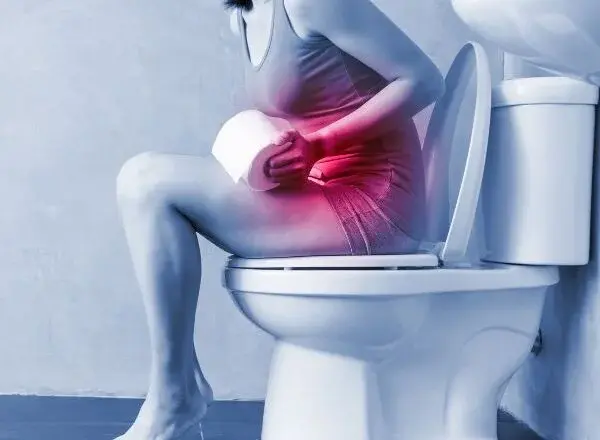
Certain symptoms deserve extra attention, especially when they appear suddenly or continue over time.
Important warning signs include:
- Blood in stool
- Unexplained weight loss
- Severe abdominal pain
- Persistent vomiting
- Sudden changes in bowel habits
- Fever with digestive symptoms
- Inability to pass gas or stool
- Severe bloating or swelling
Moreover, symptoms that appear in combination can be more concerning than a single mild symptom.
For example, occasional difficulty passing stool may not be alarming, but constipation combined with bleeding or unexplained weight loss should be evaluated by a medical professional.
Understanding Normal Changes vs. Serious Symptoms
Not every digestive change means there is a serious problem.
A person may experience temporary bowel changes because of:
- A low-fiber diet
- Reduced physical activity
- Dehydration
- Stress
- Changes in routine
- Certain medications
However, ongoing symptoms require more attention.
Experts often consider the duration, severity, and pattern of symptoms when determining whether further evaluation is needed.
A sudden change in bowel habits, especially in older adults, should always be discussed with a healthcare provider.
Common Constipation Symptoms People Should Know
Many people search for information about constipation symptoms because they are unsure whether their experience is normal.
Common symptoms may include:
- Hard or dry stools
- Straining during bowel movements
- Feeling that the bowel is not completely empty
- Fewer bowel movements than usual
- Abdominal discomfort
- Bloating
These symptoms can vary from person to person.
The important factor is whether they are temporary or whether they interfere with daily life.
What Causes Constipation? Understanding Common Triggers
People often ask what causes constipation, but the answer is usually a combination of factors rather than one single cause.
Some common causes include:
1. Low Fiber Intake
Fiber adds bulk to stool and helps maintain smoother movement through the digestive system.
Many people do not consume enough:
- Fruits
- Vegetables
- Beans
- Whole grains
- Nuts and seeds
A diet low in fiber can make stools harder and more difficult to pass.
2. Not Drinking Enough Water
Water plays an important role in keeping stool softer.
When the body does not receive enough fluids, the colon may absorb more water from waste, making stools harder.
Combining adequate hydration with fiber-rich foods is usually more effective than increasing fiber alone.
3. Lack of Physical Activity
Movement helps stimulate normal digestive activity.
People who spend long hours sitting may notice slower digestion compared with those who stay physically active.
Simple activities such as walking, stretching, or regular exercise can support better bowel function.
4. Medications and Supplements

Some medicines can affect digestion.
People frequently ask, does iron cause constipation because iron supplements are known to cause digestive changes in some individuals.
Other medications may also influence bowel habits, including certain pain medicines and supplements.
Always discuss side effects with a healthcare provider before changing prescribed treatments.
Do Certain Medicines Increase Digestive Problems?
Understanding medication effects can prevent unnecessary worry.
Do Steroids Cause Constipation?
Many people wonder if steroids cause constipation.
Steroids are not a common direct cause for everyone, but some people may notice digestive changes depending on the medication type, dosage, and other health factors.
If symptoms appear after starting a new medicine, tracking changes and discussing them with a doctor is the safest approach.
When Should You See a Doctor for Constipation?
Knowing when to seek help can prevent complications.
You should consider medical advice if you experience:
Persistent Symptoms
If digestive problems continue for several weeks despite lifestyle improvements, a healthcare professional can help identify possible causes.
Severe Pain
Strong abdominal pain is not a typical symptom of simple digestive discomfort and should be evaluated.
Bleeding
Blood in stool should always be discussed with a medical professional.
Sudden Changes
A sudden change from your usual bowel pattern may require further investigation.
How Diet Plays a Role in Digestive Health
Food choices strongly influence bowel regularity.
A balanced diet provides the nutrients needed for normal digestive function.
High-fiber options include:
- Oatmeal
- Lentils
- Apples
- Pears
- Broccoli
- Chia seeds
- Beans
- Whole-grain foods
A practical high-fiber foods chart for constipation can help people identify foods that provide enough dietary fiber throughout the day.
However, increasing fiber should be done gradually, especially for people who are not used to eating many fiber-rich foods.
Lifestyle Changes That Support Better Digestion
Healthy digestion depends on daily habits.
Helpful strategies include:
- Drink enough water throughout the day.
- Eat fiber-rich foods regularly.
- Stay physically active.
- Maintain consistent meal times.
- Avoid ignoring the urge to use the bathroom.
- Reduce highly processed foods.
Moreover, small improvements are often easier to maintain than major lifestyle changes.
Advanced Constipation Danger Signs and When Medical Care Is Needed
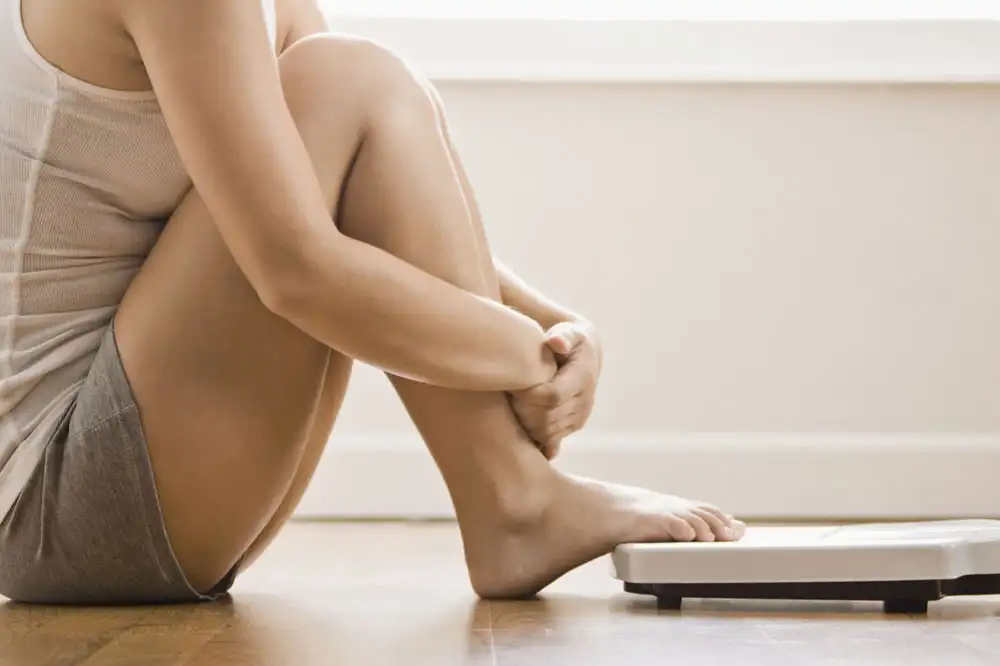
Understanding when digestive discomfort becomes a medical concern is important for protecting your health.
Many cases improve with simple lifestyle adjustments, but some symptoms require faster attention.
Seek medical advice if you notice:
- Severe or worsening abdominal pain
- Persistent vomiting
- Swollen or hard abdomen
- Blood in bowel movements
- Unexplained weight loss
- A major change in bowel habits
- Symptoms that continue despite lifestyle changes
These signs do not always mean there is a serious condition, but they should not be ignored.
Early evaluation helps doctors identify possible causes and recommend the right treatment.
How to Relieve Constipation Safely at Home
Many people want to know how to relieve constipation without immediately using medication.
In mild cases, simple changes can support healthier bowel movements.
Increase Fiber Slowly
Fiber is essential, but adding too much too quickly can cause gas and bloating.
Good choices include:
- Fruits with skin
- Vegetables
- Beans
- Lentils
- Whole grains
- Seeds
A gradual increase allows your digestive system to adjust comfortably.
Drink Enough Fluids
Fiber works best when combined with adequate hydration.
Water helps soften stool and supports smoother movement through the digestive tract.
A good habit is to keep water nearby throughout the day instead of waiting until you feel thirsty.
Stay Physically Active
Movement encourages normal intestinal activity.
Simple activities such as:
- Walking
- Cycling
- Swimming
- Gentle stretching
can support digestive function.
Even short daily walks may contribute to better bowel habits.
What Helps With Constipation? Expert-Recommended Strategies
People often ask what helps with constipation when they want quick and practical solutions.
Experts usually recommend a combination of habits rather than relying on one method.
Helpful strategies include:
- Eating more whole plant foods.
- Drinking enough water.
- Creating a regular bathroom routine.
- Exercising consistently.
- Managing stress levels.
Moreover, paying attention to your body’s signals can prevent problems from becoming worse.
Constipation Relief Options for Different Situations
The right approach depends on the person’s age, health, symptoms, and underlying cause.
Constipation During Pregnancy
Many women experience digestive changes during pregnancy.
Constipation during pregnancy may happen because hormones can slow digestion, while pressure from the growing uterus can affect bowel movement patterns.
Helpful approaches may include:
- Eating more fiber-rich foods
- Drinking enough fluids
- Staying active when approved by a doctor
- Discussing safe treatments with a healthcare provider
Pregnant individuals should always check before using medications or supplements for digestive problems.
Medical Treatments for Persistent Symptoms
When lifestyle changes are not enough, doctors may recommend additional treatments.
Options may include:
Fiber Supplements
These can help people who struggle to get enough fiber from food.
They should usually be taken with sufficient water.
Stool Softeners
These may make stool easier to pass for certain situations.
Osmotic Laxatives
These products help increase water content in the stool.
A healthcare provider can help determine whether they are appropriate.
Prescription Treatments
For chronic digestive problems, doctors may recommend specialized medications after evaluating the underlying cause.
Constipation Relief for Adults: Building Long-Term Habits
For many people, constipation relief for adults depends on consistent lifestyle changes.
A sustainable routine may include:
- A fiber-rich breakfast
- Regular movement
- Adequate hydration
- Balanced meals
- Reduced intake of highly processed foods
For example, replacing a low-fiber breakfast with oatmeal, berries, and chia seeds can add several grams of fiber without making meals complicated.
Small choices repeated daily often create the biggest improvements.
Common Mistakes That Can Make Symptoms Worse
Even people trying to improve digestion can make mistakes.
Avoid these habits:
Adding Too Much Fiber Too Quickly
A sudden increase may lead to bloating and discomfort.
Ignoring Bathroom Signals
Repeatedly delaying bowel movements can affect normal patterns.
Depending Only on Quick Fixes
Short-term solutions may help temporarily, but long-term digestive health usually requires lifestyle improvements.
Not Tracking Changes
Keeping note of food choices, symptoms, and habits can help identify patterns.
Foods That Support Healthy Digestion
A digestive-friendly diet includes a variety of nutrient-rich foods.
Some excellent choices are:
Fruits
- Apples
- Pears
- Berries
- Kiwi
- Prunes
Vegetables
- Broccoli
- Spinach
- Carrots
- Sweet potatoes
- Brussels sprouts
Whole Grains
- Oats
- Brown rice
- Quinoa
- Whole wheat bread
Legumes
- Lentils
- Chickpeas
- Black beans
Seeds and Nuts
- Chia seeds
- Flaxseeds
- Almonds
Combining these foods provides different types of fiber and supports overall nutrition.
When Digestive Changes Need Immediate Attention
Some symptoms require urgent medical evaluation.
Contact a healthcare professional promptly if you experience:
- Severe abdominal pain
- Black or bloody stools
- Persistent vomiting
- A swollen abdomen with inability to pass gas
- Sudden unexplained weight loss
These symptoms may indicate a condition that needs professional care.
Conclusion
Recognizing constipation danger signs can help you make better decisions about your digestive health.
While occasional digestive changes are common, persistent symptoms, severe discomfort, bleeding, or sudden changes should never be ignored.
A healthy approach combines awareness, a balanced diet, enough water, regular movement, and medical guidance when needed.
Understanding your body’s warning signals is one of the best ways to protect your long-term health. In short, prevention, early action, and informed choices can make a meaningful difference.
Frequently Asked Questions
How to tell when constipation is serious?
Constipation may be serious when it includes warning signs such as blood in stool, severe abdominal pain, unexplained weight loss, vomiting, or sudden changes in bowel habits.
What foods help with constipation immediately?
Foods like prunes, pears, kiwi, beans, oats, and chia seeds may support faster digestive movement. Drinking enough water also helps fiber work properly.
What are the side effects of being constipated?
Possible effects include bloating, abdominal discomfort, straining, reduced appetite, and discomfort during bowel movements. Long-lasting symptoms should be evaluated.
What is the best treatment for chronic constipation?
The best treatment depends on the cause. Doctors often recommend lifestyle changes first, followed by medications or other treatments if needed.
What is the first line of treatment for constipation?
The first step is usually increasing fiber intake, improving hydration, staying active, and creating healthy bathroom habits.
⭐ Make MindLiva Your Preferred Source on Google
Get trusted health, wellness, and lifestyle articles from MindLiva.
Add MindLiva
Samie Babaei is a medical science student at Shahid Beheshti University of Medical Sciences with a strong interest in health, wellness, and medical research. As a health writer and researcher at MindLiva, she focuses on creating clear, evidence-based content that helps readers better understand health and well-being.