



Understanding Stage 4 Melanoma: Symptoms and Early Signs
What does it mean when a doctor says cancer has reached stage IV? The words can feel frightening, especially when a person has few symptoms or believed an earlier skin lesion had already been treated.
Stage 4 melanoma means cancer cells have traveled beyond the original area and nearby lymph nodes to a distant part of the body. Modern treatment, however, has changed the outlook. Immunotherapy, mutation-guided drugs, focused radiation, surgery for selected tumors, and newer cell therapy can control advanced disease in some patients for meaningful periods.
This article explains where the cancer may spread, which symptoms can appear, how doctors confirm the stage, and how current treatments are selected. It also explains survival statistics in context, so readers can use them as general information rather than a personal prediction.
What Does Stage 4 Melanoma Mean?
Cancer staging describes how far a disease has moved from its starting point. In stage IV, abnormal cells have reached distant skin, soft tissue, lymph nodes, or organs such as the lungs, liver, brain, spinal cord, digestive tract, bones, or muscles.
The cancer keeps the identity of its original cells after it spreads. For example, a tumor found in the lung is not automatically lung cancer when it developed from pigment-producing cells in the skin. Doctors treat it according to its original cancer type.
The phrase metastatic melanoma is commonly used for this stage. However, each case is different. One patient may have a single distant tumor that can be treated locally, while another may have disease in several organs that requires whole-body treatment.
How Stage IV Differs from Earlier Disease
In early stage melanoma, the tumor is usually limited to the original skin site and may often be removed surgically. Regional disease has reached nearby lymph nodes or nearby skin channels but has not yet been found in distant organs.
Stage IV disease is defined by distant spread. The size of the original skin lesion is no longer the only issue because the location, number, and behavior of distant tumors now shape the treatment plan.
Stage 4 Melanoma Symptoms by Location
Advanced cancer does not always cause immediate symptoms. Some distant tumors are found on routine scans before a person feels unwell. When symptoms do appear, they often depend on the organ involved.
General symptoms may include:
- Ongoing tiredness
- Unplanned weight loss
- Reduced appetite
- Persistent pain
- New lumps under the skin
- Night sweats or unexplained fever
- A general decline in strength
- Changes in an existing or previously treated area
These problems have many possible causes. Fatigue, for example, may result from anemia, infection, medicine, poor sleep, stress, or another condition. Therefore, symptoms cannot determine the stage without medical tests.
Symptoms When It Reaches the Lungs

Lung involvement may cause:
- Shortness of breath
- A cough that does not improve
- Chest discomfort
- Reduced ability to exercise
- Repeated chest infections
- Coughing up blood
Small lung tumors may cause no symptoms. Imaging is often needed to show their size and location. Breathing difficulty should be assessed quickly, especially when it appears suddenly or becomes severe.
Symptoms When It Reaches the Brain
Brain involvement may produce:
- New or worsening headaches
- Nausea or vomiting
- Dizziness
- Vision changes
- Balance problems
- Weakness on one side
- Confusion or personality changes
- Difficulty speaking
- Seizures
A first seizure, sudden weakness, severe confusion, or a rapidly worsening headache requires urgent medical care. Magnetic resonance imaging is particularly useful for examining the brain and spinal cord.
Symptoms When It Reaches the Liver
Possible liver-related symptoms include:
- Discomfort in the upper-right abdomen
- Loss of appetite
- Nausea
- Abdominal swelling
- Yellow skin or eyes
- Dark urine
- Unusual itching
- Increasing weakness
The liver can continue working despite several tumors, so early involvement may remain silent. Blood tests and scans may identify changes before visible jaundice appears.
Symptoms When It Reaches Bone
Bone tumors may cause deep, lasting pain that becomes worse at night or with movement. They can also weaken the bone and increase fracture risk.
Pain in the back may require urgent review when it occurs with leg weakness, numbness, or loss of bladder or bowel control. These symptoms can suggest pressure on the spinal cord and should not be watched at home.
Skin, Soft-Tissue, and Lymph-Node Changes
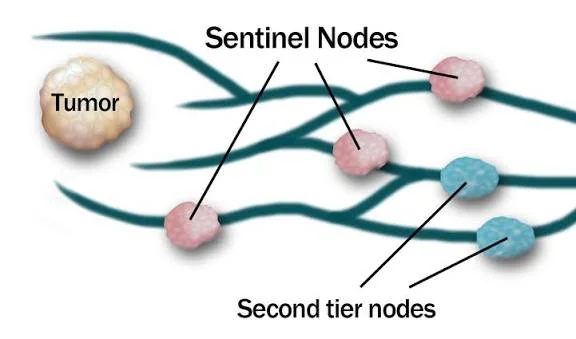
Distant skin or soft-tissue deposits may appear as firm lumps beneath or on top of the skin. They may be skin-colored, red, blue, brown, black, or nearly colorless.
Distant lymph nodes may feel enlarged or firm. Common areas include the neck, above the collarbone, under the arms, or in the groin. However, infection can also enlarge lymph nodes, so examination and imaging are necessary.
Can There Be Early Signs of Stage 4 Melanoma?
The term “early signs” can be confusing because stage IV is already an advanced stage. Still, distant disease may first reveal itself through a mild symptom, an abnormal blood test, or an unexpected finding on a routine follow-up scan.
A person may notice a lasting cough, a new lump, repeated headaches, or unexplained weight loss before more serious symptoms develop. In other cases, there may be no warning at all.
The best strategy is not to wait for dramatic symptoms. People with a previous diagnosis should attend scheduled skin checks, lymph-node examinations, imaging appointments, and oncology follow-ups.
Warning Changes at the Original Skin Site
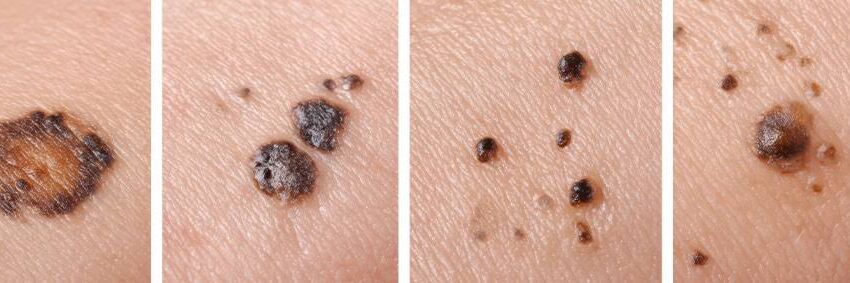
Some cases are first detected through a changing spot on the body. Common signs of melanoma include asymmetry, uneven borders, several colors, growth, bleeding, itching, or a lesion that looks different from a person’s other moles.
The ABCDE guide can help:
- A — Asymmetry: The two halves do not match.
- B — Border: The edge is blurred, irregular, or notched.
- C — Color: The lesion contains several shades.
- D — Diameter: It is growing or unusually large.
- E — Evolving: Its shape, size, color, height, or feeling changes.
A nodular melanoma may look like a firm, raised bump and can grow downward quickly. Meanwhile, amelanotic melanoma may be pink, red, pale, or skin-colored rather than dark.
People searching what does melanoma look like on the skin should remember that there is no single appearance. Photographs support awareness, but examination and biopsy are required for diagnosis.
Less Obvious Starting Locations
This cancer does not always begin as a visible mole on a sun-exposed area. It can develop on the scalp, soles, palms, between the toes, beneath a nail, or in mucosal tissue.
A subungual melanoma starts in the nail unit and may appear as a changing dark band, nail damage, a lump, or pigment spreading onto nearby skin. The term nail melanoma is also commonly used for tumors in this area.
A search for normal black line on nail vs melanoma may help someone notice a suspicious band. Still, natural pigment, bruising, medicine, infection, and harmless moles can create similar marks.
Ocular melanoma begins in or around the eye and differs biologically from common cutaneous disease. Blurred vision, flashes, floaters, visual-field loss, or a changing iris spot should be assessed by an eye specialist.
How Fast Can It Reach Stage IV?
People often ask how fast does melanoma spread, but there is no accurate universal timeline. Some tumors change slowly, while others reach deeper skin layers, lymph vessels, or distant organs more quickly.
Risk depends on several features:
- Tumor thickness
- Ulceration
- Growth pattern
- Location
- Cell activity
- Lymph-node involvement
- Genetic changes
- Immune-system health
- Response to previous treatment
A nodular growth pattern may advance more rapidly than some superficial forms. However, appearance alone cannot predict behavior.
The term malignant melanoma is still found in older documents and pathology discussions. Regardless of wording, prompt biopsy and accurate staging are more useful than trying to estimate speed from an online image.
How Stage 4 Melanoma Is Diagnosed
A stage IV diagnosis usually requires several types of information. The oncology team reviews the original pathology, examines the skin and lymph nodes, orders imaging, and may biopsy a suspected distant tumor.
Common tests include:
- CT scans to examine the chest, abdomen, pelvis, or other areas
- PET scans to locate areas with increased metabolic activity
- MRI scans to examine the brain, spinal cord, or soft tissues
- Ultrasound to assess lymph nodes or guide a needle biopsy
- Blood tests to check blood counts and organ function
- Tumor biopsy to confirm that a distant lesion contains the same cancer cells
Imaging may guide a needle into a deep lymph node, lung lesion, liver tumor, or another suspicious area. MRI is especially valuable for brain and spinal-cord assessment.
Why Biomarker Testing Matters
Tumor tissue is often tested for gene changes that may guide treatment. A BRAF V600 mutation can make a person eligible for a BRAF inhibitor combined with a MEK inhibitor.
Less common changes involving KIT, NRAS, NTRK, and other genes may also affect treatment or clinical-trial options in selected cases. Molecular testing therefore helps move care away from a one-size-fits-all approach.
Stage 4 Melanoma Treatment Options
Treatment is based on tumor location, symptoms, biomarker results, previous therapy, general health, brain involvement, and how quickly control is needed.
Modern options include immunotherapy, targeted drugs, cell therapy, radiation, surgery, injections into accessible tumors, and clinical trials. Chemotherapy is now used less often because other approaches generally produce better results.
Immune Checkpoint Therapy
Checkpoint inhibitors help immune cells recognize and attack cancer. Common approaches include:
- Pembrolizumab
- Nivolumab
- Nivolumab plus ipilimumab
- Nivolumab plus relatlimab
A single PD-1 inhibitor may be easier to tolerate than some combinations. However, combination treatment may create stronger immune activity in selected patients and also carries a greater risk of serious immune-related side effects.
These medicines can inflame healthy organs, including the bowel, lungs, liver, kidneys, skin, thyroid, pituitary gland, heart, or nerves. New diarrhea, breathing trouble, severe weakness, jaundice, confusion, or chest pain should be reported promptly.
BRAF and MEK Targeted Therapy
For tumors with a BRAF V600 change, treatment may combine:
- Dabrafenib with trametinib
- Encorafenib with binimetinib
- Vemurafenib with cobimetinib
These medicines block growth signals inside cancer cells. They can sometimes shrink tumors quickly, which may be useful when organ symptoms require rapid control.
However, the response may not last indefinitely. Doctors consider disease speed, symptoms, mutation results, and previous treatment when deciding whether targeted medicine or immunotherapy should come first.
Tumor-Infiltrating Lymphocyte Therapy
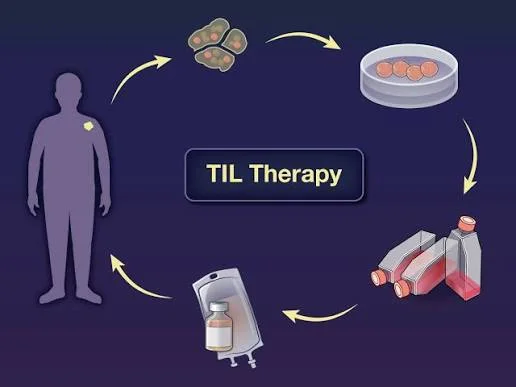
A major recent advance is lifileucel, a tumor-derived cell treatment. The FDA granted accelerated approval in February 2024 for certain adults whose unresectable or advanced disease had progressed after a PD-1 blocker and, when BRAF-positive, appropriate targeted treatment.
Doctors remove a piece of tumor and collect immune cells that have entered it. A laboratory expands those cells into billions, after which they are returned to the patient following preparation with chemotherapy.
This treatment can cause serious risks, including infection, bleeding, low blood pressure, fever, and organ complications. Therefore, it is delivered at specialist centers with hospital support.
Surgery and Radiation
Surgery may be useful when only one or a few distant tumors can be removed safely. It can also reduce bleeding, blockage, pressure, pain, or other local symptoms.
Focused radiation may treat tumors in the brain, bone, soft tissue, or other locations. Although radiation is not usually the main whole-body treatment, it can provide valuable control and symptom relief.
Supportive and Palliative Care
Palliative care is not limited to the final stage of life. It can begin alongside active cancer treatment to address pain, fatigue, nausea, sleep problems, anxiety, appetite loss, mobility, and family stress.
Early supportive care can help a patient remain strong enough to continue treatment. It can also improve communication about priorities, side effects, and quality of life.
Survival Statistics and What They Really Mean
Current SEER data based on diagnoses from 2016 through 2022 report five-year relative survival of 34% for distant disease, compared with 76% for regional disease and 100% for localized disease.
That number does not mean an individual has a 34% chance of living five years. It describes outcomes among large groups diagnosed in past years.
It also cannot fully reflect every newer medicine, personal health factor, tumor mutation, treatment response, or clinical-trial option. Some patients experience short responses, while others achieve control lasting for years.
My practical takeaway from the current evidence is that survival tables should begin a conversation, not end one. The oncology team can explain how disease location, blood tests, brain involvement, treatment response, and molecular findings affect a specific outlook.
Living With Stage 4 Melanoma
Advanced treatment often becomes part of daily life. Patients may need scans, blood tests, infusions, tablets, radiation visits, specialist travel, and recovery time.
Simple planning can reduce stress:
- Keep an updated medication list.
- Record symptoms and treatment dates.
- Save the oncology clinic’s emergency number.
- Ask which symptoms require a same-day call.
- Bring a trusted person to major appointments.
- Request help with pain, nutrition, sleep, or emotional distress.
- Ask about work, travel, fertility, and financial support early.
For example, “I have had three days of worsening headache and blurred vision” gives the team more useful information than “I do not feel well.”
Questions to Ask the Oncology Team
- Where has the cancer spread?
- Has the tumor been tested for BRAF and other biomarkers?
- What is the goal of the proposed treatment?
- Why is immunotherapy or targeted therapy preferred first?
- Is brain imaging needed?
- Could surgery or focused radiation treat any tumors?
- Am I eligible for cell therapy or a clinical trial?
- Which side effects require urgent contact?
- How will treatment response be measured?
- When should supportive care become involved?
Written answers can be valuable because a complex diagnosis is difficult to absorb during one appointment.
Understanding Related Search Terms
Online information often mixes different subtypes and stages. skin melanoma usually refers to a tumor beginning in the skin, while melanoma skin cancer is a common public term for the broader cutaneous disease.
A small surface lesion is not automatically harmless, and an unusual lesion is not automatically advanced. Only biopsy, imaging, lymph-node assessment, and pathology can determine the diagnosis and stage.
The standalone word melanoma describes a cancer arising from melanocytes, the cells that make pigment. Its behavior varies greatly according to its starting location, depth, molecular features, and spread.
Conclusion
Stage 4 melanoma is a serious diagnosis, but it is no longer a situation with only one limited treatment path. Immunotherapy, biomarker-guided drugs, focused local care, and tumor-infiltrating lymphocyte therapy have expanded the available choices.
Symptoms depend on where distant tumors develop. A lasting cough, new neurological problem, bone pain, jaundice, weight loss, or unexplained lump should be reported, particularly in someone with a previous diagnosis.
In short, accurate staging and molecular testing matter. So do symptom control, emotional support, and clear communication. Modern care cannot guarantee one outcome, but it can offer more possibilities for control, comfort, and meaningful time than older survival figures may suggest.
Frequently Asked Questions
What is usually the first symptom of stage IV disease?
There is no single first symptom. Some people notice fatigue, a lump, pain, coughing, or headaches, while others have no symptoms and learn about the spread through a follow-up scan.
Can stage 4 melanoma go into remission?
Yes, some patients achieve partial or complete responses with modern treatment. A response may last for months or years, although results vary and ongoing monitoring remains necessary.
Is stage IV always terminal?
It is generally difficult to cure, but it is treatable. Immunotherapy, targeted medicine, cell therapy, surgery, radiation, and trials may control disease and relieve symptoms.
Which organs are most commonly affected?
Common distant sites include the lungs, liver, brain, bones, skin, soft tissue, and distant lymph nodes. However, almost any organ can be involved.
What determines the best treatment?
Doctors consider biomarkers, tumor locations, brain involvement, symptoms, previous treatment, overall health, autoimmune conditions, and how quickly the disease needs to be controlled.
⭐ Make MindLiva Your Preferred Source on Google
Get trusted health, wellness, and lifestyle articles from MindLiva.
Add MindLiva
Samie Babaei is a medical science student at Shahid Beheshti University of Medical Sciences with a strong interest in health, wellness, and medical research. As a health writer and researcher at MindLiva, she focuses on creating clear, evidence-based content that helps readers better understand health and well-being.