



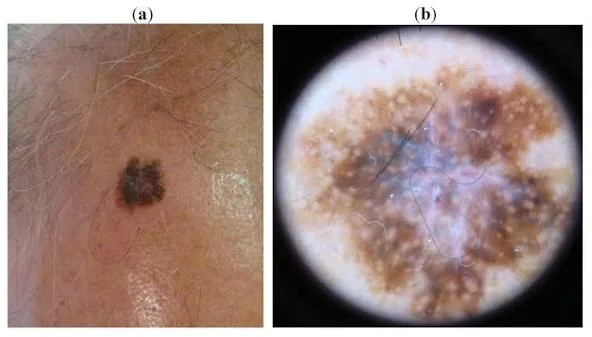
Melanoma on Scalp: Risk Factors & Prevention Strategies
Have you ever checked your arms, face, or legs for unusual spots but completely forgotten about your scalp?
You are not alone. The scalp is one of the easiest places to miss during a skin check, especially when thick hair covers most of the skin. However, melanoma on scalp deserves attention because this area can receive ultraviolet radiation throughout life.
Scalp lesions may be discovered by a hairdresser, family member, partner, or the person themselves. Sometimes, however, they remain unnoticed until they have changed significantly.
In this guide, we will explain why scalp melanoma develops, who may have a higher risk, what warning signs to look for, how doctors diagnose suspicious lesions, and which prevention habits can help.
The goal is not to make every scalp spot frightening. Instead, it is to make scalp checks a normal part of skin health.
What Is Melanoma on Scalp?
Melanoma on scalp is a form of skin cancer that begins in melanocytes, the pigment-producing cells of the skin.
Melanocytes can become abnormal and multiply uncontrollably. When these cancerous cells invade surrounding tissue, the disease can potentially spread to lymph nodes or distant organs.
Scalp melanoma is part of the broader group of skin melanoma.
It may begin as a new pigmented lesion or develop from an existing mole. In some cases, it can have little visible pigment, which makes recognition more difficult.
Why the Scalp Is Easy to Miss
The biggest problem is visibility.
People can easily see their face or hands in a mirror. Checking the scalp requires more effort, particularly when someone has long, thick, or curly hair.
For example, a small mole behind the ear or near the crown may be impossible to see without separating the hair.
Moreover, some scalp lesions are not noticed until a person experiences bleeding, itching, tenderness, or a raised area.
That is why routine scalp inspection matters.
How Common Is Scalp Melanoma?
Melanoma is less common than many other forms of skin cancer, but it can be serious because it has the ability to spread.
Scalp melanoma is a relatively uncommon location compared with areas such as the trunk or limbs. Nevertheless, dermatologists pay close attention to suspicious scalp lesions because diagnosis may be delayed when the area is hidden.
The scalp also contains a large network of blood vessels and lymphatic channels. Therefore, a suspicious lesion should not be ignored simply because it is small or covered by hair.
Importantly, having a scalp mole does not mean you have cancer. Most moles are harmless.
The important question is whether a lesion is new, changing, unusual, or otherwise concerning.
What Causes Melanoma on Scalp?
There is no single cause of scalp melanoma.
However, ultraviolet (UV) radiation is a major risk factor for many melanomas and other skin cancers.
Sunlight can reach the scalp even when people do not feel particularly exposed. This is especially true for people with short hair, thinning hair, bald areas, or hairstyles that leave parts of the scalp uncovered.
Other factors can also influence risk.
Major Risk Factors
Several factors may increase the likelihood of developing melanoma:
- Fair or easily burned skin
- A history of significant sun exposure
- Frequent sunburns
- Indoor tanning
- Numerous moles
- Atypical or unusual-looking moles
- Previous skin cancer
- A personal or family history of melanoma
- A weakened immune system
- Increasing age
However, melanoma can occur in people without obvious risk factors.
That is one reason everyone should pay attention to changing skin lesions rather than assuming cancer is impossible based on skin type or age.
Sun Exposure and the Scalp
Many people remember sunscreen for their face and arms but forget their scalp.
That can become especially important as hair becomes thinner with age.
A person with dense hair has some natural physical protection, but hair does not provide complete UV protection. Parts of the scalp may remain exposed between strands, around the hairline, or wherever the hairstyle creates a visible part.
Practical Ways to Protect Your Scalp
Consider these simple habits:
- Wear a wide-brimmed hat during prolonged outdoor exposure.
- Use a scalp-appropriate sunscreen on exposed areas.
- Reapply sunscreen according to the product directions.
- Seek shade during periods of strong sunlight.
- Avoid indoor tanning devices.
- Pay extra attention to thinning or bald areas.
Sunscreen should not be treated as permission to stay in direct sunlight indefinitely.
Instead, combine several protective strategies.
What Does Melanoma Look Like on the Scalp?
People often search what does melanoma look like on the skin because they want a simple visual answer.
Unfortunately, there is no single appearance.
A suspicious scalp lesion may be:
- Dark brown or black
- Uneven in color
- Irregular in shape
- Larger than surrounding moles
- Changing over time
- Raised or nodular
- Bleeding or crusting
- Pink, red, or skin-colored
Some lesions may have several colors, while others may have very little pigment.
Therefore, the evolution of a lesion can be particularly useful.
A mole that has remained unchanged for many years may be less concerning than a new lesion that is clearly changing.
The ABCDE Rule for Scalp Lesions
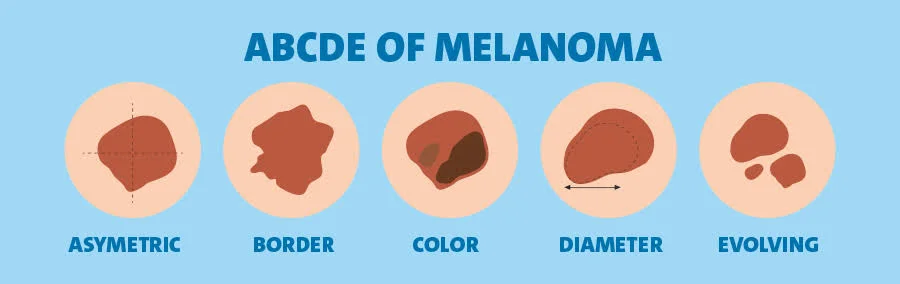
Dermatologists commonly use the ABCDE approach as an awareness tool.
A — Asymmetry
One half of the lesion does not match the other.
B — Border
The edge may appear irregular, blurred, notched, or uneven.
C — Color
Several colors may appear within one lesion.
D — Diameter
Larger lesions may deserve closer evaluation, although dangerous lesions can also be small.
E — Evolving
A lesion that changes in size, shape, color, texture, or symptoms deserves attention.
The ABCDE system is helpful, but it is not a diagnostic test.
A dermatologist may use dermoscopy and other methods to examine a lesion more closely.
Other Signs of Melanoma on Scalp
The signs of melanoma can vary considerably.
In addition to changes in pigmentation, watch for:
- A new mole or spot
- Rapid growth
- Persistent itching
- Bleeding without an obvious injury
- Crusting
- Repeated scabbing
- A lesion that becomes raised
- A sore that does not heal
- A spot that looks noticeably different from nearby moles
One practical observation is especially important: change over time.
If you regularly inspect your scalp, take note of anything that appears different from your previous checks.
Can Melanoma on Scalp Be Nodular?
Yes. Nodular melanoma is a subtype of melanoma that tends to grow more deeply and can appear as a raised bump.
It may be dark, but it can also appear pink, red, or flesh-colored.
Because nodular lesions can grow relatively quickly, a new raised scalp growth should not be ignored simply because it does not resemble a classic dark mole.
This is a good example of why relying on color alone can be misleading.
Can Melanoma Be Amelanotic?
Yes.
Amelanotic melanoma contains little or no obvious melanin pigment.
Instead of appearing black or brown, it may look pink, red, white, or similar to surrounding skin.
This can make diagnosis more difficult.
For example, a person may assume a pink scalp bump is an irritated hair follicle. Sometimes that assumption is correct. However, if the lesion persists, enlarges, bleeds, or changes, it deserves professional assessment.
Melanoma vs. Other Scalp Conditions
Not every unusual scalp mark is cancer.
Common conditions can resemble suspicious lesions, including:
- Seborrheic keratoses
- Sebaceous cysts
- Ingrown hairs
- Folliculitis
- Benign moles
- Warts
- Sun spots
- Traumatic skin changes
This is precisely why self-diagnosis can be unreliable.
A dermatologist can examine the lesion with magnification and, if necessary, perform a biopsy.
How Doctors Diagnose Melanoma on Scalp
When a dermatologist suspects melanoma, the examination usually begins with a careful visual inspection.
Dermoscopy
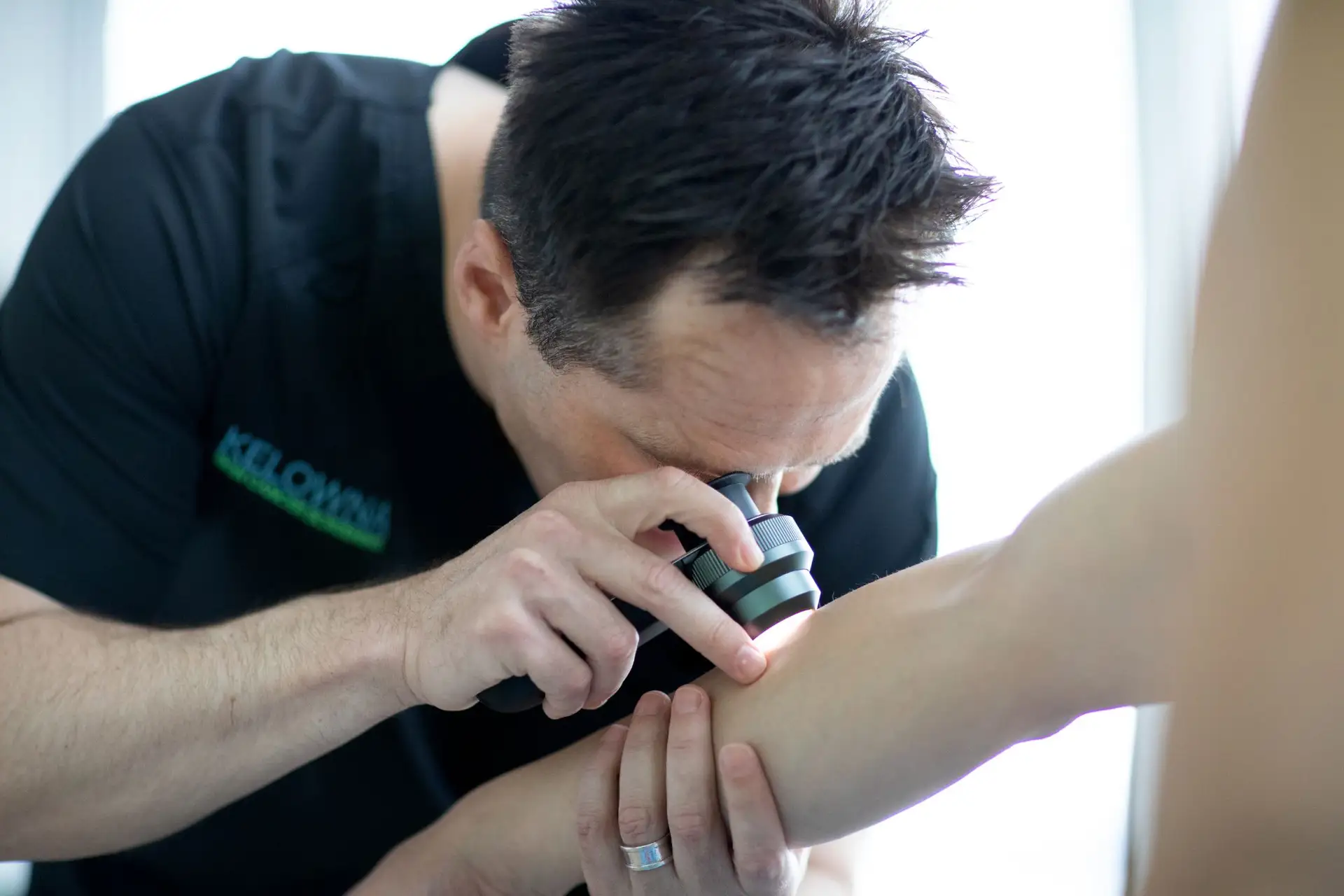
Dermoscopy allows the clinician to examine structures beneath the surface of the skin that are difficult to see with the naked eye.
This can help distinguish benign lesions from those that require further investigation.
Biopsy
If a lesion appears suspicious, the doctor may recommend a skin biopsy.
During a biopsy, part or all of the lesion is removed and sent to a laboratory. A pathologist examines the tissue under a microscope.
The pathology report can provide important information about whether melanoma is present and, if so, how it behaves.
Staging Tests
If melanoma is diagnosed, additional tests may be needed depending on the tumor’s features.
These may include imaging studies or evaluation of nearby lymph nodes.
The purpose is to determine whether the cancer remains localized or has spread.
Why Early Detection Matters
Finding cancer while it is still localized generally provides more treatment options than discovering it after distant spread.
An early stage melanoma may be treated primarily with surgical removal, depending on its characteristics.
The thickness of the tumor is particularly important in staging and treatment decisions.
However, early detection does not mean that every suspicious lesion should be removed immediately without assessment.
The correct approach is evaluation by a qualified medical professional.
How Fast Does Melanoma Spread?
A common concern is how fast does melanoma spread?
There is no universal timeline.
Different tumors behave differently. Thickness, subtype, location, genetic features, immune response, and other factors can influence how quickly disease progresses.
Some melanomas remain localized for a period of time, while others can become invasive relatively quickly.
That uncertainty is one reason doctors recommend evaluating suspicious lesions rather than watching them indefinitely.
What Happens if Scalp Melanoma Spreads?
If melanoma moves beyond the original site, doctors determine where it has traveled and how extensive it is.
Cancer that has reached distant organs may be described as metastatic melanoma.
Treatment at that point may involve immunotherapy, targeted therapy, surgery, radiation, or combinations of treatments depending on the individual’s disease.
Modern treatments have significantly expanded options for advanced melanoma.
Nevertheless, treatment is most effective when selected according to the patient’s stage, tumor characteristics, and overall health.
Treatment Options for Melanoma on Scalp
Treatment depends on the tumor’s stage and location.
Surgery
For localized melanoma, surgical removal is usually the main treatment.
The surgeon removes the tumor with an appropriate margin of normal-looking tissue.
For some patients, nearby lymph nodes may also need evaluation.
Immunotherapy
Immune checkpoint inhibitors can help the body’s immune system recognize and attack cancer cells.
These medicines are especially important in certain higher-risk and advanced cases.
Targeted Therapy
Some melanomas contain mutations that can be targeted with specific medicines.
For example, tumors with certain BRAF mutations may be candidates for BRAF and MEK inhibitor combinations.
Radiation Therapy
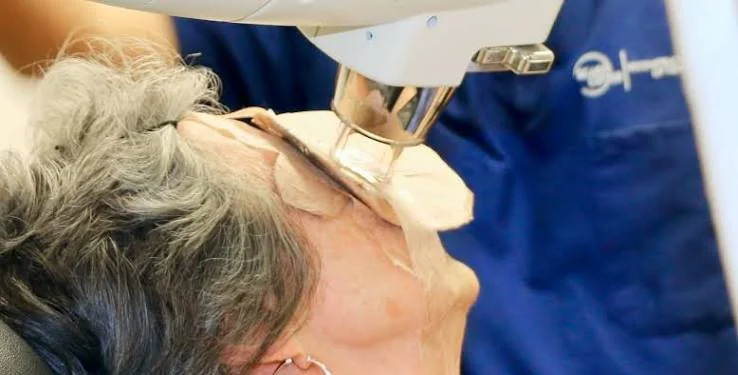
Radiation can have a role in selected situations, particularly when surgery is difficult or when cancer has spread to certain locations.
Treatment should always be planned by a multidisciplinary medical team when appropriate.
Is Malignant Melanoma on the Scalp Dangerous?
Malignant melanoma is potentially serious because it can invade nearby tissues and spread to other parts of the body.
However, the word “malignant” does not tell us everything about an individual’s prognosis.
Tumor thickness, ulceration, lymph node involvement, distant spread, and other pathological features all influence risk.
Therefore, two people with melanoma can have very different treatment plans and expected outcomes.
Other Melanoma Types People Often Confuse With Scalp Melanoma
Understanding melanoma terminology can make health information easier to follow.
Subungual melanoma develops beneath a fingernail or toenail.
Ocular melanoma develops in the eye and has different biological characteristics from most skin melanomas.
People researching normal black line on nail vs melanoma should know that a dark nail streak has many possible causes, including trauma and benign pigmentation.
A changing or suspicious nail streak should nevertheless be examined by a dermatologist.
Nail melanoma is uncommon, but delayed diagnosis can occur because a dark streak may initially be mistaken for an injury.
These conditions are different from scalp disease, even though they involve melanocytes.
How to Check Your Scalp at Home
You do not need complicated equipment to make scalp checks part of your routine.
Try this simple approach:
- Stand in a well-lit room.
- Use a handheld mirror or ask someone to help.
- Separate your hair into sections.
- Check the hairline, crown, sides, and back of the scalp.
- Look behind the ears and along the neck.
- Compare unusual spots with nearby lesions.
- Take a clear photograph of a questionable spot if appropriate.
- Seek medical advice if a lesion is new or changing.
A partner or trusted family member can be particularly helpful when checking the back of the scalp.
Hair professionals may also notice changes during routine appointments, although they should not be expected to diagnose skin cancer.
Who Should Be Especially Careful?
Certain people may benefit from more regular professional skin examinations.
This can include individuals with:
- A personal history of melanoma
- A strong family history
- Numerous or atypical moles
- Significant past sun exposure
- Repeated sunburns
- Fair skin that burns easily
- A weakened immune system
- Extensive outdoor exposure
However, people outside these groups can still develop melanoma.
Risk factors help guide awareness; they do not predict with certainty who will or will not develop cancer.
A Personal Insight: The Scalp Is Often the Forgotten Area
One of the most practical lessons in skin health is surprisingly simple: check the places you cannot easily see.
People often have a strong routine for checking their face and arms but never inspect the crown or back of their scalp.
That small gap in routine can matter.
For example, someone may discover a suspicious lesion only because a barber notices it while cutting the hair. Another person may notice a changing spot after taking photographs of their scalp.
The lesson is not to become anxious about every mole. Instead, make scalp awareness part of ordinary self-care.
Can You Prevent Melanoma on Scalp?
There is no guaranteed way to prevent every case.
However, reducing avoidable UV exposure is a practical step.
Prevention Strategies
Protect exposed scalp: Use sunscreen on areas without adequate hair coverage.
Wear a hat: A wide-brimmed hat provides physical protection from sunlight.
Avoid tanning beds: Artificial UV exposure can increase skin cancer risk.
Prevent sunburn: Repeated intense exposure is particularly harmful.
Check your skin: Include your scalp in regular self-examinations.
Know your risk: Ask a dermatologist whether your personal or family history means you need regular professional screening.
Prevention is not about avoiding sunlight completely. It is about reducing unnecessary exposure while maintaining sensible outdoor habits.
Melanoma on Scalp vs. Other Skin Cancer
The scalp can develop several types of skin cancer, including basal cell carcinoma and squamous cell carcinoma.
Melanoma is less common but requires particular attention because of its potential to spread.
A dark lesion may raise concern for melanoma, while other skin cancers can appear as persistent sores, crusted areas, shiny bumps, or scaly patches.
However, appearance alone cannot reliably identify the cancer type.
A dermatologist can determine whether a lesion requires biopsy.
When Should You See a Dermatologist?
Make an appointment if you notice a scalp lesion that is:
- New
- Changing
- Growing
- Bleeding
- Crusting repeatedly
- Itching persistently
- Different from your other moles
- Difficult to explain
Do not wait for pain.
Skin cancers, including melanoma, may be painless.
Likewise, do not assume that a small lesion is harmless simply because it has been present for a while. Changes are important.
The Future of Scalp Melanoma Detection
Skin cancer detection is becoming increasingly sophisticated.
Dermatologists now have access to digital dermoscopy, total-body photography, specialized imaging, and computer-assisted tools.
Artificial intelligence is also being researched as a support tool for identifying suspicious skin lesions.
However, technology should complement—not replace—clinical judgment.
A photograph or AI result cannot provide the same complete assessment as a trained clinician who can examine the lesion, review the patient’s history, and perform a biopsy when needed.
Conclusion: Protect Your Scalp, Know Your Skin
Melanoma on scalp can be difficult to notice, but awareness makes it easier to identify suspicious changes.
The most useful habits are simple: protect exposed scalp from excessive UV radiation, avoid tanning beds, check hidden areas regularly, and pay attention to lesions that change, grow, bleed, or look different from the rest.
Remember that most unusual scalp spots are not melanoma.
Still, a suspicious lesion deserves professional attention rather than months of observation based on internet photographs.
The encouraging message is that awareness can lead to earlier evaluation. If you notice something unusual, especially a changing or bleeding lesion, schedule an examination with a dermatologist.
In short, knowing your scalp is part of knowing your skin—and that small habit can be valuable for lifelong skin health.
FAQs About Melanoma on Scalp
Is melanoma on the scalp common?
Scalp melanoma is less common than melanoma in several other skin locations. However, the scalp can be overlooked because hair makes self-examination more difficult.
What are the first signs of melanoma on the scalp?
A new or changing mole, irregular pigmentation, rapid growth, bleeding, crusting, or a lesion that looks different from nearby spots can be warning signs.
Can a bald scalp develop melanoma?
Yes. A bald or thinning scalp can receive substantial UV exposure. Regular sun protection and scalp checks are especially important when more skin is exposed.
Does every dark scalp mole mean cancer?
No. Many dark moles and scalp spots are benign. However, a lesion that changes, grows, bleeds, or looks unusual should be examined by a dermatologist.
Can melanoma on the scalp be treated?
Yes. Treatment depends on the stage and features of the tumor. Surgery is commonly used for localized disease, while advanced cases may involve immunotherapy, targeted therapy, radiation, or other approaches.
⭐ Make MindLiva Your Preferred Source on Google
Get trusted health, wellness, and lifestyle articles from MindLiva.
Add MindLiva
Samie Babaei is a medical science student at Shahid Beheshti University of Medical Sciences with a strong interest in health, wellness, and medical research. As a health writer and researcher at MindLiva, she focuses on creating clear, evidence-based content that helps readers better understand health and well-being.