



How Play Therapy Supports Children’s Behavioral Health
What if a child could communicate something difficult without having to find the right words?
For many children, that is exactly where play can help. Children often understand and express emotions through games, stories, drawings, toys, movement, and pretend situations long before they can explain complex feelings in conversation.
This is why children’s behavioral health deserves an approach that matches a child’s stage of development. Play therapy gives trained professionals a structured way to use play while helping children explore emotions, improve coping skills, and build healthier relationships.
The need is significant. Recent CDC data show that about 1 in 5 U.S. children ages 3–17 had ever been diagnosed with a mental, emotional, or behavioral health condition. Anxiety, behavior disorders, and depression are among the most commonly diagnosed conditions.
Moreover, early support can make a meaningful difference. The CDC notes that early diagnosis and access to services can improve outcomes for children and families.
What Is Play Therapy?
Play therapy is a form of counseling that uses play as a primary way for children to communicate and work through emotional or behavioral concerns.
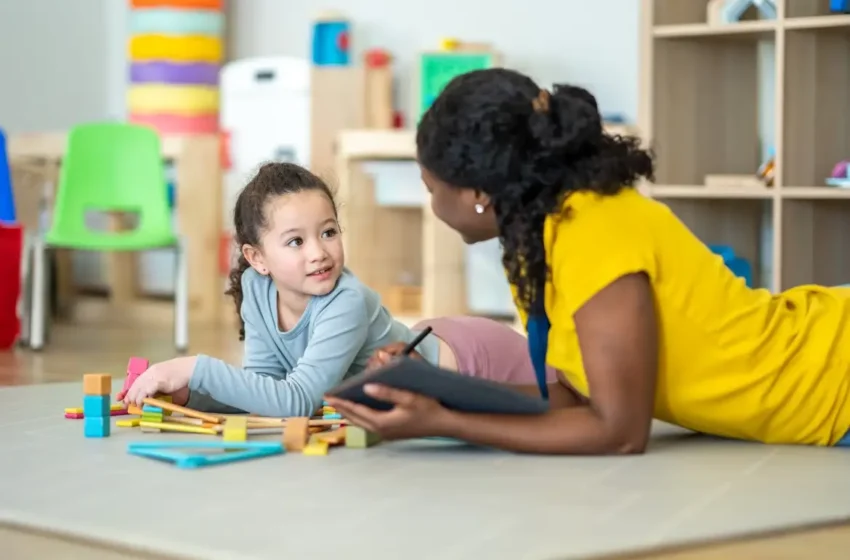
Instead of expecting a young child to sit still and explain exactly what they feel, a trained therapist creates a safe setting where the child can use toys, art materials, games, storytelling, puppets, or pretend play.
However, play therapy is not simply letting a child play freely.
A trained therapist observes patterns, responds carefully, and uses therapeutic techniques to help the child understand emotions and develop useful skills.
For example, a child who repeatedly makes a toy character feel scared may be expressing a concern that is difficult to describe directly.
The therapist can use that play as an opening for discussion, emotional learning, and coping practice.
Why Play Works So Well for Children
Children’s brains and communication skills are still developing. Therefore, traditional talk-based therapy may not always be the easiest starting point.
Play provides a familiar language.
A child might say, “My teddy is afraid,” rather than saying, “I feel unsafe when my parents argue.”
That difference matters.
Through play, the therapist can gently explore the child’s experience without forcing the child to provide an adult-style explanation.
Why Children’s Behavioral Health Needs Developmentally Appropriate Care
Behavioral health includes emotional well-being, mental health conditions, behaviors, and related support systems. The CDC describes it as an important part of overall health.
Children may show emotional distress differently from adults.
Instead of saying, “I am anxious,” a child might:
- Become unusually quiet
- Have frequent temper tantrums
- Avoid school
- Have trouble sleeping
- Become aggressive
- Complain of unexplained physical discomfort
- Lose interest in favorite activities
- Become unusually dependent on a parent
- Struggle to concentrate
These behaviors do not automatically mean a child has a mental health disorder.
However, persistent or significant changes deserve attention, especially when they affect school, friendships, family life, sleep, or daily activities.
This is where play therapy can become useful.
Rather than focusing only on the behavior, therapy can explore what may be underneath it.
How Play Therapy Supports Children’s Behavioral Health
Play therapy can support several areas of emotional and social development.
1. It Gives Children a Safe Way to Express Feelings
Some emotions are simply too complicated for a young child to explain.
Fear, jealousy, grief, shame, anger, and confusion can all be difficult to put into words.
Play gives children another option.
A therapist may use puppets, dolls, drawing, storytelling, or role-play to help a child express what is happening internally.
Moreover, children often feel less pressure when they can communicate indirectly.
2. It Builds Emotional Awareness
Children need to learn more than how to identify basic emotions.
They also need to understand:
- What triggers an emotion
- How emotions feel in the body
- How strong an emotion can become
- What choices are available
- How to calm themselves
- How to ask for help
A therapist may use games or stories to teach these skills.
For example, a child might create a character who becomes angry whenever someone says “no.” The therapist can then help the child explore what the character could do differently.
Over time, the child can begin applying those ideas to real situations.
3. It Helps Develop Coping Skills
Healthy coping skills are important throughout childhood.
A therapist may teach children strategies such as:
- Slow breathing
- Taking a break
- Naming emotions
- Asking for support
- Using positive self-talk
- Problem-solving
- Practicing relaxation
- Using imagination safely
Play allows these skills to be practiced instead of simply explained.
That makes learning more active and memorable.
4. It Can Improve Social Skills
Children learn many social skills through interaction.
During therapeutic games, children can practice:
Taking turns → listening → sharing → waiting → negotiating → handling frustration
For a child who struggles with peers, these small steps can become valuable building blocks.
In addition, therapists may use role-play to practice situations such as joining a group, responding to teasing, or asking another child to play.
Play Therapy and Behavioral Health Kids
The phrase behavioral health kids covers a wide range of emotional, behavioral, and developmental needs.
Not every child needs therapy. However, children facing significant challenges may benefit from professional support.
Examples can include children dealing with:
- Anxiety
- Grief
- Family changes
- School difficulties
- Trauma
- Behavioral problems
- Social challenges
- Emotional regulation difficulties
- Major life transitions
The goal is not to label every difficult childhood experience as a disorder.
Instead, the goal is to understand the child and provide appropriate support when problems persist.
What Happens During a Play Therapy Session?
Parents sometimes imagine that a therapist simply watches a child play.
In reality, sessions can be carefully structured.
A typical process may involve:
Creating a Safe Environment
The therapist establishes predictable routines and clear boundaries.
The child learns that the therapy space is a place where feelings can be discussed without judgment.
Observing Play Patterns
The therapist may notice repeated themes.
For example, a child may repeatedly create stories involving separation, danger, rescue, or conflict.
One pattern alone does not prove anything. Instead, the therapist considers the child’s broader history, behavior, family situation, and other information.
Introducing Therapeutic Activities
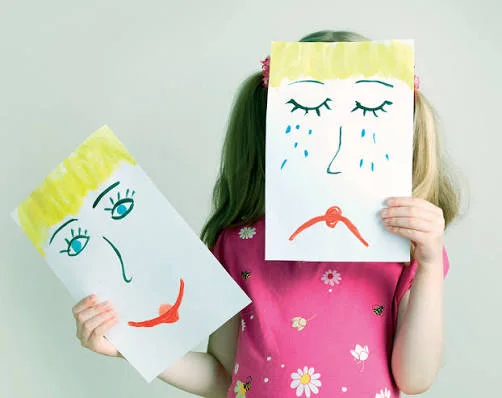
Depending on the child’s needs, the therapist may use:
- Drawing
- Puppets
- Board games
- Storytelling
- Sand play
- Role-play
- Building activities
- Movement
- Pretend scenarios
These activities can support emotional expression and skill building.
Connecting Play to Real Life
The therapist may gradually help the child connect what happens during play with everyday experiences.
For example, a game involving a frustrated character could become an opportunity to discuss what happens when the child feels frustrated at school.
Does Research Support Play Therapy?
Research supports the value of therapeutic play in some pediatric settings, although the strength of evidence varies by the specific problem, intervention, and study design.
For example, a systematic review of therapeutic play in hospitalized children found evidence that play-based interventions can reduce anxiety and improve aspects of children’s behavior and attitudes during hospitalization.
At the same time, research should be interpreted carefully.
Not every form of play therapy has the same evidence behind it, and some reviews have found limited or mixed evidence for particular play-based approaches or long-term outcomes.
This distinction is important for trustworthy care.
Play therapy can be useful, but it should not be presented as a universal treatment for every childhood problem.
The therapist’s training, the child’s needs, the treatment approach, and the quality of the therapeutic relationship all matter.
Children’s Behavioral Health: When Should Parents Consider Therapy?
Parents do not need to wait until a child’s situation becomes severe.
Consider talking with a pediatrician or qualified mental health professional when a change is:
- Persistent
- Intense
- Getting worse
- Interfering with school
- Affecting friendships
- Disrupting sleep
- Creating major family conflict
- Causing significant distress
For example, occasional nervousness before school is common.
However, a child who regularly refuses school because of intense fear may need a closer look.
Likewise, occasional frustration is normal. But frequent aggressive outbursts that interfere with family or school life may signal that additional support is needed.
In short, the pattern and impact matter more than one isolated behavior.
How Parents Can Support Children’s Behavioral Health at Home
Therapy works best when children also experience support outside the therapy room.
Parents can help by creating a stable and emotionally safe environment.
Keep Routines Predictable
Regular sleep, meals, school routines, and family activities can help children feel secure.
Predictability becomes particularly valuable when a child is experiencing stress or major change.
Name Feelings Without Judgment
Instead of saying, “Don’t be scared,” try:
“I can see that this feels scary. Let’s figure it out together.”
This approach validates the emotion without suggesting that fear should control the child’s behavior.
Make Time for Play
Parents do not need special therapeutic toys.
Simple activities such as drawing, building blocks, pretend games, outdoor play, or reading together can strengthen connection.
Moreover, shared play can give parents valuable insight into what interests or worries their child.
Listen Before Trying to Fix
Children do not always need an immediate solution.
Sometimes they need an adult who can listen calmly and stay present.
That sense of connection can be powerful.
Health Psychology and the Child’s Emotional World
Health psychology looks at how psychological, social, and behavioral factors interact with health and well-being.
This perspective is especially useful when thinking about children.
Sleep, stress, family relationships, school experiences, physical health, social connection, and emotional development can influence one another.
For example, a child who sleeps poorly may become more irritable during the day. That irritability may create conflict at school, which can increase stress and make sleep even harder.
Therefore, effective support often looks at the whole pattern, rather than one symptom.
The Role of Behavioral Health Services
Professional behavioral health services for children can include counseling, family therapy, psychological assessment, psychiatric care, school-based support, and other interventions.
Play therapy is only one possible approach.
The right choice depends on the child’s age, concerns, developmental needs, family situation, and clinical assessment.
Moreover, parents may benefit from participating in treatment.
Sometimes the therapist works directly with the child. At other times, treatment includes parent coaching or family sessions.
This is not a sign that parents have failed.
Instead, it recognizes that children develop within relationships and environments.
Health Communication Can Strengthen Treatment
Good health communication is essential when children receive mental health care.
Parents should understand:
- Why therapy is recommended
- What the therapist is trying to address
- What progress may look like
- What parents can do at home
- When the treatment plan should be reviewed
Children also deserve explanations that match their age.
A five-year-old may need a simple explanation such as, “We are going to talk and play with someone who helps children with big feelings.”
A teenager may want much more detail about confidentiality, treatment goals, and decision-making.
Clear communication builds trust.
Community Behavioral Health and Access to Care
Access can be one of the biggest challenges in children’s mental health.
Families may face long waiting lists, cost concerns, transportation problems, limited specialists, or shortages of child-focused professionals.
This is why community behavioral health programs can be important.
Schools, community centers, pediatric practices, and local mental health organizations can help connect families with support.
However, services vary widely by location, so parents should ask local healthcare providers about available options.
Can Telehealth Support Children’s Behavioral Health?
Technology has expanded access to some forms of mental health care.
Behavioral health telehealth can allow families to meet with qualified professionals through secure video systems when appropriate.
Telehealth may be especially useful when travel is difficult or specialists are not available nearby.
However, it is not ideal for every child or every situation.
The therapist should consider the child’s age, privacy, home environment, clinical needs, technology access, and safety.
Children’s Behavioral Health Is Not the Same as Adult Care
It is tempting to assume that children simply need smaller versions of adult therapy.
They do not.
Adult behavioral health treatment often relies more heavily on direct discussion and self-report.
Children may communicate through play, behavior, drawings, movement, and interaction.
Moreover, younger children depend heavily on caregivers.
Therefore, effective child therapy often considers the family system as well as the child.
What About Holistic Behavioral Health?
A holistic behavioral health approach considers several parts of a child’s life rather than focusing on one symptom.
Depending on the situation, this may include:
- Emotional health
- Physical health
- Sleep
- Nutrition
- Family relationships
- School environment
- Peer relationships
- Stress
- Physical activity
- Safety
- Community support
This does not mean replacing evidence-based treatment with alternative methods.
Instead, it means understanding the child as a whole person.
How a Behavioral Health Group Can Help
A behavioral health group can provide another form of support for children or families, depending on the child’s age and needs.
Group settings can give children opportunities to practice social skills, communication, emotional regulation, and cooperation.
However, group therapy is not automatically appropriate for everyone.
A qualified professional should determine whether a group setting is suitable.
Why Early Support Matters
Children’s emotional patterns can change as they grow.
That is encouraging.
A child who struggles with emotional regulation today may develop stronger coping skills with the right support, practice, and stable relationships.
The CDC emphasizes that children’s mental health includes the ability to reach developmental milestones, build healthy social skills, cope with challenges, and function at home, school, and in the community.
Recent U.S. data also show that mental health concerns are widespread among young people. For example, CDC data from 2022–2023 found diagnosed anxiety in about 11% of children ages 3–17, while 20% of adolescents ages 12–17 reported symptoms of anxiety during the previous two weeks in 2021–2023.
These numbers highlight why accessible, age-appropriate support matters.
A Practical Example: How Play Can Reveal Emotional Needs
Imagine an eight-year-old who has recently become angry at home and refuses to talk about school.
A parent might initially see only defiance.
During therapy, however, the child repeatedly creates a classroom scene with a lonely character who is excluded by other children.
The therapist does not automatically conclude that bullying is occurring.
Instead, the play becomes a starting point for gentle questions.
Eventually, the child may feel safe enough to describe problems with classmates.
This example illustrates one of the strengths of play-based work: the child does not have to begin with a perfect explanation.
The therapeutic relationship can help the story unfold gradually.
What Parents Should Look for in a Play Therapist
Choosing a qualified professional matters.
Parents can ask:
- What professional license or credentials do you hold?
- What training do you have in play therapy?
- What concerns do you commonly treat?
- How will parents participate?
- How will progress be measured?
- What happens if play therapy does not appear to be helping?
- How do you coordinate with pediatricians or schools when needed?
A good therapist should be comfortable explaining the treatment approach in clear language.
Parents should also feel able to ask questions.
Conclusion: Supporting Children’s Behavioral Health Through Play
Children do not always have the words to explain what hurts, worries, or confuses them.
That does not mean they have nothing to say.
Through play, children can communicate feelings, explore difficult experiences, practice new responses, and build emotional skills in a setting designed around their developmental needs.
Play therapy is not simply play. When delivered by a trained professional, it can become a structured therapeutic tool that supports emotional and behavioral development.
However, it is also important to keep expectations realistic. Different children need different approaches, and evidence varies across play-based interventions.
The most important step is often recognizing that a persistent change in a child’s behavior deserves curiosity rather than punishment.
In short, when adults listen carefully, respond early, and connect children with appropriate support, difficult moments can become opportunities for healthier development.
FAQs About Children’s Behavioral Health and Play Therapy
1. What is play therapy?
Play therapy is a counseling approach that uses play-based activities to help children express feelings, develop coping skills, and work through emotional or behavioral concerns.
2. Does play therapy really help children’s behavioral health?
Research suggests that therapeutic play can help with certain emotional and behavioral concerns, although evidence varies by the specific intervention and condition.
3. At what age can children use play therapy?
Play-based approaches can be adapted for young children and older children. The therapist chooses activities based on the child’s developmental level, communication skills, and specific needs.
4. Should parents participate in play therapy?
Often, yes. Parent involvement can help reinforce healthy communication and coping skills at home, although the exact role of parents depends on the treatment plan.
5. When should I seek professional help for my child?
Consider professional guidance when emotional or behavioral changes persist, become severe, or interfere with school, sleep, relationships, family life, or daily functioning.
6. Is play therapy the only treatment for children’s behavioral health?
No. Other options can include cognitive behavioral therapy, family therapy, parent-focused interventions, school support, medication when clinically appropriate, and other evidence-based approaches.
7. Can children’s behavioral health improve with early support?
Yes. Early identification and access to appropriate services can support children’s development and well-being. The CDC specifically highlights the value of early diagnosis and access to care.
⭐ Make MindLiva Your Preferred Source on Google
Get trusted health, wellness, and lifestyle articles from MindLiva.
Add MindLiva
Samie Babaei is a medical science student at Shahid Beheshti University of Medical Sciences with a strong interest in health, wellness, and medical research. As a health writer and researcher at MindLiva, she focuses on creating clear, evidence-based content that helps readers better understand health and well-being.