




Is Behavioral Health the Same as Mental Health?
Have you ever heard someone use behavioral health and mental health as if they mean exactly the same thing?
It is an understandable question because the two areas overlap a great deal. Both can involve emotions, thoughts, relationships, stress, coping skills, and conditions such as depression or anxiety. However, there is an important difference in what each term emphasizes.
The World Health Organization describes mental health as a state of mental well-being that helps people handle everyday stress, use their abilities, work effectively, and take part in their communities.
So, is behavioral health the same as mental health? Not exactly. Mental health is a central part of behavioral health, but behavioral health can take a wider view of how behavior, habits, substance use, social conditions, and physical health interact with psychological well-being.
Understanding that distinction can help people choose appropriate care and recognize problems earlier.
Is Behavioral Health the Same as Mental Health?
The simplest answer is no, but the two are closely connected.
Mental health mainly describes a person’s emotional, psychological, and social well-being. It includes how someone thinks, feels, handles stress, relates to other people, and functions in daily life. SAMHSA also notes that mental health affects thinking, feeling, behavior, relationships, and decision-making throughout life.
Behavioral health takes this idea further. It looks at behaviors and patterns that influence health, including sleep, substance use, coping strategies, eating habits, physical activity, stress management, and treatment engagement.
For example, imagine someone experiencing chronic stress.
From a mental health perspective, a professional might explore anxiety, low mood, intrusive thoughts, or emotional distress.
From a behavioral health perspective, the professional may also ask:
- How much is the person sleeping?
- Are they using alcohol or drugs to cope?
- Have they stopped exercising?
- Are they avoiding friends or family?
- Are they missing medical appointments?
- What happens when stress becomes intense?
Both perspectives matter. In fact, the strongest care often combines them.
What Is Mental Health?
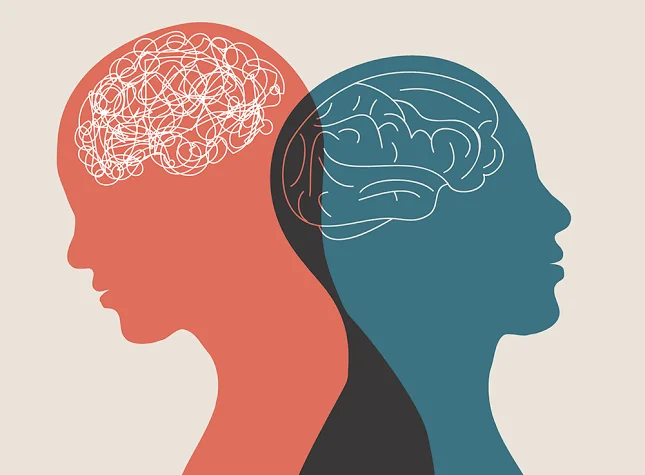
Mental health is broader than simply asking whether someone has a mental illness.
According to the WHO, mental health is a state of well-being rather than merely the absence of a diagnosed disorder. It can be influenced by personal, family, community, social, economic, and environmental factors.
This means someone can experience poor mental well-being without necessarily meeting the criteria for a mental disorder.
Mental health includes several areas
These may include:
- Emotional well-being – the ability to recognize and manage emotions.
- Psychological well-being – maintaining a healthy sense of self and coping with challenges.
- Social well-being – forming relationships and feeling connected to others.
- Stress management – responding to everyday pressure in healthy ways.
- Cognitive functioning – thinking, concentrating, learning, and making decisions.
Mental health can also change over time.
A person may feel emotionally well for several years and then struggle after losing a loved one, experiencing trauma, changing jobs, becoming a caregiver, or facing financial pressure.
Therefore, mental health exists on a continuum, not simply as “healthy” or “ill.”
What Is Behavioral Health?
Behavioral health focuses on the connection between behavior, emotions, thoughts, and overall health.
The term is commonly used across services that address mental health conditions, substance use, emotional difficulties, and behaviors that influence well-being.
For example, consider someone with persistent anxiety who has started sleeping only four hours a night and drinking alcohol every evening.
Their emotional distress is important. However, their behaviors may also be worsening the problem.
A behavioral health professional might therefore work with the person on:
- Sleep routines
- Stress management
- Alcohol use
- Physical activity
- Social connection
- Therapy
- Medication when appropriate
- Healthy coping skills
This is one reason behavioral health can be viewed as a whole-person approach.
Key Differences Between Mental and Behavioral Health
The easiest way to understand the difference is to compare their main focus.
| Mental Health | Behavioral Health |
| Focuses strongly on thoughts, emotions, and psychological well-being | Looks at thoughts, emotions, and behaviors together |
| Includes mental health conditions | Can include mental health and substance-use concerns |
| Examines emotional and psychological functioning | Also examines habits and lifestyle patterns |
| Often centers on diagnosis and psychological care | Often emphasizes behavior change and integrated support |
| Can involve therapy and medication | Can involve therapy, medication, coaching, peer support, and lifestyle interventions |
However, these categories are not completely separate.
A person receiving treatment for depression may need psychotherapy, medication, social support, better sleep, physical activity, and help changing harmful coping behaviors.
That is where the two fields meet.
Why Behavioral Health and Mental Health Overlap
One reason people ask, “Is behavioral health the same as mental health?” is that many of the same professionals work in both areas.
Psychologists, psychiatrists, counselors, clinical social workers, psychiatric nurses, and other professionals may provide care depending on the person’s needs and location. SAMHSA lists several provider types involved in mental health and substance-use care.
Moreover, many conditions involve both psychological and behavioral changes.
Depression as an example

A person with depression might experience:
- Persistent sadness
- Low motivation
- Difficulty concentrating
- Loss of interest
- Sleep changes
- Social withdrawal
- Reduced physical activity
The first four examples are strongly connected to mental health.
The last three also show why a behavioral health approach can be useful.
For example, gradually restoring daily routines and social contact may become an important part of recovery alongside professional treatment.
How Behavioral Health Affects Physical Health
Mental and physical health are closely connected.
Stress can influence sleep, appetite, activity levels, substance use, and other behaviors. At the same time, chronic physical illness can make emotional distress harder to manage.
This is why modern care increasingly considers the whole person rather than treating every problem in isolation.
The health behavior connection
Suppose someone has chronic pain.
Pain may lead to poor sleep. Poor sleep may reduce energy. Lower energy may decrease physical activity. Reduced activity may affect mood and daily functioning.
That creates a cycle.
Behavioral health interventions may help break the cycle by addressing coping skills, sleep, activity, stress, and emotional responses while the underlying physical condition is also treated.
In short, behavioral health connects the dots.
The Role of Health Psychology
Health psychology helps explain how thoughts, emotions, behaviors, and social factors interact with physical health.
For example, a person may understand that exercise is beneficial but still struggle to exercise consistently.
The issue may not be a lack of knowledge. Instead, barriers could include depression, fear of pain, low confidence, lack of time, stress, or an unhealthy routine.
Understanding those barriers can make treatment more practical.
Moreover, health psychology often focuses on helping people develop sustainable behaviors rather than expecting instant lifestyle changes.
How Behavioral Health Services Support Recovery
Behavioral health services can range from short-term counseling to long-term treatment and recovery support.
Depending on individual needs, services may include:
- Individual psychotherapy
- Group therapy
- Psychiatric evaluation
- Medication management
- Substance-use treatment
- Peer support
- Crisis intervention
- Family support
- Behavioral coaching
- Case management
- Telehealth appointments
Importantly, not everyone needs the same level of care.
Someone experiencing mild stress may benefit from counseling and coping strategies, while someone experiencing severe symptoms may need more intensive professional support.
SAMHSA explains that treatment can include different levels of outpatient and intensive care, depending on individual needs.
Health Communication Makes Care More Effective
Good health communication can make a major difference in whether people understand and use healthcare information.
A patient may technically receive a treatment plan but still feel unsure about what to do next.
Clear communication can answer practical questions such as:
- What is happening?
- Why does treatment matter?
- What should I expect?
- What side effects should I report?
- When should I return?
- Who should I contact if symptoms worsen?
Moreover, respectful communication can reduce shame and encourage people to ask for help.
This is especially important in behavioral health because stigma can prevent people from discussing emotional or behavioral difficulties openly.
The Importance of a Behavioral Health Group
A behavioral health group can provide something individual treatment cannot always offer: connection with people who understand similar challenges.
Group settings may help people practice communication, coping, emotional regulation, and social skills.
For example, someone recovering from substance use may benefit from hearing how others handle cravings, setbacks, family conflict, or stressful situations.
However, group treatment is not suitable for everyone. A qualified professional can help determine whether group, individual, family, or combined treatment is most appropriate.
Community Behavioral Health Brings Care Closer
Community behavioral health focuses on making support available within the places where people live and work.
This can include community clinics, outreach programs, peer services, crisis programs, schools, and other local resources.
This model matters because mental health does not exist only inside a doctor’s office.
The WHO emphasizes that mental health is shaped by factors such as living conditions, social connections, work, education, and wider community environments.
Therefore, effective care may need to address more than symptoms.
It may also involve housing support, social connection, employment assistance, family education, or access to local services.
Children’s Behavioral Health vs. Adult Behavioral Health
The needs of children and adults can be quite different.
Children’s behavioral health often involves family relationships, school performance, development, emotional regulation, and social skills.
For example, a child’s anxiety may appear as stomachaches, irritability, school refusal, sleep problems, or frequent reassurance seeking.
Adults may instead show problems at work, relationship difficulties, substance use, sleep disruption, or difficulty managing responsibilities.
This is why adult behavioral health should not simply be treated as an extension of children’s care.
Developmental stage matters.
Parents, teachers, healthcare providers, and mental health professionals may all have useful information about a child’s behavior.
What Is Holistic Behavioral Health?
Holistic behavioral health considers multiple parts of a person’s life rather than focusing on one symptom.
This can include:
- Emotional health
- Physical health
- Sleep
- Nutrition
- Relationships
- Stress
- Physical activity
- Substance use
- Environment
- Personal goals
The goal is not to replace evidence-based medical or psychological treatment with alternative approaches.
Instead, holistic care can complement appropriate professional treatment by recognizing that health is influenced by many connected factors.
For example, therapy may address anxiety while a person also works on sleep, movement, social connection, and daily structure.
Behavioral Health Telehealth Is Changing Access to Care

Technology has changed how many people access support.
Behavioral health telehealth allows eligible patients to receive certain services through video, phone, or other digital platforms.
This can be useful for people who:
- Live far from specialists
- Have transportation problems
- Have demanding schedules
- Prefer remote appointments
- Need greater privacy
- Have difficulty attending a clinic regularly
Telehealth is not ideal for every situation, however.
Some people need in-person assessment, crisis services, physical examination, or a higher level of care.
Therefore, the right choice depends on the person’s needs and clinical situation.
Why Behavior Matters in Mental Health Care
A common mistake is to think that behavior is simply a matter of willpower.
It is not always that simple.
A person may genuinely want to sleep better but struggle because of anxiety. Someone may want to stop using substances but depend on them to manage distress. Another person may avoid social situations because they fear judgment.
These patterns can become difficult to change without support.
That is why behavioral health looks at why a behavior happens, what maintains it, and what realistic changes might help.
When Should You Seek Professional Support?
You do not have to wait until a problem becomes severe.
Consider speaking with a healthcare or mental health professional when emotional or behavioral changes are persistent, worsening, or interfering with everyday life.
Warning signs may include:
- Persistent sadness or anxiety
- Major sleep changes
- Significant changes in appetite
- Social withdrawal
- Difficulty functioning at work or school
- Increased substance use
- Frequent anger or emotional outbursts
- Loss of interest in normal activities
- Difficulty managing everyday responsibilities
- Thoughts of self-harm or suicide
A professional can help determine what is happening and whether treatment is needed.
If someone is in immediate danger or experiencing a mental health emergency, seek local emergency or crisis support rather than relying on an online article.
Is Behavioral Health the Same as Mental Health in Treatment?
Not always.
A mental health treatment plan may focus primarily on symptoms and diagnosis, while a behavioral health plan may also consider habits, substance use, daily routines, relationships, and physical health.
However, the best approach is often integrated.
For example, someone with anxiety could receive psychotherapy while also working on sleep, caffeine intake, physical activity, social isolation, and stress-management skills.
This does not mean every behavioral health program treats every problem.
Instead, it means clinicians can consider the larger picture when deciding what support may be useful.
Common Myths About Behavioral and Mental Health
Myth 1: Behavioral health only means bad behavior
False.
Behavioral health is not about judging whether someone’s behavior is good or bad. It examines how behaviors interact with emotions, thoughts, health, and the environment.
Myth 2: Mental health only means mental illness
False.
Mental health also includes positive well-being, resilience, coping, relationships, and the ability to function in everyday life.
Myth 3: You need a diagnosis to seek help
False.
People can seek support for stress, grief, relationship problems, sleep difficulties, or life changes even when they do not have a diagnosed mental disorder.
Myth 4: Behavioral health and physical health are unrelated
False.
Behavior, stress, sleep, substance use, and mental well-being can interact with physical health in complex ways.
How to Choose the Right Type of Support
If you are unsure where to begin, start with a healthcare professional or qualified mental health provider.
A primary care clinician can be a useful starting point, particularly when emotional symptoms occur alongside physical symptoms.
You can also ask:
- What might be causing these changes?
- Could medication or therapy help?
- Would behavioral support be useful?
- Do I need a specialist?
- Are virtual appointments available?
The goal is not to find the perfect label immediately.
The goal is to find appropriate support.
The Future of Behavioral and Mental Health Care
Healthcare is increasingly moving toward integrated, person-centered care.
Rather than separating emotional health from physical health, clinicians are recognizing how closely the two interact.
Technology, community-based programs, peer support, preventive care, and personalized treatment may all become increasingly important.
At the same time, access and quality remain major challenges.
The WHO reports that mental health conditions remain common globally and that significant treatment gaps continue to exist.
This makes early support particularly valuable.
The earlier a person recognizes persistent problems and seeks appropriate care, the more opportunities there may be to prevent those problems from becoming more disruptive.
Conclusion: The Difference Matters, but the Connection Matters More
So, is behavioral health the same as mental health?
No. Mental health focuses strongly on emotional, psychological, and social well-being, while behavioral health takes a wider view that also considers behaviors, habits, substance use, and other factors affecting health.
However, the two areas are deeply connected.
Someone struggling with anxiety may also have poor sleep. Someone with depression may withdraw socially. Someone dealing with chronic stress may develop unhealthy coping habits.
Therefore, treating only one piece may not always address the whole problem.
The most useful lesson is simple: mental health and behavioral health should not be viewed as competing ideas. They are connected parts of a broader picture of health.
If something in your thoughts, emotions, behavior, relationships, or daily functioning has changed and is not improving, reaching out for professional guidance is a practical first step. Asking for help is not a sign of weakness. It is often a sign that you are taking your health seriously.
FAQs About Behavioral Health and Mental Health
Is behavioral health the same as mental health?
No. They overlap significantly, but behavioral health generally takes a broader view that includes behaviors, habits, substance use, and their relationship with emotional and physical health.
What is the main difference between mental health and behavioral health?
Mental health focuses mainly on psychological, emotional, and social well-being. Behavioral health also examines how actions, lifestyle patterns, and coping behaviors affect overall health.
Can behavioral health include physical health?
Yes. Behavioral health often considers how sleep, physical activity, substance use, stress, and other behaviors interact with physical and emotional well-being.
Who provides behavioral health care?
Depending on the person’s needs, care may involve psychologists, psychiatrists, counselors, social workers, psychiatric nurses, primary care professionals, peer-support specialists, and other trained providers.
When should someone seek behavioral health support?
Consider seeking professional help when emotional or behavioral changes persist, become difficult to manage, or interfere with relationships, work, school, sleep, or daily life. Early support can make it easier to address problems before they become more severe.
⭐ Make MindLiva Your Preferred Source on Google
Get trusted health, wellness, and lifestyle articles from MindLiva.
Add MindLiva
Samie Babaei is a medical science student at Shahid Beheshti University of Medical Sciences with a strong interest in health, wellness, and medical research. As a health writer and researcher at MindLiva, she focuses on creating clear, evidence-based content that helps readers better understand health and well-being.