



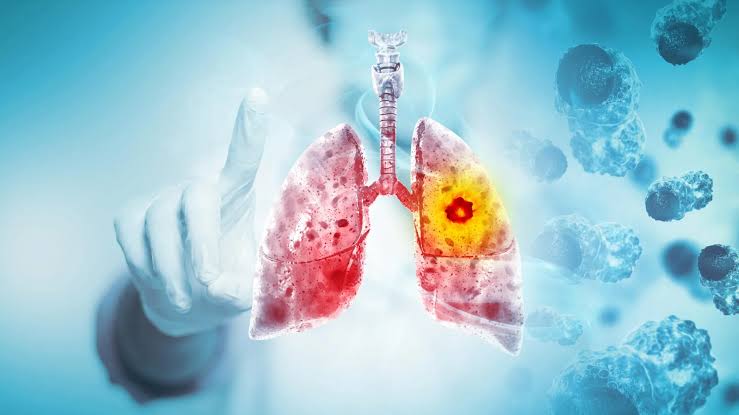
Early Detection and Immunotherapy for Lung Cancer Success
Could finding lung cancer earlier change not only the chance of surgery, but also the treatments available afterward?
For many patients, the answer is yes. Immunotherapy for lung cancer now plays a role across several stages of disease, from potentially curable non-small cell lung cancer to advanced and metastatic disease. Meanwhile, better screening is helping doctors find some cancers before symptoms become severe.
The progress is important because lung cancer remains a major cause of cancer death. In 2026, the National Cancer Institute’s SEER program estimated about 229,410 new U.S. lung and bronchus cancer cases and 124,990 deaths. Lung cancer is expected to cause more cancer deaths than any other individual cancer type in the United States this year.
However, treatment is no longer based on stage alone. Tumor subtype, PD-L1 level, genetic changes, previous treatment, and overall health can all shape the plan.
Why Early Detection Matters for Immunotherapy for Lung Cancer
Early detection matters because smaller, localized tumors are often easier to treat with curative approaches such as surgery or focused radiation.
Moreover, immune-based medicines have now moved into earlier stages of non-small cell lung cancer, or NSCLC. Some patients can receive checkpoint treatment before surgery, after surgery, or both.
This represents a major shift.
Years ago, immune checkpoint medicines were mainly associated with advanced cancer. Today, doctors may use them while the tumor is still considered surgically removable.
That means screening and accurate staging can influence far more than when the cancer is discovered. They can affect the entire treatment pathway.
Who should consider lung cancer screening?
Current U.S. Preventive Services Task Force guidance recommends annual low-dose CT screening for adults aged 50 to 80 who have at least a 20 pack-year smoking history and either currently smoke or stopped within the past 15 years.
A pack-year means smoking an average of one pack of cigarettes per day for one year. For example, one pack daily for 20 years equals 20 pack-years.
Screening is different from a diagnostic CT ordered because someone already has symptoms.
Importantly, low-dose CT screening is not recommended for everyone. Eligibility should be discussed with a healthcare professional, particularly because screening also has possible downsides, including false-positive findings and follow-up procedures.
Understanding the Two Main Lung Cancer Groups
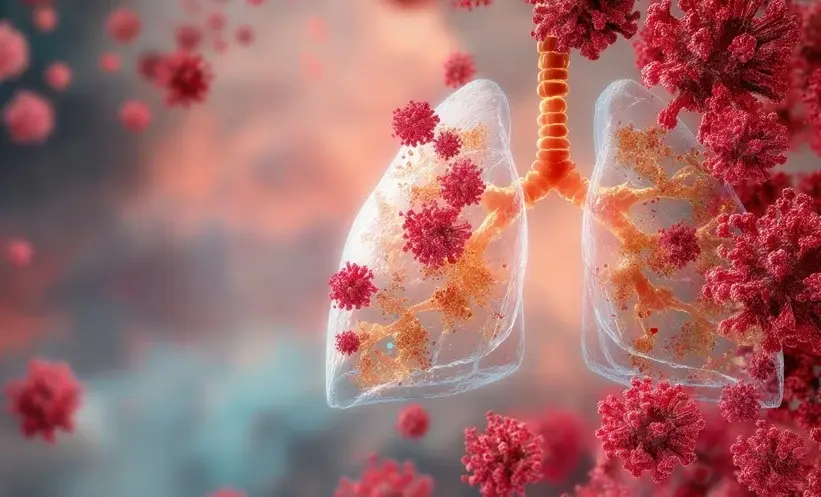
Before discussing treatment, patients need to know which major lung cancer group they have.
Non-small cell lung cancer
NSCLC accounts for most lung cancers and includes adenocarcinoma, squamous cell carcinoma, and several less common forms.
Treatment may involve:
- Surgery
- Radiation
- Chemotherapy
- Targeted medicines
- Immune checkpoint drugs
- Combinations of these approaches
NCI lists surgery, chemotherapy, radiation, targeted therapy, and immune-based treatment among the major options for NSCLC.
Small cell lung cancer
Small cell lung cancer, or SCLC, is less common but generally grows and spreads more quickly.
Doctors often divide it into limited-stage and extensive-stage disease. Chemotherapy and radiation remain important, but immune-based medicines have increasingly changed treatment for both groups.
Knowing whether a tumor is NSCLC or SCLC is therefore one of the first steps toward choosing the right therapy.
How Does Immunotherapy Work?
One of the most searched questions in modern oncology is how does immunotherapy work.
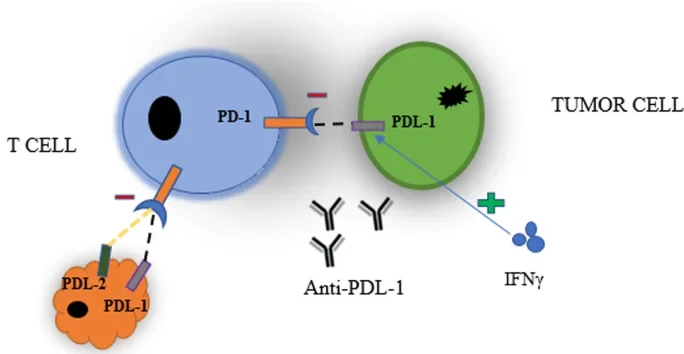
Cancer can sometimes protect itself by using normal biological controls that prevent immune cells from becoming too aggressive. These controls are often called immune checkpoints.
Proteins such as PD-1 and PD-L1 are part of this system.
When the signals interact, they can reduce T-cell activity. Some cancer cells take advantage of this pathway, effectively telling immune cells not to attack.
Checkpoint inhibitors interfere with these signals. As a result, T cells may regain the ability to recognize and attack tumor cells more effectively.
This does not simply make the entire immune system “stronger.” Instead, it changes specific immune pathways involved in the cancer response.
That distinction is important because excessive immune activity can also damage healthy organs.
The Main Types of Immunotherapy in Lung Cancer Care
When people research the types of immunotherapy, checkpoint inhibitors are usually the most relevant group in standard lung cancer treatment.
Common checkpoint targets include PD-1, PD-L1, and CTLA-4.
Depending on the exact cancer and clinical situation, doctors may use medicines such as:
- Pembrolizumab
- Nivolumab
- Durvalumab
- Atezolizumab
- Ipilimumab
Some are given alone. Others are combined with chemotherapy or another immune-active drug.
There are also newer immune approaches.
For example, tarlatamab is a bispecific T-cell engager designed to connect T cells with small lung cancer cells expressing DLL3. The FDA granted the drug traditional approval in November 2025 for adults with extensive-stage SCLC whose disease progressed during or after platinum-based chemotherapy.
This is one example of how immune treatment is moving beyond conventional checkpoint blockade.
Immunotherapy for Lung Cancer Before Surgery
One of the most important recent changes is the use of immune treatment around surgery.
This is known as perioperative treatment.
Pembrolizumab before and after surgery
The FDA approved pembrolizumab with platinum-containing chemotherapy before surgery, followed by pembrolizumab alone after surgery, for certain patients with resectable NSCLC measuring at least 4 cm or involving lymph nodes.
Treatment given before surgery is called neoadjuvant therapy.
Treatment given afterward is called adjuvant therapy.
The strategy aims to attack visible cancer before surgery while also treating microscopic cancer cells that may remain afterward.
Nivolumab perioperative treatment
In October 2024, the FDA also approved nivolumab with platinum-doublet chemotherapy before surgery, followed by nivolumab alone afterward, for certain adults with resectable NSCLC. Patients covered by this indication do not have known EGFR mutations or ALK rearrangements.
These approvals illustrate why comprehensive tumor testing matters.
Two patients with apparently similar lung tumors may require very different treatment plans based on their cancer’s molecular biology.
Why Genetic Testing Can Be as Important as PD-L1
A common misconception is that every advanced lung cancer patient should receive checkpoint treatment first.
That is not always true.
NSCLC tumors may carry genetic changes involving genes such as:
- EGFR
- ALK
- ROS1
- BRAF
- MET
- RET
- KRAS
- NTRK
Some of these changes have specific targeted medicines.
In fact, the FDA continued expanding targeted lung cancer options in 2026. On July 22, 2026, it approved zidesamtinib for certain previously treated adults with locally advanced or metastatic ROS1-positive NSCLC.
That approval is not an immune treatment, but it reinforces an important lesson: testing should come before assuming which treatment category is best.
For a tumor with an actionable driver mutation, targeted therapy may be preferred in settings where an effective targeted medicine is available.
The Importance of PD-L1 Testing
PD-L1 is one of the most familiar biomarkers associated with checkpoint treatment.
Doctors may test tumor tissue to determine how much PD-L1 is being expressed.
In some metastatic NSCLC settings, higher PD-L1 expression can support the use of a checkpoint inhibitor without chemotherapy, provided other clinical and molecular requirements are met.
However, PD-L1 is not a perfect predictor.
A high value does not guarantee that the cancer will respond. Likewise, a low result does not always mean immune treatment has no role, particularly when it is combined with chemotherapy.
Therefore, biomarker results need to be interpreted as part of the complete clinical picture.
Treatment for Stage III Lung Cancer
Stage III lung cancer is particularly complex because tumors can differ greatly in size, location, and lymph-node involvement.
Some stage III cancers can be removed surgically.
Others are considered unresectable.
For selected patients with unresectable stage III NSCLC whose disease has not progressed after concurrent chemoradiation, durvalumab became an important consolidation treatment following the PACIFIC trial. NCI notes that long-term follow-up demonstrated survival benefits from this approach.
This changed stage III treatment significantly.
Instead of ending treatment after chemotherapy and radiation, eligible patients may receive ongoing immune checkpoint therapy to reduce the risk of cancer progression.
Advanced and Metastatic Non-Small Cell Lung Cancer
For metastatic NSCLC, the treatment plan depends heavily on tumor histology, molecular results, PD-L1 expression, previous treatment, and general health.
Checkpoint drugs may be used alone or with chemotherapy.
For example, pembrolizumab plus platinum-based chemotherapy has long been an established first-line strategy in several metastatic NSCLC settings.
The key point is that immunotherapy for cancer is no longer viewed as one simple treatment category.
Modern oncology increasingly asks:
Which immune drug? For which tumor? At which stage? With which partner treatment?
Those questions are much more useful than simply asking whether immune treatment “works.”
Small Cell Lung Cancer Has Changed Too
Progress is not limited to NSCLC.
Limited-stage disease
On December 4, 2024, the FDA approved durvalumab for adults with limited-stage SCLC whose cancer had not progressed after concurrent platinum-based chemotherapy and radiation.
The decision followed evidence that adding durvalumab after chemoradiation could improve outcomes in this difficult cancer type.
Extensive-stage disease
Immune checkpoint drugs are also used in extensive-stage SCLC.
Then, in October 2025, the FDA approved lurbinectedin plus atezolizumab as maintenance therapy for adults with extensive-stage SCLC whose disease had not progressed after first-line treatment with atezolizumab, carboplatin, and etoposide.
A month later, tarlatamab received traditional FDA approval for extensive-stage SCLC after progression on or after platinum chemotherapy.
Together, these developments show how quickly small cell lung cancer treatment has expanded.
Can Immunotherapy Cure Stage 4 Lung Cancer?
The question can immunotherapy cure stage 4 cancer reflects a very understandable hope.
For most people with metastatic lung cancer, doctors generally discuss long-term control rather than promise a cure.
However, checkpoint medicines have changed expectations because some patients experience responses that last for years.
The challenge is that not everyone responds.
NCI notes that immune-based therapies are now used across stages of NSCLC, yet they remain effective in only a portion of patients. Researchers are therefore studying biomarkers and combinations that could identify or create better responders.
A long-lasting response can be life-changing. Still, individual results depend on tumor biology, disease burden, biomarkers, treatment history, and overall health.
Side Effects of Immunotherapy for Lung Cancer
The side effects of immunotherapy for lung cancer differ from classic chemotherapy because checkpoint medicines change immune activity.
Common problems can include:
- Fatigue
- Skin rash
- Itching
- Diarrhea
- Joint discomfort
- Changes in thyroid function
However, more serious immune-related reactions can occur when immune cells attack healthy organs.
Possible complications include inflammation of the:
- Lungs
- Colon
- Liver
- Kidneys
- Thyroid
- Pituitary gland
- Heart
- Nervous system
For lung cancer patients, pneumonitis deserves particular attention because symptoms such as coughing and shortness of breath can overlap with symptoms caused by lung cancer, infection, radiation, or other conditions.
For example, FDA data for durvalumab after treatment of limited-stage SCLC identified pneumonitis or radiation pneumonitis and fatigue among the common adverse reactions.
Patients should report new breathing problems, severe diarrhea, yellowing of the skin, major weakness, persistent headaches, or other significant new symptoms promptly.
Early management of immune-related reactions can be important.
Is Immunotherapy Better Than Chemotherapy?
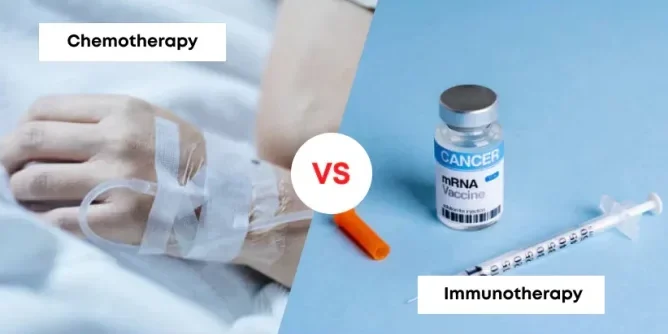
Neither treatment is universally “better.”
Chemotherapy directly interferes with the growth and division of cancer cells. Immunotherapy works through immune mechanisms.
In some situations, doctors combine both approaches because they may work better together.
In other cases, a targeted drug may be more appropriate.
For example, someone with a targetable EGFR alteration may follow a very different treatment path from a patient whose tumor has no targetable driver mutation but very high PD-L1 expression.
The most effective treatment is therefore not determined by which therapy sounds newest. It depends on the biology and stage of the individual cancer.
Why Other Cancer Immunotherapies Are Different
Search results can sometimes make cancer treatment appear more uniform than it really is.
Breast cancer immunotherapy, for example, is most established in selected triple-negative breast cancers and follows different biomarker rules.
Likewise, immunotherapy for liver cancer may involve combinations developed specifically for hepatocellular carcinoma and the patient’s liver function.
Even oral immunotherapy usually refers to allergy treatment, where patients receive carefully measured amounts of an allergen. It is not the same as checkpoint treatment used in oncology.
Therefore, patients should always use cancer-specific information rather than assuming that results from one disease apply to another.
Early Detection Plus Precision Treatment: The Bigger Picture
The most exciting change in lung cancer is not a single drug.
It is the way screening, pathology, molecular testing, surgery, radiation, targeted therapy, and immune medicine now work together.
Consider two simplified examples.
A high-risk smoker may undergo low-dose CT screening, have a suspicious small tumor identified, receive diagnostic testing, and discover potentially resectable NSCLC. Depending on stage and tumor biology, surgery and perioperative treatment may then be considered.
Another patient may first present with metastatic disease. Comprehensive genomic and biomarker testing may reveal a targetable mutation or point toward a checkpoint-based treatment.
The starting points are different, and so are the treatment paths.
That is personalized oncology in practice.
Questions to Ask Before Starting Treatment
Patients can make oncology appointments more productive by asking focused questions:
- Do I have NSCLC or SCLC?
- What exact stage is my cancer?
- Has my tumor had comprehensive molecular testing?
- What is my PD-L1 result?
- Do I have an actionable driver mutation?
- Could surgery still be part of my treatment?
- Would treatment before surgery help me?
- Will I receive chemotherapy with the checkpoint drug?
- Which side effects require an urgent call?
- Are there clinical trials appropriate for my cancer?
Taking notes or bringing a family member to important appointments can also help when several treatment choices need to be discussed.
What Is Next for Lung Cancer Treatment?
Researchers are trying to understand why some tumors respond strongly to immune treatment while others resist it.
NCI reports that current studies are testing new combinations of checkpoint medicines with chemotherapy and other drugs. Researchers are also investigating new immune targets and ways to predict which patients will benefit.
Meanwhile, treatment delivery itself continues to evolve.
In September 2025, the FDA approved a subcutaneous formulation combining pembrolizumab with berahyaluronidase alfa for solid-tumor indications already covered by intravenous pembrolizumab, creating another administration option for eligible indications.
The overall direction is clear: lung cancer treatment is becoming more precise, more stage-specific, and more biomarker-driven.
Conclusion
Immunotherapy for lung cancer has changed the treatment landscape, but its success begins with accurate diagnosis.
Finding lung cancer earlier can increase the chance that surgery or other curative-intent treatment remains possible. For selected NSCLC patients, checkpoint drugs can now be used before surgery, after surgery, or both. In unresectable stage III disease, immune treatment can follow chemoradiation, while advanced NSCLC has several checkpoint-based options.
Small cell lung cancer has also seen major progress, including durvalumab for limited-stage disease and newer options for extensive-stage cancer.
Still, no single treatment works for everyone.
Early detection, accurate staging, molecular testing, and thoughtful treatment selection now matter more than ever. For patients, the most encouraging development is not simply having more drugs—it is having better ways to determine which treatment is most likely to help.
FAQs
Does immune therapy work better when lung cancer is found early?
Not automatically. However, finding resectable NSCLC earlier can create opportunities for treatments given before or after surgery, including checkpoint-based approaches for eligible patients.
What lung cancer responds best to checkpoint treatment?
Response depends on several factors, including NSCLC versus SCLC, stage, PD-L1 expression, molecular changes, and previous therapy. No single lung cancer group responds in every patient.
Can immune treatment shrink stage 4 lung cancer?
Yes, some metastatic lung cancers respond significantly and may remain controlled for long periods. However, not all tumors respond, and treatment should not be presented as a guaranteed cure.
How long do patients receive checkpoint therapy?
Treatment length varies by drug, stage, response, side effects, and clinical setting. Some perioperative regimens have defined schedules, while treatment of metastatic disease may continue until a planned limit, progression, or unacceptable toxicity.
Should everyone at risk for lung cancer get a CT scan?
No. Current USPSTF recommendations focus on adults aged 50–80 with at least a 20 pack-year smoking history who currently smoke or quit within the past 15 years. Eligibility should be discussed with a clinician.
⭐ Make MindLiva Your Preferred Source on Google
Get trusted health, wellness, and lifestyle articles from MindLiva.
Add MindLiva
Samie Babaei is a medical science student at Shahid Beheshti University of Medical Sciences with a strong interest in health, wellness, and medical research. As a health writer and researcher at MindLiva, she focuses on creating clear, evidence-based content that helps readers better understand health and well-being.