




What Are the Worst Side Effects of Immunotherapy in Cancer?
Starting a new cancer treatment often brings two emotions at once: hope that it will work and concern about what it may do to the rest of the body. For people receiving immune-based cancer treatment, those concerns are understandable.
So, what are the worst side effects of immunotherapy, and how worried should patients actually be?
Many patients experience only manageable problems such as tiredness, rash, itching, or diarrhea. However, immune-based treatments can occasionally cause the body’s defense system to attack healthy organs. These reactions may affect the lungs, heart, bowel, liver, hormone glands, kidneys, nervous system, or skin. Some can become life-threatening if they are not recognized quickly.
The key is not to panic. Instead, patients should know the warning signs and report unusual symptoms early. This article explains the most serious reactions, how they differ from common effects, and why quick treatment matters.
What Are the Worst Side Effects of Immunotherapy?
The most concerning reactions are generally called immune-related adverse events, or irAEs. They happen when an activated immune system attacks healthy tissue as well as cancer.
The FDA warns that immune-mediated reactions from PD-1 and PD-L1 checkpoint-blocking drugs can be severe or fatal, may involve virtually any organ or tissue, and can affect more than one body system at the same time. They may also appear after treatment has stopped.
The most serious problems include:
- Pneumonitis — inflammation of the lungs
- Myocarditis — inflammation of the heart muscle
- Severe colitis — inflammation of the colon
- Hepatitis — inflammation of the liver
- Serious hormone gland problems
- Neurologic inflammation or weakness
- Kidney inflammation
- Severe skin reactions
- Cytokine release syndrome
- Immune-related brain or nerve toxicity
Importantly, these severe complications are not what every patient should expect. Common checkpoint-inhibitor effects are much more likely to include rash, diarrhea, and fatigue.
Why Can Cancer Immune Treatment Cause Serious Reactions?
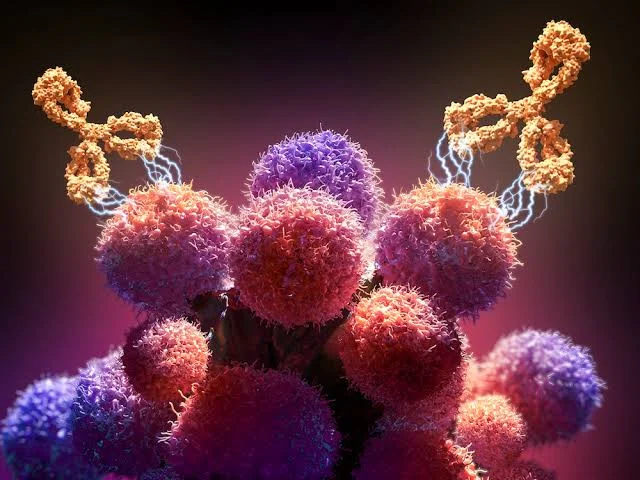
To understand the risks, it helps to first ask how does immunotherapy work.
Cancer can use natural immune checkpoints to reduce the activity of T cells that might otherwise attack it. Checkpoint inhibitors block some of these signals, allowing immune cells to remain active against cancer.
That increased activity can be beneficial against a tumor.
However, removing immune “brakes” can sometimes make immune cells attack healthy tissue. The result is inflammation in organs that were previously functioning normally.
This explains why immunotherapy has a side-effect pattern that differs from traditional chemotherapy.
Chemotherapy often harms rapidly dividing cells, which can lead to hair loss, low blood counts, or digestive problems. Immune-related treatment toxicity is different because it can resemble an autoimmune condition.
A practical insight for patients is simple: a new symptom does not have to feel severe at first to deserve attention. A mild cough, increasing diarrhea, unusual weakness, or new headache can sometimes be an early sign of a larger immune reaction.
1. Pneumonitis: A Serious Lung Reaction
Pneumonitis means inflammation inside the lungs.
It can cause:
- A new or worsening cough
- Shortness of breath
- Chest discomfort
- Trouble breathing during activity
- Low oxygen levels
The National Cancer Institute lists pneumonitis among the inflammatory reactions that may occur when checkpoint treatment activates immune responses against normal tissue.
Pneumonitis is particularly important because breathing problems can worsen quickly.
Patients receiving immunotherapy for lung cancer may already have coughing or shortness of breath because of the cancer itself, previous radiation, infection, or another lung condition. That can make a new treatment-related problem harder to identify.
For this reason, a noticeable change from a patient’s normal breathing pattern should be discussed with the oncology team rather than assumed to be part of the cancer.
Side Effects of Immunotherapy for Lung Cancer
The phrase side effects of immunotherapy for lung cancer includes both mild symptoms and potentially dangerous immune reactions.
Fatigue, rash, itching, thyroid changes, and diarrhea may occur, while pneumonitis is one of the more serious problems doctors watch for. NCI lung cancer data also document immune-related events including hepatitis, pneumonitis, thyroid disorders, rash, and colitis in checkpoint-containing treatment regimens.
2. Myocarditis: Rare but Potentially Dangerous
Myocarditis is inflammation of the heart muscle.
Although uncommon, it deserves special attention because severe cases can progress rapidly. NCI has described checkpoint-inhibitor-associated myocarditis as a rare but potentially fatal complication.
Possible warning signs include:
- Chest pain
- Shortness of breath
- Racing or irregular heartbeat
- Unusual weakness
- Fainting
- Sudden difficulty exercising
These symptoms should not simply be watched at home.
Moreover, heart-related symptoms can overlap with other medical problems. That is why healthcare teams may use blood tests, an electrocardiogram, heart imaging, and other assessments when myocarditis is suspected.
3. Severe Colitis and Diarrhea
Diarrhea is relatively common with checkpoint treatment. Severe colitis is a different problem.
Colitis means inflammation of the colon. It can become dangerous when inflammation causes heavy fluid loss, bleeding, severe abdominal pain, or damage to the bowel. NCI identifies colon inflammation among important organ-related immune reactions.
Warning signs can include:
- Frequent watery bowel movements
- Blood or mucus in stool
- Strong abdominal cramps
- Fever
- Severe tenderness
- Dizziness or dehydration
A patient whose bowel habits suddenly change should tell the cancer care team.
For example, going from one bowel movement a day to six or seven loose stools is more meaningful than simply saying, “I have some diarrhea.” Tracking the number and severity of episodes gives clinicians better information.
4. Hepatitis and Liver Injury
Immune cells can also attack liver tissue, leading to hepatitis.
Unlike colitis or pneumonitis, liver inflammation may cause few obvious symptoms in its early stages. Doctors may first discover it through abnormal blood tests.
Possible symptoms include:
- Yellow skin or eyes
- Dark urine
- Pain on the right side of the abdomen
- Severe tiredness
- Nausea
- Reduced appetite
Checkpoint-inhibitor treatment is known to cause immune-related liver inflammation, which is why liver enzymes are often monitored during therapy.
The same safety concerns apply when doctors consider immunotherapy for liver cancer, although treatment decisions can be particularly complex because some patients already have reduced liver function or cirrhosis.
5. Hormone Problems Can Become Long Lasting
Checkpoint drugs can inflame hormone-producing glands.
The thyroid, pituitary gland, adrenal glands, and pancreas can all be affected. NCI notes that pituitary inflammation may cause headaches and fatigue, while adrenal inflammation can lead to weakness, reduced appetite, weight loss, and abdominal pain. Thyroid inflammation can cause either overactive or underactive thyroid function.
Possible symptoms include:
- Extreme tiredness
- Dizziness
- Headache
- Feeling unusually cold
- Fast heartbeat
- Unexplained weight change
- Excessive thirst
- Muscle weakness
These symptoms can be easy to dismiss because fatigue is already common during cancer treatment.
However, some endocrine problems may require long-term hormone replacement even after the immune reaction itself has been controlled. Long-term effects have been documented among people treated with checkpoint inhibitors.
6. Neurologic Side Effects
Serious nervous-system reactions are uncommon but potentially severe.
Immune activity can affect the brain, spinal cord, nerves, or muscles. Reported immune-related conditions include encephalitis, neuropathies, myasthenia-like syndromes, Guillain-Barré syndrome, and muscle inflammation.
Red flags include:
- New confusion
- Difficulty speaking
- Severe muscle weakness
- Loss of balance
- Numbness or tingling
- Vision changes
- Seizures
- Trouble swallowing
New neurologic symptoms need medical assessment because they can also result from cancer progression, infection, stroke, medication effects, or other conditions.
7. Severe Skin Reactions
A mild rash or itchy skin is relatively common. However, not every skin reaction is minor.
Rare immune-related reactions can produce widespread blistering, peeling, painful skin, or serious inflammation of mucous membranes. FDA prescribing information for checkpoint inhibitors warns about severe skin reactions, including conditions that may require treatment to be stopped.
Patients should seek medical advice promptly for:
- Rapidly spreading rash
- Blisters
- Skin peeling
- Painful sores in the mouth
- Rash combined with fever
- Swelling of the face
Taking photographs when a rash first appears can also help the care team see how quickly it is changing.
8. Kidney Inflammation
The kidneys may also become targets of immune-related inflammation.
Nephritis can reduce kidney function. It may be detected through rising creatinine levels on blood tests before a patient notices major symptoms. FDA safety information for checkpoint-directed drugs includes nephritis with kidney dysfunction among known immune-mediated reactions.
Possible warning signs include swelling, reduced urine, changes in urine appearance, nausea, or unusual fatigue.
However, these symptoms are not specific to nephritis. Blood and urine testing are usually needed to understand the cause.
CAR T-Cell Therapy Has a Different Risk Profile
The types of immunotherapy used in cancer care do not share exactly the same side effects.
Checkpoint inhibitors mainly raise concern about immune-related inflammation. CAR T-cell therapy has two particularly important complications: cytokine release syndrome (CRS) and immune effector cell-associated neurotoxicity syndrome (ICANS).
Cytokine Release Syndrome

CAR T cells can release a large amount of inflammatory signaling molecules known as cytokines.
Severe CRS can cause:
- Very high fever
- Rapid heartbeat
- Low blood pressure
- Low oxygen
- Breathing problems
- Organ dysfunction
NCI explains that severe CRS can cause dangerously high fever and sudden drops in blood pressure and, in rare cases, can be fatal.
ICANS and Brain Effects
CAR T treatment can also cause neurologic toxicity.
Symptoms may include confusion, difficulty communicating, tremors, altered mental status, and seizures. Severe cases can be life-threatening.
Because these problems can develop quickly, CAR T therapy is provided with careful monitoring and specific safety protocols.
Common Side Effects vs. Dangerous Side Effects
Not every symptom signals an emergency.
| More Common/Usually Manageable | Potential Red Flags |
| Mild fatigue | Severe or rapidly worsening weakness |
| Mild rash | Blistering or peeling skin |
| Mild diarrhea | Frequent diarrhea or blood in stool |
| Temporary itching | Rash with fever or swelling |
| Mild nausea | Severe abdominal pain |
| Minor joint aches | New severe muscle weakness |
| Mild cough | New shortness of breath |
| Appetite change | Yellow skin or dark urine |
The purpose of knowing these differences is not to self-diagnose.
Instead, patients should understand when a change deserves a phone call or urgent assessment.
Can Serious Reactions Happen After Treatment Ends?
Yes.
One unusual feature of immune checkpoint treatment is that adverse effects may begin during treatment or after the medicine has been discontinued. Both NCI and FDA patient-safety information emphasize that timing can be unpredictable.
That means patients should tell emergency doctors and other healthcare professionals about previous checkpoint treatment even when their last dose was weeks or months earlier.
Keeping the drug name in a phone medical record or wallet card can be useful.
How Are Severe Immune Side Effects Treated?
Treatment depends on which organ is affected and how severe the reaction is.
Doctors may:
- Temporarily stop the cancer drug
- Permanently discontinue it for certain life-threatening reactions
- Use corticosteroids to suppress excessive immune activity
- Order specialist evaluation
- Provide hormone replacement for endocrine damage
- Use additional immune-suppressing medicines when needed
FDA prescribing information stresses that early identification and management are essential for serious immune-mediated reactions.
Therefore, reporting symptoms early can make a meaningful difference.
Patients should never start, stop, or change steroids or other medicines without guidance from their cancer team.
Does the Risk Change With the Cancer Type?
The drug and treatment combination often matter more than the location of the original tumor.
For example, breast cancer immunotherapy may involve a checkpoint inhibitor combined with other cancer treatments in selected patients. The symptoms a patient experiences may therefore reflect more than one medicine.
Similarly, adverse reactions during combination therapy can be difficult to attribute to one drug without medical evaluation.
This is why treatment teams look at the entire regimen, not only one medicine.
Benefits Still Need to Be Considered Alongside Risks
Reading about severe toxicities can make these treatments sound frightening. However, risk should always be considered alongside potential benefit.
Some people searching can immunotherapy cure stage 4 cancer are hoping for a simple answer. Advanced cancer outcomes vary greatly, and a cure cannot be promised. Still, certain immune-based therapies can produce deep and durable responses in selected patients.
The right question is therefore not simply, “Is this treatment dangerous?”
A better discussion is:
What is my expected benefit, what are my personal risks, and how will my healthcare team monitor those risks?
Why Side-Effect Monitoring Is a Fresh Focus in 2026
Immune-based cancer treatment continues to expand.
On August 6, 2026, the FDA granted accelerated approval to a genetically modified oncolytic viral therapy used with nivolumab for certain adults with advanced melanoma after progression on prior PD-1-based treatment.
At the same time, side-effect detection remains an active research priority. An NCI-listed 2026 clinical trial is evaluating enhanced patient-reported symptom monitoring and rapid referral to toxicity specialists for melanoma patients receiving checkpoint inhibitors.
That development highlights an important trend: modern cancer treatment is not only about creating more powerful therapies. Researchers are also trying to recognize and manage treatment toxicity earlier.
What About Oral Immunotherapy?

The phrase oral immunotherapy is commonly associated with allergy treatment rather than standard immune checkpoint cancer therapy.
Cancer immune treatments can be given in several ways depending on the medicine, including intravenous infusions, injections, cellular infusions, and other routes.
Patients should therefore check the exact drug name and purpose instead of assuming treatments with similar names work in the same way.
When Should You Call the Cancer Team?
Patients should follow the emergency instructions provided by their own oncology team. In general, new or rapidly worsening symptoms deserve prompt attention.
Examples include:
- Difficulty breathing
- Chest pain
- Severe diarrhea
- Blood in stool
- Yellowing of the skin or eyes
- Severe weakness
- Confusion
- Seizures
- New major muscle weakness
- Severe abdominal pain
- Rapidly spreading or blistering rash
- High fever, especially after cellular therapy
If symptoms are severe or rapidly worsening, urgent medical assessment may be necessary.
Do not assume a symptom is “just a treatment side effect.” Infection, blood clots, cancer progression, heart problems, and other conditions can cause similar symptoms and may also need urgent care.
What Are the Worst Side Effects of Immunotherapy? Final Takeaway
Understanding what are the worst side effects of immunotherapy does not mean assuming that severe complications will happen.
For most patients, the more familiar problems are fatigue, rash, itching, diarrhea, or other manageable reactions. Serious immune-related complications are less common, but they matter because the lungs, heart, liver, bowel, hormone glands, kidneys, nervous system, and skin can potentially be affected.
CAR T-cell treatment carries its own important risks, particularly CRS and neurologic toxicity.
The main takeaway is simple: early reporting matters.
Do not wait for a mild new symptom to become severe before mentioning it. Knowing your normal baseline, keeping track of changes, and maintaining close contact with your oncology team can make treatment safer.
Frequently Asked Questions
What is the most dangerous immune-related cancer treatment side effect?
There is no single worst reaction. Severe pneumonitis, myocarditis, colitis, hepatitis, neurologic reactions, and other organ inflammation can all become dangerous. Myocarditis is particularly concerning because rare cases can be fatal.
Can side effects appear months after treatment?
Yes. Immune-related reactions may occur during therapy or after treatment has stopped. Patients should tell healthcare providers about their cancer treatment history when new unexplained symptoms occur.
Are severe reactions common?
Most people do not develop every serious complication. With checkpoint inhibitors, common effects include fatigue, rash, and diarrhea, while severe organ inflammation is less common. Individual risk varies by drug and treatment combination.
Does every patient need to stop treatment after a serious reaction?
No. Management depends on the organ involved and severity. Doctors may pause treatment, treat the reaction, restart therapy later, or permanently stop the drug when the risk is considered too high.
Can side effects become permanent?
Some can. Long-term checkpoint-inhibitor effects have been documented, particularly endocrine and other chronic immune-related conditions. Some patients may require ongoing medical treatment after cancer therapy ends.
⭐ Make MindLiva Your Preferred Source on Google
Get trusted health, wellness, and lifestyle articles from MindLiva.
Add MindLiva
Samie Babaei is a medical science student at Shahid Beheshti University of Medical Sciences with a strong interest in health, wellness, and medical research. As a health writer and researcher at MindLiva, she focuses on creating clear, evidence-based content that helps readers better understand health and well-being.