



How Oral Immunotherapy Transforms Allergy Treatment Options
What if a tiny accidental bite of peanut, egg, or milk did not automatically carry the same level of fear?
For families living with serious food allergies, avoiding allergens can affect grocery shopping, restaurants, schools, holidays, and even simple social events. Oral immunotherapy has changed the conversation by offering some patients a way to increase the amount of food allergen needed to trigger a reaction.
However, this treatment is not a cure, and the allergy does not simply disappear. It requires careful medical supervision, regular dosing, and an emergency plan.
Moreover, 2026 has brought an important change: Palforzia, the first FDA-approved peanut OIT product, has been withdrawn from the U.S. market. Even so, specialist-led OIT and other approaches remain part of the evolving food-allergy treatment landscape.
This guide explains how the treatment works, who may benefit, what risks families should understand, and how allergy care is changing.
What Is Oral Immunotherapy?

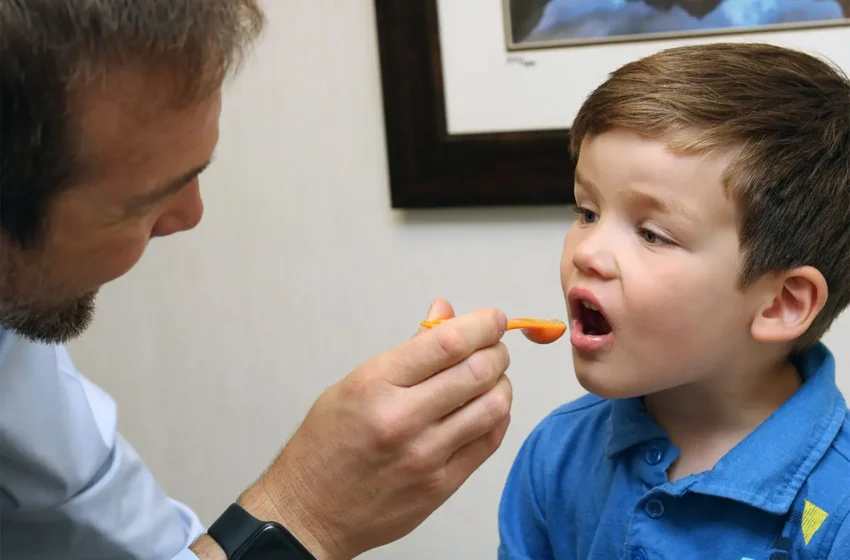
Oral immunotherapy is a treatment approach in which a person with a food allergy eats carefully measured amounts of the food allergen under the direction of an allergy specialist.
Treatment normally starts with an amount small enough to reduce the chance of a serious reaction. The dose is then increased gradually until the patient reaches a planned maintenance level.
For example, someone with peanut allergy may begin with an extremely small quantity of peanut protein. Over time, the amount may be increased as long as the patient can safely tolerate each dose.
The goal is usually desensitization. In simple terms, desensitization means increasing the amount of allergen needed to cause symptoms.
That difference matters. A child who once reacted to a very small accidental exposure may, after successful treatment, tolerate a larger amount before symptoms appear. This may offer an extra layer of protection in everyday situations.
However, patients still generally need to avoid the food and keep epinephrine available. The American Academy of Allergy, Asthma & Immunology (AAAAI) emphasizes that OIT is not considered a cure and should not be viewed as permission to eat the allergen freely.
How Oral Immunotherapy Changes the Immune Response
Food allergy develops when the immune system responds to a normally harmless food protein as if it were dangerous.
In IgE-mediated food allergy, immunoglobulin E antibodies play an important role. When the allergen enters the body, these antibodies can help trigger the release of chemicals responsible for symptoms such as hives, swelling, vomiting, wheezing, or anaphylaxis.
The basic idea behind OIT is repeated, controlled exposure.
The treatment usually follows three broad stages
- Starting dose: A very small amount is given under close medical supervision.
- Dose increases: The amount is raised step by step during scheduled appointments.
- Maintenance: Once the planned dose is reached, the patient continues taking it regularly.
The exact schedule depends on the food, medical history, treatment protocol, and specialist.
Consistency is important because desensitization often depends on continued exposure. AAAAI notes that ongoing dosing will probably be needed for many patients because long-lasting protection after stopping treatment is not guaranteed.
How Effective Is Oral Immunotherapy?
The most important question for families is often simple: Does it actually work?
Clinical research suggests that OIT can substantially increase food-allergen tolerance in many patients. According to AAAAI, studies of peanut, egg, and milk OIT have reported desensitization in roughly 60% to 80% of participants studied.
However, those numbers need context.
Success in a clinical trial is usually measured with an oral food challenge. A patient may be considered desensitized when they can tolerate more of the allergen than before treatment without developing dose-limiting symptoms.
That does not necessarily mean the allergy is gone.
Desensitization versus lasting tolerance
These two terms are easy to confuse.
Desensitization means greater protection while regular allergen exposure continues.
Sustained unresponsiveness means some protection remains after treatment has been stopped for a period of time.
Research suggests sustained unresponsiveness can occur, particularly in some younger patients, but results vary greatly depending on age, allergen, treatment length, dose, and how long therapy has been stopped.
Therefore, a practical way to judge success is not, “Can I now eat this food whenever I want?” A more useful question is, “Has my reaction threshold increased enough to reduce the danger from accidental exposure?”
Oral Immunotherapy for Peanut Allergy: What Changed in 2026?
Peanut allergy has been one of the most studied areas of food-allergy desensitization.
Palforzia became the first FDA-approved OIT product for peanut allergy in 2020. Its approved age range was later expanded so treatment could be initiated in children as young as one year.
However, the situation has now changed significantly.
Palforzia has left the U.S. market
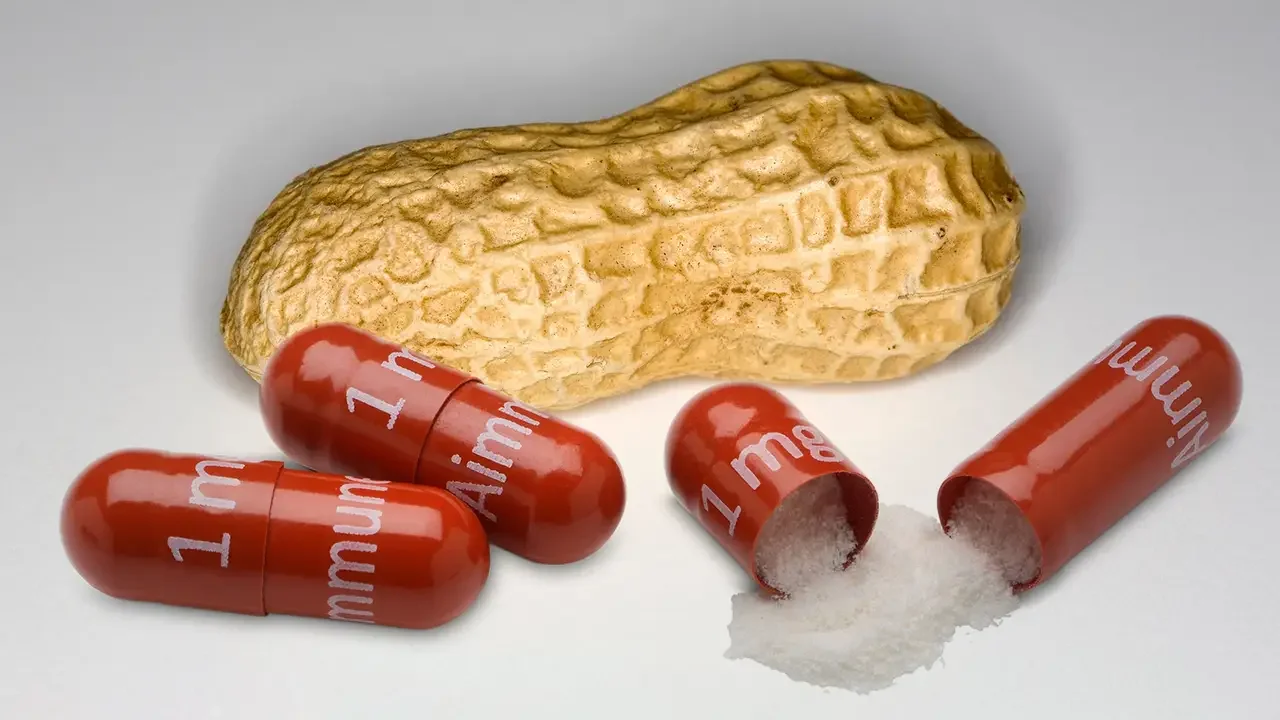
As of August 2026, Palforzia is no longer commercially distributed in the United States. The official REMS website states that new patients cannot begin Palforzia treatment, and the related safety program is being discontinued following withdrawal of the product.
The product was discontinued on July 31, 2026. Reports citing the manufacturer state that the decision was not related to concerns about its safety, quality, or effectiveness.
This is an important Google Discover-style update because patients may still find older articles describing Palforzia as a currently available FDA-approved peanut treatment.
Does that mean OIT has ended?
No.
AAAAI states that multiple allergy practices continue to offer food OIT, even though the previously available FDA-approved peanut product is no longer being produced.
Some specialists use carefully structured office-based protocols. However, these approaches do not carry the same FDA-approved product status that Palforzia once had.
For that reason, patients should discuss the exact treatment protocol, supporting evidence, dosing method, costs, and safety monitoring with a board-certified allergist.
Never attempt food desensitization at home without specialist guidance.
Who May Be a Good Candidate?
There is no universal profile for the ideal patient.
An allergist normally begins by confirming whether the patient truly has an IgE-mediated food allergy. Medical history, testing, previous reactions, asthma control, other allergic conditions, and family goals can all influence the decision.
Possible considerations include:
- A confirmed food allergy
- Risk of accidental exposure
- Severity of previous reactions
- Age of the patient
- Ability to take doses consistently
- Ability to attend regular appointments
- Asthma control
- History of digestive or esophageal disease
- Family comfort with treatment risks
- Access to emergency medication
Moreover, some young children naturally outgrow allergies such as milk or egg allergy. That possibility should be considered before starting a long treatment program.
In contrast, peanut allergy is more likely to remain long term in many patients.
The decision should therefore be based on individual risk, lifestyle, treatment goals, and medical history, rather than fear alone. AAAAI recommends shared decision-making between the patient, family, and physician.
Benefits That Go Beyond a Food Challenge
The most obvious benefit of successful treatment is raising the amount of allergen needed to produce symptoms.
However, the practical value may go further.
Imagine a child attending a birthday party where food labels are unclear. The family still needs to be careful, but knowing that a trace amount is less likely to cause a serious reaction may reduce some of the anxiety surrounding everyday activities.
Potential benefits can include:
- Greater protection from small accidental exposures
- A higher reaction threshold
- More confidence in social settings
- Reduced fear surrounding cross-contact
- Potential improvement in food-allergy-related quality of life
Nevertheless, these benefits vary by patient.
OIT does not make restaurants, packaged foods, or cross-contact completely safe. Patients should continue following the safety plan created by their allergist.
Risks and Side Effects of Oral Immunotherapy
Because treatment deliberately exposes an allergic patient to the food that causes reactions, side effects are expected to be an important part of the discussion.
Common symptoms may include:
- Mouth or throat itching
- Stomach pain
- Nausea
- Vomiting
- Abdominal cramping
- Hives
- Swelling
- Wheezing
More serious reactions, including anaphylaxis, can also occur.
Patients therefore usually continue carrying epinephrine throughout treatment.
Eosinophilic esophagitis deserves attention
Another concern is eosinophilic esophagitis, often called EoE.
EoE is an inflammatory condition affecting the esophagus. Symptoms can include trouble swallowing, vomiting, abdominal discomfort, feeding difficulties, or food becoming stuck.
AAAAI recognizes EoE as a condition reported in some OIT patients. More recent AAAAI research summaries have estimated an incidence of about 5% during OIT, although understanding the exact relationship remains an active area of study.
Persistent stomach pain, swallowing problems, or repeated vomiting should therefore be discussed promptly with the treating specialist.
Daily Life During Treatment
OIT is more than taking a small amount of food each morning.
Treatment can require months or years of daily commitment. During dose increases, patients may also need frequent visits to the allergy clinic.
Certain factors can sometimes increase the likelihood of reactions around dosing.
For example, allergists may give instructions about exercise, illness, hot showers, fasting, or timing doses around physical activity. AAAAI notes that home precautions may include monitoring after dosing and avoiding increases in body temperature for several hours afterward.
This makes routine important.
A family considering treatment should ask whether daily dosing realistically fits school, sports, vacations, work schedules, and other commitments.
OIT Versus Omalizumab: Allergy Care Is Expanding

OIT is no longer the only active treatment being discussed for food allergy.
In February 2024, the FDA approved omalizumab (Xolair) for certain adults and children aged one year or older with IgE-mediated food allergy. Its purpose is to reduce allergic reactions, including the risk of anaphylaxis, following accidental exposure to one or more foods.
Unlike OIT, omalizumab is an injected monoclonal antibody. It binds IgE and reduces its ability to trigger allergic reactions.
In the FDA-reviewed trial, 68% of participants receiving omalizumab could tolerate at least 600 mg of peanut protein without moderate-to-severe symptoms, compared with 6% receiving placebo. Benefits were also demonstrated for foods including milk, egg, and cashew.
Moreover, a 2025 NIH-supported trial found that omalizumab performed better than multi-food OIT for many participants, largely because reactions and treatment-related problems caused more people to discontinue multi-food OIT.
That does not make one treatment universally better. Instead, it shows how food-allergy care is becoming more personalized.
Is Oral Immunotherapy a Cure?
No.
Food-allergy treatment aims to reduce risk, not guarantee complete freedom from reactions.
Even after successful desensitization, patients may need continued maintenance dosing. They are also generally advised to maintain allergen avoidance and carry epinephrine.
The FDA similarly stresses that patients using omalizumab must continue avoiding their allergens because active treatment does not eliminate the underlying food allergy.
In short, protection is not the same as cure.
That distinction is one of the most important pieces of information families should understand before treatment begins.
Why Allergy Treatment Is Different From Cancer Immune Therapy
The word immunotherapy is used across several areas of medicine, but the treatments are not interchangeable.
People searching how does immunotherapy work may see information about checkpoint inhibitors used in oncology. Likewise, immunotherapy for cancer aims to help the immune system recognize or attack malignant cells, which is very different from gradually exposing an allergic person to a food protein.
Searches such as can immunotherapy cure stage 4 cancer, immunotherapy for lung cancer, side effects of immunotherapy for lung cancer, breast cancer immunotherapy, and immunotherapy for liver cancer refer to cancer treatment rather than allergy desensitization.
Even the types of immunotherapy used in oncology differ greatly from food-allergy therapies.
Therefore, readers should always check whether health information refers to allergy medicine or cancer medicine before applying it to their own care.
What Patients Should Ask Before Starting Oral Immunotherapy
A good consultation should cover much more than whether treatment is available.
Consider asking:
- Is my food allergy confirmed clearly enough to justify treatment?
- What allergen and dosing protocol will you use?
- How often will dose increases happen?
- What reactions should make me stop a dose and call the clinic?
- What should I do if I become sick?
- Can I exercise after taking my dose?
- How long might maintenance treatment continue?
- What happens if I miss several doses?
- What is my risk of EoE?
- Would omalizumab or another approach fit my situation better?
These questions turn treatment into a shared medical decision rather than a simple yes-or-no choice.
What the Future of Food Allergy Treatment Looks Like
Food-allergy research is moving quickly.
Scientists are studying lower-dose protocols, treatment in younger children, multi-food approaches, biologic medicines, skin-based therapy, and combinations designed to improve safety or make desensitization easier.
A 2025 review reported promising results from lower-dose OIT strategies for allergens including peanut, egg, milk, and wheat, although outcomes vary considerably between studies and treatment protocols.
At the same time, the withdrawal of Palforzia shows that scientific effectiveness is not the only factor shaping patient access. Cost, treatment burden, commercial availability, insurance coverage, and the time required from families and allergy clinics can also influence whether a therapy succeeds in everyday practice.
That may be one of the most important lessons from 2026.
The future is unlikely to involve one treatment for every food-allergic patient. Instead, allergy specialists may increasingly choose between avoidance strategies, specialist-led desensitization, biologic medicines, and future therapies based on the needs of each individual.
Conclusion
Oral immunotherapy has changed food-allergy care by moving treatment beyond avoidance alone. For appropriate patients, controlled allergen exposure can raise the reaction threshold and may provide meaningful protection against accidental ingestion.
However, treatment takes time, requires regular dosing, and can cause allergic reactions. It should always be managed by an experienced allergy specialist.
The 2026 withdrawal of Palforzia is an important change, but it does not mark the end of OIT. Specialist-led protocols continue, while medicines such as omalizumab have expanded the options available to patients with food allergies.
The key takeaway is simple: food-allergy care is becoming more personalized. Families now have more to discuss with their allergist than avoidance alone, and future research may provide even safer and more flexible choices.
FAQs
Is oral immunotherapy safe?
It can be appropriate for selected patients when managed by an experienced allergist. However, reactions ranging from mild mouth itching to anaphylaxis can occur, so treatment requires medical supervision and an emergency plan.
Can OIT permanently cure a food allergy?
Usually, no. The main goal is desensitization, and many patients may need continued exposure to maintain protection. Long-term tolerance after stopping treatment varies between individuals.
Can adults receive food OIT?
Some allergy clinics offer treatment to adults, depending on the allergen, medical history, risks, and clinic protocol. Availability can vary, particularly because there is currently no commercially available FDA-approved peanut OIT product in the United States.
Why was Palforzia discontinued?
Palforzia was withdrawn from commercial distribution in the United States in 2026. Reports citing the manufacturer indicate that the decision was not caused by concerns about the medicine’s safety, quality, or effectiveness.
Do patients still need an epinephrine auto-injector after treatment?
Yes. Because breakthrough reactions and accidental exposures can still occur, patients undergoing desensitization generally continue carrying epinephrine and following their allergy action plan.
⭐ Make MindLiva Your Preferred Source on Google
Get trusted health, wellness, and lifestyle articles from MindLiva.
Add MindLiva
Samie Babaei is a medical science student at Shahid Beheshti University of Medical Sciences with a strong interest in health, wellness, and medical research. As a health writer and researcher at MindLiva, she focuses on creating clear, evidence-based content that helps readers better understand health and well-being.