



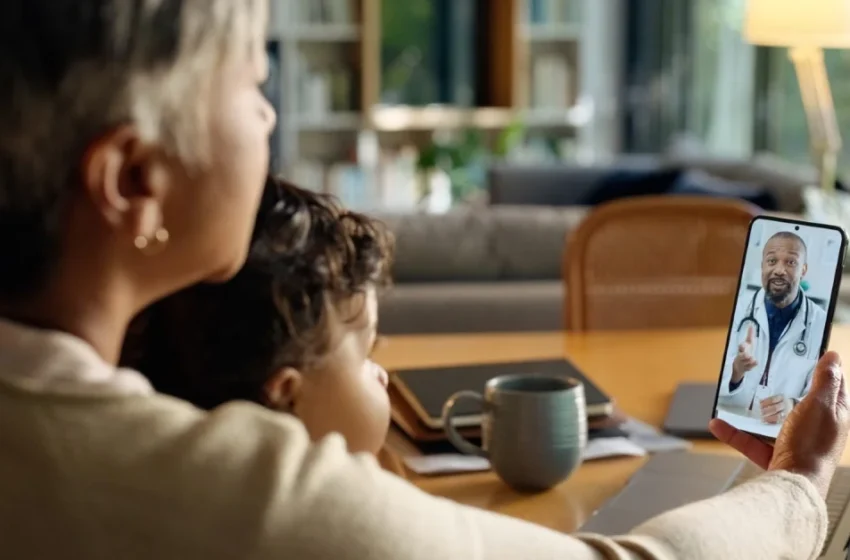
Behavioral Health Telehealth: A New Era in Mental Wellness
What if getting professional mental health support did not always require sitting in a waiting room?
For millions of people, that question is becoming easier to answer. Behavioral health telehealth allows patients to connect with therapists, counselors, psychiatrists, and other qualified professionals through secure digital technology.
The change is important because reaching care is not always simple. Someone may live far from a specialist, have limited transportation, struggle to take time away from work, or feel uncomfortable visiting a clinic.
The U.S. Department of Health and Human Services describes telehealth as an effective tool for expanding access to behavioral health care. HHS also reports that 80% of surveyed mental health treatment facilities offered care through telehealth.
However, virtual care is more than moving a therapy appointment onto a computer screen. Privacy, communication, technology, clinical judgment, and patient safety all matter.
This article explains how telehealth is reshaping care, where it works well, its limits, and what patients should consider before choosing a virtual service.
What Is Behavioral Health Telehealth?
Behavioral health telehealth refers to delivering behavioral and mental health services through digital communication technologies.
Depending on the provider, treatment plan, and patient’s location, care may involve:
- Secure video appointments
- Telephone sessions
- Online counseling
- Secure messaging
- Virtual group therapy
- Psychiatric consultations
- Medication management
- Substance-use counseling
- Remote monitoring and digital tools
HHS lists individual therapy, group therapy, addiction counseling, medication prescribing and monitoring, mental health screening, and referrals among services that may be provided through telehealth.
For example, a person with anxiety might have a weekly video session with a therapist. Another patient may use telepsychiatry for medication follow-ups without needing to travel to an office every time.
In short, telehealth can support many parts of a treatment plan remotely.
However, it does not mean every behavioral health service should be delivered virtually. Some situations still require face-to-face assessment or a higher level of care.
Why Behavioral Health Telehealth Is Growing
The growth of virtual care is largely about access.
A person may recognize that they need help but still face several practical barriers. Distance, transportation, work schedules, childcare, physical limitations, and a shortage of local professionals can all make traditional appointments difficult.
HHS notes that more than half of people in the United States live in areas without enough behavioral health providers to meet patient needs. Telebehavioral health can help connect patients with available professionals and reduce some of the barriers associated with in-person appointments.
Consider two people with similar symptoms.
One lives in a large city with several therapists nearby. The other lives in a small community where only one or two providers are available.
For the second person, telehealth may provide access to professionals who would otherwise be difficult to reach.
Moreover, virtual appointments can reduce travel time and make regular follow-up easier.
That convenience may seem minor, but it can make a real difference when treatment requires frequent sessions.
The Main Benefits of Behavioral Health Telehealth

Telehealth is not automatically better than in-person care. However, it can offer several practical advantages.
1. Greater access to specialists
Patients may have more choices when geography is less of a barrier.
This can be particularly useful for people living in rural or underserved communities.
2. Less travel
A 50-minute therapy appointment does not necessarily have to consume half a day.
A patient can sometimes connect from home, work, or another appropriate private location.
3. More flexible scheduling
Some providers can offer appointments outside traditional working hours.
This can help people who have jobs, school responsibilities, or caregiving duties.
4. Greater privacy for some patients
Someone who worries about being seen entering a mental health clinic may feel more comfortable receiving care remotely.
HHS identifies privacy and reduced stigma among potential benefits of telebehavioral health.
5. Better continuity
When travel or mobility becomes difficult, remote appointments may make it easier to maintain contact with a provider.
That continuity can be especially useful for ongoing treatment.
What Behavioral Health Services Can Be Delivered Online?
Not every service is identical, but a wide range of behavioral health services can be provided virtually.
Individual therapy
Individual therapy is one of the most common applications.
A therapist and patient can discuss anxiety, depression, stress, relationships, trauma, grief, coping skills, and other concerns through a secure video platform.
HHS specifically identifies individual teletherapy as an effective way to deliver therapy remotely.
Psychiatric care
Psychiatric appointments may also be conducted online when appropriate.
These appointments can include assessments, medication discussions, follow-up visits, and monitoring.
However, the exact services available depend on the provider, patient’s condition, location, and applicable laws.
Group therapy
A behavioral health group can meet virtually instead of in a physical room.
For example, a group might focus on anxiety management, grief, substance-use recovery, parenting, or coping with chronic stress.
Virtual groups can bring together people who live in different areas.
At the same time, confidentiality requires special attention because participants are joining from different environments.
Substance-use treatment
Telehealth can also support substance-use treatment.
SAMHSA explains that outpatient treatment can be provided in person or through telehealth and that virtual care may be particularly helpful for people who have difficulty reaching appointments.
Still, people with severe symptoms or immediate safety concerns may need more intensive services.
Behavioral Health Telehealth and Health Communication
Good health communication is essential for successful virtual care.
In a traditional office, clinicians can observe many physical and social cues. During a video appointment, some information may be harder to notice.
Therefore, patients and providers need to communicate clearly.
Patients should feel comfortable saying:
- “I don’t understand the treatment plan.”
- “My symptoms have changed.”
- “I am having problems with this medication.”
- “I would rather have an in-person appointment.”
- “I don’t have a private place to talk.”
Providers, meanwhile, should explain what will happen during sessions, how information is protected, what to do during a crisis, and when an in-person appointment may be necessary.
This is particularly important because behavioral health often involves personal experiences that are difficult to discuss.
Trust does not disappear online, but it has to be built intentionally.
How Health Psychology Fits Into Virtual Care
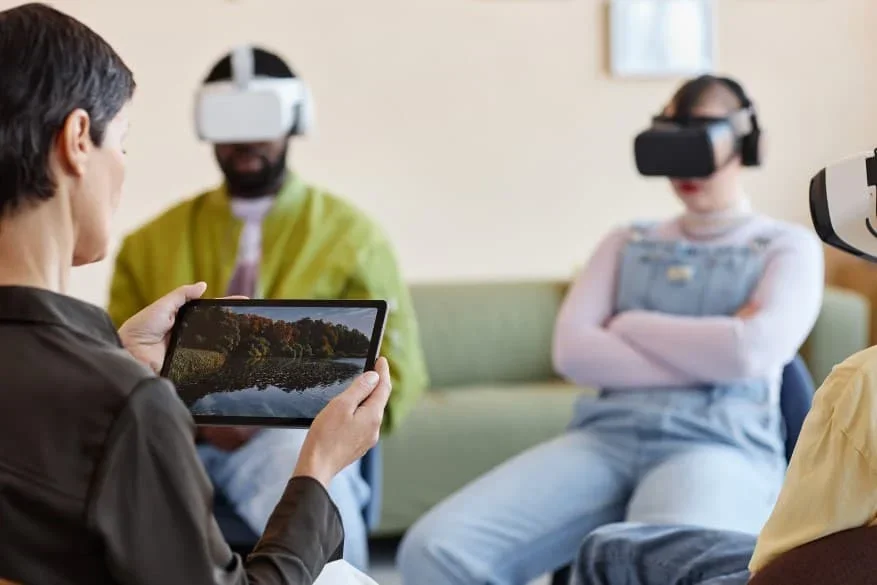
Health psychology examines how thoughts, emotions, behaviors, and social factors influence health.
Telehealth can support this approach by making regular communication easier.
For example, a patient trying to manage chronic stress may work with a professional on:
- Sleep habits
- Physical activity
- Emotional regulation
- Coping skills
- Social connection
- Time management
- Healthy routines
The technology itself does not create these changes.
Instead, it creates a channel through which a professional can help the patient understand barriers and develop realistic strategies.
That distinction is important.
A wellness app may remind someone to practice relaxation. A trained professional can help explore why relaxation is difficult, what triggers stress, and which approach fits the person’s situation.
Behavioral Health Telehealth for Anxiety and Depression
Anxiety and depression are common reasons people seek mental health support.
Virtual therapy may help patients work on thought patterns, emotional regulation, coping strategies, daily routines, and social connection.
For example, a person with anxiety may gradually learn to identify anxious thoughts and respond to them differently.
Someone experiencing depression may work with a therapist on restoring daily structure and increasing meaningful activity.
Telehealth can make these ongoing sessions easier to attend.
However, not every case is suitable for remote care alone.
Severe symptoms, significant functional decline, medical concerns, or immediate safety risks may require in-person evaluation or a higher level of treatment.
Therefore, the question should not be “Is telehealth always better?”
The better question is:
“Is telehealth appropriate for this person and this stage of treatment?”
Children’s Behavioral Health and Telehealth
Telehealth is also becoming part of children’s behavioral health care.
Children and teenagers may receive virtual support for concerns such as anxiety, depression, behavioral difficulties, stress, and other emotional challenges.
However, children are not simply smaller adults.
Age, developmental stage, family involvement, communication skills, school environment, and privacy all affect whether virtual care is appropriate.
For example, a teenager may find it easier to discuss social anxiety through a video appointment from a familiar environment.
A younger child, however, may communicate better through play or direct interaction with a clinician.
HHS also describes school-based telebehavioral health as a way to improve access for students and connect them with specialists.
So, technology should support the child’s needs rather than become the main goal.
Adult Behavioral Health and Flexible Care
For many working adults, adult behavioral health appointments can be difficult to fit into a busy day.
Consider someone who works from 9 a.m. to 5 p.m. and lives 45 minutes from a therapist.
A one-hour appointment could require several hours away from work after travel and waiting time are included.
A virtual session may reduce some of that burden.
This can be particularly helpful for:
- Full-time employees
- Parents
- Caregivers
- People with mobility limitations
- Students
- People without reliable transportation
However, a private and appropriate environment is important.
Taking a therapy call from a noisy café or a crowded workplace may not provide the privacy needed for meaningful treatment.
Community Behavioral Health and Telehealth
Community behavioral health programs can use technology to reach people who might otherwise struggle to access services.
This is especially relevant in areas with shortages of mental health professionals.
Telehealth can connect community programs with specialists, support care coordination, and make certain services available beyond traditional clinic walls.
SAMHSA’s Certified Community Behavioral Health Clinic model emphasizes coordinated, comprehensive care and includes services for mental health and substance-use needs across different populations.
This broader approach matters because behavioral health problems rarely exist in isolation.
Someone may need therapy while also dealing with housing problems, employment stress, physical illness, family difficulties, or substance use.
Technology can help connect different parts of that support system, although it cannot solve social barriers by itself.
What Is Holistic Behavioral Health?
Holistic behavioral health looks at the person as a whole rather than focusing only on one symptom.
A treatment plan may consider:
- Emotional well-being
- Sleep
- Nutrition
- Physical activity
- Relationships
- Stress
- Substance use
- Work and school
- Family support
- Personal goals
For example, imagine a patient experiencing anxiety and poor sleep.
Therapy might address anxious thoughts, while the care plan also explores sleep routines, caffeine use, physical activity, and daily stress.
The goal is not to replace evidence-based treatment with wellness trends.
Instead, holistic care recognizes that different parts of life can influence one another.
Telehealth can support this model by allowing frequent communication among patients and appropriate members of their care team.
How Technology Is Changing Behavioral Health
The technology behind virtual care is becoming more advanced.
Video visits are only one part of the digital health landscape.
Newer tools can include:
- Mobile health applications
- Digital symptom tracking
- Remote assessments
- Wearable devices
- Secure messaging
- Online education
- Virtual support groups
- Digital therapeutic tools
SAMHSA published updated guidance in July 2026 on wearables and other digital tools in behavioral health, highlighting their potential for self-management and care while also noting ethical and privacy considerations.
This is an important development.
The future of care may not be simply “doctor on a screen.”
Instead, it may involve a combination of virtual visits, digital monitoring, in-person care, community support, and personalized treatment.
The Limits of Behavioral Health Telehealth
Despite its advantages, telehealth has real limitations.
Technology problems
Poor internet connections, outdated devices, or software problems can interrupt appointments.
Privacy concerns
Patients need a private environment. Providers also need secure systems and appropriate privacy practices.
Not every treatment fits online care
Some interventions require physical examination, direct observation, or intensive in-person support.
HHS advises providers to assess whether telehealth is appropriate for specific behavioral or mental health approaches rather than assuming every service should be virtual.
Crisis situations
Someone experiencing an immediate safety crisis may require emergency or in-person support rather than a routine video appointment.
Digital inequality
Not everyone has a reliable internet connection, suitable device, private room, or digital skills.
Therefore, expanding telehealth should not mean removing other options.
How to Prepare for a Behavioral Health Telehealth Appointment
A little preparation can make a virtual session more useful.
Before the appointment
- Choose a private location.
- Test your internet connection.
- Charge your device.
- Use headphones if appropriate.
- Keep medications or relevant notes nearby.
- Write down important symptoms or questions.
- Have a backup phone number available.
It is also helpful to tell the provider if you are uncomfortable with the technology.
You do not need to be an expert in video calls to receive care.
The provider’s team should explain how to connect and what to do if the session is interrupted.
How to Choose a Virtual Behavioral Health Provider
Choosing a provider deserves the same care as choosing an in-person professional.
Look for:
- Appropriate professional credentials
- Experience with your concerns
- Clear privacy policies
- Transparent pricing or insurance information
- A clear emergency procedure
- Secure technology
- Good communication
- Availability that fits your schedule
Also ask whether the provider offers in-person care if virtual treatment stops being appropriate.
A strong telehealth provider should not treat technology as the treatment itself.
Instead, technology should serve the treatment.
Is Behavioral Health Telehealth Effective?
Evidence and professional guidance support telehealth as a useful way to deliver many forms of behavioral health care.
HHS describes telehealth as an effective tool for expanding access and notes potential benefits including continuity, convenience, privacy, and reduced barriers.
SAMHSA also provides guidance on using technology for serious mental illness and substance-use treatment, showing that telehealth is increasingly integrated into behavioral health practice.
However, effectiveness depends on several factors.
These include:
- The patient’s needs
- The type of treatment
- Provider skill
- Quality of communication
- Privacy
- Technology reliability
- Treatment continuity
- Patient preference
In other words, telehealth is a delivery method, not a diagnosis or treatment by itself.
The Future of Behavioral Health Telehealth
The next stage of digital care is likely to be more integrated rather than purely virtual.
A patient might have a video therapy appointment one week, an in-person medical visit the next, and use a digital tool to track symptoms between appointments.
This hybrid model can offer flexibility without assuming that technology should replace face-to-face care.
The growth of digital tools also creates new questions about privacy, data ownership, accessibility, professional training, and the quality of online treatment.
These issues deserve serious attention.
Technology should make care more human and more accessible, not less personal.
Behavioral Health Telehealth and Patient Privacy

Privacy is especially important when discussing mental health.
Patients should understand:
- Who can access their information
- How their information is stored
- Whether sessions are recorded
- What happens if someone else enters the room
- How messages are handled
- What to do if privacy is interrupted
Patients should also avoid discussing highly sensitive information through unsecured public networks when possible.
A private room and secure connection are simple steps that can improve confidentiality.
Moreover, providers should explain privacy expectations before treatment begins.
When Telehealth May Not Be the Best Choice
Telehealth can be useful, but there are situations when in-person care may be more appropriate.
For example, a clinician may recommend face-to-face evaluation when:
- Symptoms are rapidly worsening
- There is an immediate safety concern
- Physical symptoms need examination
- A higher level of care is needed
- The patient cannot maintain privacy at home
- Technology repeatedly interferes with treatment
- The provider needs information that is difficult to assess remotely
The goal is not to force treatment into a particular format.
The goal is to select the safest and most useful format for the individual.
A Practical Comparison: Virtual vs. In-Person Care
| Feature | Telehealth | In-Person Care |
| Travel | Usually minimal | Usually required |
| Convenience | Often high | Depends on location |
| Privacy | Depends on home environment | Clinic setting |
| Specialist access | Can expand choices | Limited by geography |
| Physical assessment | Limited | Easier |
| Group care | Available in some programs | Common |
| Crisis response | May be limited | Often better suited |
| Technology needs | Required | Usually minimal |
| Flexibility | Often high | Depends on provider |
| Best use | Many outpatient services | Services requiring direct evaluation or higher support |
Neither option is universally better.
For many people, the best solution may be a combination of both.
Conclusion: A More Connected Future for Mental Wellness
Behavioral health telehealth is changing the way people think about access to mental and behavioral health care.
It can reduce travel, connect patients with specialists, support flexible scheduling, and make ongoing treatment easier for people who face barriers to traditional appointments.
At the same time, telehealth is not a universal replacement for in-person care.
The strongest approach is patient-centered. Some people may benefit from fully virtual treatment. Others may need in-person visits. Many may benefit from a combination of both.
The future is therefore unlikely to be simply “online versus offline.”
Instead, it may be about creating a connected care system in which patients can move between virtual appointments, in-person treatment, community support, digital tools, and other appropriate services.
That is where the real promise of technology lies.
It should not make healthcare feel more distant.
It should make the right support easier to reach when people need it.
FAQs About Behavioral Health Telehealth
What is behavioral health telehealth?
Behavioral health telehealth uses secure digital communication to provide services such as therapy, psychiatric care, counseling, group treatment, and some substance-use services remotely.
Is behavioral health telehealth effective?
It can be effective for many types of behavioral health care when the treatment, patient, provider, and technology are a good match. However, some conditions require in-person or higher-level care.
Can therapy be done through telehealth?
Yes. Individual and group therapy can be provided through telehealth when clinically appropriate. HHS specifically recognizes individual teletherapy as an important use of telebehavioral health.
Is telehealth suitable for children?
It can be, depending on the child’s age, needs, family situation, privacy, and type of treatment. Some children may benefit from virtual care, while others may communicate or engage better during in-person sessions.
Does telehealth replace in-person behavioral health care?
No. Telehealth is another way to deliver care. In many cases, the most useful approach combines virtual appointments with in-person services when needed.
What should I look for in a behavioral health telehealth provider?
Check the provider’s credentials, experience, privacy practices, fees, technology requirements, emergency procedures, and availability. Most importantly, choose a service that matches your specific clinical needs.
Can telehealth help people in rural areas?
Yes. One of its major advantages is the ability to connect people with behavioral health professionals when local services are limited. HHS specifically identifies improved access to specialists as a benefit of telebehavioral health.
What happens if a telehealth appointment is interrupted?
Providers should have a backup plan, such as reconnecting through the platform or calling the patient. Before treatment begins, ask what procedure will be followed if the connection fails or an urgent concern develops.
⭐ Make MindLiva Your Preferred Source on Google
Get trusted health, wellness, and lifestyle articles from MindLiva.
Add MindLiva
Samie Babaei is a medical science student at Shahid Beheshti University of Medical Sciences with a strong interest in health, wellness, and medical research. As a health writer and researcher at MindLiva, she focuses on creating clear, evidence-based content that helps readers better understand health and well-being.