



Integrating Mind and Body: Holistic Behavioral Health
Have you ever noticed how a stressful week can affect your sleep, appetite, energy, and even your ability to concentrate?
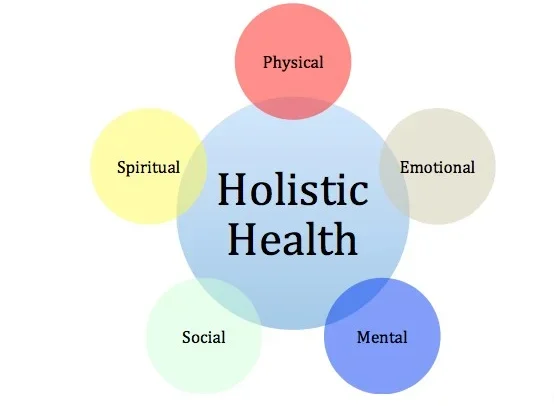
That connection is at the heart of holistic behavioral health. Instead of treating mental and physical well-being as completely separate areas, this approach looks at the whole person and the factors that influence health.
Mental health can affect physical health. At the same time, chronic pain, poor sleep, illness, isolation, financial stress, and unhealthy routines can affect emotional well-being.
Importantly, holistic care does not mean replacing medical treatment with alternative remedies. Rather, it means combining evidence-based mental health care with appropriate attention to physical health, lifestyle, relationships, and the wider environment.
This article explains how whole-person care works, what it may include, and how people can use practical strategies to support both mind and body.
What Is Holistic Behavioral Health?
Holistic behavioral health is a whole-person approach to mental and emotional well-being.
Traditional care may focus strongly on a specific diagnosis or symptom. A holistic model asks a wider set of questions.
For example:
- How well is the person sleeping?
- Are they physically active?
- Do they have supportive relationships?
- Are they dealing with chronic pain?
- Is work creating constant stress?
- Do they have access to healthy food?
- Are they isolated from their community?
- Are medications affecting energy or mood?
- Does the person feel safe at home?
These questions do not replace diagnosis or treatment. Instead, they provide additional context.
Moreover, they can help clinicians and patients identify factors that may be making recovery harder.
Why Mind and Body Cannot Be Separated
The brain and body constantly communicate.
Stress can activate the body’s stress-response system, increasing heart rate, muscle tension, and alertness. If stress continues for a long time, it can also affect sleep, energy, eating patterns, and daily behavior.
The relationship works in the other direction, too.
For example, someone living with chronic pain may sleep poorly because of discomfort. Poor sleep can then make concentration and emotional control more difficult.
This does not mean that every physical symptom is caused by stress. Medical causes still need appropriate evaluation.
However, it shows why integrated care can be useful.
The Role of Behavioral Health in Whole-Person Care
Behavioral health includes emotional well-being, mental health, habits, coping skills, and behaviors that influence health.
A person may understand what they should do but still struggle to make changes.
For example, someone may know that regular exercise could help their health but feel too exhausted or anxious to begin.
A behavioral health professional can explore the barriers rather than simply telling the person to exercise.
That difference matters.
Instead of asking only, “What should you do?” whole-person care can also ask, “What is making this difficult, and what would make the change realistic?”
Health Psychology and the Mind-Body Connection
Health psychology helps explain how thoughts, emotions, habits, and social factors interact with physical health.
Consider a person under constant work pressure.
They may begin sleeping five hours a night. They may skip meals, stop exercising, drink more caffeine, and become increasingly irritable.
Eventually, they may feel that their mental health has suddenly declined.
In reality, several connected factors may have been building for months.
A health psychology perspective can help identify these patterns and create practical strategies.
What Does Holistic Behavioral Health Include?

Whole-person care can involve many different forms of support.
Depending on individual needs, it may include:
- Psychotherapy
- Medication when appropriate
- Sleep improvement
- Physical activity
- Nutrition support
- Stress-management skills
- Social connection
- Chronic disease management
- Substance-use support
- Community resources
Not everyone needs every part.
The goal is not to create an enormous treatment plan. Instead, the goal is to identify the factors that matter most for that particular person.
Mental Health Treatment Still Matters
A common misunderstanding is that holistic care means avoiding conventional treatment.
That is not what evidence-based whole-person care requires.
Someone with moderate or severe depression, for example, may benefit from psychotherapy, medication, or both. Lifestyle changes can complement treatment, but they should not be presented as a replacement when professional treatment is needed.
Similarly, someone experiencing severe anxiety may need structured therapy rather than relying only on breathing exercises.
Holistic care should expand appropriate treatment—not remove it.
The Importance of Sleep in Holistic Behavioral Health
Sleep is one of the simplest examples of the mind-body connection.
Poor sleep can affect mood, concentration, memory, stress tolerance, and daily functioning.
At the same time, anxiety, depression, stress, pain, and other health conditions can make it harder to sleep.
This creates a cycle.
Building Better Sleep Habits
A practical sleep-focused plan may include:
- Keeping a regular sleep schedule
- Reducing caffeine late in the day
- Limiting stimulating activities before bed
- Creating a comfortable sleep environment
- Getting regular daylight exposure
- Addressing persistent snoring or sleep problems with a clinician
However, severe or ongoing sleep problems deserve medical attention.
For example, loud snoring and daytime sleepiness can sometimes indicate sleep apnea, which requires appropriate evaluation.
Movement as Part of Whole-Person Care
Physical activity can support both physical and emotional well-being.
It does not always require an intense workout.
A daily walk, gentle stretching, cycling, swimming, or another enjoyable activity may be a realistic starting point.
For someone who has been inactive for years, beginning with ten minutes may be more sustainable than immediately committing to an hour at the gym.
Moreover, enjoyment matters.
A routine that someone hates is difficult to maintain. A routine that fits their life has a better chance of becoming a habit.
People with medical conditions or significant physical limitations should discuss suitable activity with a qualified health professional.
Nutrition and Emotional Well-Being

Food is another part of whole-person health.
A balanced diet provides nutrients needed for physical function, while regular meals can help some people maintain steady energy throughout the day.
However, nutrition should not be turned into a source of guilt.
There is no single “perfect” diet for mental health.
A practical approach may focus on:
- Vegetables and fruit
- Whole grains
- Protein-rich foods
- Healthy fats
- Adequate fluids
- Regular meals
- Limiting highly processed foods when appropriate
Individual nutritional needs vary, particularly for people with diabetes, kidney disease, digestive disorders, or other medical conditions.
Therefore, personalized guidance can be more useful than rigid online diet rules.
Social Connection Is Part of Holistic Care
Mental well-being does not happen in isolation.
Relationships can influence stress, motivation, confidence, and recovery.
A person may have excellent medical care but still feel lonely every evening.
Another person may have strong family support but struggle to find professional treatment.
Holistic care considers both.
Social connection might involve:
- Family
- Friends
- Peer-support groups
- Community organizations
- Religious or cultural communities
- Volunteer activities
- Support programs
The goal is not to force people to socialize.
Instead, it is to help people find meaningful forms of connection that fit their preferences and circumstances.
Behavioral Health Services Should Be Easier to Access
Good treatment cannot help someone who cannot reach it.
Behavioral health services may include therapy, psychiatric care, counseling, substance-use treatment, peer support, and crisis services.
Yet cost, transportation, waiting lists, stigma, work schedules, and lack of specialists can make access difficult.
Technology can help address some of these barriers.
The Growth of Behavioral Health Telehealth
Behavioral health telehealth allows people to receive certain services remotely.
For some patients, virtual appointments are easier to attend than traditional visits.
For example, a parent who cannot easily arrange transportation may find a video appointment more practical.
However, telehealth is not appropriate for every situation. Clinicians should consider safety, privacy, symptoms, technology access, and the type of treatment required.
The Role of Health Communication
Effective treatment depends on clear communication.
Health communication involves how information is shared between patients, families, clinicians, and health organizations.
Poor communication can lead to confusion.
For example, a patient may leave an appointment unsure about when to take medication or what symptoms should prompt a follow-up visit.
Clear instructions can make a major difference.
Patients should feel comfortable asking questions such as:
- What is this treatment supposed to do?
- What side effects should I watch for?
- When should I expect improvement?
- What should I do if symptoms become worse?
- Are there lifestyle changes that could support treatment?
Good communication is not about using more medical words. It is about making important information easier to understand.
Community Behavioral Health and Prevention
Community behavioral health programs can play a major role in prevention.
They may provide counseling, education, support groups, crisis services, addiction treatment, or referrals.
These programs are particularly important for people who may not have easy access to private care.
Prevention can also happen outside clinics.
Schools, workplaces, community centers, and local organizations can help people learn about stress management, emotional health, substance use, and early warning signs.
Holistic Behavioral Health for Adults
Adult behavioral health needs can change throughout life.
A young adult may be dealing with school, work, relationships, or financial stress.
A middle-aged adult may be managing career pressure, parenting, chronic illness, or caregiving.
An older adult may face retirement, bereavement, loneliness, physical limitations, or changes in independence.
Therefore, a whole-person plan should reflect the person’s stage of life.
A strategy that works for one adult may not work for another.
What About Children’s Behavioral Health?

Although the focus here is adults, the same mind-body principles are relevant to children’s behavioral health.
Children’s emotional well-being can be influenced by family relationships, school experiences, sleep, physical health, social development, and their environment.
However, children require age-appropriate assessment and treatment.
Parents and caregivers should avoid assuming that a child’s behavior is simply a discipline issue when persistent changes in mood, sleep, school performance, or social behavior appear.
Early professional support can sometimes prevent problems from becoming more difficult later.
Technology and Holistic Behavioral Health
Digital tools are increasingly becoming part of whole-person care.
Apps may help people monitor mood or sleep. Wearable devices can track activity. Patient portals can improve communication. Online therapy can increase access.
However, technology should support care rather than become the entire care model.
A digital tool cannot fully understand someone’s family situation, culture, personal history, or emotional needs.
Therefore, human connection remains central.
Building a Personal Holistic Behavioral Health Plan
A useful plan does not need to be complicated.
Start by identifying the areas that are currently causing the most difficulty.
Step 1: Identify the main problem
Is it anxiety, low mood, poor sleep, stress, loneliness, substance use, or something else?
Step 2: Look for connected factors
Ask whether sleep, physical health, relationships, work, nutrition, or daily habits are making the problem better or worse.
Step 3: Choose one realistic change
Do not attempt to change everything at once.
For example, someone who rarely exercises might begin with a ten-minute walk three days per week.
Step 4: Add professional support when needed
Persistent, severe, or worsening symptoms should be discussed with a qualified health professional.
Step 5: Review progress
After several weeks, ask what is working and what needs to change.
This approach is more realistic than expecting instant transformation.
Signs That You May Need Professional Support
Lifestyle strategies can be useful, but they are not enough for every situation.
Consider seeking professional help if you experience:
- Persistent sadness or anxiety
- Major sleep changes
- Loss of interest in normal activities
- Difficulty functioning at work or home
- Significant changes in eating
- Increasing substance use
- Persistent feelings of hopelessness
- Severe emotional distress
- Thoughts of self-harm or suicide
If there is an immediate risk of harm, seek emergency help or a local crisis service rather than relying on self-guided digital tools.
Common Myths About Holistic Behavioral Health
Myth 1: Holistic means “natural only”
False. Holistic care can include therapy, medication, medical treatment, lifestyle changes, and social support.
Myth 2: Everyone needs the same wellness routine
False. Individual needs, preferences, health conditions, and circumstances differ.
Myth 3: Mental health is separate from physical health
False. Mental and physical health influence each other in many ways.
Myth 4: More health tracking is always better
False. Excessive tracking can create stress and confusion. Useful information is more valuable than large amounts of data.
Myth 5: Lifestyle changes can replace professional treatment
False. Lifestyle habits can support well-being, but some mental health conditions require professional treatment.
The Future of Whole-Person Behavioral Care
The future of holistic behavioral health will likely involve greater cooperation between mental health professionals, primary-care teams, specialists, technology providers, families, and community organizations.
This could make care more connected.
Instead of sending a patient from one disconnected service to another, integrated systems can work toward a shared understanding of the person’s needs.
Moreover, technology may make it easier to identify changes earlier and maintain contact between appointments.
But innovation must remain evidence-based.
The newest tool is not automatically the best tool. The best approach is the one that improves access, safety, engagement, and meaningful health outcomes.
Personal Insight: Why the Whole-Person View Matters
One lesson that stands out in health care is that people rarely experience problems in neat categories.
Someone may arrive asking for help with anxiety but also be dealing with insomnia, chronic pain, financial stress, and loneliness.
Treating only the anxiety may help, but understanding the wider picture can reveal additional barriers to recovery.
That is why the whole-person approach is so valuable.
It does not mean treating everything at once. Instead, it means seeing the person before choosing the intervention.
Conclusion: Treat the Person, Not Just the Symptom
Holistic behavioral health is based on a simple but powerful idea: mental well-being is connected to the rest of a person’s life.
Sleep, movement, nutrition, relationships, physical illness, stress, work, environment, and access to care can all influence how someone feels and functions.
However, holistic care should not become a collection of vague wellness advice.
The strongest approach combines evidence-based treatment, professional expertise, healthy daily habits, social support, clear communication, and individualized care.
In short, taking care of the mind also means paying attention to the body and the environment around it.
And taking care of the body sometimes requires paying closer attention to emotional well-being.
The goal is not perfection. It is progress through practical, realistic, and compassionate care.
FAQs
What is holistic behavioral health?
It is a whole-person approach that considers mental health alongside physical health, lifestyle, relationships, environment, and social factors.
Is holistic behavioral health evidence-based?
It can be. Evidence-based holistic care combines proven treatments with appropriate attention to lifestyle, physical health, social support, and individual needs.
Can holistic care replace therapy or medication?
Not necessarily. Therapy or medication may be essential for some people. Holistic strategies are generally most useful when they complement appropriate professional care.
Does holistic behavioral health include telehealth?
Yes. Telehealth can provide convenient access to certain behavioral health services, although it is not appropriate for every patient or situation.
How can I start a holistic approach to mental health?
Start with one realistic area, such as improving sleep, increasing daily movement, strengthening social support, or speaking with a qualified professional about persistent symptoms.
⭐ Make MindLiva Your Preferred Source on Google
Get trusted health, wellness, and lifestyle articles from MindLiva.
Add MindLiva
Samie Babaei is a medical science student at Shahid Beheshti University of Medical Sciences with a strong interest in health, wellness, and medical research. As a health writer and researcher at MindLiva, she focuses on creating clear, evidence-based content that helps readers better understand health and well-being.